What Is a Residential Electrical Code PDF (and Where to Get One)?
A residential electrical code pdf is a downloadable document that outlines the rules for safe electrical installation in homes. Here’s a quick breakdown of where to find the right one for your location:
| Region | Document | Where to Get It |
|---|---|---|
| United States (most states) | NEC (NFPA 70) | nfpa.org — free online viewing |
| US Residential Construction | International Residential Code (IRC) | codes.iccsafe.org — free online access |
| Canada (national) | Canadian Electrical Code (CEC) | scc.ca — purchase required |
| Quebec | Code de construction, Chapitre V | rbq.gouv.qc.ca — PDF available |
| Manitoba | Residential Wiring Guide | hydro.mb.ca — free PDF |
| Denver, CO | IRC + local amendments | denvergov.org — local policies posted online |
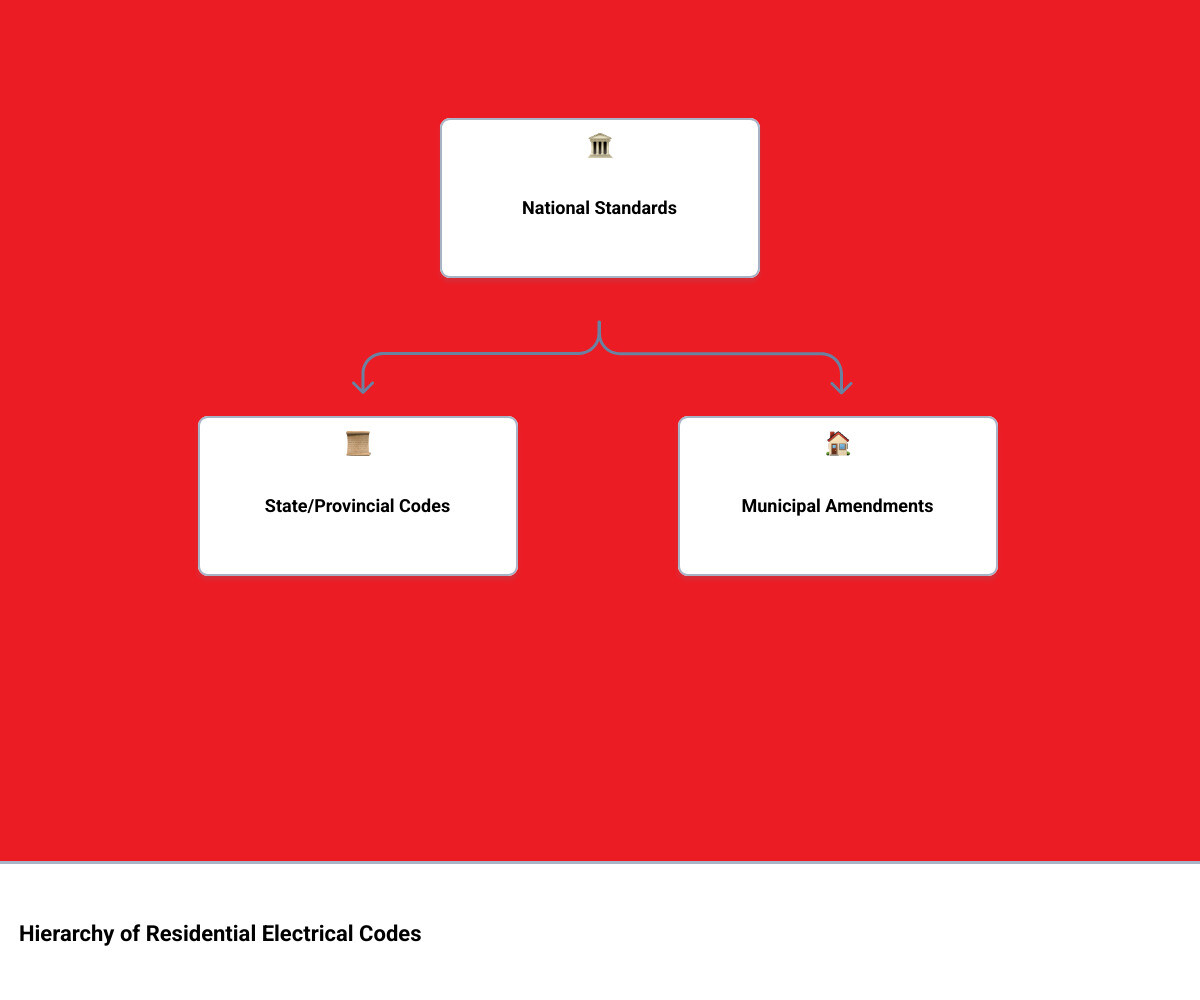
Most homeowners are surprised to learn that there isn’t just one electrical code. There’s a layered system — national standards, state or provincial rules, and then local amendments on top of that.
Here in Denver, I see this all the time. A homeowner pulls up a generic NEC PDF online, assumes it covers everything, and then runs into surprises during inspection. The national code is the foundation, but your city or county can add its own requirements.
The stakes are real. About 51,000 electrical fires happen in US homes every year. Electrical codes exist specifically to prevent that. They’re not just bureaucratic paperwork — they’re the result of decades of learning what goes wrong and why.
Whether you’re planning a renovation, adding an EV charger, or just trying to understand what an inspector is looking for, knowing which code applies to your home is the right place to start.
Residential electrical code pdf terms to remember:
- 2023 NEC Island Outlet Requirements
- NEC Dedicated Circuit Requirements
- Decoding NEC 422 Requirements for Electrical Appliances
Why You Need a Residential Electrical Code PDF

When I’m walking through a home in Centennial or Parker, the first thing I’m looking for isn’t just “does the light turn on?” It’s “is this safe enough to protect the family living here?” That’s exactly why having access to a residential electrical code pdf is so valuable for homeowners. It’s the blueprint for fire safety.
As mentioned, over 51,000 home fires are caused by electrical issues every year in the U.S. Many of these happen in homes over 30 years old that haven’t been updated to handle modern appliance demands. If your house was built in the 70s, it wasn’t designed for air fryers, high-end gaming PCs, and EV chargers all running at once.
Beyond safety, there’s the practical side: insurance and property value. If you have an electrical fire and your wiring wasn’t up to code—or worse, was done without a permit—your insurance company might give you a very hard time. Following the standards set by the National Fire Protection Association ensures your home remains a covered asset.
If you’re noticing flickering lights or breakers that trip when you use the microwave, you might be wondering about Understanding Electrical Panel Upgrades: When and Why You Need One. A code-compliant panel is the heart of a safe home.
Finding a Residential Electrical Code PDF for Your Region
The “National” in National Electrical Code (NEC) can be a bit misleading because it isn’t federal law. It’s a set of standards that states and cities choose to adopt. For example, Colorado typically adopts the latest version of the NEC, but local jurisdictions like Castle Rock or Lone Tree might have specific “local amendments.”
If you are looking for the absolute source of truth for residential building, you’ll want to look at the 2018 International Residential Code (IRC) or the more recent 2021 INTERNATIONAL RESIDENTIAL CODE (IRC). These documents combine building, plumbing, and electrical rules into one place for one- and two-family dwellings.
For our neighbors to the north, the Code Électrique Québec PDF is the go-to resource, though it’s important to note it’s published in French and follows the Canadian Electrical Code (CEC) framework.
National Standards vs. Local Rules: NEC, CEC, and Denver Requirements
In the Denver Metro area, we follow a mix of national standards and local tweaks. The NEC (also known as NFPA 70) is the “big book” of electrical rules, updated every three years. However, most residential construction is governed by the International Residential Code (IRC), which extracts the electrical parts of the NEC and puts them into a format specifically for houses.
Denver has its own specific set of rules that we have to follow. You can find these in the [PDF] Residential Electric Infrastructure Requirements – Denvergov.org. For instance, Denver might have specific rules about where your meter can be located or how many ground rods you need based on our dry, rocky soil.
While the Canadian Electrical Code (CEC) is similar in spirit to our NEC, there are differences in wire color coding and specific circuit requirements. If you’re researching online, always make sure the residential electrical code pdf you’re reading matches the country and city where the work is being done.
Key Requirements in a Residential Electrical Code PDF
When you dive into the technical side of a residential electrical code pdf, a few big requirements stand out for modern homes:
- Service Panel Capacity: Most modern standards now look for a 200-amp service. In places like Manitoba, they might suggest a minimum of 100-amp with 24 circuits, but for a modern Denver home with central AC and an EV charger, 200-amp is really the standard to ensure you don’t overload the system.
- Circuit Count: To meet higher standards, panels should have space for at least 40 circuits. This prevents “double-stuffing” breakers and allows for future growth.
- Grounding: You generally need two 10-foot ground rods driven into the earth, spaced at least 6 feet apart (though some regions require 10 feet). This gives electricity a safe path to the ground during a surge.
- Service Location: Service equipment (your main breaker) usually shouldn’t be more than 10 feet inside the building from where the wires enter.
Essential Wiring Rules for Every Room
We often get asked why there are so many outlets in new houses. It’s not just for convenience—it’s to prevent people from using dangerous extension cords. The “6-foot rule” states that no point along a wall should be more than 6 feet away from an outlet. This means outlets are usually spaced every 12 feet.
In hallways, if the space is over 10 feet long, you need at least one receptacle. For kitchens, the rules get even tighter. No point along a kitchen countertop can be more than 2 feet (24 inches) from an outlet. This ensures that a toaster or blender cord can always reach a plug without being stretched across a sink or stove.
Protection Devices: GFCI and AFCI
This is where the code saves lives. You’ll see these terms a lot in any residential electrical code pdf:
- GFCI (Ground Fault Circuit Interrupter): These are the outlets with the “Test” and “Reset” buttons. They are required in “wet” areas like kitchens, bathrooms, garages, outdoors, and unfinished basements. They trip in a fraction of a second if they detect electricity leaking to water or a person.
- AFCI (Arc Fault Circuit Interrupter): These are usually special breakers in your panel. They detect “arcing”—that hissing or sparking that happens when a wire is damaged or a connection is loose. AFCIs are now required in almost all living areas (bedrooms, dens, etc.) to prevent electrical fires before they start.
Kitchens also have very specific rules for islands. If you’re remodeling, you’ll want to check out the 2023 NEC Island Outlet Requirements to see how the rules for pop-up outlets and side-mounted plugs have changed recently.
Powering Big Appliances and Outdoor Spaces
Major appliances can’t just be plugged in anywhere. They need “dedicated circuits,” which means one breaker serves only one appliance. This prevents your refrigerator from turning off just because you used the toaster.
Common dedicated circuit requirements include:
- Electric Ranges (usually 40 or 50 amps)
- Clothes Dryers (30 amps)
- Dishwashers and Garbage Disposals (often on separate 20-amp circuits)
- Washing Machines (dedicated 20-amp circuit for the laundry room)
For more detail on these, you can read about NEC Dedicated Circuit Requirements and how Decoding NEC 422 Requirements for Electrical Appliances applies to your home.
Outdoor and Specialty Wiring
The rules get even stricter when you go outside. Water and electricity are a dangerous mix, so anything involving a pool or spa requires a Hot Tub Electrical Code GFCI setup. This includes a “manual disconnect” within sight of the tub but far enough away that you can’t touch it while you’re in the water.
In the Denver area, you’ll also need a Hot Tub Permit Colorado before we start the work. This ensures that the grounding and bonding (connecting all metal parts together) are done perfectly to prevent “stray voltage” shocks.
Safety Alarms and Modern Updates
Modern codes aren’t just about wires; they’re about early warning systems. Current rules require smoke alarms in every bedroom, outside every sleeping area, and on every level of the home.
The “interconnection” rule is key: if the smoke alarm in the basement goes off, the one in your master bedroom must go off too. This is usually done with a “14/3” wire that carries a signal between all the detectors.
Recent updates in the residential electrical code pdf world, like the 2024 IRC changes, are also starting to address:
- Whole-Home Surge Protection: To protect all the smart electronics and appliances in your home from external power surges.
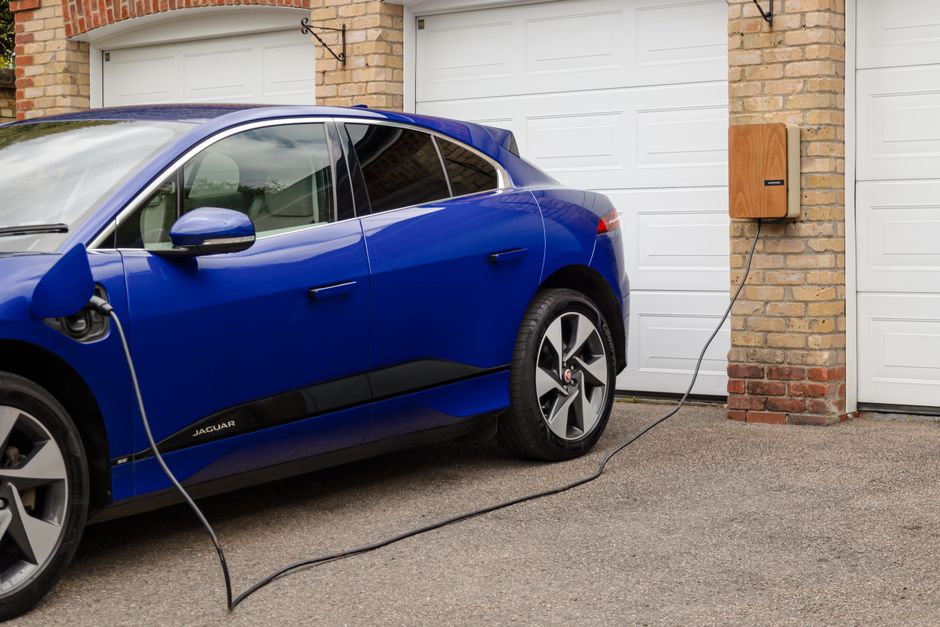
- EV Charging Infrastructure: New homes are often required to be “EV Ready,” meaning the conduit and panel space are already there for a future charger.
- Cybersecurity: As more electrical panels and “smart” breakers connect to the internet, the code is beginning to look at how to keep those systems secure from hacking.
Permits, Inspections, and Doing It Right
I know, nobody likes waiting for a city inspector, but they are your best friend when it comes to safety. When we do a job at Harmony Electric, we handle the permits for you. The process usually involves two main steps:
- Rough-in Inspection: This happens after the wires are run and the boxes are installed, but before the drywall goes up. The inspector checks that wires are properly supported, protected by metal plates where they go through studs, and that the right wire sizes were used.
- Final Inspection: This happens once the walls are painted, the outlets are in, and the lights are hanging. We test every GFCI, check the panel labeling, and make sure everything works as intended.
Trying to DIY electrical work to save a few bucks is a huge risk. Beyond the danger of shock, unpermitted work can lead to massive headaches when you try to sell your home. Whether it’s a simple outlet or Solar Electrical Permits Colorado, doing it by the book is the only way to go.
Frequently Asked Questions about Electrical Codes
How often is the residential electrical code updated?
The National Electrical Code (NEC) is updated every three years. However, cities and states don’t always adopt the new version immediately. It’s common for a city to be using a version from three or six years ago while they review the newest changes.
Can I perform my own electrical work in Denver?
In many parts of the Denver Metro area, homeowners can pull their own permits for work on their primary residence. However, you are still held to the exact same standards as a Master Electrician. If you fail the inspection, you have to fix it. Most people find that for anything beyond changing a light fixture, the complexity of the code makes hiring a pro much easier.
Where can I download a free residential electrical code PDF?
You can view the NEC for free on the NFPA website, though they make it hard to download as a PDF without paying. For a more “user-friendly” version, many local utilities (like Manitoba Hydro or Denver’s building department) offer free “Homeowner Guides” that summarize the most important rules in a PDF format.
Conclusion
Navigating a residential electrical code pdf can feel like learning a foreign language. But at the end of the day, these rules are just about keeping your family safe and your home’s “heart” beating reliably.
I’m Randy Harmuth, and at Harmony Electric, we’ve spent decades mastering these rules so you don’t have to. Whether you’re in Castle Pines, Centennial, or right here in Denver, we’re here to help you make sense of your home’s wiring. We focus on doing the work right the first time, backed by a lifetime workmanship guarantee on our major installations.
If you’re worried your home might be out of date, or you’re planning a project that needs a permit and a professional touch, give us a call. We’d love to help you keep things safe and up to code.