Solar energy continues to gain momentum in Colorado thanks to steady sunshine and the growing interest in clean, reliable power. Before any panels are mounted or wiring is run, every homeowner must work through an important first step: permits. Understanding how solar electrical permits in Colorado work makes the entire project smoother, safer, and far less stressful.
Permits aren’t just paperwork. They help ensure the system is built correctly, tied safely into the electrical panel, and compliant with the Colorado solar code. Whether you’re installing a small rooftop array or a larger system, knowing the basics of the permitting process keeps your project on track from start to finish.
Why Colorado Requires Permits
Solar systems generate real power. If the wiring is sized incorrectly, if breakers are mismatched, or if the mounting hardware isn’t installed properly, the risks can be significant. Permits help catch those issues early. They verify that the installation is safe, the roof can support the added equipment, and the electrical work meets National Electrical Code standards.
In short, electrical permits for solar exist to protect your home, prevent hazards, and make sure your system performs the way it should for years.
Who Sets the Rules
Permitting in Colorado is shaped by three layers of oversight.
– Federal Level
Federal incentives and interconnection guidelines encourage safe solar adoption. While they don’t dictate local permit rules, they help set broad expectations for system performance and safety.
– State Level
Colorado’s renewable energy standards influence how utilities handle interconnection. Utilities may have specific requirements for inverter types, shutoff equipment, or system size limits. These rules help determine what must be included in your permit package.
– Local Level
Cities and counties handle most of the permitting details. They enforce the Colorado solar code, review structural designs, check electrical diagrams, and issue final approvals. Requirements vary from one jurisdiction to another, which is why starting early is always helpful.
The Permits Typically Required
Most residential solar projects in Colorado need three main permits. Each covers a different part of the system.
– Building Permit
Confirms the roof structure can support the weight and wind load of the panels. This review helps prevent future damage and ensures the mounting system is reliable.
– Electrical Permit
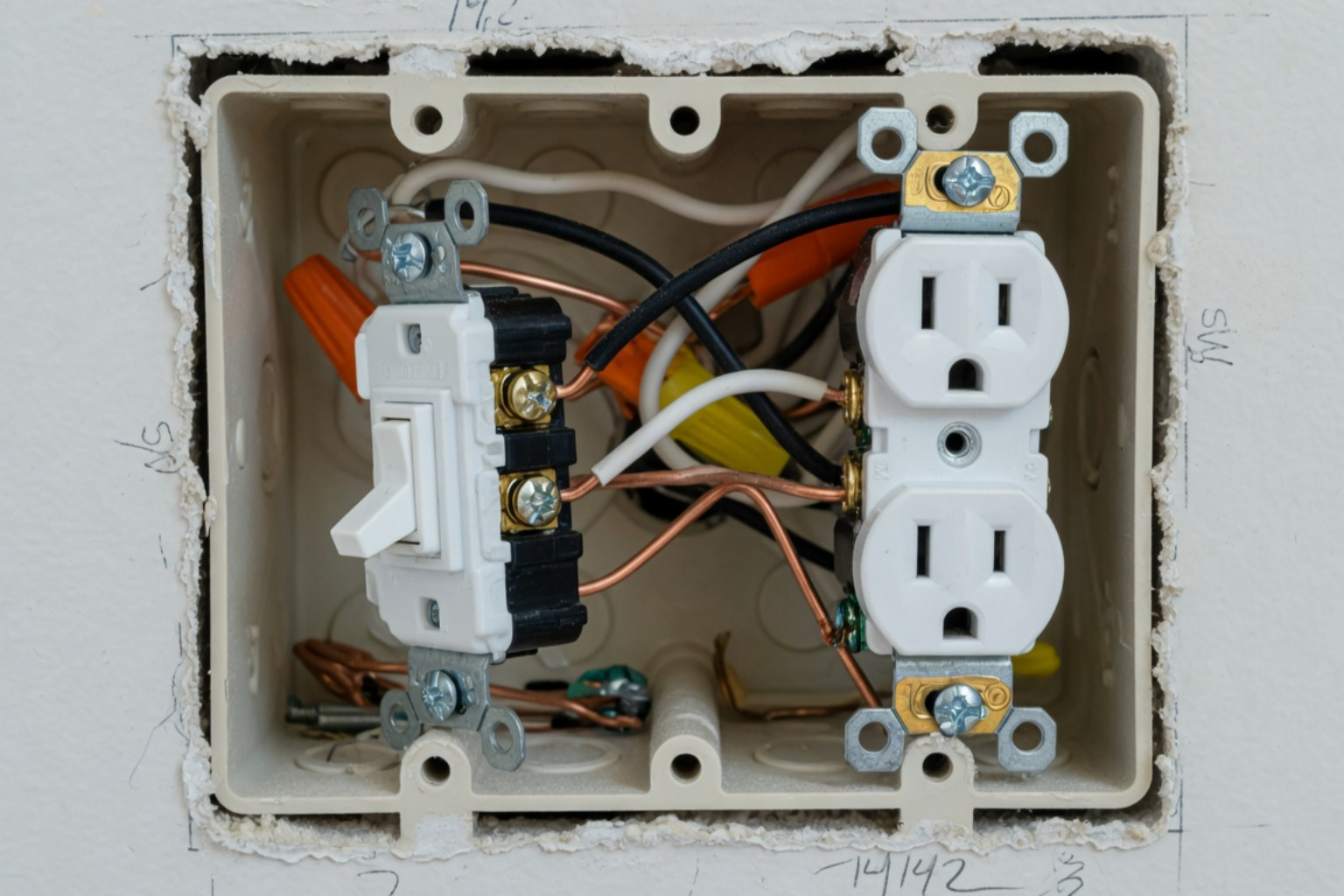
Covers all wiring, grounding, bonding, and breaker connections. This is also tied to the final electrical inspection solar review once the system is installed.
– Zoning or Land-Use Approval
Some neighborhoods or counties regulate panel placement or require review for ground-mounted systems. Homes in historic or environmentally sensitive areas may also need extra approvals.
How the Permitting Process Works
Although each city or county handles things a bit differently, most follow the same general steps.
– Submit Plans
This includes system drawings, electrical diagrams, equipment specifications, and roof load details. Clear, accurate documentation helps avoid delays.
– Plan Review
Local officials review the submission to ensure compliance with structural, zoning, and electrical rules. If something doesn’t meet code, revisions may be requested.
– Permit Approval
Once approved, installation can begin. The work must match the approved plans to pass final inspection.
What Affects the Timeline
Several factors influence how quickly permits are issued:
-
System size
-
Local review backlog
-
Roof design and mounting method
-
Utility interconnection requirements
-
Whether zoning or HOA approval is needed
Residential permits in Colorado usually take 10 to 30 days. Larger commercial systems may require 30 to 60 days or more.
What Permits Cost
Fees vary by jurisdiction and system size. Most homeowners can expect to pay between $100 and $1,000 for residential permits. Larger systems or projects that require engineering reviews may cost more. Including permit costs in the early budget helps prevent surprises later.
What Happens During the Final Inspection
Once the system is installed, it must pass an inspection before the utility can approve operation. During an electrical inspection solar process, inspectors verify:
-
Conductor size and routing
-
Breaker placement and labeling
-
Proper grounding and bonding
-
Secure mounting and structural attachments
-
Disconnect locations
-
Backfeed protection and utility shutoff requirements
When the inspection is approved, the system is cleared for activation.
Ready to Start Your Solar Project the Right Way?
A well-planned permitting process sets the stage for a safe, long-lasting solar installation. If you’d like help navigating solar electrical permits in colorado, or if you want an experienced electrician to handle the wiring, hookup, and inspection requirements, the team at Harmony Electric is here to help
Our electricians are licensed, local, and familiar with Colorado’s specific requirements. We complete solar hookups safely, clearly, and in full compliance with the Colorado Solar Code. If you want peace of mind that your system is wired correctly, inspected properly, and ready to run for years, we can help.
Contact us today for a free consultation, and let’s get your solar project moving in the right direction.