Adding a hot tub is one of the best ways to enjoy your Colorado home year-round. But before the wiring starts and the water fills, there’s an important step that every homeowner should understand — the hot tub electrical permit.
Permits aren’t just paperwork. They’re part of what keeps your home safe, your installation legal, and your investment protected.
How the Permit Process Works in Colorado
In most Colorado cities, including Denver, Parker, and Castle Rock, a permit is required before any hot tub wiring begins. The process starts with a simple application that lets your city or county know that electrical work will be performed.
Once the permit is issued, a licensed electrician completes the installation. Afterward, a city or county inspector visits your property to make sure everything meets state and local code. That inspection confirms your system has proper grounding, bonding, and GFCI protection.
When the project passes inspection, your home record shows a verified, code-compliant installation — something future buyers and insurers look for.
Why Colorado Requires Hot Tub Permits
Our state’s changing weather and dry air can be tough on outdoor electrical systems. Hot tubs draw a heavy electrical load, and when moisture is involved, safety standards are strict for a reason.
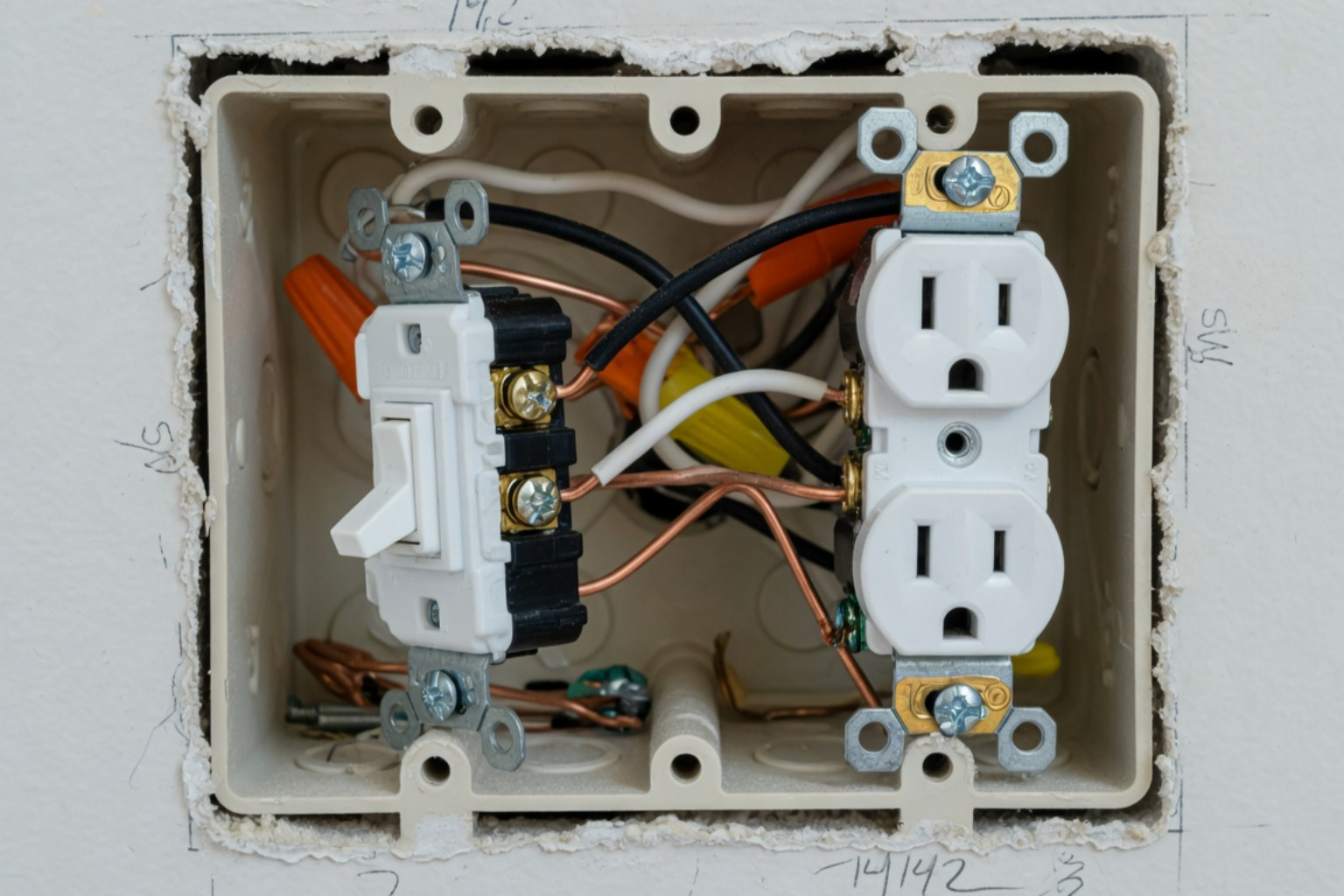
The hot tub electrical permit in Colorado ensures that every component is installed correctly and protected against the elements. This includes using the right wire size, outdoor-rated conduit, and GFCI protection that shuts off power instantly if there’s ever a problem.
Permits help prevent electrical shorts, corrosion, and safety hazards that could surface months or years later. They’re an important safeguard, not an inconvenience.
What Can Happen Without a Permit
Some homeowners skip the permit step to save time. That shortcut can cause problems later. Without an inspection, you have no confirmation that the wiring was done safely. If an electrical issue arises, insurance may not cover the damage.
Unpermitted work can also create complications when selling your home. Home inspectors check for proper permits, and missing paperwork often delays closings or lowers buyer confidence.
The cost of a permit is minimal compared to what it protects you from.
How to Handle the Permit the Right Way
You can apply for a homeowner’s electrical permit through your local city or county, but most homeowners prefer to have their electrician handle it. Licensed electricians know the local process, file the paperwork, and schedule the inspection as part of the project.
The process is straightforward and ensures your installation passes the first time. You end up with a spa that’s safe, efficient, and fully approved.
Get Expert Help with Your Hot Tub Installation
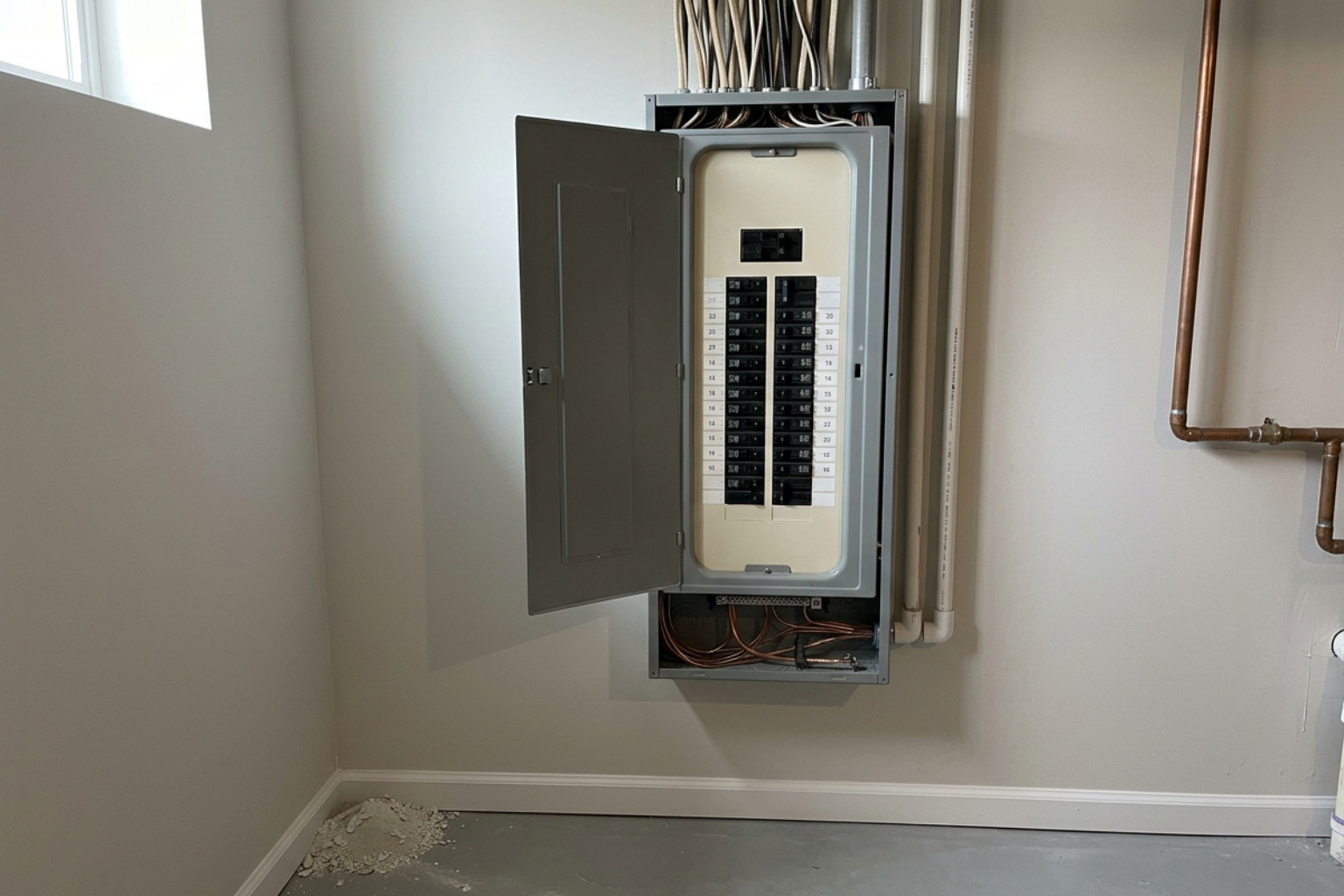
Every home’s electrical system is different. Some panels have room for another circuit, while others may need an upgrade to handle the new load. A licensed electrician can evaluate your setup, calculate your capacity, and guide you through the permitting process from start to finish.
Harmony Electric works with homeowners throughout Denver, Parker, Castle Rock, and Highlands Ranch to install and inspect hot tubs safely. We take care of the permits, electrical setup, and inspections so you can enjoy your spa with complete confidence.
Work with a Team That Puts Safety First
If you’re planning a new hot tub, partner with electricians who know Colorado code inside and out. Harmony Electric will help you secure your hot tub electrical permit, complete the wiring correctly, and ensure your system is safe and compliant for years to come.
Give us a call or request a consultation. We’ll make the process simple, safe, and done right the first time.