Your Guide to Dedicated Circuits from a Denver Electrician
NEC dedicated circuit requirements specify that certain appliances and equipment must have their own individual electrical circuits to operate safely and meet code. Here’s what you need to know:
Quick Answer: Which Appliances Need Dedicated Circuits?
- Kitchen: Electric range/oven, refrigerator, dishwasher, garbage disposal, built-in microwave
- Laundry: Electric dryer (240V, 30A), washing machine (20A)
- HVAC: Central air conditioning, electric water heater, furnace
- Other: Hot tubs, EV chargers, sump pumps, large power tools
- Circuit Size: Typically 15-20 amps for most appliances, 30-50 amps for heavy-duty equipment
I’m Randy Harmuth, and I’ve been working on electrical systems in Denver homes for years. One of the most common issues I see is overloaded circuits.
A homeowner calls because their kitchen lights flicker every time the microwave runs. Or their breaker trips when they start the dishwasher while the coffee maker is on. These aren’t random electrical gremlins—they’re signs that appliances are fighting for power on shared circuits.
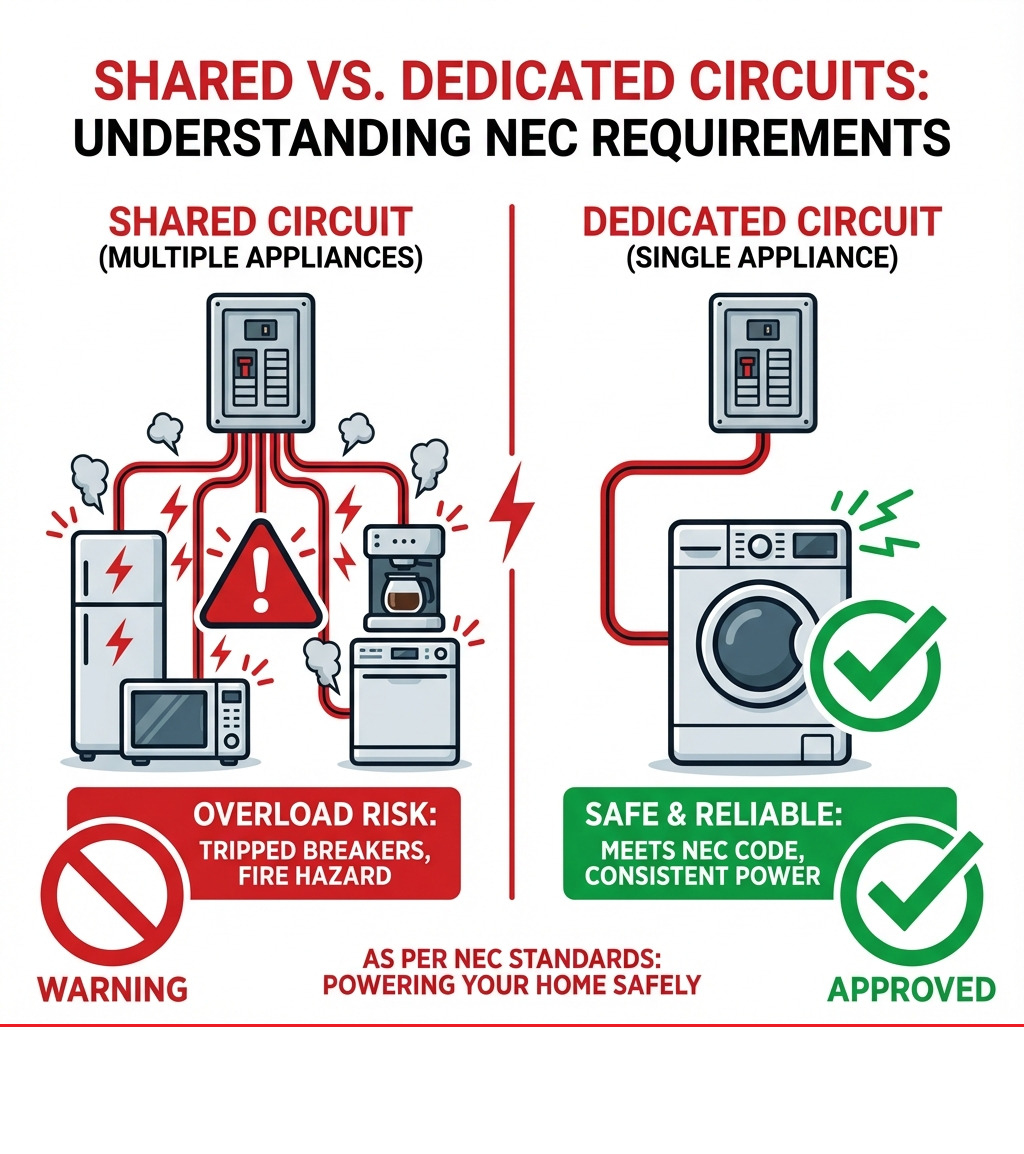
A dedicated circuit is simply an electrical line that serves one appliance and nothing else. Think of it like a private highway for your refrigerator or dryer. No traffic jams, no competition, just reliable power when you need it.
The National Electrical Code (NEC) requires dedicated circuits for good reason. Modern appliances pull a lot of power. When you force multiple high-draw devices to share the same circuit, you’re asking for trouble—tripped breakers at best, overheated wires and fire risk at worst.
In a lot of older Denver homes, I find kitchens and laundry rooms that were wired decades ago when people owned fewer appliances. The wiring might have been fine in 1975, but it’s not built for today’s energy-hungry refrigerators, microwaves, and dishwashers all running at once.
This guide breaks down exactly which appliances need their own circuits, what the code says, and why it matters for your safety and your wallet.
What Exactly Is a Dedicated Circuit and Why Should You Care?
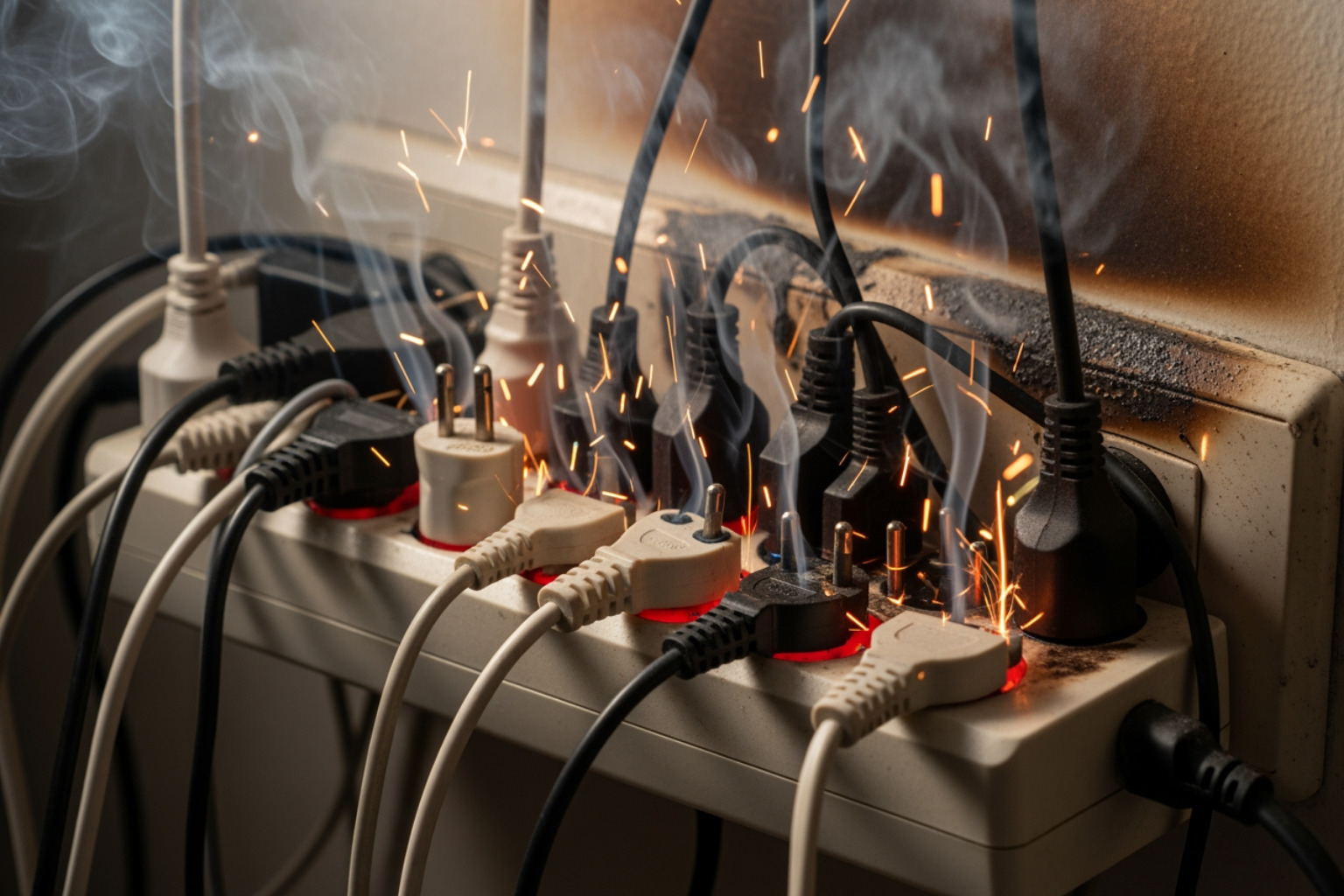
When we talk about dedicated circuits, what we’re really referring to in the National Electrical Code (NEC) is an “individual branch circuit.” The NEC defines an “individual branch circuit” in Article 100 as a branch circuit that supplies only one utilization equipment. In plain English, this means it’s a circuit designed to power just one major appliance or piece of equipment.
The reason this matters so much is safety and efficiency. Modern appliances, especially those that heat, cool, or have powerful motors, draw a lot of electricity. If you plug several of these high-draw items into a single circuit, that circuit can easily become overloaded.
Preventing overloads is the primary goal. An overloaded circuit can cause your circuit breaker to trip, cutting power to everything on that circuit. While a tripped breaker is a nuisance, it’s actually doing its job—preventing something much worse.
When a circuit is consistently overloaded, the wires can overheat. This is where the real danger lies. Overheated wires can melt their insulation, leading to short circuits, electrical malfunctions, and a significant fire risk. In fact, electrical failures or malfunctions are the second leading cause of home fires in the U.S..
Beyond safety, dedicated circuits also help protect your expensive appliances. Appliances running on an overloaded circuit might not receive consistent voltage, which can shorten their lifespan or cause them to operate inefficiently. Imagine your brand new refrigerator struggling for power; it’s not just annoying, it could lead to premature failure.
The Dangers of Skipping a Dedicated Circuit
Ignoring the need for dedicated circuits for high-draw appliances can lead to a host of problems that range from annoying to downright dangerous.
- Tripped Breakers: This is the most common and immediate sign of an overloaded circuit. If your breaker trips every time you use a specific appliance, it’s a clear signal that it needs its own circuit.
- Flickering Lights: When a large appliance kicks on and draws power from a shared circuit, you might notice the lights dim or flicker. This indicates a voltage drop, a symptom of an overloaded circuit.
- Damaged Electronics: Inconsistent power delivery can harm sensitive electronics. While dedicated circuits are usually for major appliances, the ripple effect of an overloaded circuit can impact other devices.
- Overheating Wires: This is the silent killer. You can’t see it happening behind your walls, but overloaded wires generate excessive heat. This heat can degrade wire insulation, leading to dangerous shorts and arc faults.
- Fire Hazards: As I mentioned, overheated wiring is a leading cause of electrical fires. This isn’t just a hypothetical risk; it’s a real danger that we work to prevent every day in homes across Denver, Castle Rock, and Highlands Ranch.
In older Denver homes, where electrical systems weren’t designed for today’s power demands, I often see these issues. It’s not uncommon for a homeowner in Centennial or Parker to be running a new, energy-efficient washing machine on a circuit that was originally intended for just a few lights and a radio. That’s a recipe for trouble.
General-Use vs. Individual Branch Circuits
Let’s clear up the lingo. The NEC doesn’t use the term “dedicated circuit” as a formal definition, but it’s widely used in the trade. What the NEC does define is an “individual branch circuit.”
- Individual Branch Circuit: According to NEC Article 100, this is a branch circuit that supplies only one utilization equipment. “Utilization equipment” is basically any piece of electrical equipment that uses electrical energy for mechanical, chemical, heating, lighting, or similar purposes. So, your refrigerator, your electric range, your washing machine—these are all utilization equipment. An individual branch circuit ensures that equipment gets all the power it needs without competition.
- General-Use Branch Circuit: This is what most of your other outlets are on. A general-use circuit is designed to power multiple outlets and devices that don’t have high, continuous power demands. Think lamps, phone chargers, TVs, and other smaller electronics. A 20-amp general-use circuit, for example, can typically support up to 10 outlets, but for safety, you should only load it to about 80% of its capacity, which is 16 amps.
The key difference for your home in Lone Tree or Castle Pines is understanding that while general-use circuits are great for everyday items, they simply aren’t safe or sufficient for your major appliances.
A Room-by-Room Guide to NEC Dedicated Circuit Requirements
This is where the code gets specific, and for good reason. Every room has different electrical demands, and the NEC aims to ensure those demands are met safely. It’s not just for new construction either; if you’re remodeling your kitchen, finishing your basement, or upgrading appliances in an older Denver home, understanding these rules is crucial.
NEC Dedicated Circuit Requirements in the Kitchen
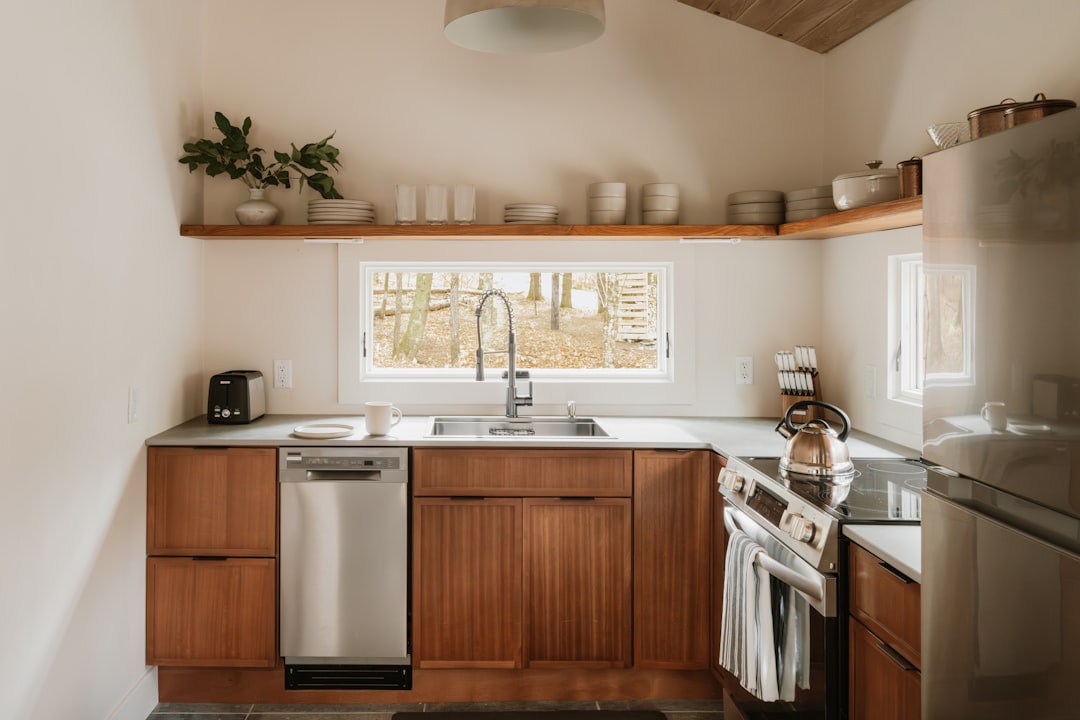
The kitchen is often called the “heart of the home,” and it’s definitely the heart of your home’s electrical system. With multiple high-power appliances running simultaneously, it needs robust wiring.
Here’s a list of kitchen appliances that commonly need dedicated circuits:
- Refrigerator: Yes, a refrigerator absolutely needs its own dedicated circuit. It runs continuously, and its compressor draws significant power when it cycles on. If it shares a circuit and that breaker trips, you’re not just inconvenienced—you’re looking at spoiled food. Typically, a 120-volt, 15-20 amp circuit is recommended.
- Dishwasher: Most dishwashers require a dedicated 120-volt, 15-amp circuit. This prevents it from tripping a breaker when running alongside other kitchen appliances.
- Garbage Disposal: This is another appliance that needs its own 120-volt, 15-amp dedicated circuit. While it runs for short periods, it draws a lot of power when it’s on.
- Electric Range/Oven: These are heavy-duty appliances. An electric range or oven will typically require a 240-volt, 30-50 amp dedicated circuit. This is a high-voltage, high-amperage circuit, and it’s essential for safe operation.
- Built-in Microwave: While countertop microwaves might occasionally share a circuit, built-in models almost always require a dedicated 120-volt, 20-amp circuit.
- Small Appliance Circuits: Beyond dedicated circuits for individual appliances, the NEC requires at least two 20-amp small appliance branch circuits for countertop receptacles in the kitchen. These are for things like toasters, coffee makers, and blenders. While not “dedicated” to a single item, they are dedicated to a specific purpose and location to prevent overloading.
- GFCI Protection: Any receptacle within 6 feet of a sink in your kitchen must have GFCI (Ground-Fault Circuit Interrupter) protection. This is a critical safety feature that protects against electric shock.
For any major kitchen remodel or appliance upgrade, ensuring your panel can handle the new load and adding circuits is often necessary. If you’re looking to upgrade your electrical panel in Denver to accommodate these needs, we can help. More info about Panel & Circuit Upgrades Denver.
Laundry Room and Garage Rules
The laundry room and garage are two other areas in your home that often house high-power machines and tools, making dedicated circuits a must.
In the laundry room:
- Electric Dryer: This is a big one. Electric dryers require a 240-volt, 30-amp dedicated circuit. This is a high-voltage circuit because the dryer needs a lot of power to generate heat. A gas dryer, on the other hand, might only need a 120-volt, 15-amp circuit for its motor and controls, and could potentially share with a washing machine, but it’s always best to check manufacturer specs.
- Washing Machine: Your washing machine typically needs a 120-volt, 20-amp dedicated circuit. While it doesn’t heat like a dryer, it has a powerful motor that draws significant current during cycles.
- GFCI Protection: Like kitchens, laundry areas often involve water, so GFCI protection is required for receptacles.
Moving to the garage:
- Workshop Tools: If you have a serious workshop with large air compressors, table saws, welders, or other heavy-duty power tools, these will absolutely need their own dedicated 120-volt or 240-volt circuits, depending on their power requirements. Trying to run them on a general-use circuit will lead to constant breaker trips and potential safety hazards.
- Sump Pumps: A sump pump is vital for preventing basement flooding. Because it needs to operate reliably, often for extended periods, it should be on its own dedicated 120-volt, 15-20 amp circuit.
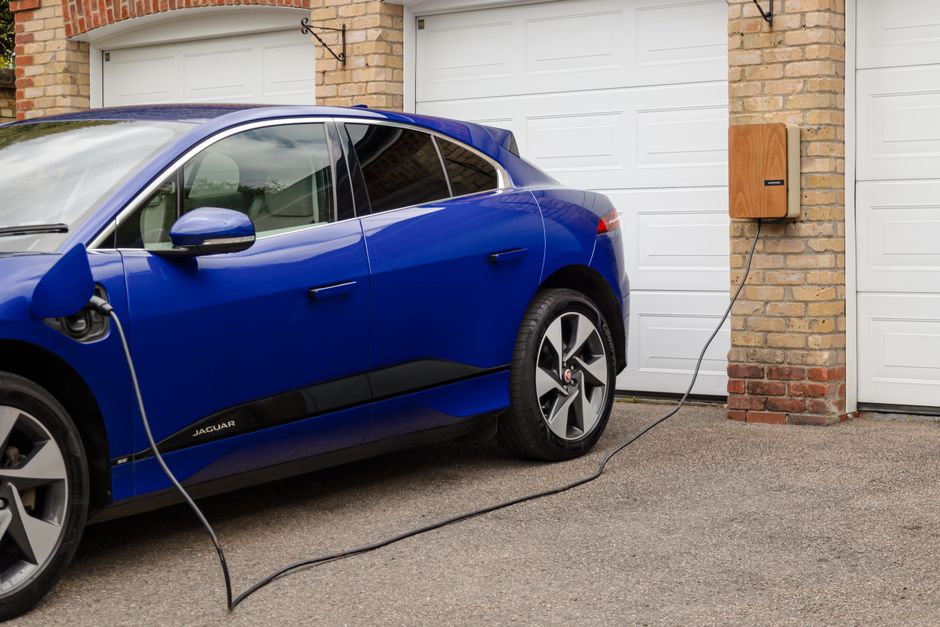
- EV Chargers: Electric vehicles are becoming more common in Highlands Ranch and Parker, and installing an EV charger requires a dedicated circuit. Level 2 chargers typically need a 240-volt, 30-50 amp dedicated circuit. This is a significant load, and proper installation is crucial for safety and efficient charging. You can learn more about our services for EV Charger Installation.
- GFCI Protection: All 120-volt receptacles in garages must be GFCI-protected.
Other Common Household Needs
Beyond the kitchen, laundry, and garage, several other items in your home might require dedicated circuits due to their power demands or continuous operation:
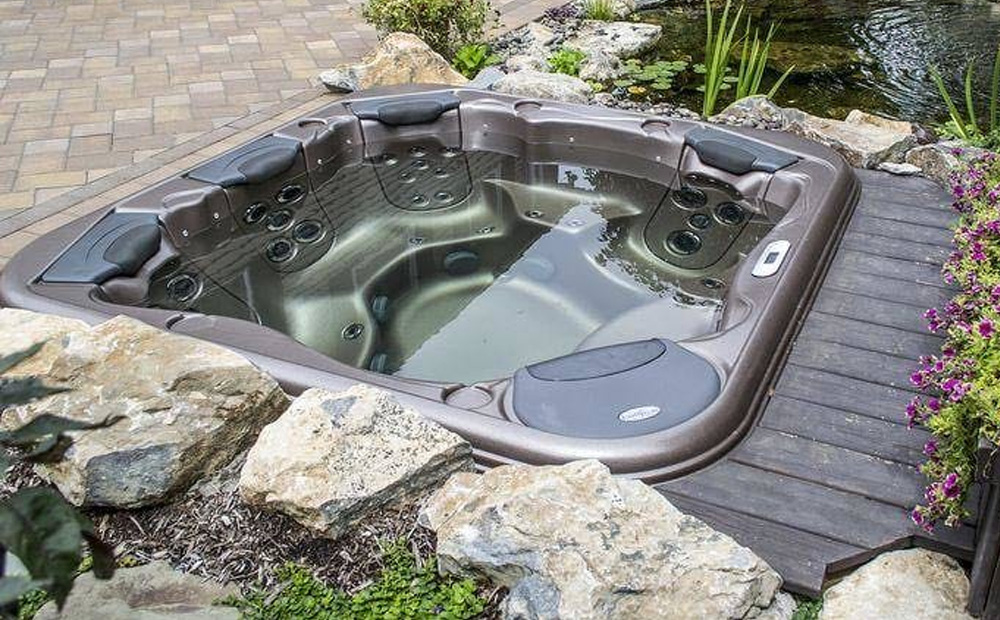
- Hot Tubs and Spas: These are major electrical loads and absolutely require dedicated circuits, typically 240-volt, 30-60 amp, depending on the model. They also have specific GFCI requirements for safety. We specialize in hot tub wiring for homes across the Denver Metro Area. You can find more information on Hot Tub Electrical Code GFCI.
- Central Air Conditioning: Your home’s AC unit needs a dedicated circuit, usually 240-volt, 30-50 amp, to handle its powerful compressor.
- Electric Water Heaters: These are continuous-use appliances that heat a large volume of water and require a dedicated 240-volt, 30-amp circuit.
- Furnaces: While many furnaces use natural gas, the fan and control board still require electricity. Most furnaces need a dedicated 120-volt, 15-20 amp circuit.
- Window AC Units: Depending on their size, larger window AC units might need a dedicated 120-volt, 20-amp circuit, especially if they are the only significant load in the room.
The common thread here is “continuous use” or “high power draw.” Appliances that run for long periods or draw a lot of electricity when they do run put significant strain on your electrical system. Giving them their own circuit ensures they operate safely and reliably.
Understanding Amps, Volts, and Safety Features
When we talk about electricity, “amps” and “volts” are two terms you’ll hear a lot. Think of it this way:
- Volts (V): This is the electrical “pressure” or force. In most homes in Denver, standard outlets are 120 volts. Larger appliances like electric ranges, dryers, and EV chargers use 240 volts because they need more power.
- Amps (A): This is the “flow” or quantity of electricity. A circuit breaker’s rating (e.g., 15-amp, 20-amp, 30-amp) tells you how much current can safely flow through that circuit before it trips.
Appliances are designed to draw a specific amount of power (watts), which is a combination of volts and amps. A higher wattage appliance will draw more amps, especially at 120 volts. That’s why high-wattage items need dedicated circuits with appropriate amperage ratings.
Here’s a quick look at common appliances and their typical requirements:
| Appliance | Typical Voltage | Typical Amperage Rating |
|---|---|---|
| Refrigerator | 120V | 15-20A |
| Dishwasher | 120V | 15A |
| Garbage Disposal | 120V | 15A |
| Electric Dryer | 240V | 30A |
| Washing Machine | 120V | 20A |
| Electric Range/Oven | 240V | 30-50A |
| Built-in Microwave | 120V | 20A |
| Central AC Unit | 240V | 30-50A |
| Electric Water Heater | 240V | 30A |
| Hot Tub | 240V | 30-60A |
| EV Charger (Level 2) | 240V | 30-50A |
What are GFCI and AFCI Protections?
Beyond dedicated circuits, the NEC also mandates specific safety devices to protect against different electrical hazards:
- Ground-Fault Circuit Interrupters (GFCI): A GFCI outlet or breaker is designed to protect you from electric shock. It constantly monitors the electrical current flowing through a circuit. If it detects even a tiny imbalance—meaning electricity is escaping the circuit, possibly through a person touching a faulty appliance—it trips almost instantly, cutting off power. The NEC requires GFCI protection in areas where water is present, such as bathrooms, kitchens (near sinks), laundry rooms, garages, and all outdoor receptacles.
- Arc-Fault Circuit Interrupters (AFCI): An AFCI breaker protects against electrical fires caused by arc faults. An arc fault occurs when electricity “arcs” or jumps across a gap in damaged wiring or a faulty appliance. This arcing can generate intense heat, potentially igniting nearby combustible materials. AFCIs detect these dangerous arcing conditions and trip the circuit before a fire can start. The NEC requires AFCI protection for most residential living areas, including bedrooms, living rooms, and dining rooms.
Both GFCI and AFCI protection are crucial layers of safety. For many appliances on dedicated circuits, especially in wet locations, you’ll find that GFCI protection is also required at the receptacle or breaker. Recent NEC updates, including the 2023 edition, have expanded the requirements for both GFCI and AFCI protection, particularly in kitchens and laundry areas. This means that if you’re remodeling or upgrading your home’s electrical system, you’ll need to ensure these protections are in place.
A Note on the Evolving NEC Code
The National Electrical Code isn’t a static document; it’s updated every three years. Why? Because technology is always advancing, and with new electrical devices and systems come new safety considerations. From smart home technology to electric vehicles, our homes are consuming more power and in different ways than ever before.
These updates reflect:
- Technology Advancements: As new electrical products and installation methods emerge, the code adapts to ensure their safe integration.
- Increased Safety Standards: Electrical experts constantly review incident data and research to identify potential hazards and implement stricter safety measures.
- Responding to Real-World Needs: For instance, the rise of home EV charging or the prevalence of sensitive electronics has led to new requirements for surge protection and dedicated circuits.
For homeowners in Denver, Castle Rock, or Centennial, this means it’s incredibly important to work with a licensed electrician who stays current with the latest NEC edition. What was up to code 10 or 15 years ago might not meet today’s safety standards. We make it our business to know these changes inside and out. You can always View the NEC® at NFPA.ORG for the complete code sections.
Frequently Asked Questions about Dedicated Circuits
Does a refrigerator really need its own dedicated circuit?
Yes, a refrigerator really does need its own dedicated circuit, and here’s why it’s so important for homes in Denver:
- Continuous Operation: Your refrigerator runs 24/7. It’s one of the few appliances in your home that is constantly drawing power, even if it’s just a small amount to maintain temperature.
- High Startup Current: When the compressor kicks on, it draws a significant surge of power. If it shares a circuit with other items, that surge can easily trip a breaker.
- Preventing Food Spoilage: Imagine your refrigerator sharing a circuit with your toaster and microwave. If someone overloads the circuit while making breakfast, and you don’t notice the tripped breaker, your food could spoil. A dedicated circuit minimizes this risk, protecting your groceries and your wallet.
- NEC Recommendations: While the NEC doesn’t explicitly mandate a dedicated circuit for every refrigerator (it can be supplied by one of the kitchen’s small appliance circuits), it does allow for an individual branch circuit for refrigeration equipment. Most experienced electricians, including myself, strongly recommend it for the reasons above.
Can a dedicated circuit have more than one outlet?
This is a common question and can be a bit nuanced. The NEC defines an “individual branch circuit” as supplying only “one utilization equipment.”
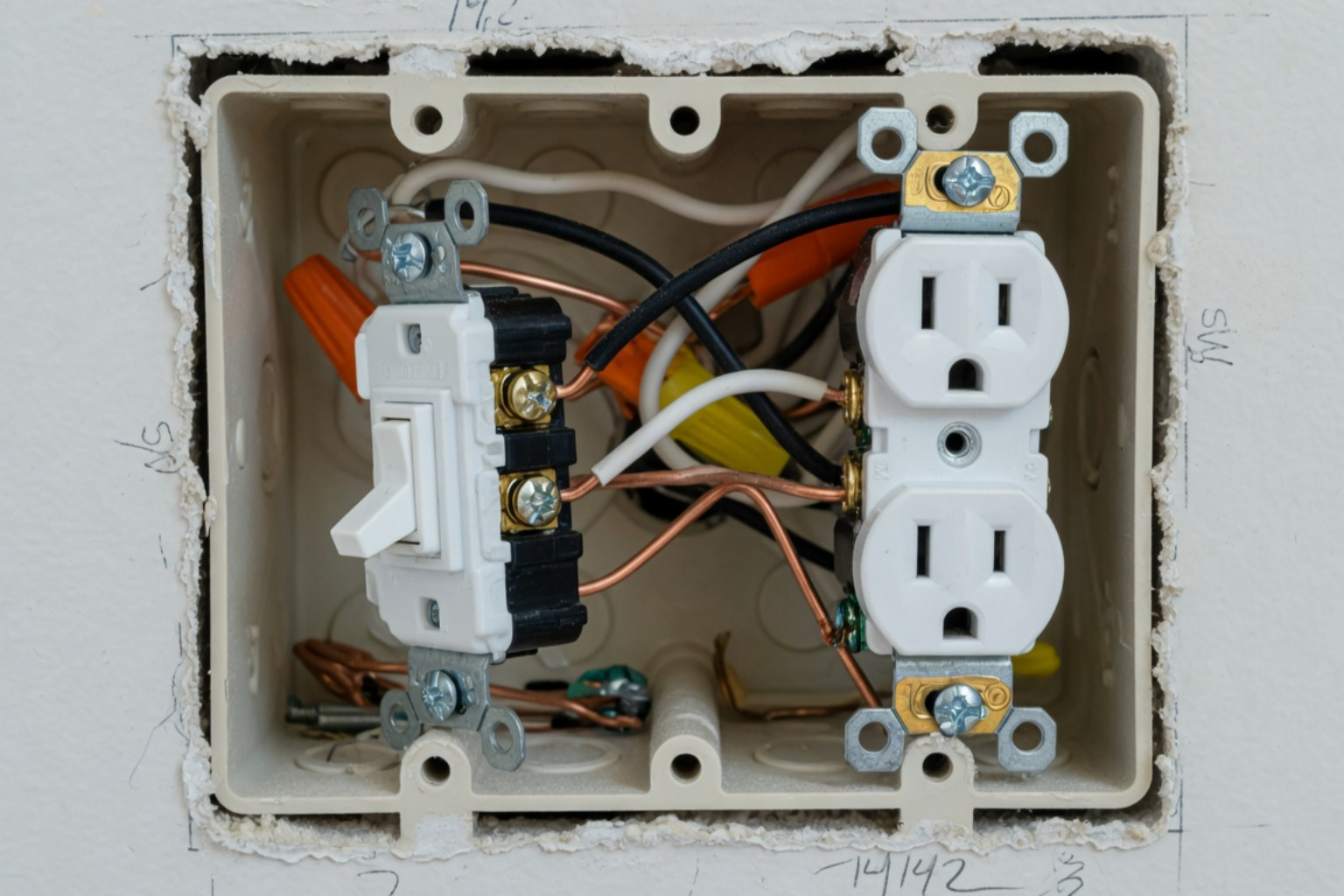
- The Intent: The core idea is that the circuit is dedicated to a single appliance. If you have a single appliance that plugs into a duplex (two-slot) outlet, and that outlet is the only thing on the circuit, then technically it’s still serving only one utilization equipment. The second receptacle isn’t intended for another appliance.
- Single vs. Duplex Receptacles: For clarity and to prevent accidental overloading, sometimes a single receptacle (one slot) is installed for a dedicated circuit, especially for 240-volt appliances. However, for a 120-volt appliance like a refrigerator, a duplex outlet on an individual branch circuit is generally acceptable, as long as it’s truly only there for that one appliance. You wouldn’t want to plug your toaster into the other half of your refrigerator’s dedicated outlet!
The key is to understand that the circuit’s capacity is allocated for that single piece of equipment, regardless of whether it uses one or two receptacle slots.
How do I know if I have dedicated circuits in my home?
This is a question I get a lot from homeowners, especially in older Denver neighborhoods like Capitol Hill or Washington Park. Here’s how you can check and what to look for:
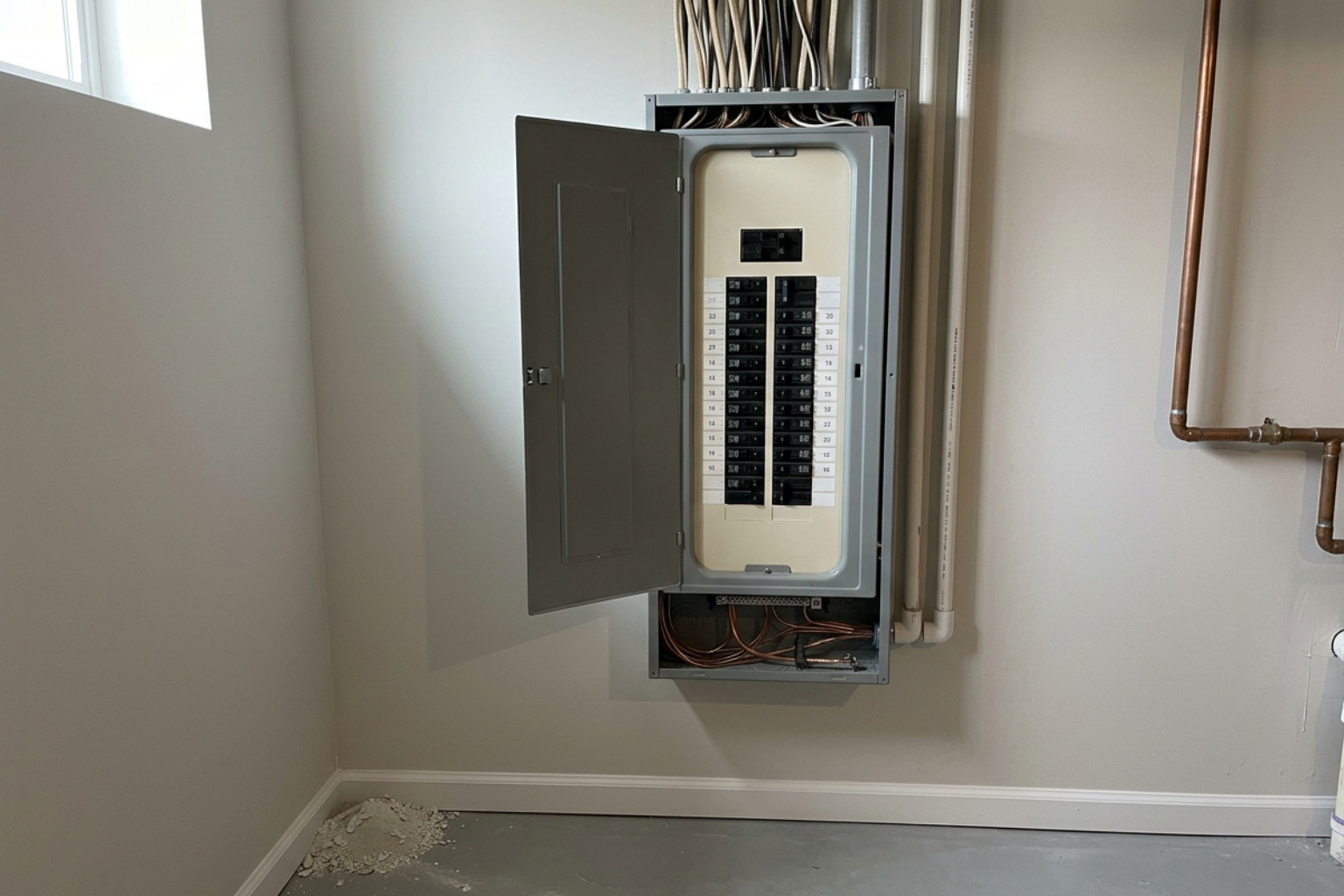
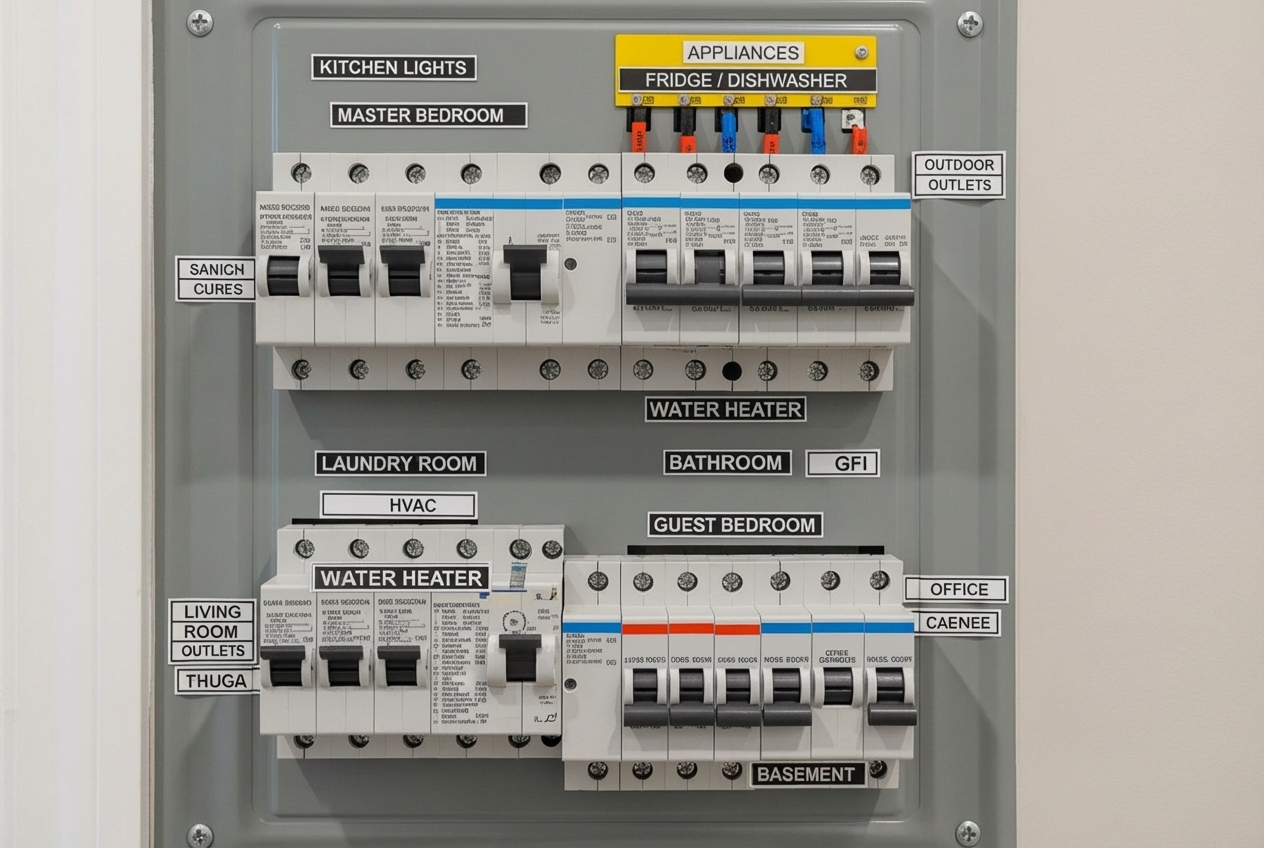
- Check Your Electrical Panel: The best place to start is your main electrical panel. Ideally, each breaker should be clearly labeled. Look for labels like “Refrigerator,” “Dishwasher,” “Dryer,” “AC Unit,” or “Microwave.” If you see a breaker labeled with a specific appliance, it’s likely a dedicated circuit.
- Look for Unlabeled or Vague Labels: In many older homes, the labels might be vague (“Kitchen outlets,” “Basement”), or worse, completely blank. This makes it impossible to tell what’s on which circuit without testing.
- Telltale Signs of Overloaded Circuits: If you frequently experience:
- Breakers tripping when certain appliances are used.
- Lights dimming or flickering when a major appliance kicks on.
- Outlets or switch plates that feel warm to the touch.
- A buzzing sound from outlets or the electrical panel.
These are strong indicators that you might not have enough dedicated circuits or that your existing circuits are overloaded.
- Professional Inspection: If your panel is unlabeled, confusing, or if you’re experiencing any of the signs above, the safest and most reliable way to determine your home’s circuit layout and capacity is to have a licensed electrician conduct a professional electrical inspection. We can map out your circuits, identify any overloaded ones, and recommend necessary upgrades.
Many older homes in our service areas like Castle Rock and Highlands Ranch were built before modern NEC dedicated circuit requirements were in place. An outdated electrical panel or wiring system might not be able to safely handle today’s electrical demands. If you’re concerned about your panel, you can read more about Signs Your Electrical Panel is Outdated.
Getting It Done Right: The Final Word on Electrical Safety
Understanding NEC dedicated circuit requirements isn’t just about passing inspections; it’s fundamental to the safety, efficiency, and longevity of your home’s electrical system and your valuable appliances. Overlooking these requirements can lead to dangerous situations, expensive repairs, and constant frustration.
For us, ensuring your home has the right dedicated circuits is a non-negotiable part of providing quality electrical service. It’s about doing the work right the first time, not just patching problems.
The role of a licensed electrician in determining and installing dedicated circuits cannot be overstated. This is definitely not a DIY job. It involves working inside your electrical panel, running new wiring, and ensuring everything complies with the current NEC and local codes. A mistake here isn’t just inconvenient; it can be life-threatening.
At Harmony Electric, led by me, Randy Harmuth, a Master Electrician, we pride ourselves on our approach to quality work. We offer transparent communication, honest recommendations, and always treat your home with respect. We back select installations, like EV charging stations and hot tub wiring, with a lifetime workmanship guarantee, along with a three-year material warranty. We want you to feel confident and safe in your home’s electrical system.
If you’re installing a new high-draw appliance, experiencing frequent tripped breakers, or simply want peace of mind knowing your home’s electrical system is safe and up to code, don’t hesitate to reach out. For a professional evaluation of your home’s wiring, contact us for residential electrician services in Denver and the surrounding communities.