Is Your Home’s Electrical Panel Keeping Up?
Electrical service panel replacement is the process of removing your home’s old breaker box and installing a new one that safely handles your current and future power needs.
Here’s a quick look at what most homeowners want to know:
| Question | Quick Answer |
|---|---|
| When do I need a replacement? | Frequent tripping, flickering lights, burning smells, panels over 25 years old, or hazardous brands like Federal Pacific or Zinsco |
| Replacement vs. upgrade — what’s the difference? | Replacement swaps out a failed or unsafe panel; an upgrade increases your amperage (e.g., 100A to 200A) |
| How much does it cost in Colorado? | Roughly $1,500–$4,000 depending on panel size, labor, and permits |
| Do I need a permit? | Yes — always. A licensed electrician handles this for you |
| Can I do it myself? | No. It’s high-voltage work that requires a licensed electrician and a city inspection |
| How long does it take? | Most jobs are done in a single day |
Most homeowners don’t think about their electrical panel until something goes wrong. And honestly, that makes sense — it sits quietly in your basement or utility room, doing its job without asking for much attention.
But here in Denver, I see a lot of older homes where the panel is working overtime. Maybe you’ve got a 100-amp box from the 1970s trying to power a modern kitchen, a home office, and a couple of electric vehicles. That’s a lot to ask.
What I usually see is this: the panel isn’t broken yet, but it’s running out of room — and that’s when things start getting risky.
The good news? A panel replacement or upgrade is one of the most straightforward electrical projects there is, as long as it’s done right. This guide walks you through everything: the warning signs, the process, the costs, and how to make sure your home is ready for whatever comes next.
Simple guide to electrical service panel replacement terms:
Understanding Your Home’s Electrical Heart
Think of your electrical panel as the heart of your home. Just like your heart pumps blood to your limbs, the panel takes high-voltage electricity from the utility company and pumps it out to your lights, refrigerator, and phone chargers. It is the central hub for everything powered in your house.
In many Denver neighborhoods, from Park Hill to Highlands Ranch, we see a wide variety of these “hearts.” Some are modern and healthy, while others are struggling to keep up with the pace of 21st-century life. Understanding how an electric panel for a house works is the first step in knowing if yours is up to the task.
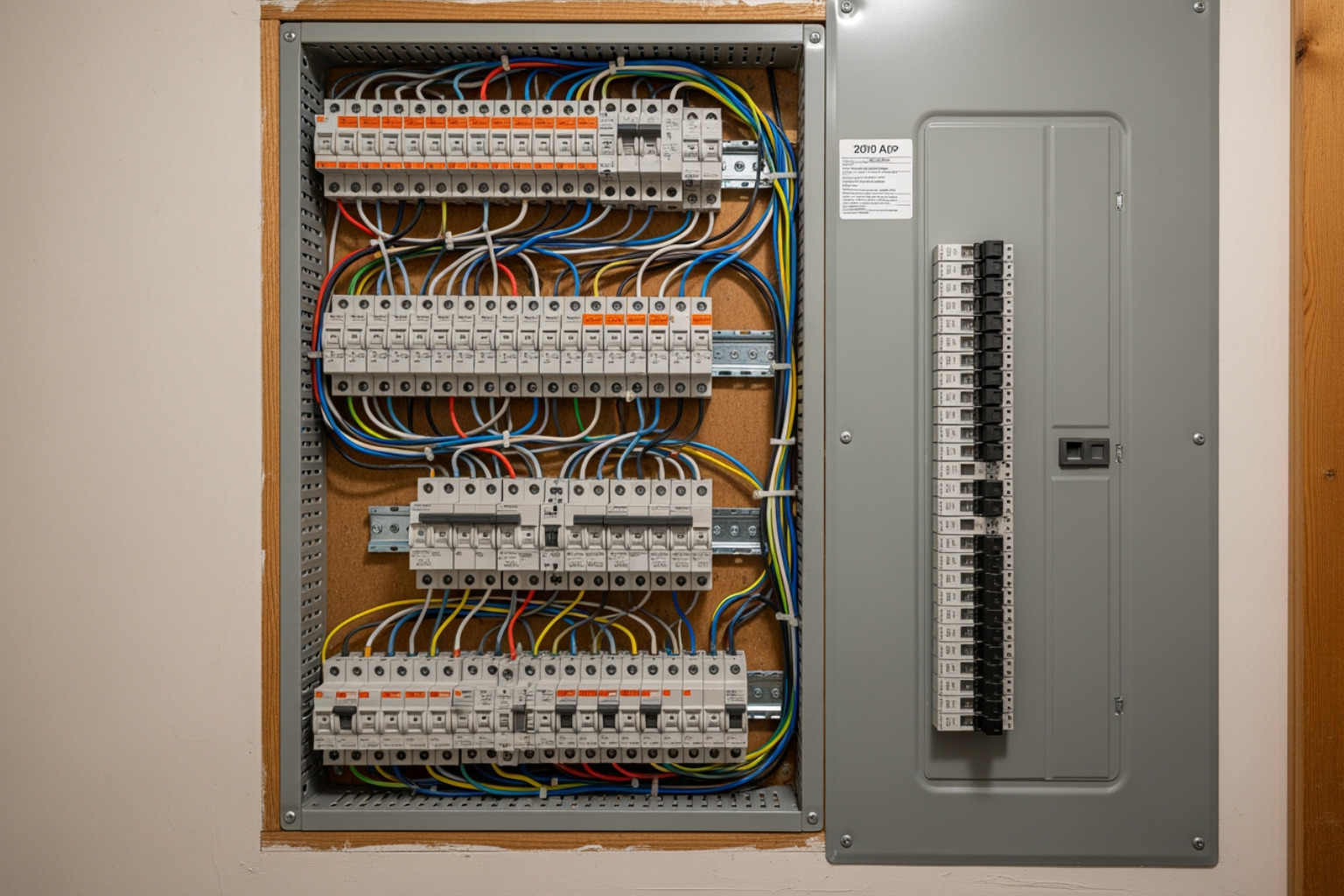
The “Traffic Cop” of Your Household
If the panel is the heart, the circuit breakers are the traffic cops. Their job is to monitor the flow of electricity. If a circuit tries to pull more power than the wires can safely handle, the “traffic cop” steps in and shuts things down. This is what we call a “tripped breaker.”
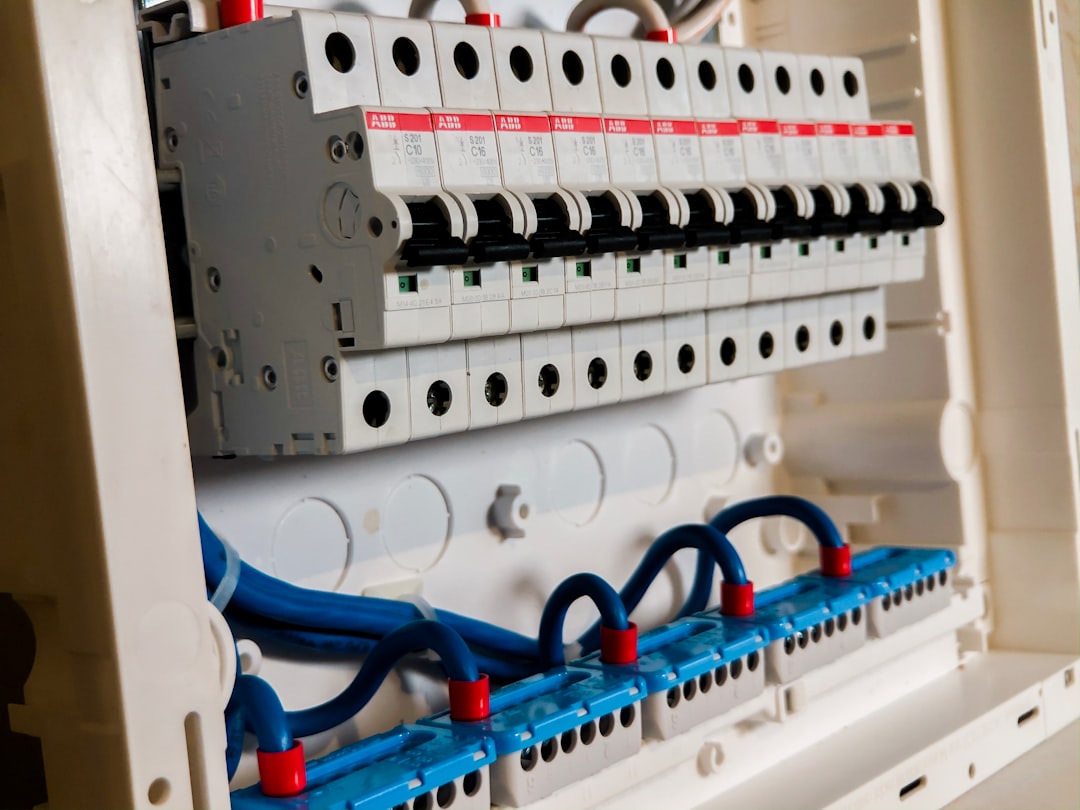
Inside that metal box, you’ll find several key components:
- The Main Breaker: This is the big switch at the top. It controls the total amount of power coming into your home and can shut off everything at once in an emergency.
- Circuit Breakers: These smaller switches control individual areas, like your kitchen outlets or the bedroom lights.
- Bus Bars: These are the metal tracks behind the breakers that carry the heavy electrical load.
- Neutral and Ground Bars: These ensure that any “stray” electricity has a safe path back to the earth, preventing shocks.
Signs You Need an electrical service panel replacement
How do you know if your panel is waving a white flag? Sometimes the signs are obvious, like a “pop” and a dark room. Other times, the warnings are much quieter. If you’re noticing signs your panel is outdated, it’s time to pay attention before a small annoyance becomes a safety hazard.
Common red flags include:
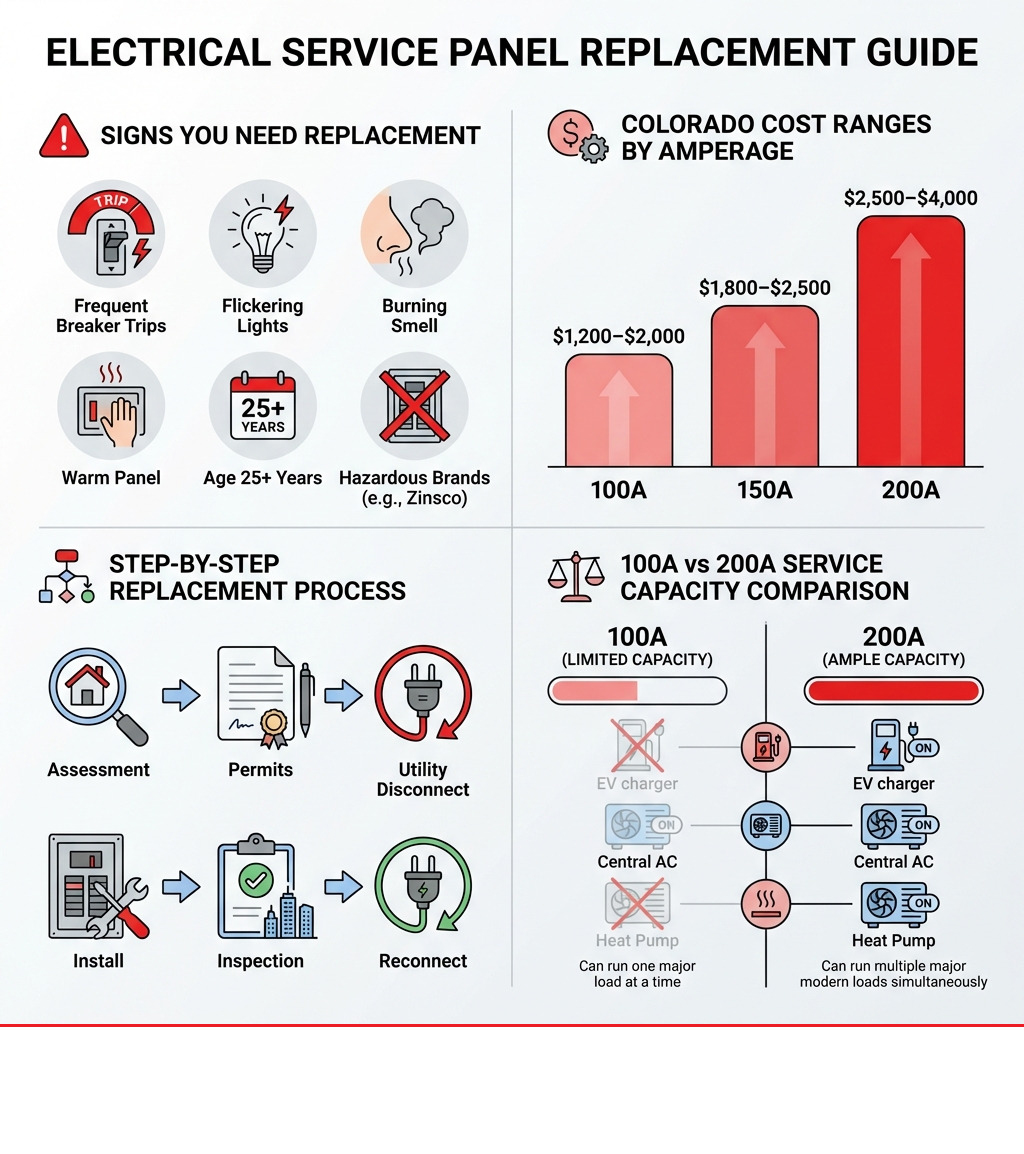
- Frequent Tripping: If you can’t run the microwave and the toaster at the same time without a trip to the basement, your panel is overloaded.
- Flickering Lights: Do your lights dim when the AC kicks on? That’s a sign the system is struggling to distribute power evenly.
- Physical Heat or Smells: If the panel door feels warm to the touch or you smell something like burnt plastic, call an electrician immediately. This often indicates a loose connection or a failing breaker.
- Rust or Corrosion: In Colorado, we don’t have a ton of humidity, but moisture can still find its way into panels located in damp basements or garages. Rust can lead to high resistance and heat.
When to Choose electrical service panel replacement Over Repair
I often get asked, “Randy, can’t we just fix the one breaker that keeps popping?” Sometimes, the answer is yes. If you have a modern panel and one specific breaker has reached the end of its life, a simple swap is fine.
However, we recommend a full electrical service panel replacement when the “bones” of the system are failing. If the bus bars are scorched, the cabinet is rusted, or the panel is a brand known for failures, a repair is just a temporary bandage. Understanding the difference between replacement and repair can save you thousands in the long run by avoiding repeated service calls for an obsolete system.
Hazardous Brands and Aging Systems
In the Denver metro area, we still find homes equipped with Federal Pacific Electric (FPE) or Zinsco panels. If you have one of these, I’ll be blunt: they need to go.
FPE “Stab-Lok” breakers are notorious for failing to trip during an overload. Essentially, the “traffic cop” falls asleep on the job, which can lead to house fires. Zinsco panels often have bus bars that corrode or breakers that melt onto the track. Most insurance companies today will actually refuse to cover a home or renew a policy if they find these brands installed. If you’re unsure what you have, check out our guide on recalled panels and aluminum wiring.
Planning for the Future: Amps, EVs, and Hot Tubs
We are living in an era of “electrification.” More of us are trading gas ranges for induction stoves and gas furnaces for heat pumps. While these are great for efficiency, they put a massive new load on your electrical system.
Sizing your electrical service panel replacement
When we talk about panel size, we’re talking about “amperage.” This is basically the size of the “pipe” bringing electricity into your home.
- 100-Amp Service: This was the standard for decades. It’s usually enough for a small home with gas appliances, but it struggles with modern extras.
- 200-Amp Service: This is the modern standard for most Denver homes. It provides enough “headroom” for central AC, a finished basement, and an EV charger.
- 400-Amp Service: We typically see this in very large luxury homes or properties with multiple high-demand systems like heated driveways and large workshops.
If you currently have a 70-amp panel, you are likely already seeing the limits of your system. Moving to 200 amps is the most common “future-proofing” move we make for our customers.
Powering New High-Demand Loads
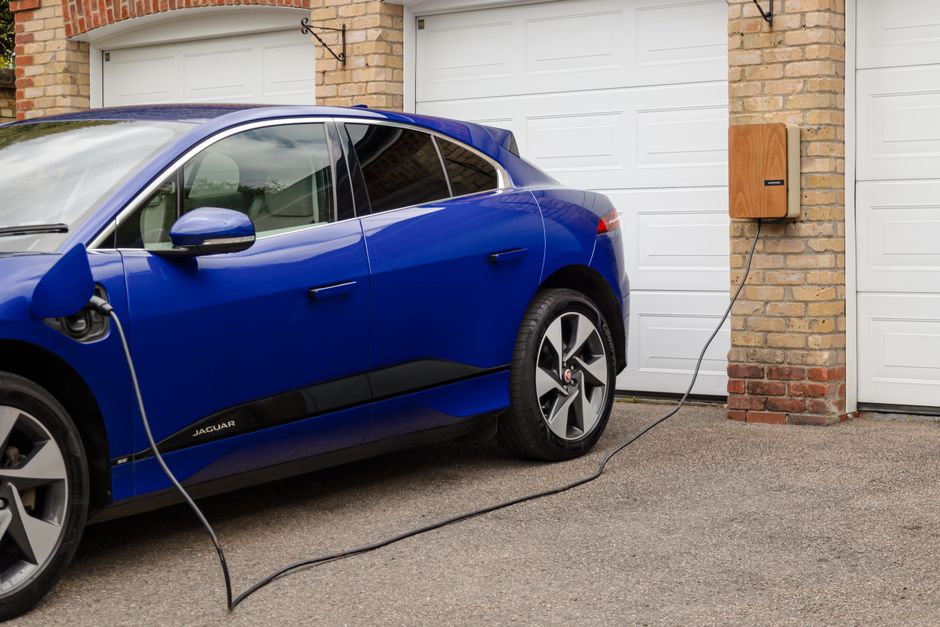
Are you planning to add a hot tub for those chilly Colorado nights? Or maybe you just brought home a new Tesla or Ford F-150 Lightning? These additions change the math for your home’s power needs.
A Level 2 EV charger typically requires a dedicated 40 to 60-amp circuit. A hot tub might need another 50 amps. If you add those to a 100-amp panel that is already running your fridge, lights, and AC, you’re going to have problems. Before you buy that new tub, it’s worth asking: Can my existing panel handle it?
The Step-by-Step electrical service panel replacement Process
Replacing a panel isn’t like swapping a light fixture. It’s a coordinated dance between us, the city or county building department, and the utility company (usually Xcel Energy in our area). You can review this roadmap to your electrical panel upgrade to see how these projects typically flow.
Here is how we handle it at Harmony Electric:
- Initial Assessment: We perform a load calculation to see exactly how much power your home uses and what it will need in the future.
- Permit Application: We pull the necessary permits with the city (Denver, Castle Rock, etc.). This ensures the work is documented and will be inspected for safety.
- Utility Coordination: We schedule a “disconnect/reconnect” with the utility company. They have to physically turn off the power at the street so we can work safely.
- The Swap: We remove the old box, install the new one, and move all your circuits over. This is also when we ensure your home is properly grounded and bonded to modern standards.
- Inspection: A city inspector visits to verify that everything meets the National Electrical Code (NEC).
- Final Power-Up: Once the inspector gives the “green tag,” the utility company restores power.
Professional Installation Standards
During the installation, we don’t just “hook up the wires.” We focus on the details that ensure long-term reliability. This includes properly changing breakers and ensuring that every connection is tightened to the manufacturer’s specific torque settings. Loose connections are a leading cause of electrical fires, so we take this very seriously. We also make sure the panel is clearly labeled, so you’ll never have to guess which breaker controls the “blue bedroom” again.
Inspections and Final Approval
Safety is the bottom line. According to the ESA, safety measures have decreased electrical fires by 6% in recent years. In Colorado, the inspection process is your safeguard. It’s an independent set of eyes confirming that we did our job perfectly. We don’t consider a job finished until that final approval is in your hands.
What Does a Panel Upgrade Cost in Colorado?
I know cost is a big factor for every homeowner. In the Denver Metro Area, most homeowners spend between $1,500 and $4,000 for a full electrical service panel replacement.
Factors That Influence Your Estimate
Why the wide range? Every house is a little different. Here are the things that move the needle on price:
- Amperage: A 200-amp panel costs more in materials and utility fees than a 100-amp replacement.
- Code Requirements: If your home is older, we may need to upgrade your grounding system (adding ground rods) or install AFCI/GFCI breakers to meet current safety codes.
- Panel Location: If the panel needs to be moved because it’s currently in a bathroom or closet (which is no longer allowed by code), the labor cost goes up.
- The Meter Socket: Sometimes the “can” that holds your electric meter outside is old or damaged and needs to be replaced along with the panel.
For a comprehensive look at panel upgrades, we always provide a clear, written estimate so there are no surprises.
Frequently Asked Questions about Panel Upgrades
How long does a panel replacement take?
For most standard homes, we can complete the physical swap in 8 to 10 hours. You will be without power during this time, so we recommend planning to be out of the house or having a “cooler strategy” for your fridge.
Can I add an EV charger without a full upgrade?
Sometimes! If your panel has physical space and enough “amperage headroom,” we can add a subpanel or a dedicated circuit. However, if your main panel is already maxed out, a full upgrade is the only safe way to go.
Does a new panel increase my home’s value?
Absolutely. While it’s not as “pretty” as a new kitchen, a 200-amp modern panel is a huge selling point. It tells buyers the home is safe, up to code, and ready for modern appliances. It also makes the home inspection process much smoother when you go to sell.
Getting the Job Done Right in Denver
At Harmony Electric, we’ve seen it all—from 1920s bungalows in Denver with original wiring to new construction in Castle Rock. My goal as a Master Electrician is to make sure your home is safe and your electrical system is invisible—meaning it just works, every time you flip a switch.
We don’t believe in upselling you on things you don’t need. If a repair is safe and makes sense, we’ll tell you. If a full electrical service panel replacement is the only way to protect your family, we’ll explain why.
Our work is backed by a lifetime workmanship guarantee on select installations, because we believe in doing it right the first time. Whether you’re in Centennial, Highlands Ranch, or Parker, we’re here to help you power your life safely.
Schedule your electrical panel upgrade in Castle Rock and Denver today, and let’s make sure your home’s “heart” is ready for the future.