Why That 70 Amp Panel in Your Basement Matters
A 70 amp electrical panel is an older type of electrical service that was common in homes built before the 1980s. If you’re evaluating whether yours is still safe and sufficient, here’s what you need to know:
Quick Answer: Is a 70 Amp Panel Enough?
- For most modern homes: No—70 amps is usually undersized
- May work for: Small cabins, garages, workshops, or as a subpanel
- Common issues: Frequent breaker trips, flickering lights, can’t support EV chargers or large appliances
- Typical upgrade cost: $1,500–$4,000+ for a 200 amp replacement
- Bottom line: Most Denver-area homes need at least 100–200 amps today
I’ve been doing electrical work in the Denver metro area for years, and I see a lot of older homes with 70 amp panels. They were perfectly fine when they were installed—homes just didn’t use as much electricity back then. No central air. No electric vehicle chargers. No smart home devices running 24/7.
Today, though, most of us are asking a lot more from our electrical systems. If you’ve got a 70 amp panel, you might be wondering if it’s time to upgrade—or if it’s still doing the job safely.
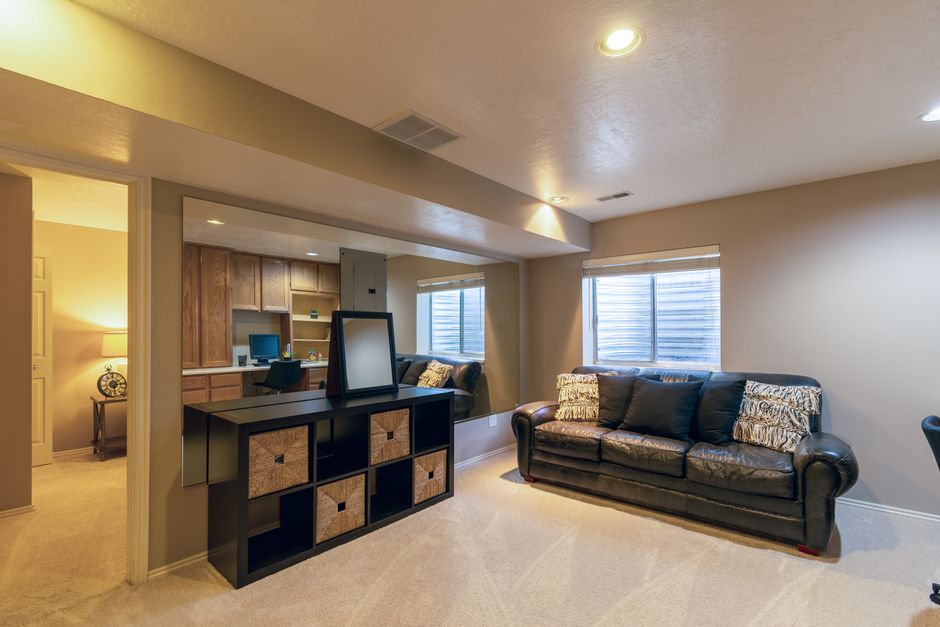
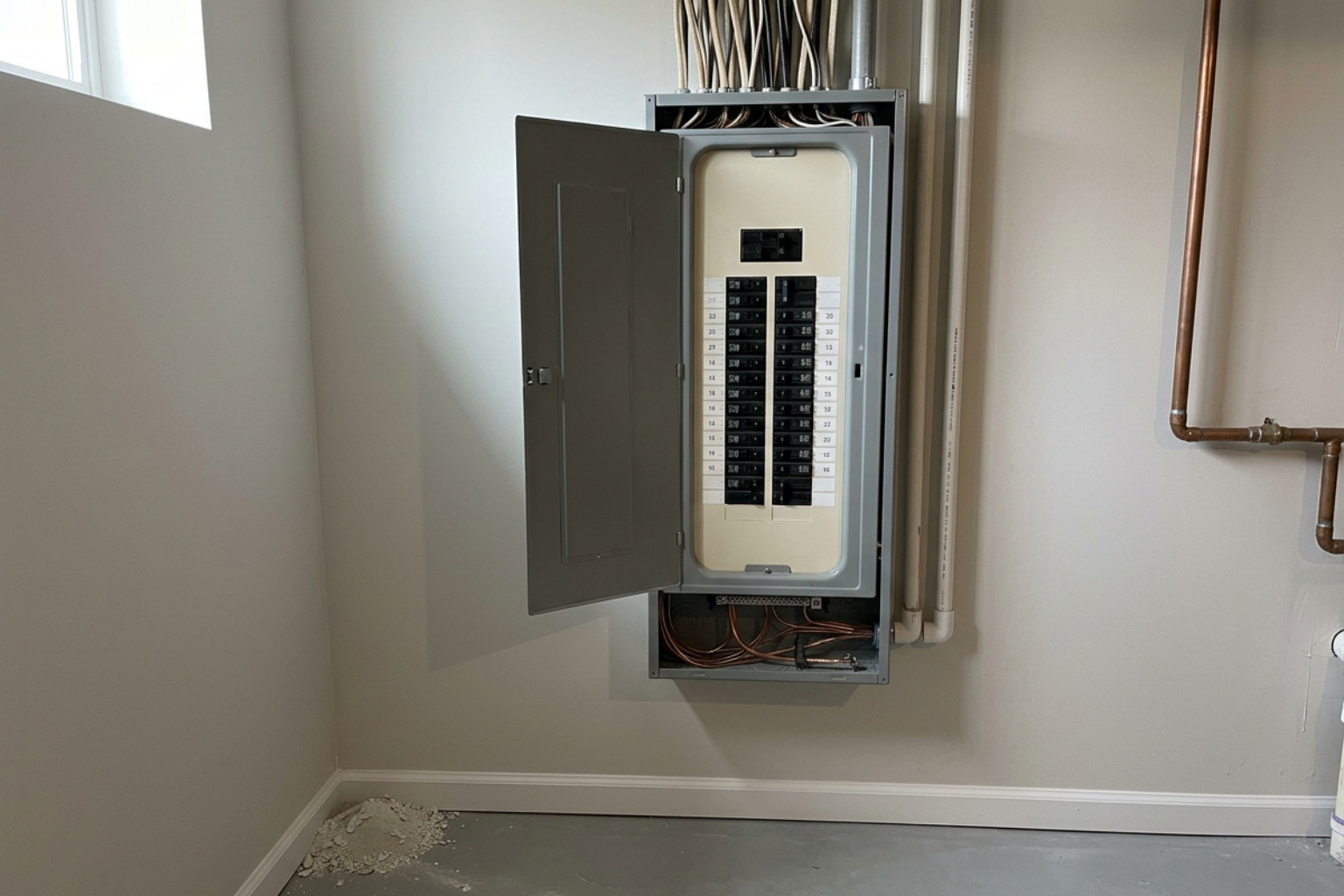
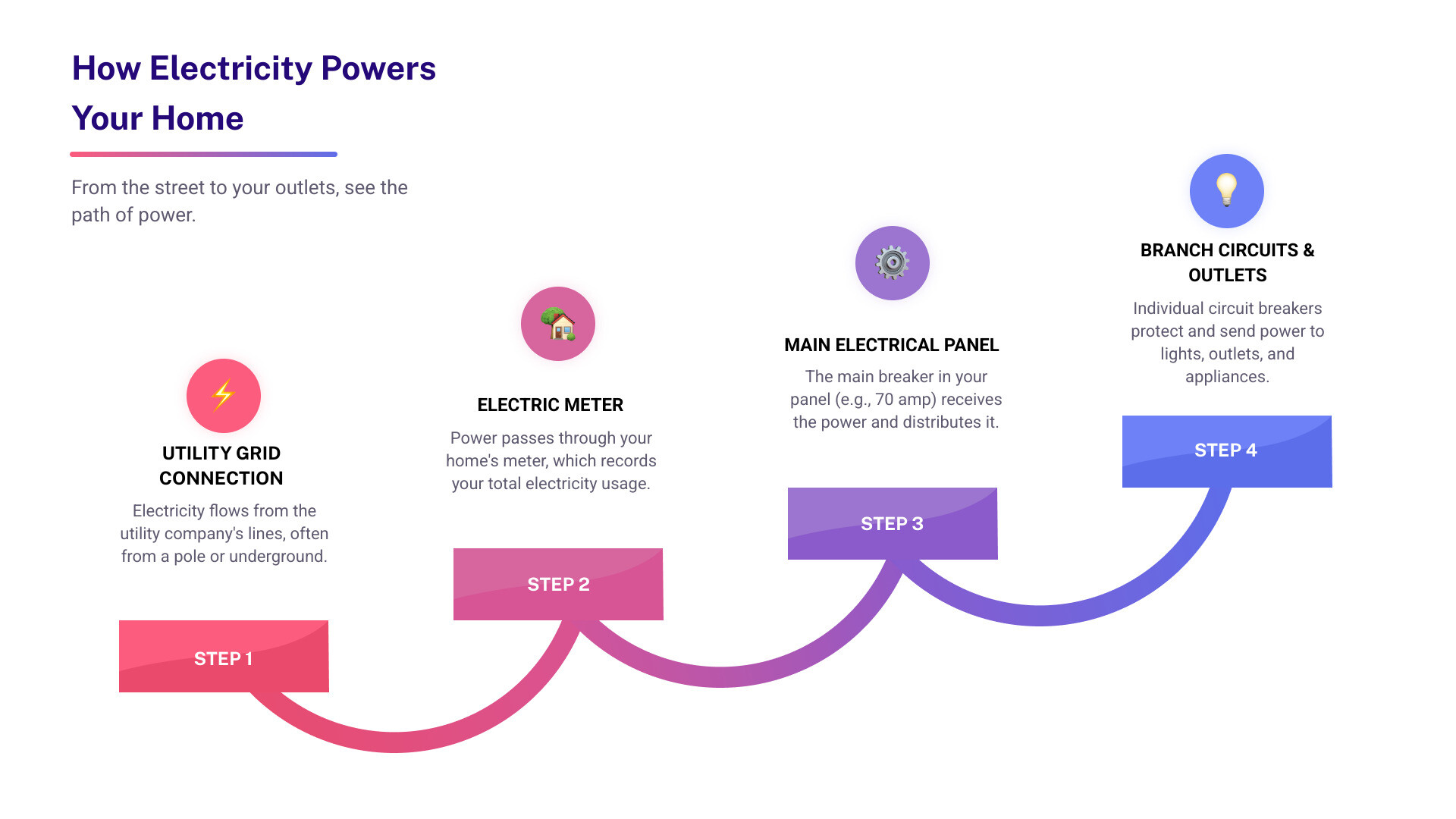
That gray metal box hanging on your basement wall is your home’s electrical hub. It takes power from the utility company and splits it up into smaller circuits that run to your outlets, lights, and appliances. The “70 amp” part tells you the maximum amount of electrical current your panel can handle at one time.
Think of it like a water pipe. A 70 amp panel is like a narrower pipe—it can handle a certain flow, but if you try to push too much through it, things start to back up. Breakers trip. Lights flicker. And in the worst cases, wires overheat.
Most homes built in the last 30 years come with at least 100 amps, and 200 amps is pretty much the standard now. But if your house was built in the ’60s or ’70s, there’s a good chance you’re still running on that original 70 amp service.
What Is a 70 Amp Electrical Panel, and Where Do You Find One?
Back in the day, a 70 amp electrical panel was considered perfectly adequate. Homes were simpler. We didn’t have as many gadgets, large appliances, or sophisticated heating and cooling systems. So, a 70 amp service could easily handle the electrical needs of a typical household.
Today, you’ll still find these panels in a lot of older homes throughout Denver and the surrounding communities like Castle Rock or Highlands Ranch. They’re common in smaller, older houses, apartments, or even cabins that haven’t had their electrical systems updated. The key thing to remember is that while they were once standard, they’re not really designed for the electrical demands of modern living.
Most new homes, and even many older ones that have been updated, now use much larger panels—typically 200 amps or more. This isn’t just about being “bigger”; it’s about being able to safely power all the things we rely on every single day. If you’re seeing signs that your electrical system might be struggling, it could be a sign your panel is outdated. We talk more about these signs in our guide: Signs Your Electrical Panel Is Outdated.
70 Amp Panels as Subpanels
While a 70 amp electrical panel is rarely suitable as the main service for an entire home these days, it does still have a valuable role to play as a subpanel. A subpanel is like a smaller, secondary electrical panel that branches off your main service to power a specific area.
For example, if you have a detached garage, a workshop, or a shed where you want to run power tools, lights, or even a freezer, a 70 amp subpanel can be a great solution. We’ve often installed 70 amp subpanels for garages in Castle Rock or Parker that need to power things like a pool pump, a compressor, and a freezer. It provides dedicated power to that specific area without overloading your main panel.
When we’re talking about a subpanel, a 70 amp capacity is usually plenty for these concentrated loads. It’s a smart way to expand your electrical capabilities without having to upgrade your entire home’s main service if it’s already sufficient.
What’s Inside a 70 Amp Panel?
Whether it’s a main panel or a subpanel, the basic components inside a 70 amp electrical panel are pretty much the same as any other breaker box, just on a smaller scale. Here’s a quick look:
- Main Breaker: This is the big switch at the top that controls all the power coming into the panel. For a 70 amp panel, this breaker will be rated at 70 amps. It’s your primary shut-off for your whole system (or sub-system, if it’s a subpanel).
- Circuit Breakers: These are the smaller switches lined up inside. Each one protects a specific circuit in your home—like the lights in your living room, the outlets in your kitchen, or a dedicated circuit for a particular appliance. They’re designed to “trip” (turn off) if a circuit gets overloaded or has a short circuit, preventing damage and potential fires.
- The Metal Box Itself: This enclosure houses all the wiring and breakers, protecting them from physical damage and keeping curious hands away from live electrical components.
- Grounding and Neutral Bars: Inside the panel, you’ll find metal bars where all the neutral (white) wires and ground (bare copper or green) wires connect. These connections are crucial for safety, ensuring that electricity flows properly and that fault currents are safely directed away from your home and family.
Think of it as a miniature command center for your electricity. Every component plays a vital role in distributing power safely and efficiently.
Is 70 Amps Enough for Your Home?
This is the million-dollar question for many homeowners in older Denver neighborhoods! What I usually see in homes with 70 amp electrical panels is a struggle to keep up with today’s electrical demands. While it might have been plenty decades ago, our modern lifestyles gobble up a lot more electricity.
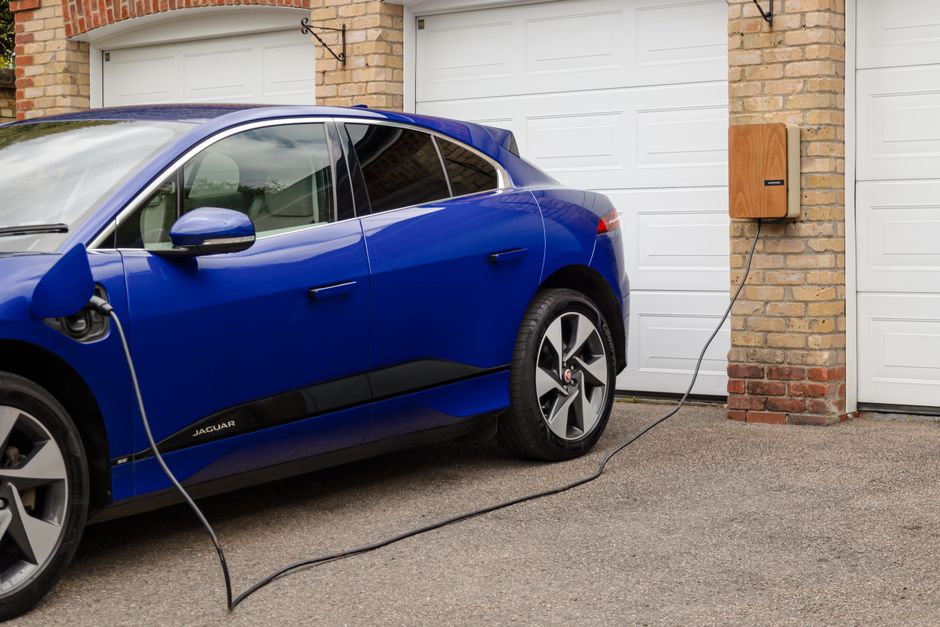
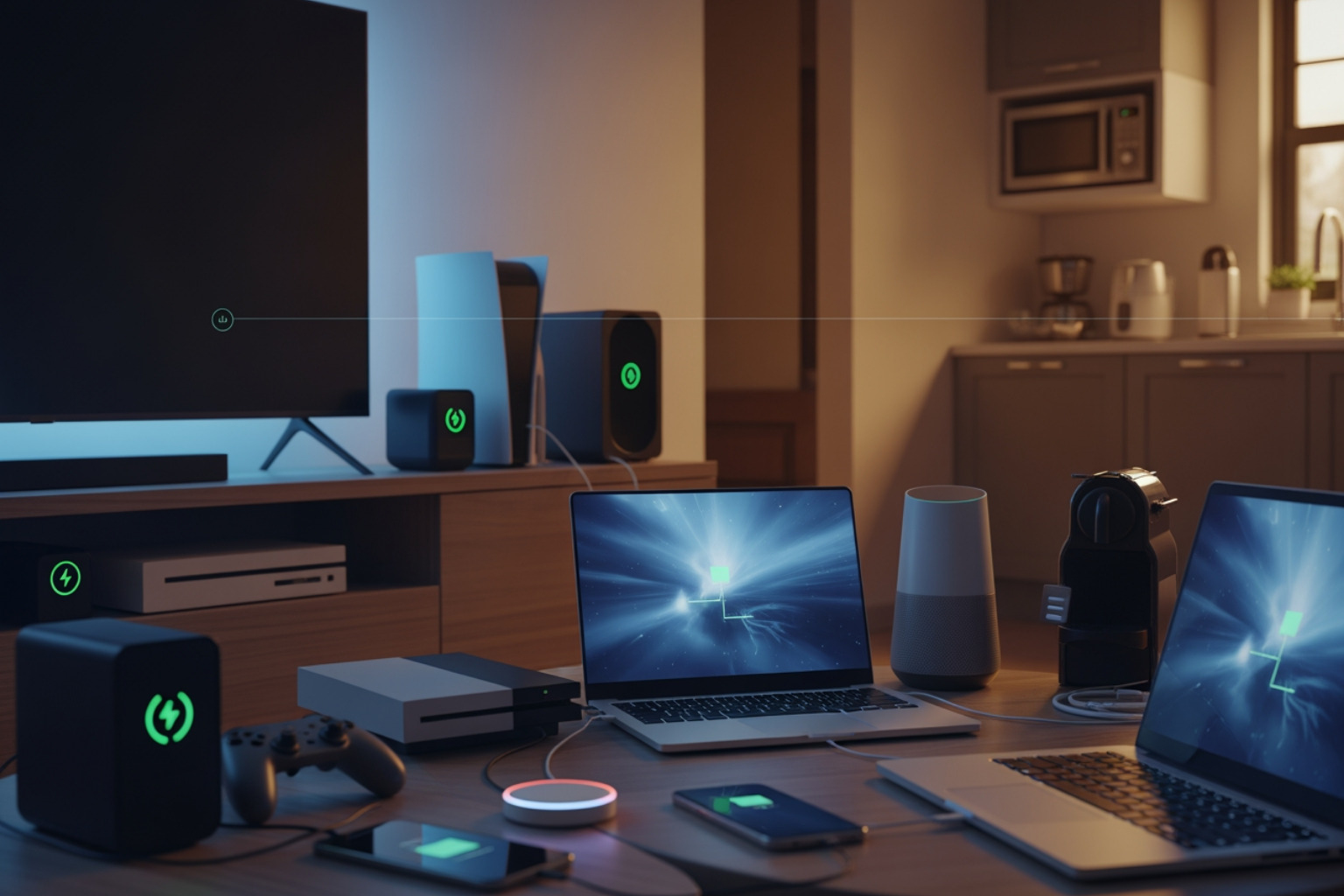
If you’re wondering if your panel can keep up, start by thinking about your daily routine. Do you have an electric vehicle charger? A hot tub? Central air conditioning? An electric range? These are all major electrical loads that can quickly push an older 70 amp panel to its limits. Many of these modern appliances require dedicated 240-volt circuits, and a 70 amp panel often doesn’t have the capacity or the available spaces for these.
Here are some common warning signs that your 70 amp electrical panel might be overloaded or simply can’t handle your lifestyle:
- Lights dimming or flickering: Especially when a large appliance, like a refrigerator or air conditioner, kicks on. It’s like your electrical system is taking a deep breath and struggling to keep everything going.
- Breakers tripping often: If you’re constantly heading to the basement to reset a breaker, it’s a clear sign your circuits are being overloaded. It’s not just annoying; it means your panel is working overtime.
- Outlets that feel warm: This is a red flag! Warm outlets or switch plates can indicate an overloaded circuit and a potential fire hazard. If you ever feel this, it’s time to call us right away.
- Burning smells: Any strange odors coming from your panel or outlets should be investigated immediately. This is a serious safety concern.
If you’re experiencing any of these, it’s not just an inconvenience—it’s a sign that your electrical system might be under stress, and it’s worth getting a professional opinion.
How to Calculate Your Home’s Electrical Load
When we assess whether a 70 amp electrical panel is sufficient, we’re essentially doing a load calculation. It sounds complicated, but it’s really about adding up all the electricity your home needs.
A simple way to get a rough idea is to list all your major appliances and anything that draws a significant amount of power. Think about things like:
- Electric range/oven
- Electric clothes dryer
- Central air conditioning unit
- Electric water heater
- Dishwasher
- Microwave
- Refrigerator
- Freezer
- Computers and home office equipment
- TVs and entertainment systems
- And, of course, any planned additions like an EV charger or a hot tub.
We consider the difference between things that run all the time (like your fridge) and things that only run occasionally (like your vacuum cleaner). The National Electrical Code (NEC) has specific guidelines for these calculations, and we use those to determine your actual demand.
Why is this important? Because it helps us plan for the future. You might be fine today, but if you’re thinking about adding solar panels, finishing your basement, or getting an EV, you’ll want to make sure your electrical system can handle those new demands safely. A good load calculation helps you avoid surprises down the road. You can find online electrical load calculators to get a preliminary estimate, but for a truly accurate assessment, it’s best to have a professional do the math.
How 70 Amps Compares to Other Panel Sizes
Understanding how a 70 amp electrical panel stacks up against other common sizes really highlights why upgrades are so common in the Denver area. It’s not just about bigger being better; it’s about meeting the demands of our modern world.
Here’s a quick comparison of common residential panel sizes:
| Panel Size (Amps) | Typical Uses | Estimated Watts Handled | Ballpark Upgrade Cost (Denver Area) |
|---|---|---|---|
| 70 Amp | Very small, older homes; small cabins; subpanels | ~16,800 Watts | (Upgrade needed) |
| 100 Amp | Minimum for many older, smaller homes now | ~24,000 Watts | $1,200 – $2,000 |
| 150 Amp | Medium-sized homes; modern usage with some large appliances | ~36,000 Watts | $1,800 – $2,500 |
| 200 Amp | Standard for most new homes; large homes with many appliances/EVs | ~48,000 Watts | $2,500 – $4,000 |
| 400 Amp | Very large homes; extensive electrical needs (multiple HVAC, hot tubs, EV chargers) | ~96,000 Watts | $4,000+ |
Note: Wattage calculations assume 240 volts. Upgrade costs are estimates and can vary based on specific home conditions and labor.
As you can see, a 70 amp panel really pales in comparison. While 100 amps used to be the standard for smaller homes, it’s now often considered the bare minimum, and even then, it might struggle with modern appliances and additional circuits. For most new homes, or for larger homes with lots of electric gadgets, 200 amps is really the new normal. It provides enough capacity for central air, an electric range, a hot tub, and even an EV charger, giving you plenty of room to grow.
Safety and Installation: What to Watch For With a 70 Amp Panel
When it comes to electricity, safety is always our top priority. An older 70 amp electrical panel can pose several risks that homeowners should be aware of. Over the years, components can wear out, and what was once perfectly safe might become a hazard.
Here’s what we often look for during an inspection of an older panel:
- Outdated Breakers: Circuit breakers, like any mechanical device, have a lifespan. Older breakers can become less reliable, failing to trip when they should, which can lead to overloaded circuits and overheating wires.
- Rust and Corrosion: Especially in damp basements or garages, rust can build up inside the panel. This can damage electrical connections, leading to poor conductivity, arcing, and fire hazards.
- Brands with Known Problems: Some older panel brands, like Federal Pacific Electric (FPE) and Zinsco, have well-documented design flaws that make them prone to failure and fire. If you have one of these, an upgrade isn’t just a convenience—it’s a critical safety measure. We’ve got more details on this in our article: Electrical Panel Recall: FPE, Zinsco, Aluminum.
- Overloaded Circuits: As we discussed, a 70 amp panel simply wasn’t designed for today’s electrical loads. Trying to draw too much power through an undersized system can cause wires to overheat, potentially leading to electrical fires.
When I inspect a panel, I’m looking for signs of wear, damage, or anything that doesn’t meet current safety standards. It’s about making sure your home’s electrical heart is strong and healthy.

Code Compliance and Professional Installation
Electricity is powerful, and it demands respect. That’s why the National Electrical Code (NEC) exists—to set standards for safe electrical installations. If you have a 70 amp electrical panel that’s showing its age, ensuring it meets current NEC standards is crucial. What It Means for Your Panel to Meet NEC Standards provides more context on these vital guidelines.
Proper grounding is a big part of that. It’s what protects you and your family from electrical shocks and ensures that your system operates safely. We also need to ensure there are safe clearances around the panel so it can be accessed and worked on without danger.
Here in Denver and our surrounding communities, permits are required for any major electrical work, including panel upgrades. This isn’t just red tape; it ensures that a qualified inspector checks the work to make sure it’s up to code and safe for your home.
This brings me to a really important point: I never recommend DIY panel work. Working with high-voltage electricity is incredibly dangerous. One wrong connection can lead to serious injury, fire, or even death. A licensed electrician, like our team at Harmony Electric, has the training, experience, and tools to do the job safely and correctly, adhering to all local codes and regulations. It’s about protecting your home and your loved ones.
Upgrading From a 70 Amp Service
So, you’ve got a 70 amp electrical panel, and you’re seeing some of those warning signs, or maybe you’re just planning for the future. When is it really time to upgrade?
From my experience working with homeowners across Denver, Castle Rock, and Highlands Ranch, there are a few clear indicators:
- Remodeling or adding on: If you’re building an addition, finishing a basement, or doing a major kitchen remodel, you’ll almost certainly need more power.
- Adding big appliances: Thinking about an EV charger, a hot tub, a new central AC unit, or an electric tankless water heater? These often require more capacity than a 70 amp panel can provide.
- Insurance requirements: Sometimes, your home insurance provider might require an upgrade, especially if your panel is very old or a known problematic brand.
- Selling your home: An outdated electrical panel can be a major red flag during a home inspection and can deter potential buyers or lead to significant negotiation points. A modern panel adds value and peace of mind.
Upgrading from a 70 amp service isn’t just about getting more power; it’s about peace of mind. A new, properly sized panel can dramatically increase the safety of your home, ensure your appliances run efficiently, and future-proof your electrical system for years to come. It’s an investment that pays off in safety, convenience, and home value. You can learn more about this in our guide: Understanding Electrical Panel Upgrades: When and Why You Need One.
What Happens During a Panel Upgrade?
When you decide to upgrade your 70 amp electrical panel, it’s a significant project, but one our team at Harmony Electric handles smoothly and professionally. Here’s a general idea of what you can expect:
- First, a walkthrough and honest assessment: We’ll start with a visit to your home in Denver, Centennial, or Parker. I’ll take a look at your current panel, discuss your electrical needs (current and future), and assess your home’s overall electrical system. Our goal is to give you honest recommendations, not upsell you on something you don’t need.
- Picking the right size for your needs: Based on the assessment, we’ll help you choose the right panel size. Most often, this means upgrading to 150 or 200 amps to ensure you have plenty of capacity.
- Pulling permits: We handle all the necessary permits with your local jurisdiction. This ensures the work is inspected and meets all safety and code requirements.
- Installation day (yes, the power will be off for a bit): This is where the magic happens! We’ll schedule a time that works best for you. Your power will need to be shut off during the installation, usually for several hours. We work efficiently to minimize disruption. We’ll carefully remove the old 70 amp panel, install the new, larger panel, and carefully connect all the circuits. For select installations, like EV chargers or hot tubs, we even offer a lifetime workmanship guarantee and a three-year material warranty.
- Final inspection to make sure everything’s safe: Once the installation is complete, the city or county inspector will come out to verify that all work was done correctly and to code. This is the final stamp of approval that your new panel is safe and ready to serve your home for decades.
We pride ourselves on clear communication and clean, high-quality work. We respect your property and make sure the job is done right the first time.
Common Questions About 70 Amp Panels
Homeowners in older communities often have a lot of questions about their 70 amp electrical panel. Here are some of the most common ones I hear:
Can a 70 amp panel run a whole house?
It really depends on the “whole house” we’re talking about. For a tiny house, a small cabin with minimal appliances, or as a subpanel for a specific area like a garage or workshop, a 70 amp panel might still be fine. However, for most modern family homes in Denver with multiple large appliances, central air conditioning, and a host of electronics, a 70 amp panel is almost always undersized. You’d likely experience frequent breaker trips and other signs of an overloaded system.
How much does it cost to upgrade from a 70 amp panel?
The cost to upgrade from a 70 amp electrical panel can vary quite a bit depending on several factors, including the new panel size, the complexity of the installation, and any necessary rewiring. In the Denver metro area, you can generally expect to pay somewhere between $1,500 and $4,000+ for a complete upgrade to a 200 amp panel. This usually includes the new panel, breakers, labor, and permit fees. Sometimes, if there’s extensive old wiring that needs to be replaced or if the meter needs to be moved, the cost can go higher. We always provide a clear, honest estimate upfront.
Where can I find 70 amp breakers and panels?
While a 70 amp electrical panel isn’t commonly installed as a main service today, you can still find 70 amp circuit breakers and sometimes even small main lug load centers (which are like panels without a main breaker, often used as subpanels) at electrical supply stores or even places like The Home Depot. They’re still manufactured, primarily for replacing old breakers in existing 70 amp panels or for use in subpanel applications where that capacity is sufficient. However, if you’re looking for a whole new main electrical panel for your home, you’ll almost certainly be looking at 100 amps or more.
Should You Get an Expert Opinion?
By now, you probably have a better understanding of what a 70 amp electrical panel is, its typical applications, and its limitations in today’s electrically demanding world. While it might have served its purpose well for decades, the reality is that most older 70 amp services in Denver homes are simply not up to the task anymore.
If you’re noticing flickering lights, frequently tripping breakers, or planning any significant electrical additions to your home, a professional assessment is definitely worth it. Especially in older Denver homes, an expert eye can spot potential hazards and give you a clear picture of your electrical system’s true capacity and safety.
At Harmony Electric, we’re all about providing clear communication and honest recommendations. We won’t oversell you on a massive upgrade if a smaller adjustment will do, but we’ll always prioritize your safety and the long-term reliability of your home’s electrical system. If you’re in Castle Rock, Castle Pines, Highlands Ranch, or anywhere in the Denver metro area, and you’re wondering if your 70 amp electrical panel is still serving you well, don’t hesitate to reach out. We can help you make the right call for safety and reliability.
Schedule an Electrical Panel Upgrade Assessment in Castle Rock