Why Old Fuse Boxes Don’t Keep Up With Today’s Homes
Changing a fuse box to a breaker box is one of the most important electrical upgrades you can make to your home. Here’s what you need to know right away:
Quick Answer: Key Facts About Fuse Box to Breaker Box Upgrades
| What You’re Wondering | The Answer |
|---|---|
| Can I do it myself? | No. This requires a licensed electrician, permits, and inspection. It’s dangerous to attempt on your own. |
| How long does it take? | Most jobs take 6–8 hours, sometimes 1–2 business days for complex setups. |
| What does it cost? | Typically $1,400–$4,000, depending on panel size and your home’s wiring. |
| Why upgrade now? | Safety, insurance requirements, and powering modern appliances and devices. |
| Will I need new wiring? | Not always—if your existing wiring is safe and meets code, it can usually be reused. |
Fuse boxes were designed for a different time. Back then, a fridge and a few lights were about all you needed. These days, most homes have computers, big TVs, kitchen gadgets, and sometimes even an EV charger or hot tub.
I’m Randy Harmuth, owner of Harmony Electric here in the Denver area. I’ve worked on hundreds of panel upgrades over the years, and what I usually see is this: homeowners don’t realize their fuse box is struggling until something goes wrong. Maybe you’re blowing fuses every week. Maybe your lights dim when the AC kicks on. Or maybe your insurance company sent you a letter saying they won’t renew your policy until you upgrade.
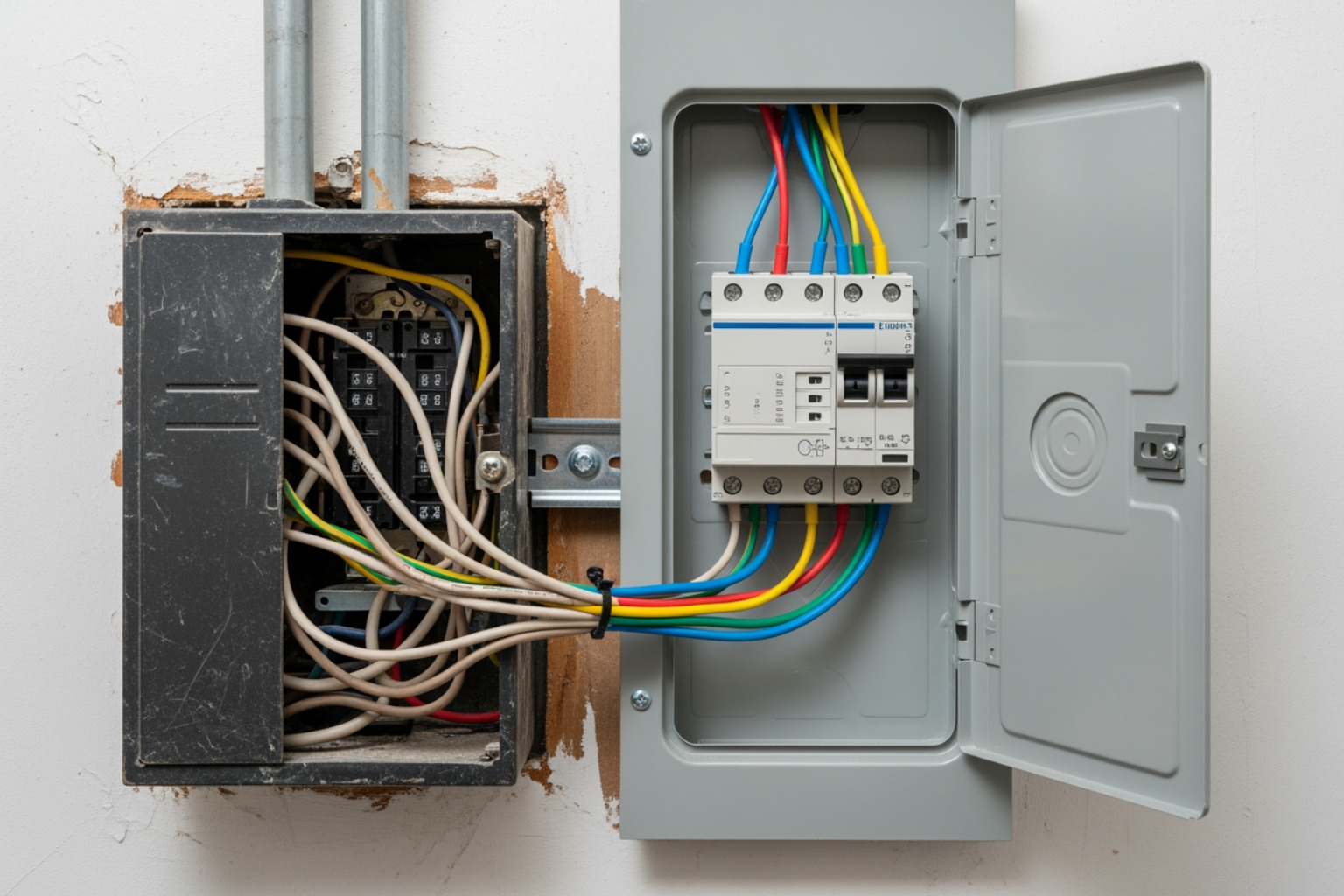
Upgrading isn’t just about convenience—it’s about safety and keeping up with how we live now. Old fuse boxes weren’t built to handle the electrical load of modern homes. They also lack the safety features that today’s code requires, like arc-fault and ground-fault protection.
In this guide, I’ll walk you through everything you need to know about changing from a fuse box to a breaker panel—why it matters, what the process looks like, and what you can expect in terms of time and cost.
When we talk about upgrading your electrical system, we’re really talking about bringing your home’s power into the 21st century. Think about it: a home built in the 1950s or ’60s might have an electrical system that was perfectly adequate for the appliances of that era. But now, with our smart homes, multiple screens, and high-demand kitchen equipment, that old system is likely struggling to keep up.
This isn’t just about avoiding tripped circuits; it’s about protecting your home and family. An outdated electrical panel can be a serious fire hazard and might even make it harder to get home insurance. That’s why upgrading isn’t just a good idea—it’s often a necessary one for safety and peace of mind.
Let’s take a look at how fuse boxes and circuit breaker panels stack up against each other:
| Feature | Fuse Box | Circuit Breaker Panel |
|---|---|---|
| How you reset after a problem | Replace a blown fuse with a new one | Flip a tripped breaker back on |
| Built-in safety features | Basic overload protection | Advanced overload, short-circuit, arc-fault (AFCI), and ground-fault (GFCI) protection |
| How much power they can handle | Limited, often 60 amps or less; struggles with modern electrical loads | Higher capacity, typically 100-200 amps; designed for today’s power demands |
| How insurance companies see them | Often considered outdated, may lead to higher premiums or denied coverage | Generally preferred, meets modern safety standards |
| Room to add more circuits in the future | Very limited or none | Ample space for adding circuits for new appliances or future expansion |
Fuse Boxes vs. Breaker Panels: What’s the Real Difference?
At their core, both fuse boxes and breaker panels do the same job: they protect your home’s electrical system from overloads and short circuits. They’re the gatekeepers of your electricity. But they go about it in very different ways.
Fuses: One-time use, metal filament melts when overloaded
Imagine a tiny speed bump in your electrical line. That’s essentially what a fuse is. Inside each fuse, there’s a thin metal filament. If too much electricity tries to flow through it—say, because you’ve plugged in too many things on one circuit—that filament heats up and melts. This breaks the circuit, stopping the flow of electricity and preventing damage or fire. The catch? Once it melts, you have to replace the fuse entirely. It’s a one-and-done deal.
Breakers: Switch that trips off and can be turned back on
Circuit breakers are like smart, reusable switches. When they detect an overload or a short circuit, they don’t melt; they “trip.” This means a switch inside the breaker automatically flips to the “off” position, cutting power to that circuit. To restore power, you simply flip the switch back on. It’s much more convenient than constantly replacing fuses.
Both protect against too much electricity, but in different ways. While a fuse does a good job of cutting power, it doesn’t offer the same level of sophisticated protection against different types of electrical faults as modern circuit breakers do.
If you’re still relying on a fuse box, it’s a pretty strong indicator that your home’s electrical panel is outdated. We see this often in older homes around Denver. You can find more information about common indicators on our page about Signs Your Electrical Panel is Outdated.
Power limits: Many older homes have 60-amp service, which isn’t enough for today’s needs
One of the biggest limitations of fuse boxes is their capacity. Many older homes were built with a 60-amp electrical service. That was fine when homes had fewer outlets and appliances. But today, with electric ranges, powerful microwaves, air conditioning, computers, and all our charging devices, a 60-amp service simply can’t handle the demand. It’s like trying to run a marathon with a pair of flip-flops—it just wasn’t designed for it. A modern home typically needs at least a 100-amp service, with 200 amps being the standard for new construction and many upgrades in the Denver area.
The Hidden Risks of an Outdated Fuse Box
It’s easy to overlook your electrical panel because it’s usually tucked away in a basement or utility closet. But ignoring an old fuse box can lead to some serious problems that we regularly help homeowners in Castle Rock, Highlands Ranch, and across the Denver Metro Area address.
Fire risk: Fuses can be replaced with the wrong size, which is a common but dangerous “fix”
This is one of the biggest dangers we see with fuse boxes. When a fuse blows, it’s doing its job—telling you there’s an overload. But sometimes, homeowners, trying to avoid the hassle of replacement or thinking they can “fix” a frequently blowing fuse, might insert a fuse with a higher amperage rating than the circuit can safely handle. This is extremely dangerous! It essentially bypasses the safety mechanism, allowing too much current to flow, which can overheat the wiring in your walls and easily result in a house fire. We’ve seen situations where a small mistake like mismatching fuse size with a connector can have dire consequences. For general electrical safety, it’s always wise to follow proper fuse box safety guidelines.
Brittle or worn wiring: Age can make wires and connections less reliable
Fuse boxes are typically found in homes built decades ago, often before the 1970s. The wiring in these older homes might be brittle, have degraded insulation, or feature connections that have loosened over time. This wear and tear can create resistance, generate heat, and increase the risk of electrical faults.
Melted or scorched parts: A sign things are overheating
If you open your fuse box and see any discoloration, scorch marks, or melted plastic around the fuses or wiring, that’s a huge red flag. It indicates that components have been overheating, which means your system is under severe stress and could be a fire hazard waiting to happen.
Missing modern safety features: No GFCI (shock protection) or AFCI (arc-fault protection)
Modern electrical codes require advanced safety devices that old fuse boxes simply can’t accommodate.
- GFCI (Ground-Fault Circuit Interrupter) breakers: These are designed to protect against electric shock by quickly shutting off power if they detect a ground fault (e.g., if an appliance falls into water). Fuse boxes are not compatible with ground-fault circuit interrupter (GFCI) breaker technology.
- AFCI (Arc-Fault Circuit Interrupter) breakers: These protect against fires caused by arc faults—small, unintended electrical discharges that can occur in damaged wiring or loose connections. These are now required for many circuits, especially in bedrooms, and fuse boxes offer no such protection.
Electrical Panel Recall: FPE & Zinsco Aluminum
Some older panels, like those manufactured by Federal Pacific Electric (FPE) and Zinsco, are known to have significant safety defects and have been subject to recalls or widespread safety warnings. If your home has one of these, an upgrade isn’t just recommended—it’s critical. These panels often fail to trip when they should, leading to a much higher risk of fire.
Is Your Fuse Box Sending You a Message? Signs It’s Time for an Upgrade
Your electrical system will usually give you a few hints when it’s having trouble. Ignoring them can lead to bigger headaches down the road. Here are some of the most common signs I see in Denver-area homes that mean it’s time to think about a panel upgrade.
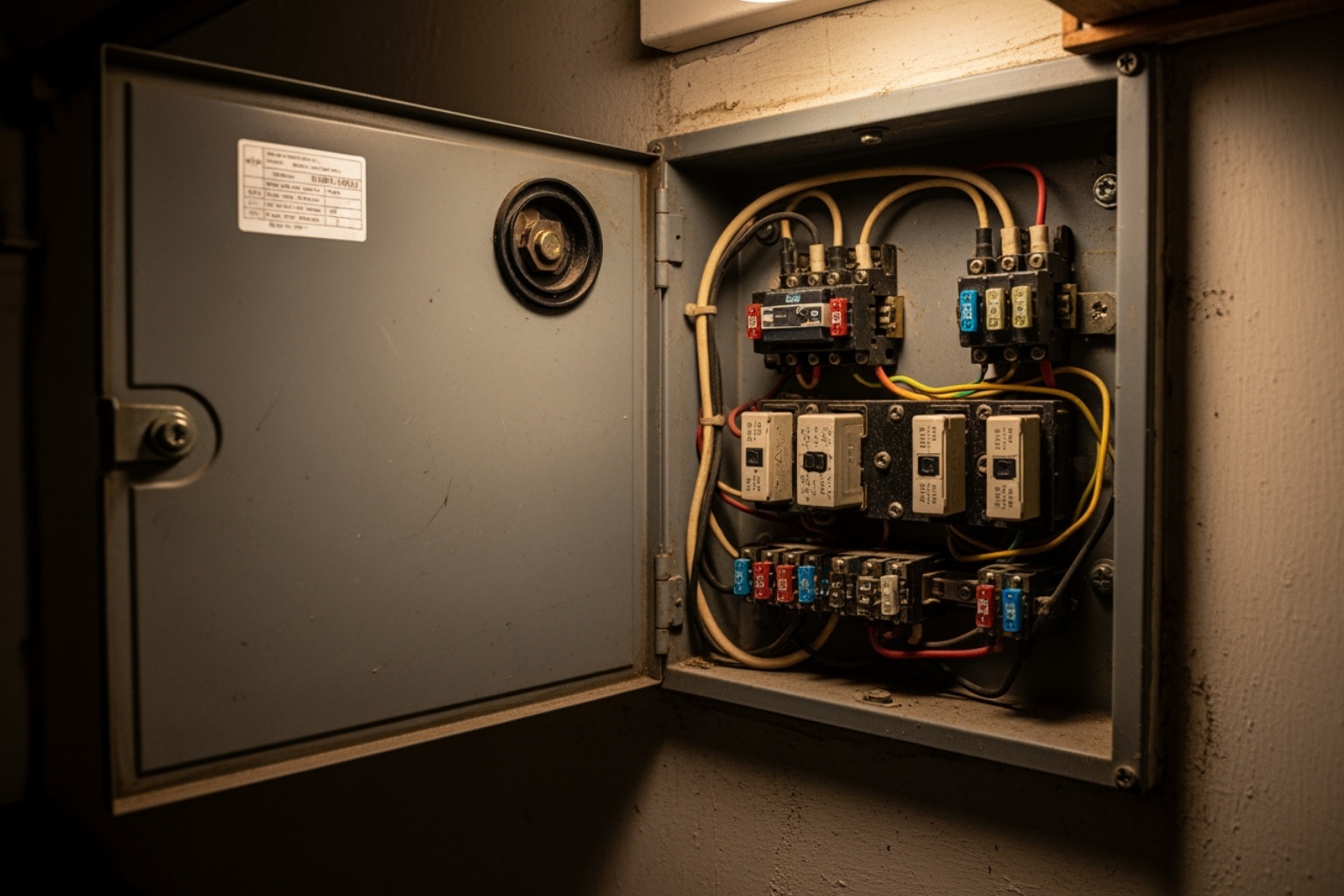
- Frequent Blown Fuses: If you’re replacing fuses often, your system is probably overloaded. This is its way of telling you it can’t handle the demands you’re placing on it. It’s a clear signal that it’s time to consider changing a fuse box to a breaker box.
- Flickering or Dimming Lights: Lights that dim or flicker when you use a large appliance like the microwave, refrigerator, or air conditioning unit mean your panel is struggling to distribute enough power. It’s a sign that your electrical service is being stretched to its limits.
- Can’t Use Modern Appliances: Old fuse boxes often can’t handle the power requirements of new dryers, ovens, dishwashers, or even something like a new electric vehicle charger. If you’re looking to install a hot tub or a high-efficiency HVAC system, an upgrade will almost certainly be necessary.
- Burning Smell or Scorch Marks: Any burning smell coming from your electrical panel, or if you see discoloration, scorch marks, or feel warmth on the panel cover, is a serious warning sign. This indicates overheating and a potential fire hazard—call an electrician right away. Do not attempt to investigate this yourself.
- Insurance Company Requires It: Many insurance companies are increasingly wary of homes with old fuse boxes. They may refuse to provide coverage, or they might charge significantly higher premiums due to the increased risk of fire. We often get calls from homeowners in Centennial and Parker whose insurance providers are demanding an upgrade.
- Planning a Remodel or Addition: If you’re planning to add a new room, remodel your kitchen, or expand your living space, you’re going to need more power. This almost always necessitates an electrical panel upgrade to ensure your new additions are safely powered and meet current codes. You can learn more on upgrades for remodels.
What Happens When You Change a Fuse Box to a Breaker Box?
Let me be clear: this isn’t a DIY project. Working inside an electrical panel is extremely dangerous and should only be done by a licensed electrician. You’re dealing with the main power supply to your home, and a small mistake can have life-threatening consequences. It also requires permits and inspections to ensure the work is done safely and correctly according to local codes.
When you call us at Harmony Electric, we handle all the details. Here’s what you can expect when you hire a pro to manage changing a fuse box to a breaker box for your home.
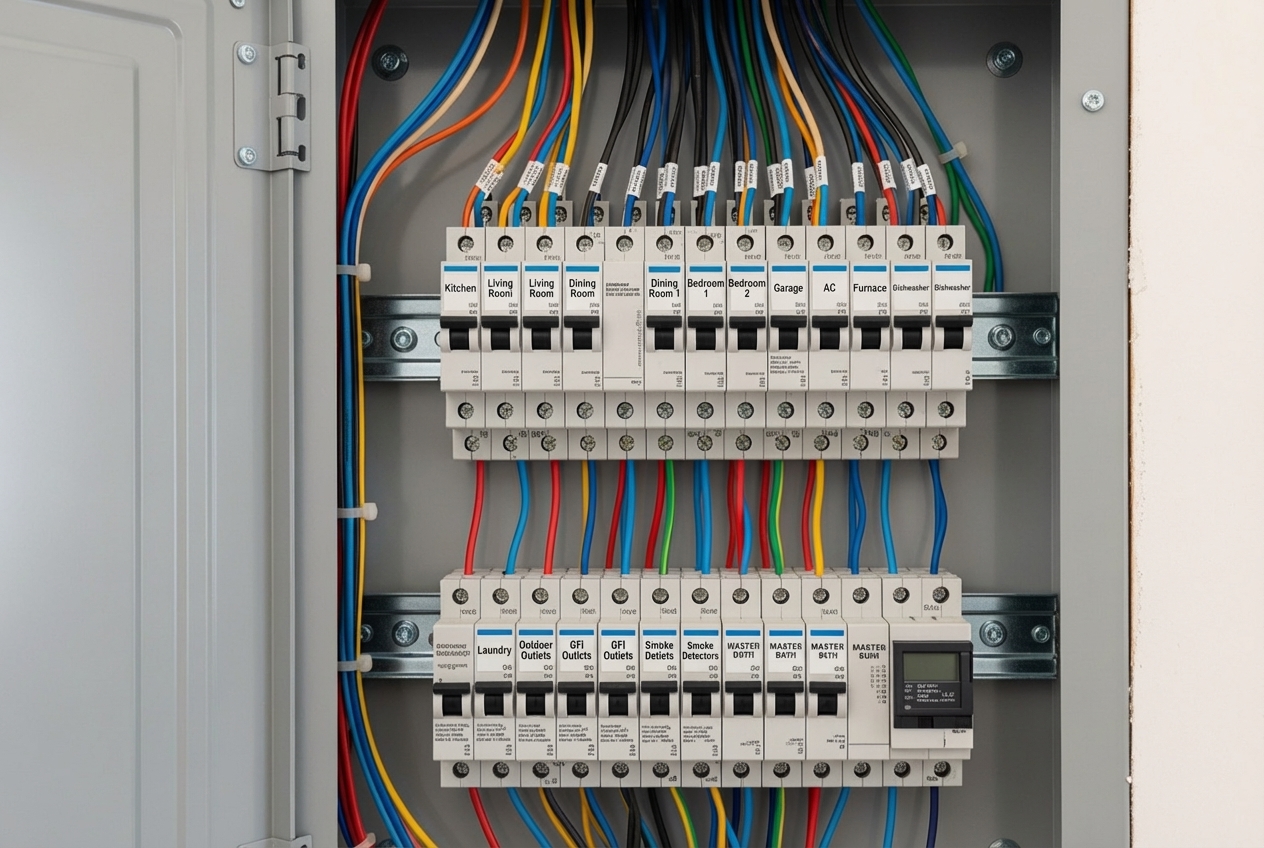
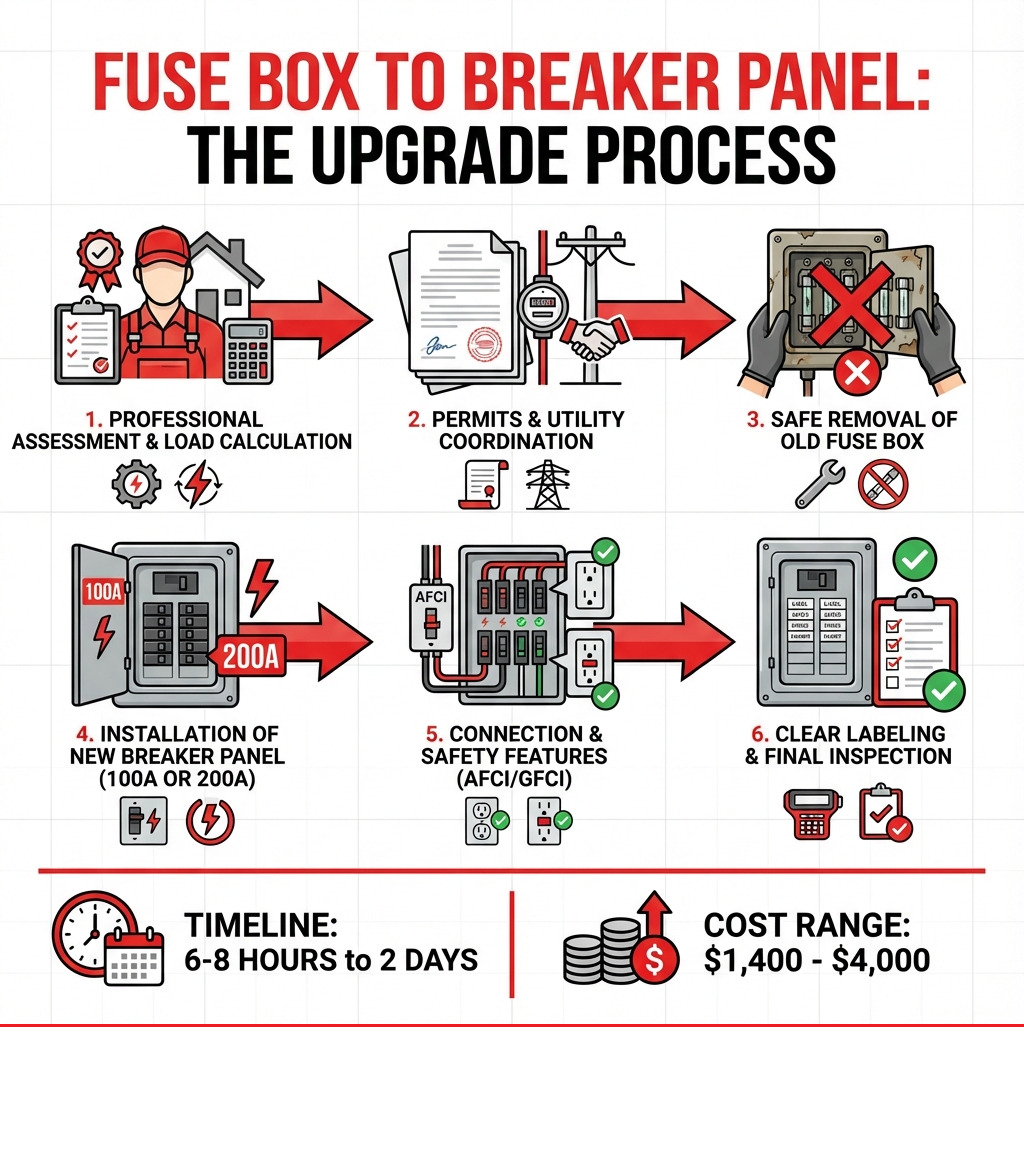
Main Steps in Upgrading from a Fuse Box to a Breaker Panel
- Professional assessment of your current system: We start by looking at your existing fuse box, wiring, and overall electrical setup. We’ll identify any potential issues, like old or damaged wiring, that might need to be addressed during the upgrade.
- Load calculation to see how much power you need: We’ll talk about your current electrical usage and any future plans you have (like adding an EV charger, a new AC unit, or a hot tub). This helps us determine the right size for your new breaker panel—whether it’s 100-amp, 200-amp, or even more.
- Getting the right permits: Electrical work of this magnitude requires permits from your local authority. We’ll handle all the necessary paperwork to make sure your upgrade is fully compliant.
- Coordinating with the utility company for a safe power shutdown: We’ll work with your power company (like Xcel Energy here in Colorado) to schedule a safe, temporary shutdown of your main power supply. This ensures the work can be done without any live electricity hazards.
- Removing the old fuse box: Once the power is safely disconnected, we’ll carefully remove your old fuse box and its components.
- Installing the new breaker panel: We’ll securely mount the new circuit breaker panel in its place, ensuring it’s properly grounded and ready for the incoming power.
- Connecting your existing circuits (and updating any that need it): This is where the magic happens! We’ll carefully connect all your home’s existing electrical circuits to the new breakers. This often involves connecting the black (hot) cables to each circuit breaker terminal. If any older wiring isn’t up to current safety standards, we’ll discuss the best way to update it.
- Incorporating modern safety features: We’ll ensure your new panel includes advanced safety features like AFCI and GFCI protection, which are crucial for preventing shocks and fires. You can learn more about ground-fault circuit interrupter (GFCI) breaker technology and its importance.
- Labeling every circuit clearly: This might seem minor, but it’s incredibly important! We’ll clearly label each breaker so you know exactly what room or appliance it controls. This makes troubleshooting much easier down the line.
- Final inspection to make sure everything’s safe and up to code: After installation, your new panel will undergo a thorough inspection by the local electrical inspector to ensure everything meets the latest electrical codes and safety standards.
How Long Does It Take? What Does It Cost?
The timeline and cost for changing a fuse box to a breaker box can vary, but we always aim for clear communication so you know what to expect.
- Most jobs take 6–8 hours, sometimes up to 2 business days if things are more complex. A straightforward panel swap can often be completed in a single day, minimizing disruption to your home. However, if we encounter unexpected wiring issues, need to upgrade your service entrance, or if the panel’s location requires more intricate work, it might extend to a second day.
- Cost usually ranges from $1,400 to $4,000, depending on panel size and wiring needs. This range covers the panel itself, materials, labor, and permit fees. The exact cost will depend on factors like the amperage of the new panel, the complexity of your home’s existing wiring, and any additional upgrades needed to bring your system up to current code. We’ll always provide a straightforward quote upfront.
- 100-amp vs. 200-amp panels: This is a big factor in both cost and capability.
- A 100-amp panel is a common upgrade for smaller homes or those with moderate electrical needs.
- A 200-amp panel is the standard for most modern homes in the Denver area, especially if you have central air conditioning, an electric water heater, or plans for future additions like an EV charger or a larger kitchen. It provides ample capacity for today’s high-demand appliances and future growth.
Upgrading your electrical panel is a significant investment, but it’s one that pays dividends in safety, convenience, and home value. For more insights into various electrical projects, explore our page on Electrical Repairs and Upgrades.
Why a New Breaker Panel is Worth It (Besides Not Buying Fuses)
Beyond the obvious benefit of not having to hunt for replacement fuses in the dark, upgrading your panel offers a host of advantages that make your home safer, more comfortable, and ready for whatever comes next. It’s truly an investment in your home’s future.
Safer and Easier to Insure
This is often the number one reason homeowners in places like Lone Tree and Castle Pines decide to upgrade.
- Modern breakers trip faster, which helps prevent fires. Circuit breakers are engineered to react almost instantaneously to overloads and short circuits. This rapid response reduces the chance of wiring overheating, significantly lowering the risk of electrical fires compared to older fuse systems.
- AFCI protection helps stop dangerous arcs (sparks inside the walls). Arc faults are a leading cause of electrical fires. These are unintended electrical discharges that can occur in damaged wiring, loose connections, or even behind your walls. AFCI breakers are specifically designed to detect these dangerous arcs and quickly cut power, preventing a potential fire before it starts.
- GFCI protection helps prevent shocks. Ground-fault circuit interrupter (GFCI) breakers are crucial for protecting against severe electric shock, particularly in areas like kitchens, bathrooms, and outdoors where water might be present. They detect imbalances in the electrical current that could indicate a person is being shocked and shut off power in milliseconds.
- Meets current code, which most insurance companies require. As electrical codes evolve, fuse boxes fall further behind. Most insurance providers now prefer or even require homes to have modern circuit breaker panels. An updated panel demonstrates that your home meets contemporary safety standards.
- Can help lower your insurance premiums. Because a new breaker panel drastically reduces the risk of electrical fires and shocks, some insurance companies may offer lower premiums. It shows them you’ve taken proactive steps to make your home safer.
More Power and Flexibility for Today’s Homes
Imagine a home where you don’t have to think twice about running the microwave and the hair dryer at the same time. That’s the convenience a new breaker panel brings.
- Easy to reset—no more hunting for fuses. When a circuit is overloaded, a breaker simply trips. You just walk to the panel, identify the tripped breaker (it’s usually midway between ON and OFF), and flip it back to ON. It’s a quick, simple fix that anyone can do.
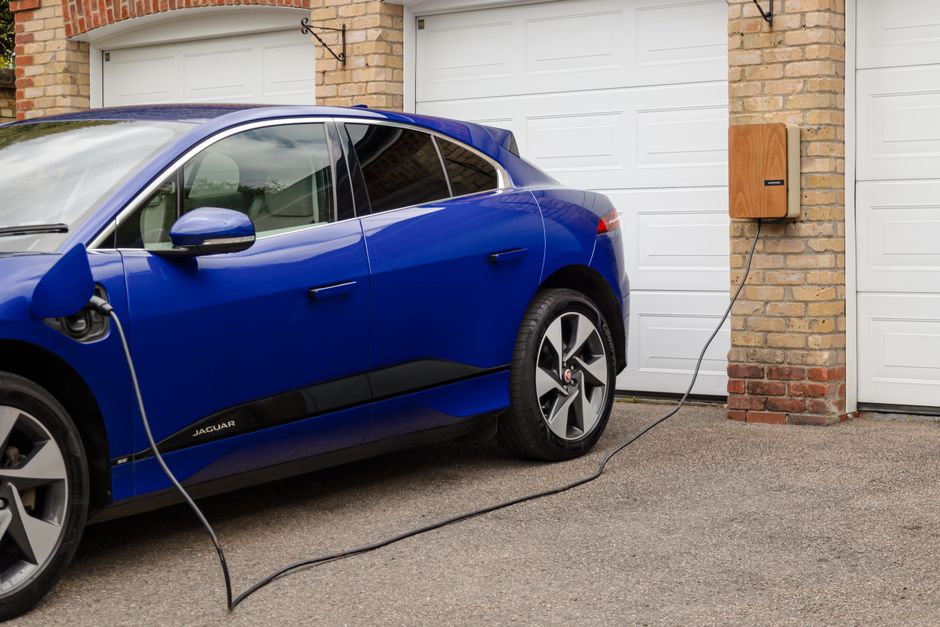
- More circuits for new appliances, EV charger installation, or future upgrades. A new breaker panel provides more capacity and often more physical slots for individual circuits. This means you can safely add dedicated circuits for high-demand appliances, a new EV charger, or even a workshop in your garage without overloading your existing system.
- Room to expand if you remodel or add on. Planning a basement finish, a new kitchen, or an addition? A modern breaker panel has the capacity and flexibility to easily accommodate the new wiring and increased electrical demands of these projects. You won’t be limited by your electrical system.
- Can boost your home’s resale value. An updated electrical panel is a significant selling point. It tells potential buyers that the home is safe, up-to-date, and won’t require a major electrical overhaul in the near future. This can make your home more attractive and even command a higher selling price.
Common Questions About Electrical Panel Upgrades
We get a lot of great questions from homeowners in Denver, Castle Rock, and the surrounding areas when they’re considering changing a fuse box to a breaker box. Here are some of the most common ones we hear:
Do “screw-in” adapters or mini-breakers make my old fuse box safe?
No, absolutely not. Screw-in breaker-style devices don’t fix the real issues: old wiring, low panel capacity, or the lack of modern AFCI and GFCI safety features. These “fixes” are not a permanent or code-approved solution and can create a false sense of security, which is dangerous. We always recommend a full, professional upgrade.
Will I need to rewire my whole house?
Not always. This is a common concern, and thankfully, a full house rewire isn’t usually necessary when changing a fuse box to a breaker box. If your existing wiring is in good shape, properly insulated, and meets current standards, it can usually be connected directly to the new breaker panel. During our professional assessment, we’ll carefully inspect your home’s wiring. If we find any sections that are damaged, undersized, or unsafe (like aluminum wiring or old knob-and-tube that isn’t up to current code in certain areas), we’ll discuss those specific updates with you. Our goal is always to provide honest recommendations for what’s truly needed for safety and functionality, not to upsell you on unnecessary work.
What size breaker panel should I get?
This is a critical decision, and it really depends on your home’s needs. For most modern homes in the Denver area, especially those with central air conditioning, multiple large appliances, or plans for future electrical additions like an EV charger or a home office, we typically recommend a 200-amp panel. This provides plenty of capacity for current demands and future growth.
Smaller homes, or those with very minimal electrical usage, might be fine with a 100-amp or 150-amp panel. To figure out what’s truly right for your house, we’ll perform a detailed load calculation. This involves assessing your current electrical usage, considering all your existing appliances, and discussing any planned future electrical additions. This ensures your new panel is perfectly sized for your home and lifestyle.
Ready to Bring Your Home’s Electrical System Up to Date?
Your electrical panel is the heart of your home’s power. It’s the central hub that safely distributes electricity to every light, outlet, and appliance. Upgrading from an old fuse box to a modern breaker panel is one of the best ways to make your home safer, more reliable, and better equipped for the electrical demands of today and tomorrow. It gives you the power you need for today’s lifestyle and peace of mind knowing your system is up to date.
If you’re in the Denver area and have questions about your electrical panel, my team at Harmony Electric is here to help. We believe in doing the job right the first time, with clear communication and honest advice. We’re proud to serve homeowners in Denver, Castle Rock, Centennial, Highlands Ranch, and across the Denver Metro Area.
Contact us today for a professional assessment and a straightforward quote for your electrical panel upgrade in Castle Rock, CO or anywhere in the Denver area.