Adding a hot tub to your home in Colorado is a great way to relax and unwind. Whether you’re installing it on a patio in Denver or near the mountains in Castle Rock, one question comes up for almost every homeowner: Can my existing electrical panel handle a hot tub?
It’s an important question — and one worth answering before you buy or install anything. Understanding your hot tub electrical load helps you avoid power issues, blown breakers, or unsafe wiring.
Let’s walk through what you need to know before your installation.
Understanding Electrical Load
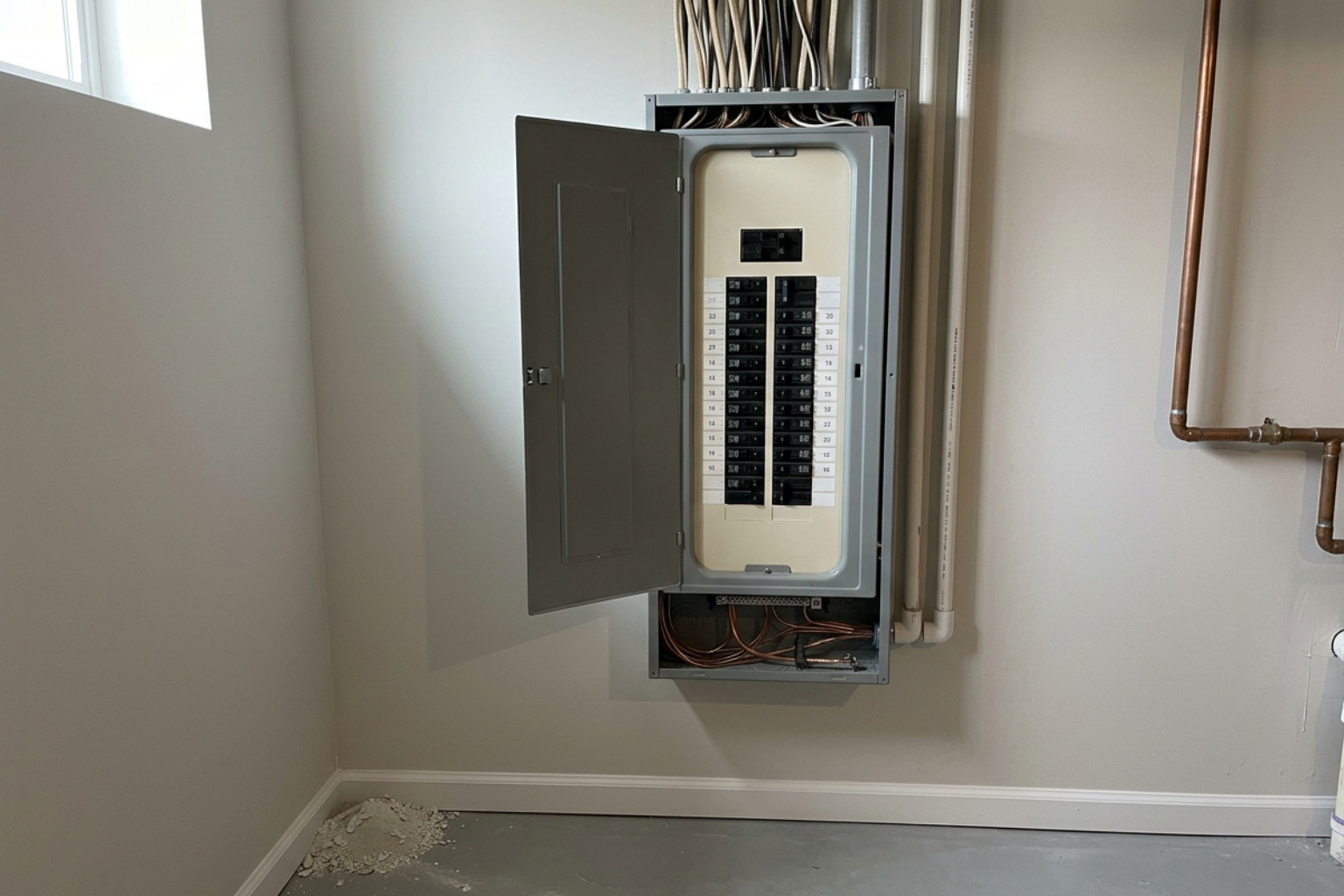
Every home’s electrical panel has a specific capacity, measured in amps. Most modern homes in the Denver area have panels rated at 150 or 200 amps. Older homes may have panels rated at 100 amps or less.
A hot tub typically requires a dedicated 240-volt circuit and draws anywhere between 30 and 60 amps, depending on its size, heater, and pump setup. That means the spa will take up a significant portion of your available electrical load.
If your household already uses a lot of power for appliances, EV chargers, or HVAC systems, adding a hot tub without upgrading your panel could overload the system. That can lead to tripped breakers or even more serious safety issues.
Why Load Capacity Matters
When your electrical panel is close to its limit, every new device you add increases the strain. A hot tub draws heavy, continuous power while it heats and circulates water. If your panel doesn’t have enough capacity, other parts of your home can be affected.
Common warning signs that your panel might be maxed out include:
- Frequent breaker trips or flickering lights
- Buzzing or warm circuit breakers
- Limited open breaker spaces
- A panel that’s more than 25 years old
If you notice any of these issues, it’s time to have your system evaluated before adding a hot tub.
Evaluating Your Hot Tub Electrical Load
To determine if your current setup can handle the added demand, a licensed electrician can calculate your total electrical load. This involves reviewing your panel size, the number of existing circuits, and how much current your household typically uses.
In many Denver homes, we find that hot tubs can be added safely after some adjustments. That might include:
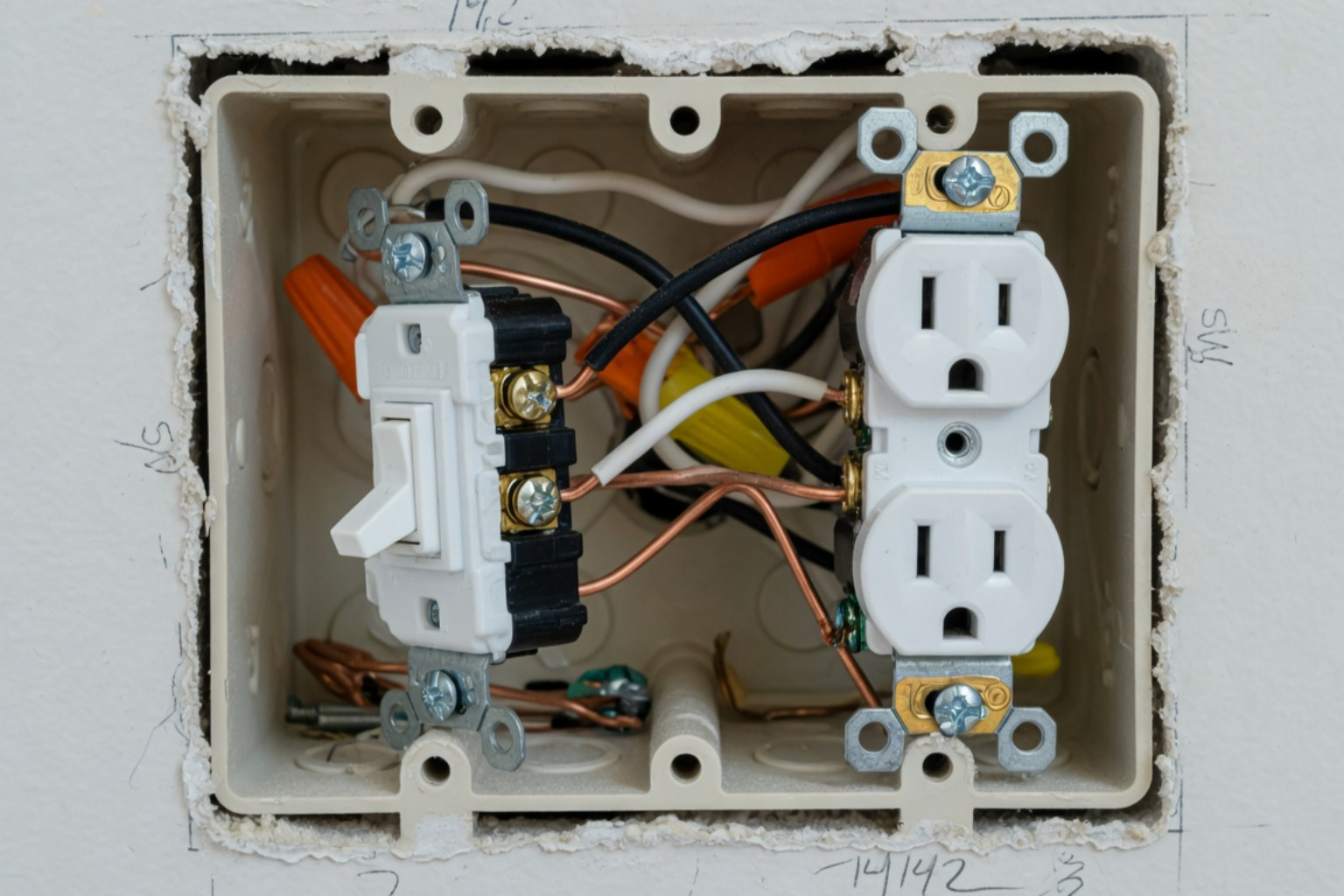
- Installing a dedicated 240V GFCI-protected circuit
- Upgrading wiring and conduit to meet code
- Replacing or expanding the electrical panel if capacity is limited
These updates not only make your hot tub run safely but also bring your system up to modern standards.
The Importance of Code Compliance
Colorado follows the National Electrical Code (NEC), which requires specific safety measures for hot tub installations. That includes GFCI protection, proper grounding, and correct wire sizing.
Even if your panel seems large enough, connecting a hot tub without these safeguards can create serious risks. Electrical load, moisture, and outdoor conditions make it essential to have everything installed correctly and inspected before use.
Hiring a professional who understands hot tub electrical load in Denver ensures the job meets both safety and city code requirements. It also protects your warranty and reduces the chance of costly electrical problems later.
When to Upgrade Your Panel
If your current panel is undersized, outdated, or frequently overloaded, upgrading may be the safest and most efficient option. A new 200-amp panel gives you room for future additions like EV chargers, new appliances, or solar equipment.
Many Denver homeowners choose to upgrade their panel during a hot tub installation. Doing it all at once saves time, ensures code compliance, and helps your electrical system handle modern energy demands for years to come.
Ready to Add a Hot Tub Safely?
Before you set up your spa, make sure your home’s electrical system can handle it safely. Harmony Electric serves homeowners throughout Denver, Parker, Castle Rock, and Highlands Ranch with professional inspections, dedicated circuits, and complete panel upgrades.
Give us a call or request a free consultation. We’ll help you calculate your hot tub electrical load, confirm that your system is up to code, and make sure your new hot tub is ready for years of safe, relaxing use.