Is Your Breaker Box Telling You Something?
Changing breaker box panels is one of the most important electrical upgrades a homeowner can make. Here’s a quick overview of what the process involves:
Quick Answer: What Changing a Breaker Box Involves
- Identify the need – Frequent tripping, burning smells, flickering lights, or an outdated panel brand are the main warning signs
- Choose the right size – Most modern homes need a 200-amp panel to handle today’s electrical loads
- Pull a permit – In Denver and most cities, a permit and inspection are required by law
- Utility disconnect – Your power company must cut power at the meter before work begins
- Professional installation – A licensed electrician removes the old panel, installs the new one, labels all circuits, and grounds the system properly
- Final inspection – A city inspector signs off to confirm the work meets current electrical code
- Power restored – Typically within 4 to 8 hours of starting the job
What I usually see in Denver homes is this: a panel that’s been quietly struggling for years. Maybe the breakers trip whenever someone runs the microwave and the AC at the same time. Maybe there’s a faint burning smell near the utility closet that comes and goes. Maybe the lights dim every time the dryer kicks on.
Those aren’t quirks. Those are warning signs.
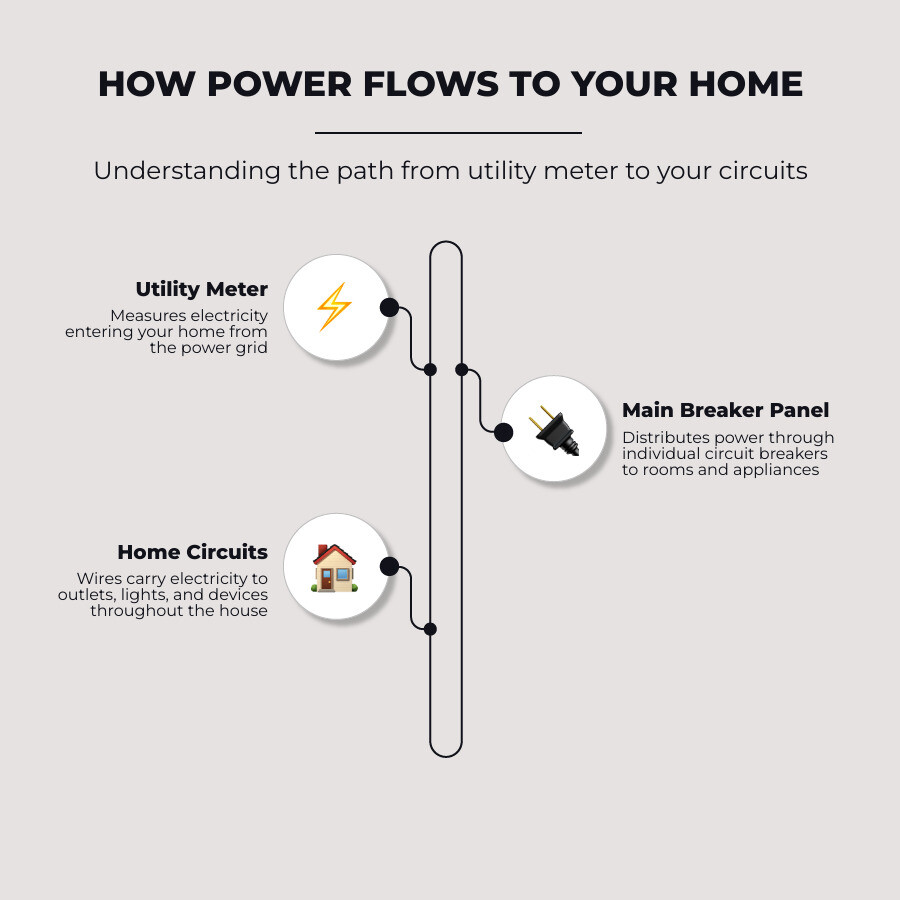
Your electrical panel is the hub of everything in your home. Every light, outlet, appliance, and device runs through it. When it starts failing, it doesn’t just cause inconvenience — it creates real safety risks, including electrical fires and shock hazards.
Most homes built before the 1990s were wired for a different era. Back then, a 100-amp panel was plenty. Today, with electric vehicles, home offices, smart appliances, and high-demand HVAC systems, that same panel can be completely overwhelmed.
The good news? A panel replacement is a well-understood, manageable project — when it’s done right, by the right people.
This guide walks you through everything: the warning signs, the costs, the process, and why this isn’t a job to hand off to YouTube tutorials.
Why You Might Be Considering Changing Breaker Box Units
In a lot of older houses around here, the electrical panel is simply tucked away in a dark corner of the basement or garage, forgotten until something goes wrong. But like any mechanical or electrical component, these boxes have a lifespan—usually about 25 to 30 years.

If you are seeing signs your electrical panel is outdated, it is usually because the internal components are wearing out or the demand from your modern appliances is too high. Common red flags include:
- Frequent Tripping: If you find yourself walking to the garage to flip a switch back on every time you use the toaster and the coffee maker, your panel is overloaded.
- Burning Smells or Scorch Marks: This is a major emergency. If you smell ozone or “burnt plastic” near the box, it means wires are overheating or arcing.
- Flickering Lights: When your AC kicks on and the living room lamps dim, it’s a sign the panel can’t handle the “inrush” of current required by large motors.
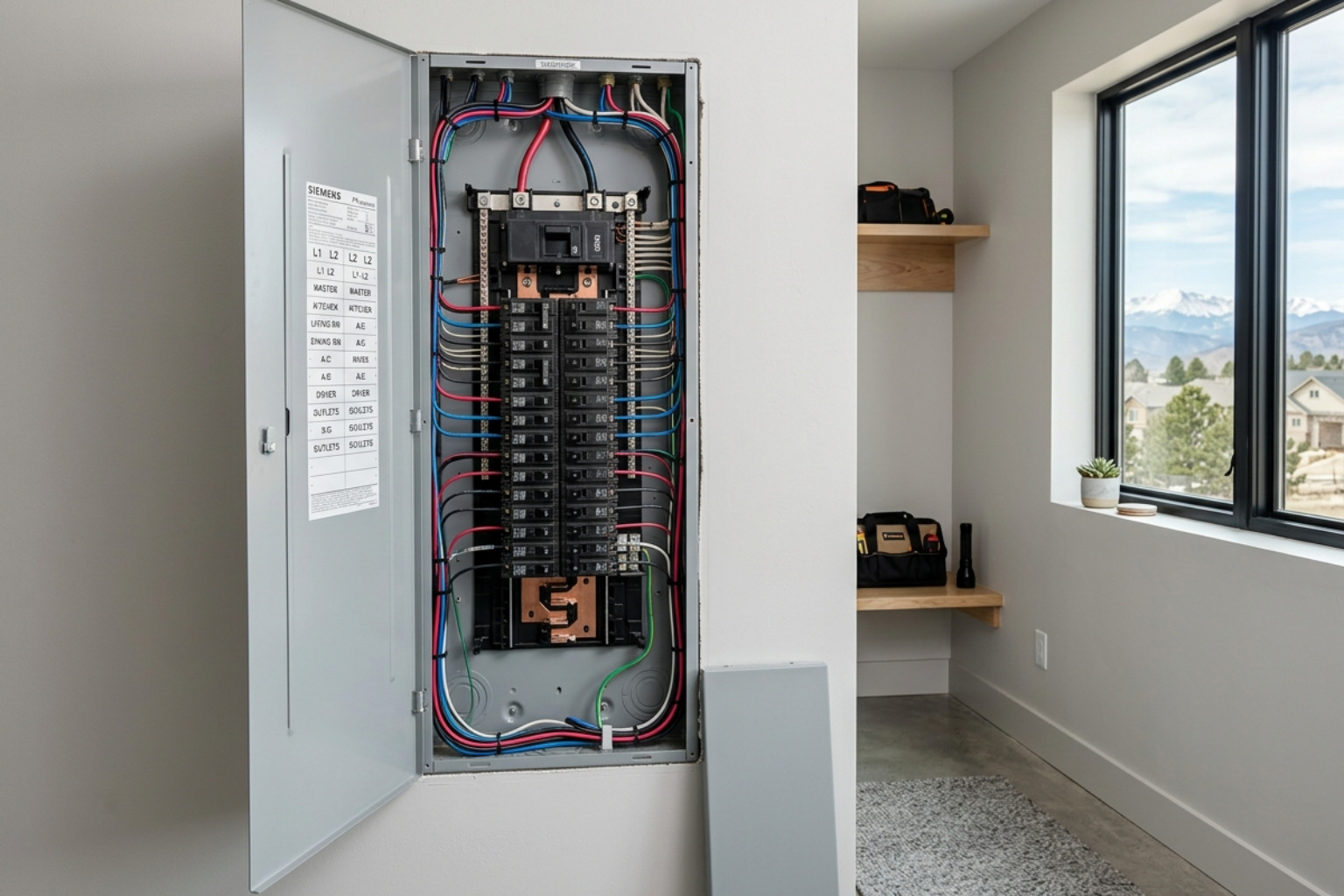
- Physical Damage: Rust or corrosion inside the box (often caused by moisture seeping through the service cable) can ruin the bus bars—the metal tracks the breakers snap into.
Most importantly, some older homes in the Denver Metro area still have hazardous brands. If you see the names Federal Pacific Electric (FPE) or Zinsco on your panel, you should look into an immediate replacement. These brands were involved in an electrical panel recall because they often fail to trip during an overload, which is a leading cause of electrical fires.
Sizing Your Service: 100 Amps vs. 200 Amps
When we talk about changing breaker box units, the first question is usually: “How much power do I actually need?”
In the past, 60-amp or 100-amp services were the gold standard. But today, about 62% of U.S. homes have 200-amp panels, and for good reason. Even with a 200-amp panel, research shows that 25% of those panels are already completely full with no room for new circuits.
| Feature | 100-Amp Panel | 200-Amp Panel |
|---|---|---|
| Common Use | Small homes, gas appliances | Modern standard, all-electric homes |
| EV Charging | Difficult/Requires load shedding | Ideal for Level 2 chargers |
| Hot Tubs | Often exceeds capacity | Easily supported |
| Future Proofing | Low | High |
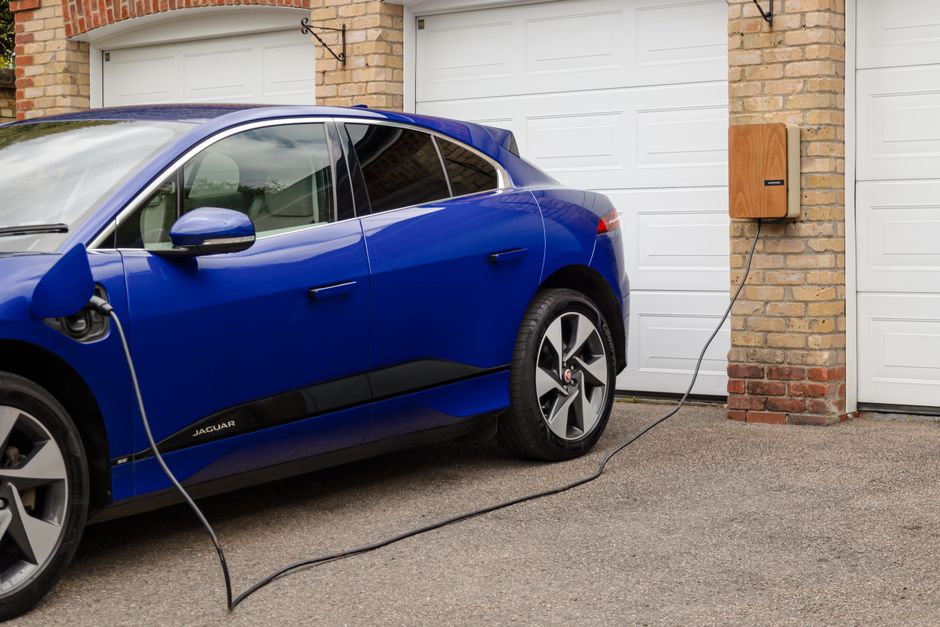
Most homeowners are surprised to learn how quickly modern life adds up. If you’re planning on upgrading from 100 to 200 amps, you’re essentially doubling your home’s “fuel tank.” This allows you to add high-draw items like an EV charger, a hot tub, or a central AC system without worrying about the main breaker blowing.
Choosing the right size when changing breaker box capacity
We don’t just guess at the size. We perform what’s called a load analysis. This involves looking at the square footage of your home and the specific “heavy hitters” like your oven, dryer, and HVAC system.
If you live in a place like Highlands Ranch or Castle Rock and have a larger home with multiple AC units, we might even discuss a 400-amp service. Unplugging the mystery of 200-amp service is really about matching your home’s capacity to your lifestyle.
Smart upgrades vs. traditional panels
While a standard panel does a great job of protecting your home, “smart” circuit breakers are becoming more popular. These allow you to monitor your energy usage through an app on your phone. You can see exactly how much power your refrigerator or your kids’ gaming PCs are using in real-time.
Whether you go with a traditional panel or a smart one, understanding the inside of your electric panel helps you make an informed choice about how you want to manage your home’s energy in the future.
The Professional Replacement Process Explained
Replacing a panel isn’t just about unscrewing one box and screwing in another. It’s a coordinated dance between us, the utility company (like Xcel Energy or CORE), and the city inspector.
Here is the general workflow we follow:
- Permitting: We secure the necessary electrical permits from your local building department.
- Coordination: We schedule a “disconnect/reconnect” with the utility company.
- The Swap: Once the utility company pulls the meter (cutting the power), we remove the old panel. We carefully label every wire to ensure your kitchen outlets don’t end up on the bathroom circuit.
- Installation: We mount the new panel, install the main breaker, and snap in the new branch breakers.
- Grounding: We ensure the system is properly grounded to a copper rod in the earth and your home’s water pipe. This is a critical safety step that is often overlooked in older homes.
If you’re curious about the specifics of the hardware, you can read more about how to replace a circuit breaker from industry experts.
Safety first when changing breaker box components
I can’t stress this enough: the wires coming into your home from the street are “live” even if you turn off every switch in the house. There is enough current there to be lethal instantly.
When we work, we use specialized insulated tools and often wear rubber-soled shoes or stand on insulated mats. We also use multimeters to verify that no “backfeeding” is occurring from solar panels or generators. Deciding between electrical panel replacement vs repair often comes down to the condition of these main service components.
The final inspection and code compliance
In Denver, Centennial, and surrounding areas, you cannot legally complete a panel upgrade without a final inspection. A city inspector will come by to verify that the work meets the National Electrical Code (NEC).
They check things like:
- Clearances: Is there enough room to stand in front of the panel?
- Labeling: Is the directory clear and accurate?
- AFCI/GFCI Protection: Does the new panel include the required safety breakers for bedrooms and wet areas?
Following a complete guide to upgrading your panel ensures that your home stays up to code and, more importantly, stays safe for your family.
Costs, Permits, and What to Expect
Let’s talk numbers. Changing breaker box systems is an investment. In our region, a typical panel replacement costs anywhere from $1,500 to $4,000.
Why such a big range? It depends on whether we are just swapping the box or if we have to move the panel to a new location to meet modern codes. You can learn more about why you need a panel upgrade and how those costs break down.
Factors that affect your total price
- Amperage Increase: Moving from 100 to 200 amps often requires a thicker service wire from the utility pole to your house.
- AFCI Breakers: Modern code requires Arc Fault Circuit Interrupters (AFCI) on most branch circuits. These breakers cost about $50 each, compared to $5-$10 for a standard breaker.
- Panel Location: If your current panel is in a bathroom or a closet (which is no longer allowed), we may need to relocate it to a garage or an exterior wall.
Every electric panel for a house is a little different, so we always provide a clear, honest recommendation before starting any work.
How a new panel increases home value
A new electrical panel is a major selling point. When a home inspector sees a shiny new 200-amp Square D or Eaton panel with clear labels and a city inspection sticker, it gives the buyer confidence. It signals that the home is ready for modern technology and that the previous owners took safety seriously.
In many cases, an electrical service upgrade can even lower your homeowner’s insurance premiums, especially if you are removing a fire-prone brand like Zinsco.
Why DIY Panel Work Isn’t Worth the Risk
I’m all for DIY projects—I’ve seen some great tile work and deck builds by homeowners. But electrical panel replacement is where I draw the line.
The risks of a DIY mistake include:
- Arc Flash: A single slip of a screwdriver can cause an explosion of molten metal and light that can cause severe burns or blindness.
- Insurance Denial: If your house has a fire and the insurance company finds out the electrical work wasn’t permitted or done by a pro, they can deny your claim.
- Hidden Dangers: If you accidentally “double-tap” a breaker (putting two wires under one screw), it can create a loose connection that heats up over time, eventually starting a fire behind the walls.
While there are guides for DIY electrical panel installation, they are meant to educate, not to encourage amateurs to tackle the main service.
When to replace a single breaker vs. the whole box
Sometimes, you don’t need a whole new box. If a single circuit keeps tripping, it might just be a “weak” breaker. Changing a breaker in a panel is a much smaller job. However, if the bus bar (the metal the breaker clips onto) is charred or pitted, the whole box has to go.
The difference between main panels and sub-panels
Your main panel is where the power enters the house. A sub-panel is a smaller box located elsewhere—like in a detached workshop or a basement remodel. These are great for expanding your circuits without having to run every single wire all the way back to the main panel.
Frequently Asked Questions
How long will my power be out during the replacement?
For most homes in the Denver Metro area, the power will be out for 4 to 8 hours. We coordinate with the utility company to ensure the disconnect and reconnect happen as close together as possible. We recommend planning to be out of the house or having a cooler ready for your fridge items.
Do I really need a permit for a panel upgrade?
Yes, absolutely. Changing breaker box units requires a permit in every Colorado municipality we serve. This isn’t just a “tax”—it’s for your safety. The permit ensures a second set of professional eyes (the city inspector) verifies the job was done safely.
What happens if my current box is a Federal Pacific or Zinsco?
If you have one of these brands, it is widely considered a “latent fire hazard.” These panels were found to have a high failure rate where the breakers would simply refuse to trip during a short circuit. Most electricians and home inspectors recommend replacing them immediately to ensure your home is protected.
Conclusion
At Harmony Electric, we’ve seen it all—from 1950s fuse boxes to modern smart panels. Led by Randy Harmuth, Master Electrician, we pride ourselves on doing the work right the first time. We serve families throughout Denver, Castle Rock, Centennial, and the surrounding communities with one goal: keeping your home safe and powered up.
Whether you’re adding an EV charger or just tired of flickering lights, we’re here to help with clear communication and honest recommendations. Plus, we back our work with a lifetime workmanship guarantee.
Ready to give your home the power boost it needs? Learn more about our residential services and let’s get your panel up to speed.