Why More Denver Homes Are Making the Jump to 200 Amps
If you’re looking to upgrade 100 amp service to 200 amp, you’re probably noticing your home’s electrical system can’t keep up with modern life. Here’s what you need to know:
Quick Answer:
- What it is: Replacing your 100-amp electrical panel and service entrance with a 200-amp system that doubles your home’s power capacity
- Why upgrade: To safely run EV chargers, central air, hot tubs, and modern appliances without tripping breakers or dimming lights
- What’s involved: New panel, meter base, heavier service wires (2/0 copper or 4/0 aluminum), utility coordination, permits, and inspection
- Typical cost: $3,000–$6,000 in the Denver area, depending on your home’s setup
- Timeline: 4–6 weeks total (permits and utility scheduling), with 1–2 days of actual installation work
I’m Randy Harmuth, and I’ve been doing electrical work in Denver for years. What I see most often is older homes with 100-amp service that were built when families used a lot less power. Back then, you didn’t have multiple computers, phone chargers, big-screen TVs, or electric cars plugging in overnight.
Today’s homes need more. A lot more.
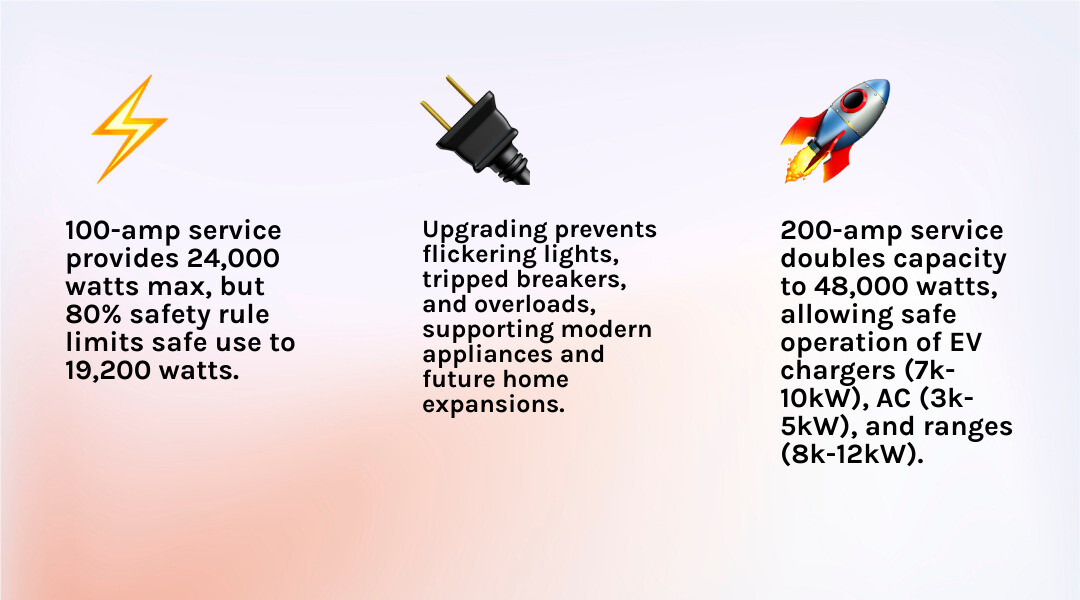
Your 100-amp panel can deliver about 24,000 watts of power. That sounds like a lot until you start adding things up. An electric range pulls 8,000–12,000 watts. Central air conditioning takes another 3,000–5,000 watts. Toss in an EV charger at 7,200–9,600 watts, and you’re already pushing the limits.
And here’s the thing most people don’t know: your panel has a built-in safety limit of 80%. That means your 100-amp service really only gives you 80 amps to work with safely. When you go over that, breakers trip, lights flicker, and you’re left resetting switches in the dark.
A 200-amp upgrade doubles your capacity to 48,000 watts. It gives you room to run everything you need now and whatever you add later without worrying about overloading your system.
In this guide, I’ll walk you through why homeowners upgrade, what the process looks like, what it costs, and how to know if your home is ready for more power.
Easy upgrade 100 amp service to 200 amp word list:
Why Consider Upgrading from 100 Amp to 200 Amp Service?
When we talk about an upgrade 100 amp service to 200 amp, we’re really talking about widening the “highway” for electricity to enter your home. Think of a 100-amp service like a two-lane road. It works fine for a few cars, but as soon as everyone tries to get home at the same time, you have a massive traffic jam. A 200-amp service is like a four-lane highway—it moves much more power with less stress on the system.
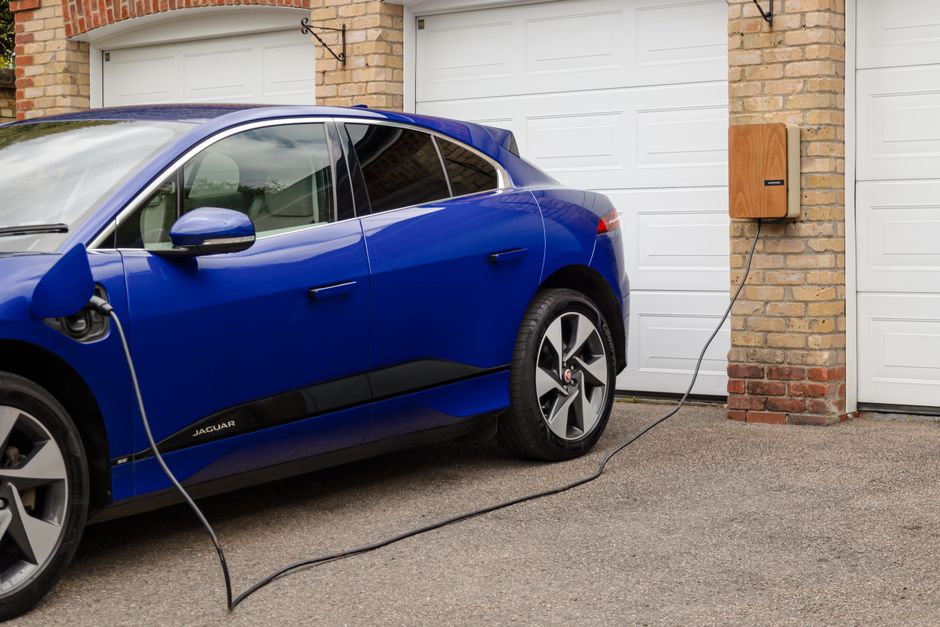
In a lot of older houses around here, especially in neighborhoods like Highlands Ranch or older parts of Denver, 100 amps was the gold standard for decades. But our lifestyle has changed. We see homeowners all the time who want to add a Level 2 EV charger or a hot tub. These aren’t just small additions; they are high-draw appliances that can consume a huge chunk of your available power.
| Feature | 100-Amp Service | 200-Amp Service |
|---|---|---|
| Max Wattage (240V) | 24,000 Watts | 48,000 Watts |
| Safety Capacity (80%) | 80 Amps (19,200W) | 160 Amps (38,400W) |
| Circuit Spaces | Usually 20–30 | Usually 40–50 |
| Best For | Small homes, gas appliances | Modern homes, EVs, AC, electric heating |
What most homeowners are surprised to learn is that the National Electrical Code (NEC) requires us to calculate “continuous loads” at 125%. This means if you have an appliance running for three hours or more (like your AC on a hot July afternoon), it counts for more against your total limit. Upgrading to 200 amps isn’t just about avoiding a tripped breaker; it’s about making sure your home stays up to code and remains a safe environment for your family. Plus, it’s a big selling point—buyers today look for 200-amp panels as a sign that the home is ready for the 21st century.
Signs Your Electrical Service Might Be Struggling
I often tell people that their home will “talk” to them if the electrical system is overloaded. You just have to know what to listen for. If you’re living in a home built before the 1990s in places like Parker or Centennial, you might be seeing these red flags without even realizing they are related to your panel capacity.
- Flickering or Dimming Lights: Do your lights dip for a second when the refrigerator cycles on or the central air kicks in? That’s a sign your system is struggling to maintain voltage under a heavy load.
- Frequent Breaker Trips: If you can’t run the microwave and a hair dryer at the same time without a trip to the basement, your circuits are telling you they’ve reached their limit.
- Buzzing or Humming Sounds: Your electrical panel should be silent. If you hear a hum coming from the box, it often means the breakers are struggling to handle the current flowing through them.
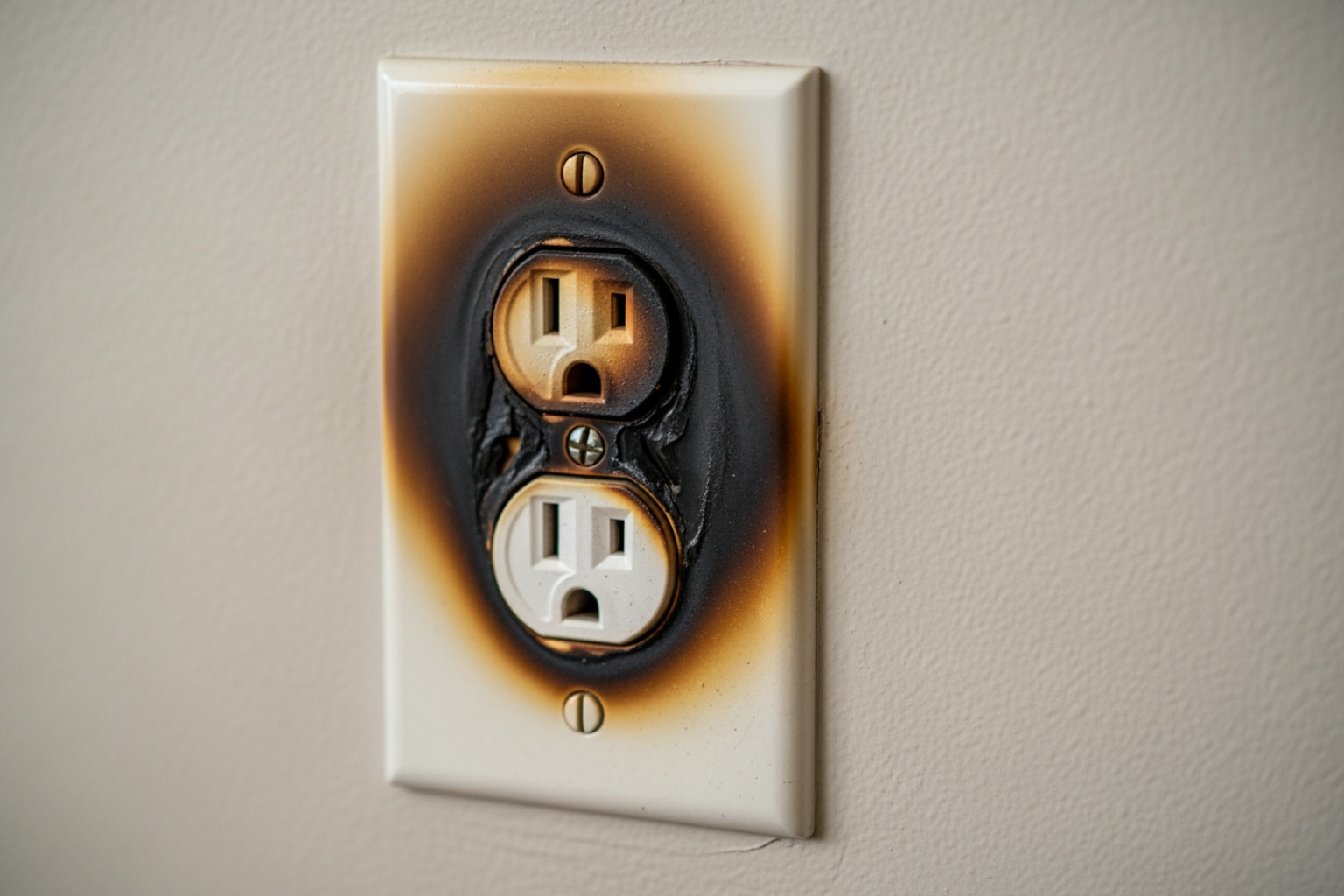
- Warm Outlets or Burning Smells: This is the most serious sign. Heat is a byproduct of resistance. If your wires are undersized for the amount of power you’re pulling, they will get hot. This can lead to scorched outlets or, worse, an electrical fire.
- The “Fuse Box” Factor: If you still have an old fuse box or an outdated panel brand like Federal Pacific or Zinsco, you should consider an upgrade for safety alone. You can read more about signs your electrical panel is outdated on our blog.
If you’re seeing these signs, it’s not just an inconvenience—it’s a safety risk. Overloaded wires can melt their insulation, leading to shorts behind your walls where you can’t see them.
What Goes Into an Electrical Service Upgrade?
An upgrade 100 amp service to 200 amp is a lot more than just swapping out a metal box on the wall. It’s a comprehensive overhaul of how power gets from the utility pole into your home’s circuits. At Harmony Electric, we handle the whole process, but it’s helpful for you to know the moving parts.
First, we have to coordinate with your utility provider, like Xcel Energy. They own the “service drop”—the wires coming from the street to your house. While they often handle the exterior wire upgrade, we have to ensure that everything from the point of attachment down into your home is rated for 200 amps.
Main Parts of a 200 Amp Upgrade
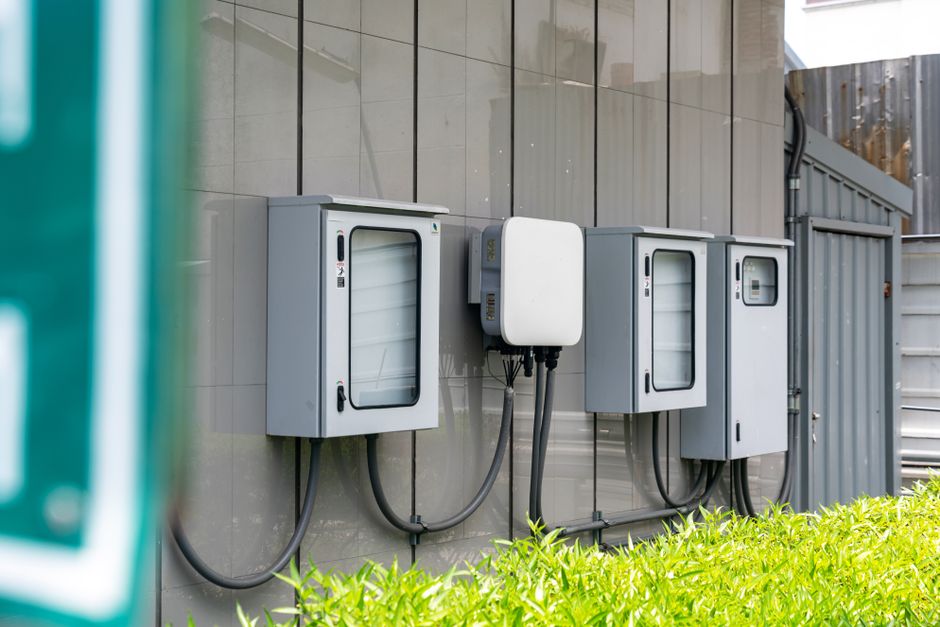
- 200-Amp Meter Base: Your old meter base was likely only rated for 100 or 125 amps. We replace this with a larger, heavy-duty base that can safely handle the increased current.
- Main Service Panel: This is the heart of the system. A new 200-amp panel usually offers 40 to 50 circuit spaces, giving you plenty of room for home rewiring or future additions.
- Service Entrance (SE) Conductors: These are the thick wires that run from the meter to your panel.
- Grounding Rods and Bonding Jumpers: Safety first. We drive two eight-foot copper rods into the ground and bond your plumbing system to ensure that any stray electricity has a safe path to the earth.
- Circuit Breakers: We install a new 200-amp main breaker and appropriately sized branch breakers for your existing lights and outlets.
Choosing the Right Wires for the Job
In the electrical world, size matters. To carry 200 amps safely, we have to use much thicker wire than what was used for your 100-amp service.
- 2/0 Copper or 4/0 Aluminum: These are the standard sizes for a 200-amp residential service. In plain English, these wires are about as thick as your thumb.
- Why it matters: If we tried to push 200 amps through the old #2 aluminum wires used for 100-amp service, those wires would act like the heating element in a toaster. They would get incredibly hot and eventually melt.
- Code Compliance: The NEC (National Electrical Code) is very specific about wire sizing. Using the right materials ensures that your system runs cool and passes inspection without a hitch.
Permits, Inspections, and What It All Costs
I always tell my neighbors in Castle Rock and Lone Tree: never hire an electrician who says you don’t need a permit for a service upgrade. Permits and inspections are your best friend. They ensure that a third-party expert (the city or county inspector) verifies that the work we did is safe and meets all local codes.
The Cost Breakdown: In the Denver Metro area, a standard upgrade 100 amp service to 200 amp typically costs between $3,000 and $6,000. Why the big range? It depends on a few things:
- Distance: How far is your panel from the meter?
- Configuration: Is your service overhead or underground? Underground service often requires trenching, which adds to the labor.
- Code Updates: Sometimes we find that the existing electrical panel replacement vs repair isn’t the only issue—we might need to bring your grounding or smoke detectors up to modern standards.
The Timeline: The actual “power out” time is usually only 4 to 8 hours on the day of installation. However, the whole project takes about 4 to 6 weeks. Most of that time is spent waiting on the utility company to approve the plans and the city to issue the permits. We handle all that paperwork for you so you don’t have to navigate the bureaucracy.
Common Questions About Upgrading to 200 Amps
Can I put in a 200 amp panel if my utility service is still 100 amps?
Yes, you can. We call this a “phased upgrade.” Sometimes a homeowner needs to replace a damaged or dangerous 100-amp panel immediately but isn’t ready for the full service upgrade. We can install a 200-amp-rated panel but use a 100-amp main breaker. This gives you more circuit spaces immediately, but you won’t have the full 200-amp capacity until the utility wires and meter are also upgraded. It’s a great way to prep for a future EV charger.
Will a bigger panel raise my electric bill?
I get asked this a lot. The answer is no. Your electric bill is based on how much energy you consume, not how much your panel is capable of providing. It’s like having a larger gas tank in your car—it doesn’t mean you’ll burn more fuel; it just means you have more capacity when you need it. In fact, a modern panel can sometimes be more efficient because the connections are tighter and the wiring runs cooler.
Can a 100 amp panel handle more than 100 amps if I balance the loads?
Technically, a 100-amp panel provides 100 amps per leg (it’s a 240V system). So, if you have only 120V loads perfectly balanced, you could theoretically pull 200 amps of 120V power. However, the main breaker is a hard limit. If you pull more than 100 amps total at 240V, that main breaker will trip. Trying to “cheat” the system by balancing loads is risky and doesn’t change the fact that the service entrance wires are only rated for 100 amps. Safety first—don’t push it.
Wrapping Up
Upgrading your home’s electrical service is one of the smartest investments you can make for your property’s safety and future value. Whether you’re adding a hot tub in Parker or an EV charger in Centennial, having that 200-amp capacity gives you the freedom to live your life without worrying about your electrical system.
At Harmony Electric, we pride ourselves on doing the work right the first time. Led by me, Randy Harmuth, our team focuses on clear communication and high-quality results. Select installations are backed by a lifetime workmanship guarantee, along with a three-year material warranty because we stand behind what we do.
If you’re ready to upgrade 100 amp service to 200 amp, or if you just want a second opinion on what you’ve got, give us a call. We serve the entire Denver Metro area, including Castle Pines, Highlands Ranch, and Lone Tree. You’ll get an honest assessment and a fair price — nothing complicated, and no upselling.
If you want a non-sales, plain-English resource on why panel upgrades matter, the U.S. Department of Energy has a solid overview here: Electrical panel upgrades (Energy.gov)
Ready for a power boost? Contact Harmony Electric today to schedule your estimate.