Why Understanding Your Electric Panel Matters
As a master electrician in Denver, I can tell you that most homeowners don’t think about their electrical panel until something goes wrong—a flickering light, a tripped breaker, or the smell of something burning.
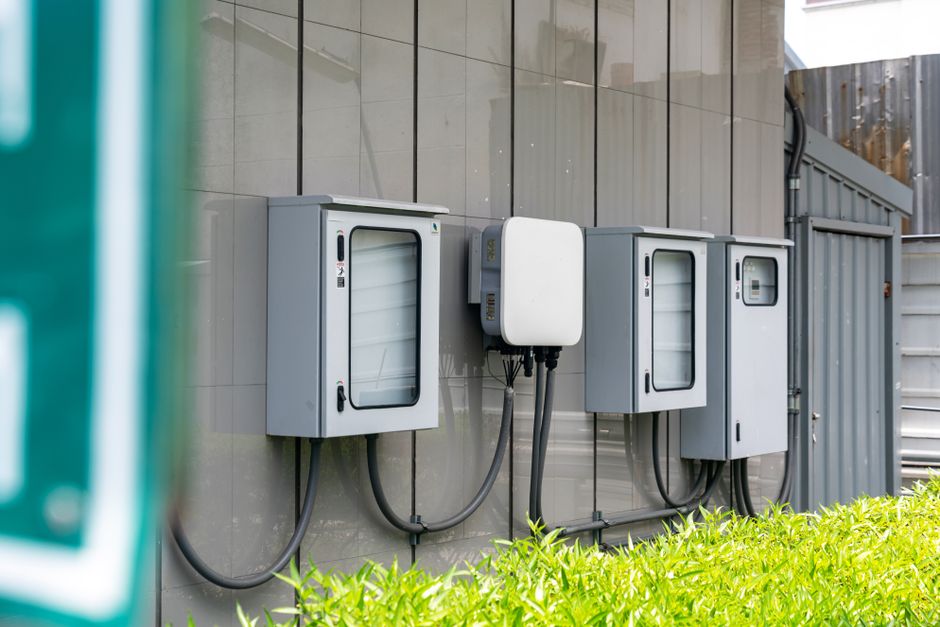
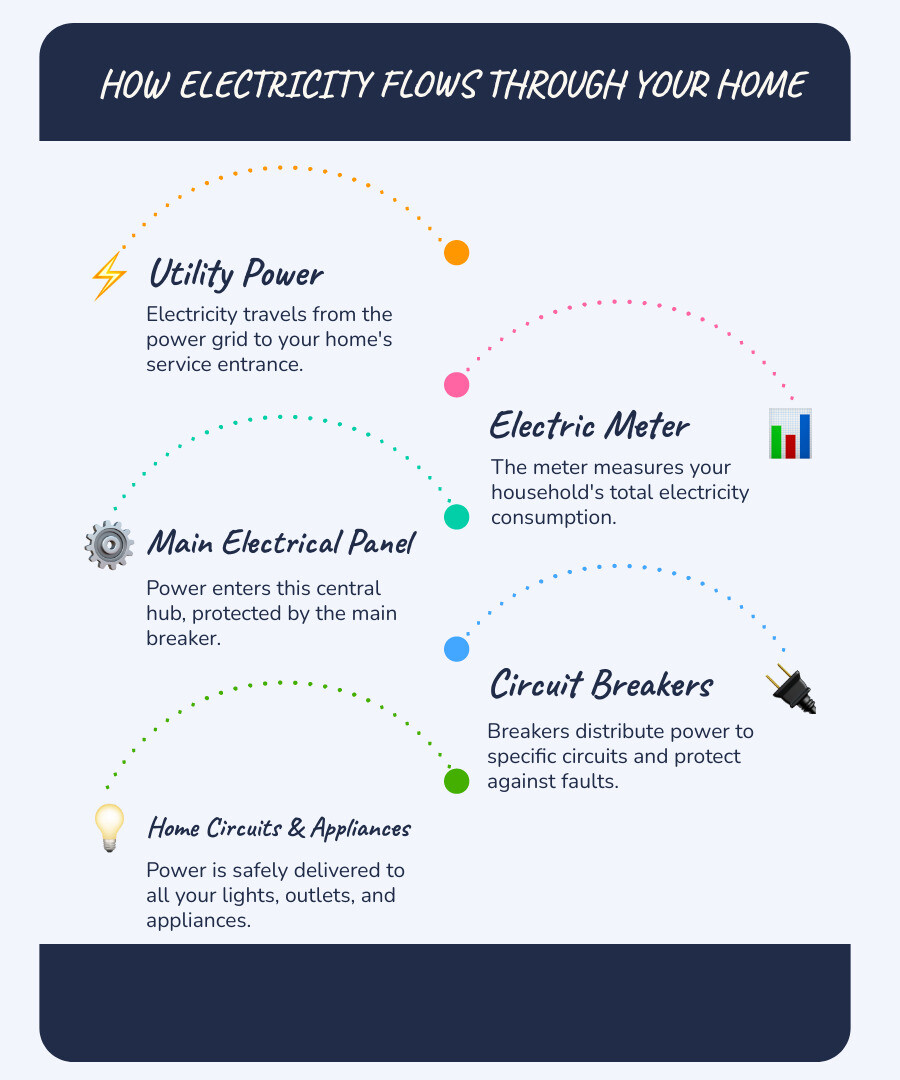
But that gray metal box in your garage or basement isn’t a mystery. It’s the heart of your home’s power system. It takes power from the utility, sends it to every outlet and switch, and most importantly, protects you from electrical fires and shocks.
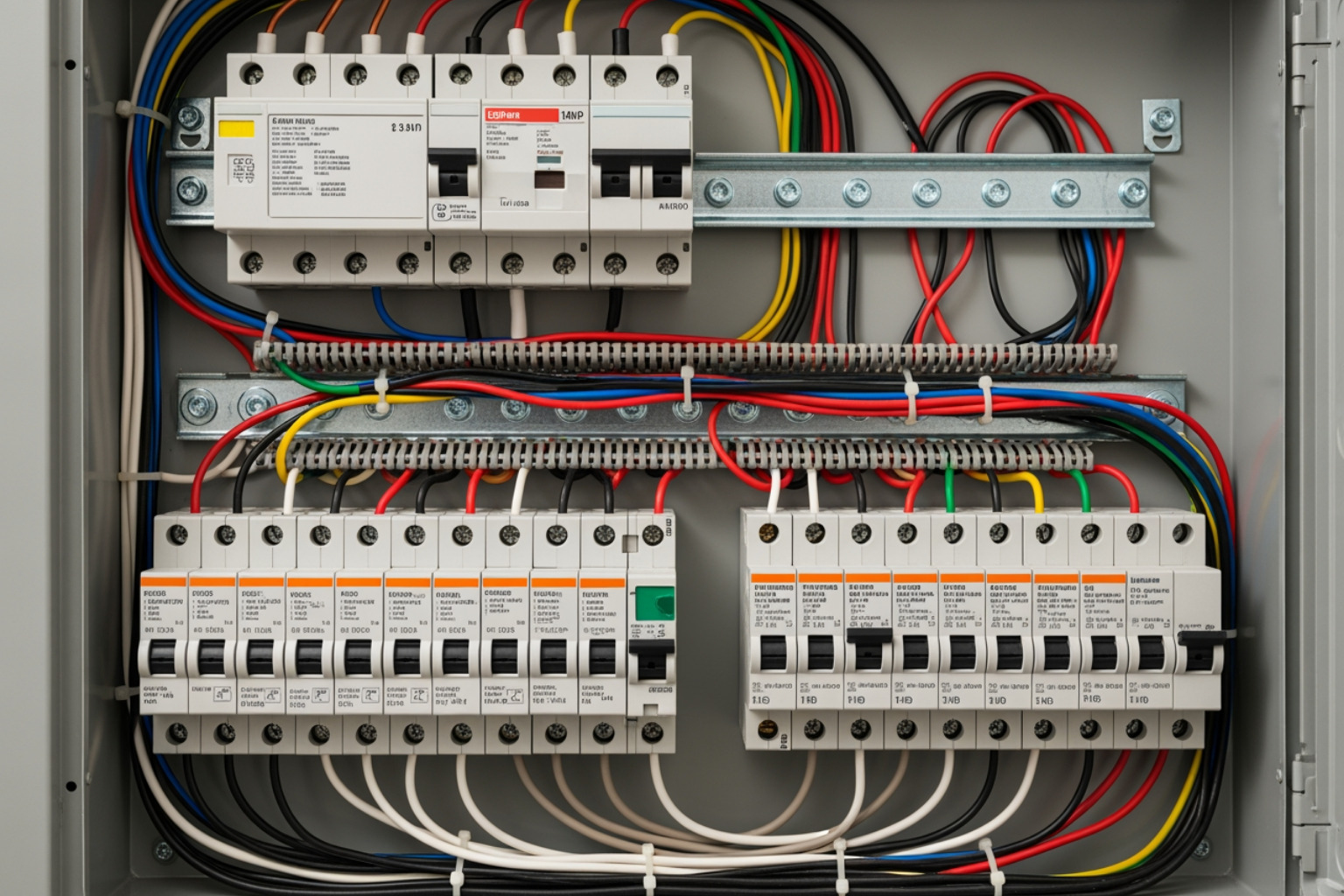
Inside electric panel boxes, you’ll find these main components:
- Main Breaker: The master switch for all power to your home.
- Circuit Breakers: Individual switches protecting specific circuits.
- Hot Bus Bars: Metal strips that distribute power to the breakers.
- Neutral Bus Bar: Completes the electrical circuit.
- Grounding Bus Bar: A safety path to the earth for stray current.
In older homes around here, I often find outdated panels that can’t safely handle modern life. The labels are gone, and the owner has no idea what controls what.
This guide will break down what’s inside that box in plain English. You don’t need to be an electrician, but knowing the basics helps you spot problems, talk to pros like me, and make smart decisions about your home’s safety.
Quick inside electric panel definitions:
- changing a fuse box to a breaker box
- changing breaker in panel
What Is an Electrical Panel and Why Is It So Important?
Think of your electrical panel as the command center for your home’s power. It’s where electricity from the utility company enters and gets safely distributed to every light, outlet, and appliance.
Its two primary functions are:
- Power Distribution: It directs electricity to different circuits, ensuring everything from your kitchen appliances to your bedroom lights has power.
- Safety Gatekeeper: This is its most critical role. The panel protects your wiring from damage. If a circuit gets overloaded or there’s a dangerous short circuit, a breaker “trips” to shut off power, preventing overheating and potential fires.
You might hear it called a few different names:
- Breaker box: A common term because it holds all the circuit breakers.
- Load center: Highlights its job of managing your home’s electrical “load” or power demand.
- Service panel: The more technical term we electricians use.
- Fuse box: An older type found in some homes that uses fuses instead of resettable breakers.
What I usually see in Denver homes are panels located in a dry, accessible spot like a garage, basement, or utility closet.
Understanding this component is the first step to knowing your home’s electrical system.
A Look Inside Your Electric Panel: The Key Components
When a qualified professional opens an electrical panel, we see a system designed to manage and protect your home’s power. While it looks intimidating, each part has a specific job.
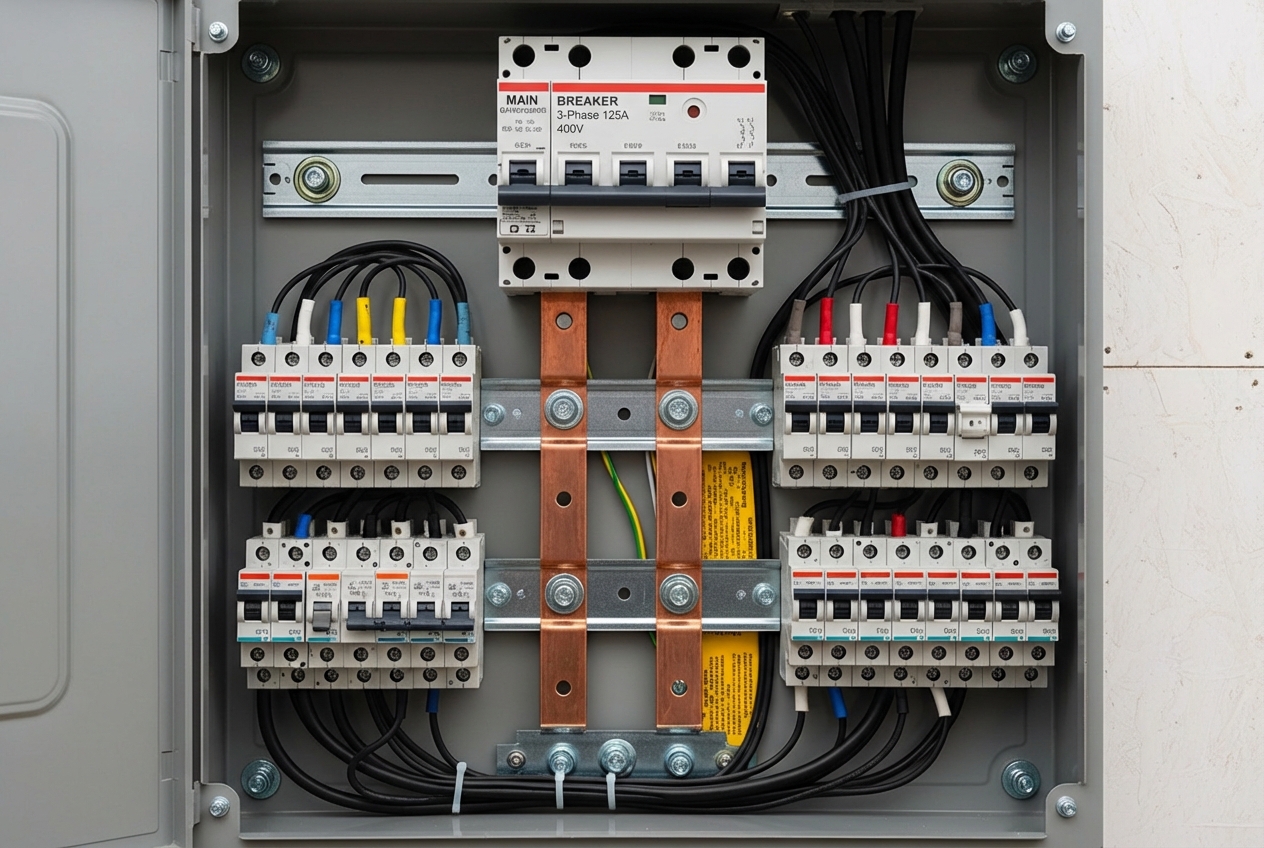
Let’s break down the main components you’d find inside electric panel:
The Main Breaker: Your Home’s Master Switch
At the top, you’ll find the main breaker, the largest switch in the box. It’s your home’s master power switch.
- Function: It controls all power coming into your home. Flipping it off shuts down everything.
- Amperage Rating: This number (e.g., 100A, 200A) indicates the maximum electricity your home can safely use at once.
- Shutting Off Power: Use this switch to de-energize your home for major work or in an emergency.
The Bus Bars: Power Distribution Hub
Behind the breakers are the hot bus bars, which are thick metal strips.
- Two Hot Bus Bars: In a standard home panel, two bars each carry 120 volts of electricity from the main breaker.
- How Breakers Connect: Circuit breakers snap onto these bars to draw power.
- 120V vs. 240V Power:
- A single-pole breaker connects to one bar for 120V circuits (lights, standard outlets).
- A double-pole breaker connects to both bars for 240V circuits (dryers, electric ranges).
The Neutral and Grounding Bars: A Path for Safety
On the sides of the panel are the neutral bus bar and grounding bus bar.
- Role of the Neutral Bus Bar: After electricity powers your devices, neutral wires return the current to this bar, completing the circuit back to the utility grid.
- Role of the Grounding Bus Bar: This is your safety net. Grounding wires connect here, providing a path to the earth for any stray current, which is crucial for preventing shocks and fires. You can learn more about this safety system here: The Grounding Electrode System.
- Bonding in Main Panels vs. Subpanels: This is an important distinction. In a main service panel, the neutral and ground bars are bonded (connected) together. In subpanels (smaller panels fed by the main one), they must be kept separate for safety.
Understanding these parts helps you appreciate the engineering that keeps your home powered and safe.
How Circuit Breakers Protect Your Home
Circuit breakers are the unsung heroes inside electric panel. They are sophisticated safety devices, not just on/off switches.
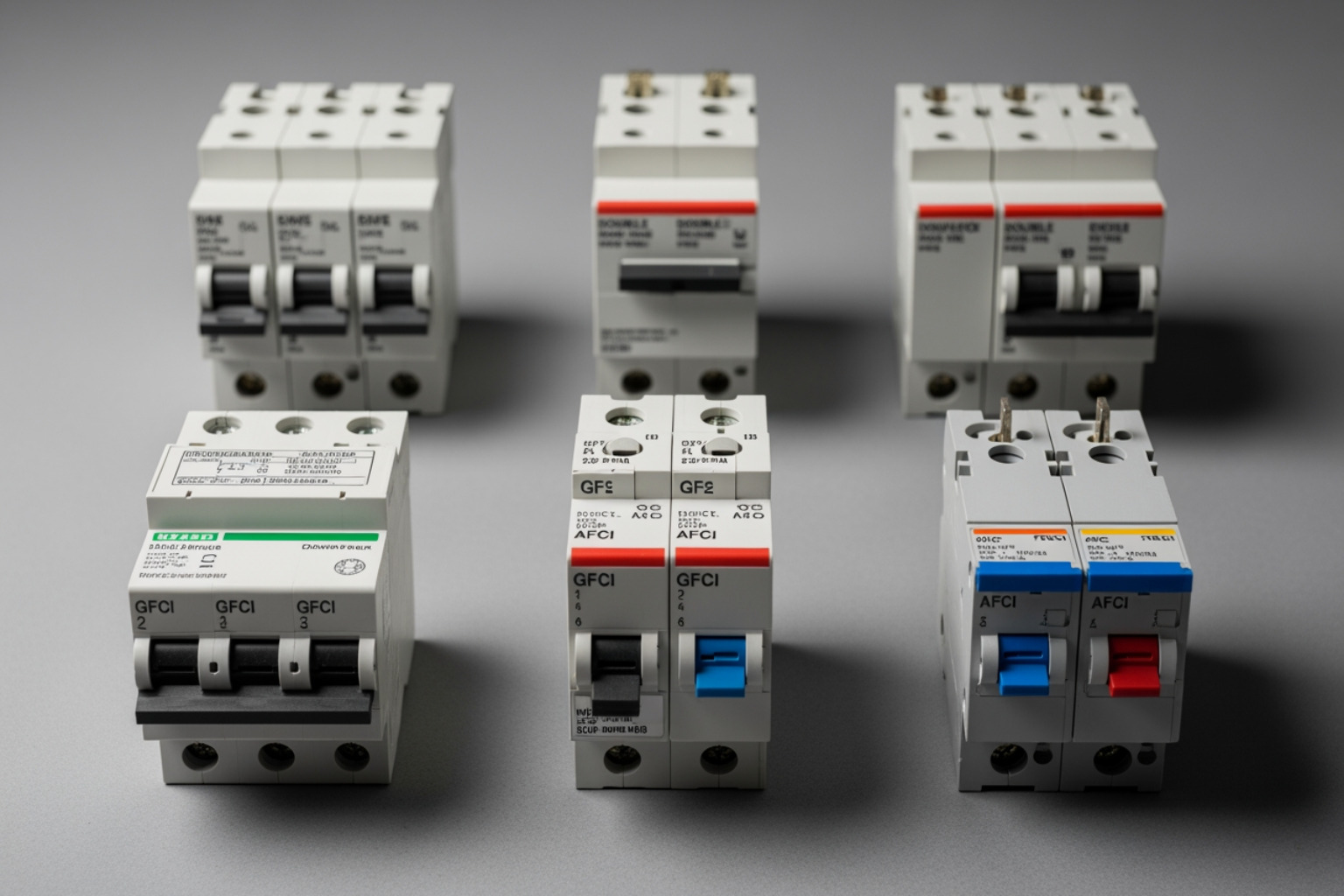
The Different Types of Circuit Breakers
When you look inside electric panel, you’ll see different breakers for specific jobs:
-
Single-Pole Breakers: The most common type (15 or 20 amps). They control 120-volt circuits for general lighting and outlets.
-
Double-Pole Breakers: These are wider and handle 240 volts for large appliances like electric dryers, ranges, and central air conditioners.
-
GFCI Breakers: A Ground-Fault Circuit Interrupter prevents serious electrical shocks. It detects tiny imbalances in current—like if an appliance falls into water—and trips instantly. They are required in wet areas like bathrooms, kitchens, and garages.
-
AFCI Breakers: An Arc-Fault Circuit Interrupter is designed to prevent fires. It detects dangerous electrical arcs or sparks from damaged wiring, which can ignite insulation or wood. They are required in bedrooms and living areas.
Understanding Overloads and Short Circuits
Breakers guard against two main problems:
-
What Causes an Overload? An overload happens when you draw more power than a circuit can handle, like plugging too many appliances into one circuit. The breaker trips before the wires can overheat and cause a fire.
-
What Causes a Short Circuit? This is a more sudden event where a “hot” wire touches a neutral or ground wire. This creates a massive surge of current that can cause sparks and fire. The breaker trips instantly to stop it.
-
How a Breaker ‘Trips’: During an overload or short circuit, an internal mechanism trips a spring-loaded switch, moving the handle to the “off” or a middle position. To reset it, push the handle firmly to “off,” then back to “on.” If it trips again, there’s a problem that needs a professional.
-
How Breakers Prevent Fires: By interrupting power during these events, breakers stop wires from overheating, which is a primary cause of electrical fires. A GFCI breaker is especially sensitive to a ground fault, where electricity takes an unintended path, potentially through a person.
Is Your Panel Keeping Up? Sizing, Upgrades, and Modern Life
Most electrical panels last 25 to 40 years, but the electrical demands of a modern Denver home have grown significantly. Panels installed decades ago often weren’t designed for today’s collection of computers, EVs, and smart devices.
Common Signs You Need an Electrical Panel Upgrade
How do you know if your panel is struggling? Here are common signs I see in homes from Castle Rock to Highlands Ranch:
- Frequent Breaker Tripping: A clear sign your panel is overloaded.
- Flickering or Dimming Lights: Often indicates an inconsistent power supply.
- Buzzing Sounds or Burning Smells: Serious red flags. Shut off the main breaker and call an electrician immediately.
- Warm Breakers or Outlets: Suggests overheating and fire hazards.
- Having an Old Fuse Box: These are typically undersized and less safe than modern breaker panels.
- Reliance on Power Strips: Means you don’t have enough dedicated circuits.
- Visible Damage or Corrosion: Rust or damage on or inside electric panel requires immediate attention.
Some older brands, like Federal Pacific Electric (FPE) and Zinsco, have known safety issues and should be replaced. An upgrade improves safety, increases capacity, and can raise your home’s value.
Sizing Your Panel for Today’s Needs
Panel “size” is measured in amps, found on your main breaker.
- 60-Amp Panels: Outdated and almost always need an upgrade.
- 100-Amp Panels: Common in older homes but may be insufficient for modern electrical loads.
- 150-Amp Panels: A good upgrade for homes with multiple large appliances.
- 200-Amp Panels: The modern standard, suitable for most new homes and those with heavy energy demands.
- 400-Amp Panels: For very large homes with workshops, multiple EV chargers, or other high-energy needs.
Upgrading from 100 to 200 amps is a common project we handle in Centennial and Lone Tree. It’s an investment in safety and functionality.
Panels for a Modern, All-Electric Home
As homeowners electrify with heat pumps and EV chargers, the panel’s capacity becomes crucial.
-
Subpanels: If your main panel is full or you’re adding a workshop or finished basement, a subpanel can be installed. It’s a smaller, secondary panel fed by the main one to add circuits to a specific area.
-
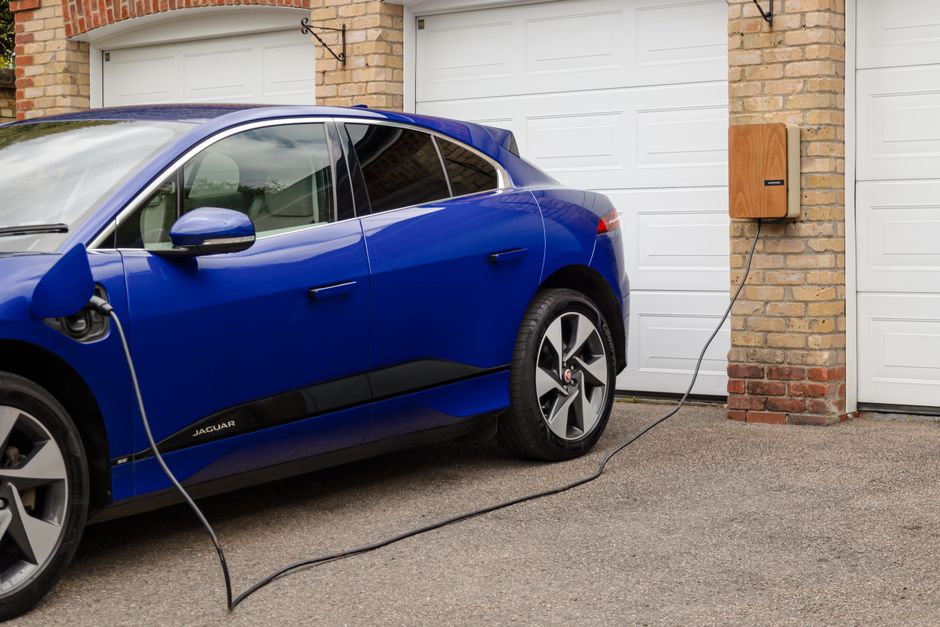
Solar and EV Chargers: Solar panel installations and Level 2 EV chargers require a modern panel that can handle the load and meet code. An older 100-amp panel often lacks the space or capacity for a dedicated 240v outlets these systems need.
-
Federal Tax Credits: You may be eligible for a tax credit for upgrading your panel. If you install a new panel (200 amps or more) as part of an energy-efficient home improvement, you could get a credit of 30% of the cost, up to $600. See the details on the electrical panel upgrade tax credit for requirements.
Frequently Asked Questions About Electrical Panels
Here are answers to some of the most common questions we get from homeowners in the Denver area.
What are the main components inside an electric panel?
To recap, the main components inside electric panel are:
- Main Breaker: The master power switch.
- Circuit Breakers: Protect individual circuits.
- Hot Bus Bars: Distribute power to the breakers.
- Neutral Bus Bar: Completes the electrical circuit.
- Grounding Bus Bar: Provides a safety path to the earth.
What are the safety considerations when looking inside an electric panel?
Never attempt to open or work inside your electrical panel unless you are a qualified electrician. It is extremely dangerous.
- Always-Live Parts: The main lugs where power enters the panel are always energized, even with the main breaker off. Touching them can be fatal.
- Keep the Area Clear: Ensure the area around your panel is dry and unobstructed.
- Know Your Main Breaker: You should know how to find and flip your main breaker in an emergency, but do not open the panel cover.
- When to Call a Pro: If you notice buzzing, burning smells, or frequent tripping, call a professional. This is not a DIY job.
What’s the difference between a main panel and a subpanel?
- Main Panel: This is your home’s primary panel, receiving power directly from the utility meter. It contains the main breaker for the whole house.
- Subpanel: This is a smaller, secondary panel that gets its power from the main panel. We install them for additions, workshops, or detached garages to add more circuits where they’re needed.
Your Panel is the Foundation of a Safe Home
Your electrical panel is the control center that powers your life and protects your family. Understanding what’s inside electric panel is key to maintaining a safe home, but working on it is a job for professionals.
The dangers of live electricity are immense. Beyond resetting a tripped breaker, please leave panel work to a licensed electrician. At Harmony Electric, we pride ourselves on doing the job right the first time for our neighbors across the Denver Metro Area.
If you have concerns about your panel, are planning a renovation, or want to upgrade for an EV charger, we’re here to help with honest recommendations and professional service.
Don’t wait for a small issue to become a big problem. Contact us for any electrical needs. We’re always happy to help.