Real-World EV Charger Installation Pricing and Baseline Ranges
Most homeowners are surprised to learn that buying the charging unit is often the smallest part of the total project. To understand how electrical contractors price these jobs, it helps to look at the average cost of ev charger installation across different project scopes.
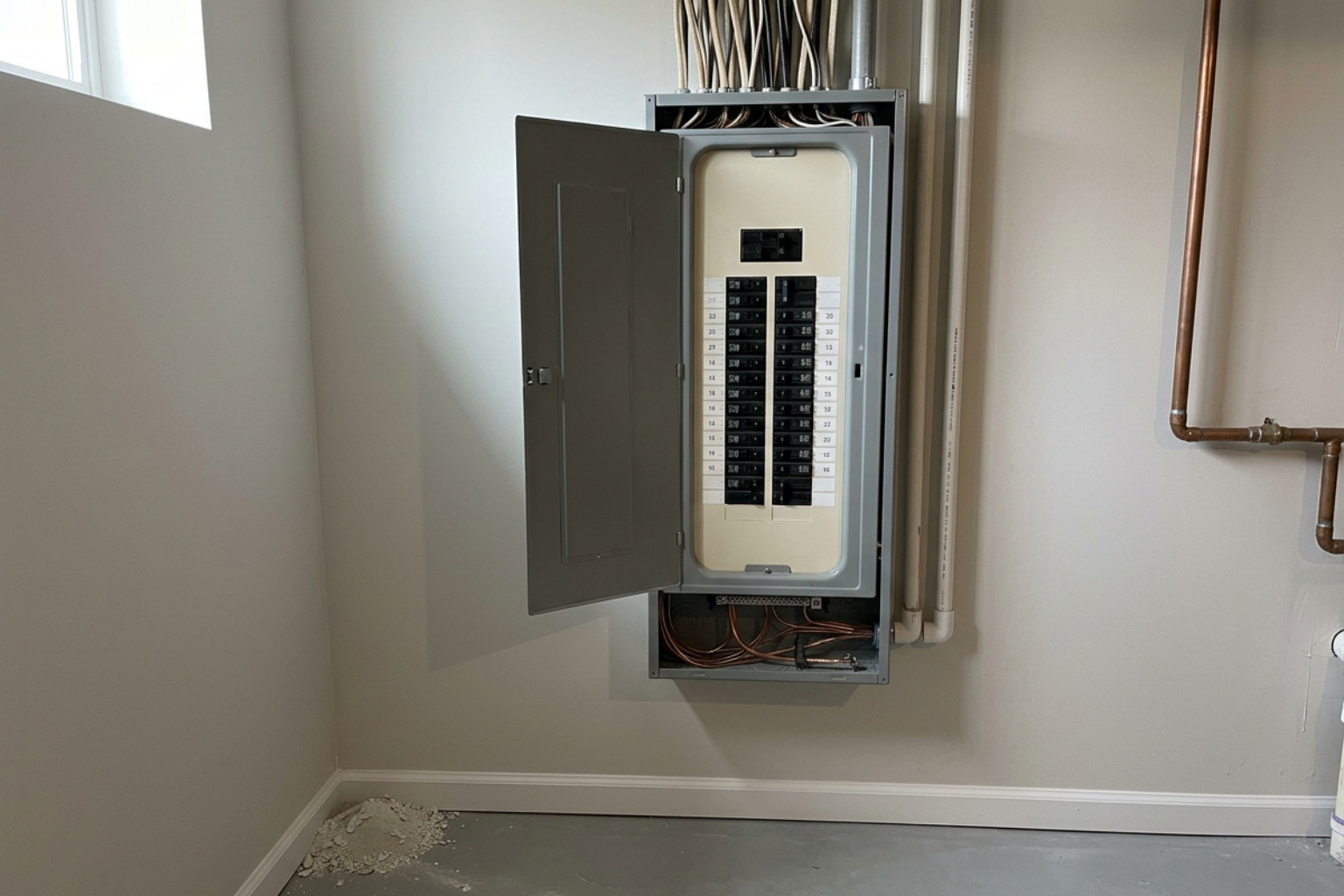
A simple installation involves mounting a wall unit right next to an existing breaker box that already has enough power capacity. In contrast, a complex layout involves running heavy copper wire across a finished basement, through an attic, or out to a detached garage.
| Project Scope | Typical Labor & Materials | Hardware Cost | Total Estimated Price |
|---|---|---|---|
| Simple Garage Setup (adjacent to 200A panel) | $400 – $1,000 | $400 – $700 | $800 – $1,700 |
| Standard Wire Run (25–50 ft from breaker box) | $900 – $2,200 | $450 – $800 | $1,350 – $3,000 |
| Complex Wire Run with Attic / Drywall Work | $1,800 – $3,500 | $500 – $900 | $2,300 – $4,400 |
| Detached Garage with Outdoor Trenching | $3,500 – $7,500 | $500 – $900 | $4,000 – $8,400 |
| Installation with 200A Service Panel Upgrade | $3,200 – $5,500 | $500 – $800 | $3,700 – $6,300 |
When budgeting for juice your guide to ev charger installation expenses should account for equipment MSRP, municipal permit fees, and baseline electrician labor. Dedicated 240V circuits require heavy-gauge wiring designed to carry continuous power for hours at a time.
How Hardware Tiers Impact EV Charger Installation Pricing
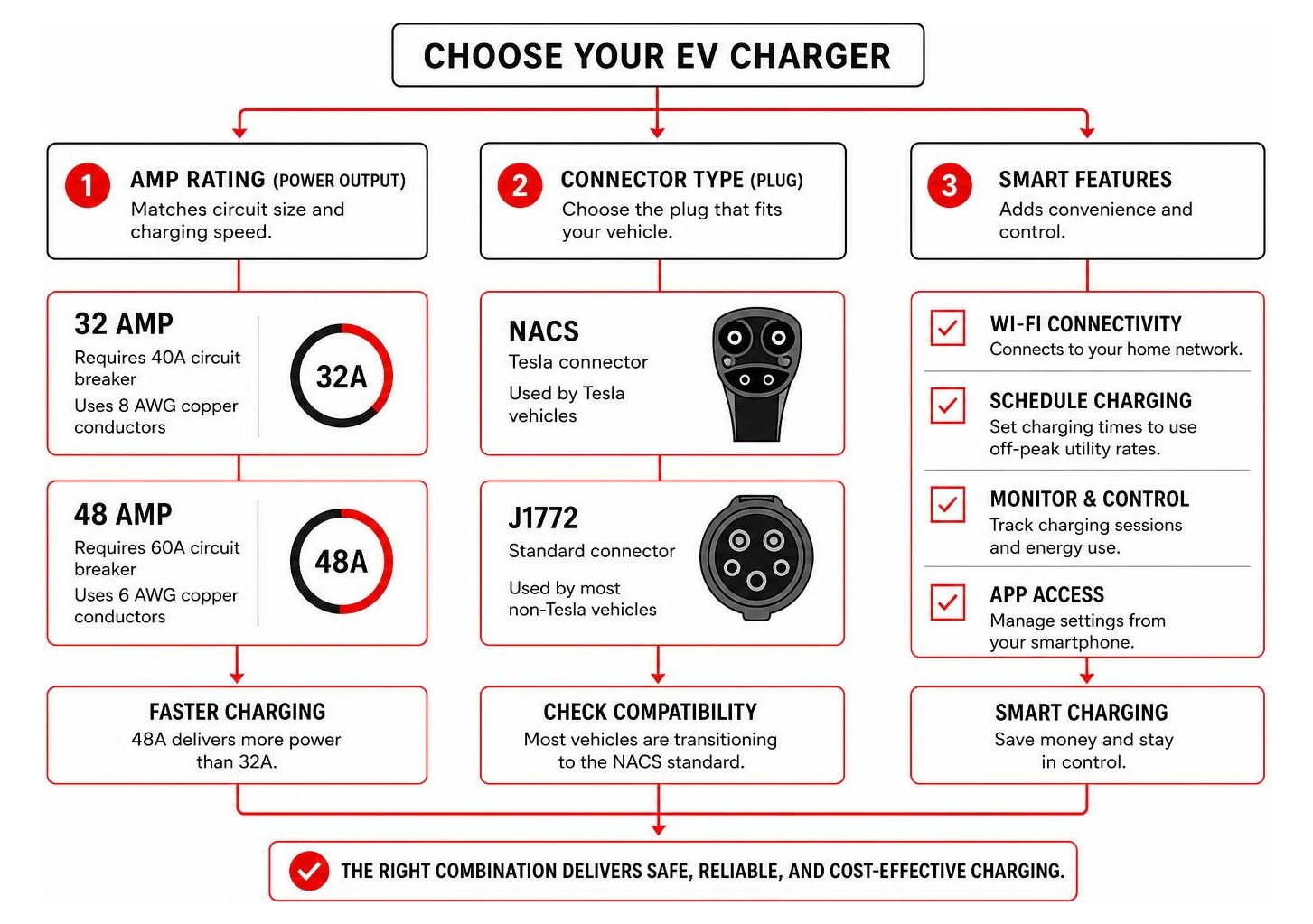
The hardware you choose directly influences your equipment costs, generally ranging from $400 to $1,000. Basic Level 2 chargers provide simple, reliable charging without network features, while smart EVSE models connect to your home Wi-Fi to schedule charging during off-peak utility hours.
Popular models like the Tesla Wall Connector, ChargePoint Home Flex, and Emporia offer power outputs between 32 amps and 48 amps. If you own vehicles from different manufacturers, connector type matters. Most modern electric vehicles are transitioning to the NACS standard, though many setups still use the traditional J1772 connector. Premium units with longer 25-foot cords offer added parking flexibility, though they add slightly to hardware costs.
Conduit Distance and Wiring Run Expenses
The physical distance between your breaker box and your charging location is one of the largest variables in your overall price. Copper wire is expensive, and charging an electric vehicle creates continuous electrical heat that demands thick conductors.
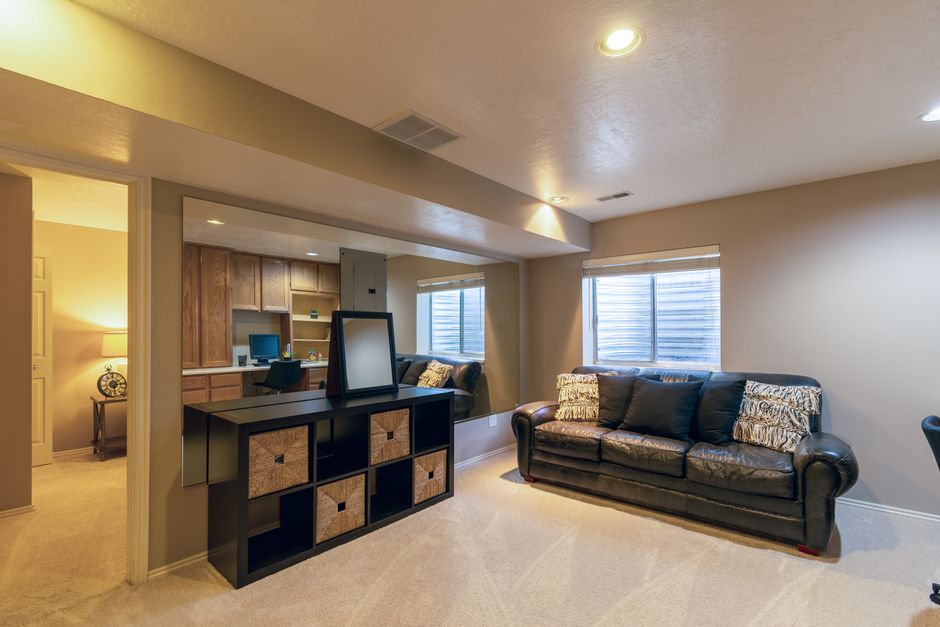
A 32-amp charging setup generally requires 8 AWG copper conductors, while a faster 48-amp charger requires heavy 6 AWG wire protected by a 60-amp circuit breaker. When we are breaking down the bill what to expect for your home ev charger installation, wiring runs crossing finished basements, navigating tight crawlspaces, or passing through attics require extra labor hours and drywall repair considerations.
Hardwired vs. Plug-In Connections: Hidden Labor and Hardware Fees
When setting up home charging, you have two primary options: hardwiring the charging unit directly into your electrical system, or installing a 240V NEMA 14-50 plug receptacle.
While many assume plugging into an outlet is cheaper, hardwiring is often more cost-effective and provides better long-term reliability. Electric vehicles draw sustained power for three or more hours, which falls under the electrical continuous load 80 percent rule. That means a 50-amp circuit can safely supply 40 amps of continuous power, whereas a hardwired 60-amp circuit allows your charger to deliver a full 48 amps. If you are comparing connection styles, reviewing how to unlock level 2 charging your step by step 240v outlet installation helps clarify how each method works.
GFCI Breaker Requirements and Plug Receptacles
Recent electrical safety standards require GFCI protection on all 240V garage receptacles. A dedicated 240V GFCI circuit breaker can add $120 to $200 in material costs compared to a standard breaker.
Plugging a smart charger into a GFCI-protected outlet can also lead to “nuisance tripping,” because most charging units already have sensitive internal GFCI monitoring built in. When two GFCI systems monitor the same line, they can conflict and shut off power overnight.
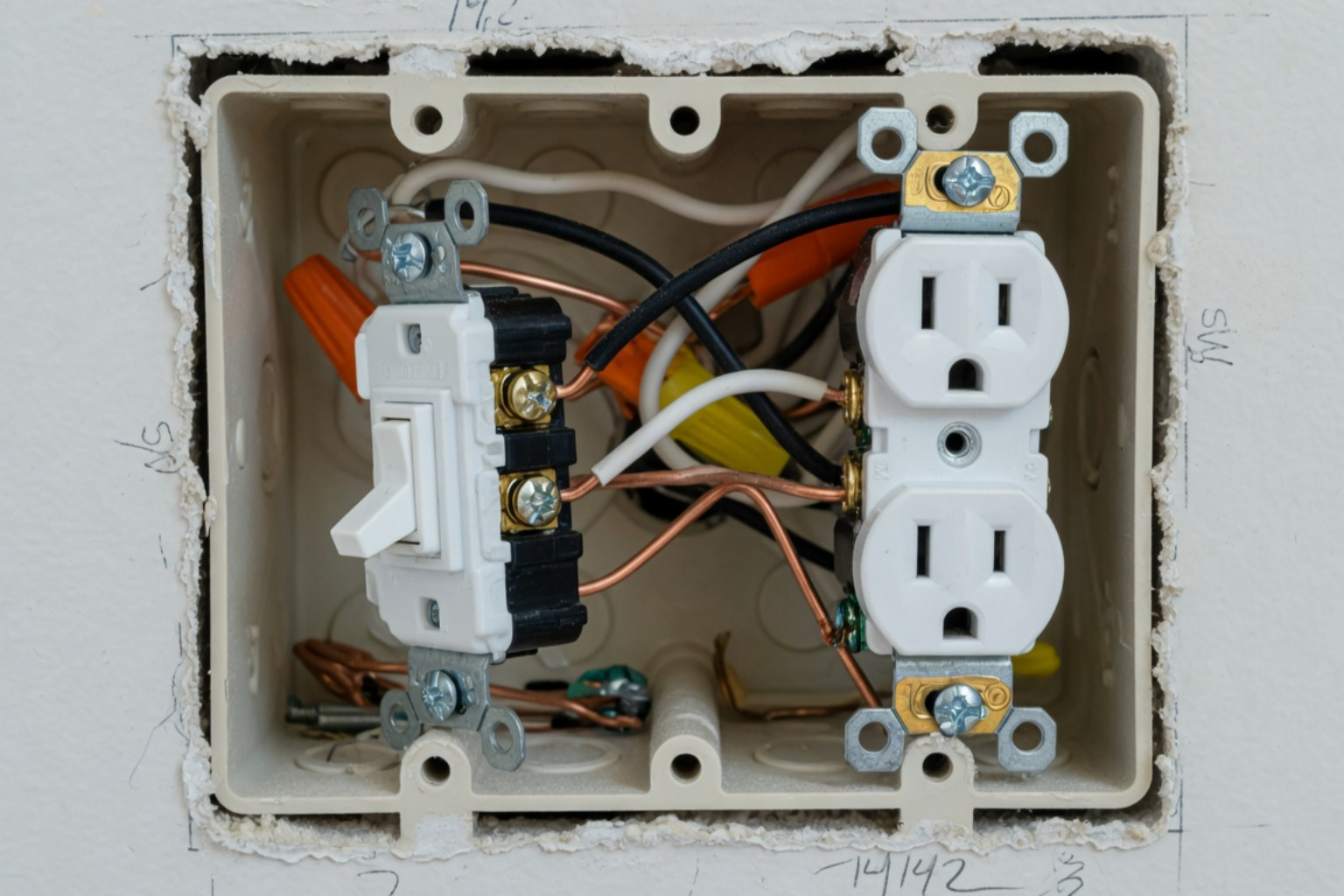
Standard builder-grade outlets found in hardware stores are only rated for occasional plugging and unplugging, like a clothes dryer. Daily high-amperage EV charging requires commercial-grade receptacles (such as Hubbell or Bryant) to avoid heat damage, which adds another $50 to $90 to the project. Hardwiring eliminates both the external GFCI breaker expense and the specialty outlet, helping you easily pass your passed or failed the ultimate guide to ev charger installation inspections.
Indoor Garages vs. Detached Trenching Projects
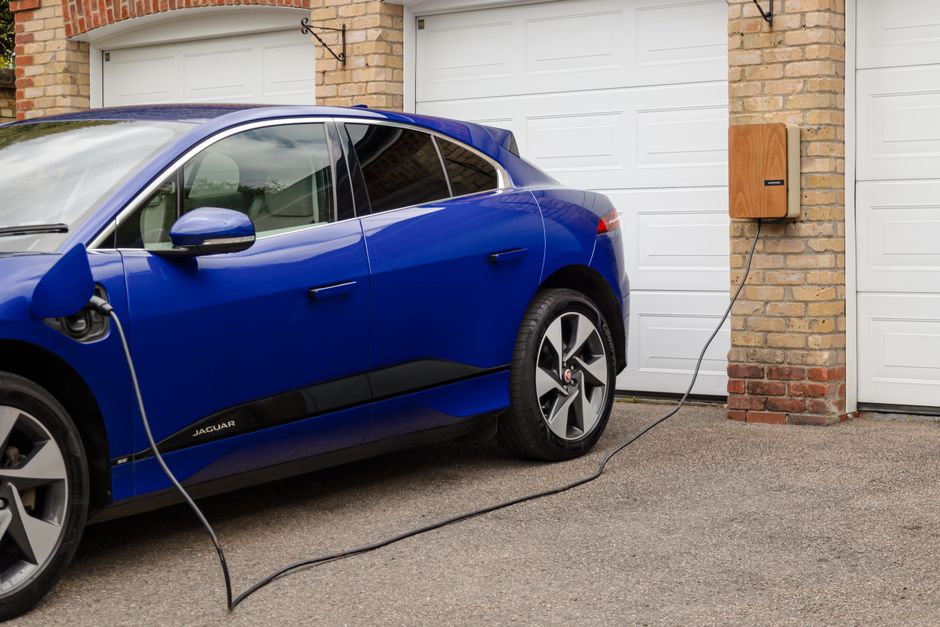
Mounting a charger inside an attached garage is the most straightforward installation scenario. The wiring runs along interior framing or surface-mounted metal conduit, staying completely protected from Colorado’s winter weather.
Outdoor installations and detached garages require additional hardware and site work:
- Trenching Labor: Underground wiring must run through heavy-duty PVC conduit buried at proper safety depths, usually costing $12 to $20 per linear foot.
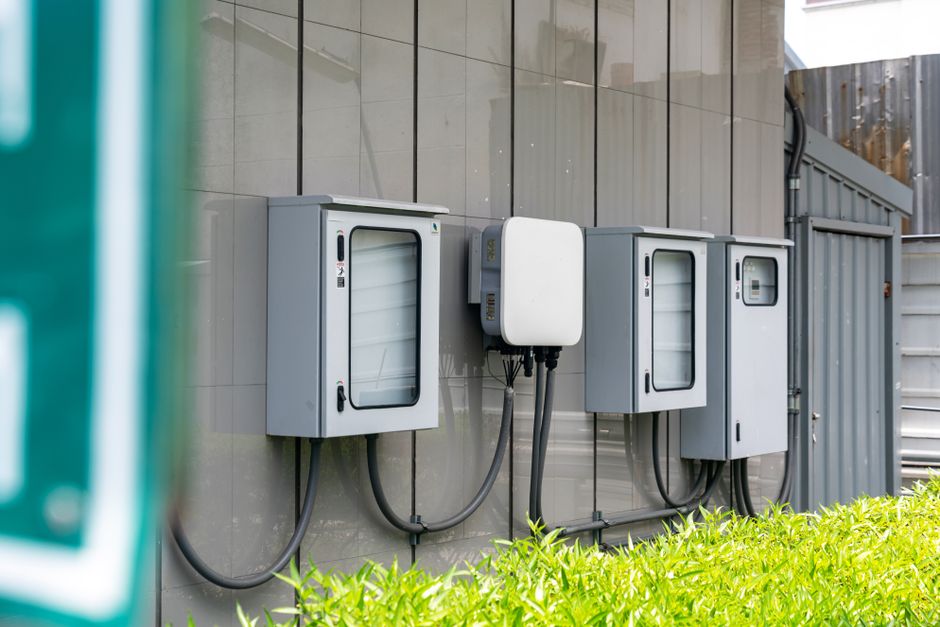
- Weatherproof Equipment: Outdoor wall stations or driveway pedestals require NEMA 4 or IP66-rated enclosures to seal out rain, snow, and dust.
- Detached Subpanels: If a detached garage lacks sufficient power, pulling a dedicated high-capacity feeder line is necessary.
Before planning an outdoor station, you can also review municipal electric vehicle charging programs to see how local towns approach public versus residential infrastructure standards.
Electrical Service Demands: Panel Upgrades vs. Smart Load Management
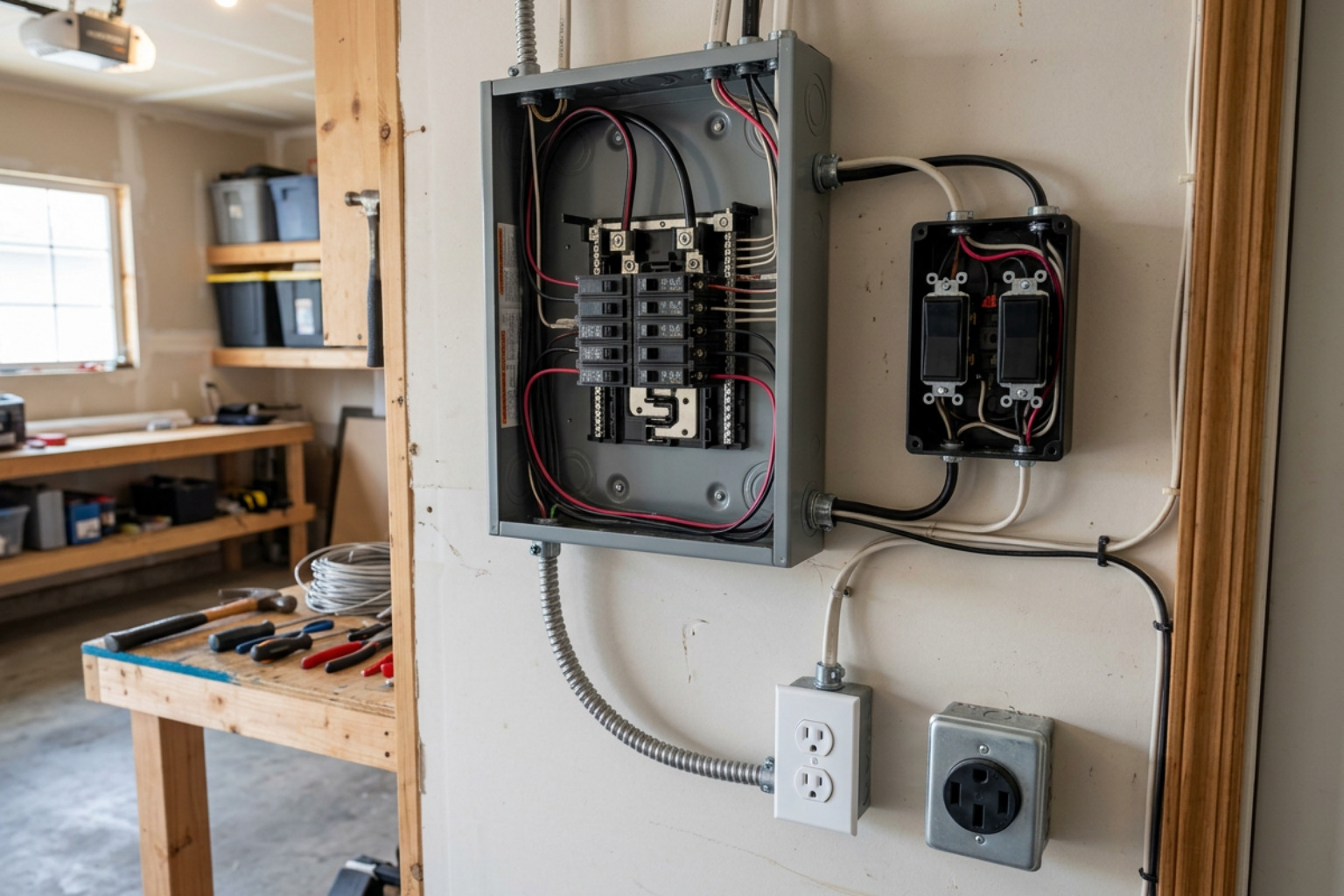
Before installing a charger, an electrician must check whether your main breaker box has enough room for a heavy continuous power draw. We outline these key capacity checks in our ev charger installation guide 2026.
Many homes built several decades ago feature 100-amp electrical panels. When you add modern air conditioning, electric ranges, and clothes dryers, a 100-amp panel may not have the remaining capacity to support a 40-amp or 48-amp charging station without overloading the main service during peak household use.
Electrical Panel Upgrades and EV Charger Installation Pricing
Replacing an older 100-amp breaker box with a modern 200-amp electrical service typically adds $1,500 to $3,500 to the total installation bill.
This work involves replacing the interior breaker panel, installing modern safety breakers, upgrading the grounding system, and coordinating with the local power utility to ensure the service entrance wires from the street can deliver the higher current. While it increases the upfront cost, a 200-amp service upgrade provides plenty of power for future home renovations, air conditioning upgrades, or additional electrical equipment.
Load Shedding Modules and Circuit Sharing
If your electrical panel lacks the room for a full 48-amp charger, you do not always need an expensive service upgrade. Smart load management devices (such as a simple energy monitor or load-shedding switch) allow your EV charger to share power with an existing heavy appliance, like an electric range or clothes dryer.
When the dryer runs, the load monitor pauses or throttles the car charger. As soon as the appliance turns off, the charger returns to full speed. Alternatively, most modern smart chargers allow software de-rating, letting an electrician configure the charger to run at 32 amps on a smaller 40-amp breaker. This still recovers roughly 30 miles of range per hour overnight while keeping your existing panel safe. Knowing these options is why choosing experienced pros from dont get zapped a guide to choosing the right ev charger installers saves you from paying for unnecessary panel replacements.
Rebates, Tax Credits, and Long-Term Charging Savings
Installing a dedicated home charging station requires an upfront investment, but local utility incentives and lower fueling costs offset that expense over time.
You can check current package estimates on our residential services ev charger installation pricing page to see how equipment and labor balance out. While the federal Section 30C alternative fuel property tax credit expired for properties placed in service after June 30, 2026, state and utility incentives remain active.
State Incentives and Utility Time-of-Use Programs
Many local utility providers across the Denver Metro Area offer equipment rebates between $250 and $1,000 for installing qualifying smart chargers.
Utilities also offer Time-of-Use (TOU) electric rates. By using your charger’s app to schedule charging overnight during off-peak hours, you can access discounted electricity rates. You can explore available incentives through Colorado EV tax credits and utility rebates to lower your total out-of-pocket setup costs.
Fuel Savings and Home Value Payback
Home charging costs significantly less than buying gasoline or using commercial DC fast-charging stations. The average residential electricity rate across the region is around $0.17 per kilowatt-hour (kWh).
- Home Charging: Fully recharging a standard 60 to 75 kWh battery overnight costs roughly $10 to $13, delivering 250 to 300 miles of driving range.
- Commercial Fast Chargers: Public stations often charge between $0.35 and $0.48 per kWh, making public charging roughly two to three times more expensive than charging in your garage.
- Gasoline Comparison: Powering an electric vehicle at home costs the equivalent of roughly $1.00 to $1.25 per gallon of gasoline.
For a household driving 12,000 to 15,000 miles per year, switching from a 25-MPG gas car to home EV charging saves roughly $1,000 to $1,500 annually on fuel. These ongoing operational savings typically pay back the initial installation cost within two to three years, while adding practical resale appeal to your home.
Frequently Asked Questions About EV Charger Costs
Can I avoid a panel upgrade by lowering the charger amperage?
Yes. Most quality chargers allow an electrician to adjust the maximum amperage output during setup. Setting a charger to 32 amps requires only an 8 AWG wire and a 40-amp circuit breaker, which often fits safely within an existing panel’s power limits while still providing a full charge overnight.
Why are hardwired EV chargers often cheaper to install than 240V plug-in outlets?
Hardwired chargers connect directly into the electrical box without needing a $120+ 240V GFCI breaker or an expensive commercial-grade NEMA 14-50 receptacle. Hardwiring also eliminates plug-related nuisance tripping and creates a cleaner, longer-lasting connection.
How much does it cost to charge an EV at home compared to public charging?
Charging at home using standard off-peak residential rates usually costs between $7 and $15 for a full battery recharge. Public DC fast charging stations frequently cost $25 to $40 for the same amount of electricity due to commercial demand fees and operator markups.
Conclusion
What I usually see in Denver homes is that getting an EV charger installed does not have to be complicated or stressful. When you work with an experienced professional who takes the time to assess your breaker panel and explain your options, you can avoid unnecessary upgrades and get a setup that charges your vehicle reliably every single night.
I’m Randy Harmuth, Master Electrician and owner of Harmony Electric. We believe in doing electrical work right the first time with clear recommendations, transparent pricing, and clean installations backed by our lifetime workmanship guarantee and a three-year material warranty. Whether you live in Denver, Castle Rock, Castle Pines, Highlands Ranch, Parker, Lone Tree, or Centennial, our team is ready to help you power your vehicle safely.
If you are ready to set up fast, convenient charging at home, visit our residential services ev charger installation page to request an honest estimate from our team.