What Is an EV Charger Installation Inspection (And Why It Matters)?
An EV charger installation inspection is an official review by a licensed municipal inspector to confirm your charger was installed safely and meets local electrical codes — and in most jurisdictions, it’s legally required before you can use the unit.
Here’s a quick summary of what you need to know:
- Who requires it? Your local building or electrical department (called the Authority Having Jurisdiction, or AHJ)
- What do they check? Wire sizing, breaker capacity, grounding, GFCI protection, mounting height, and safety labeling
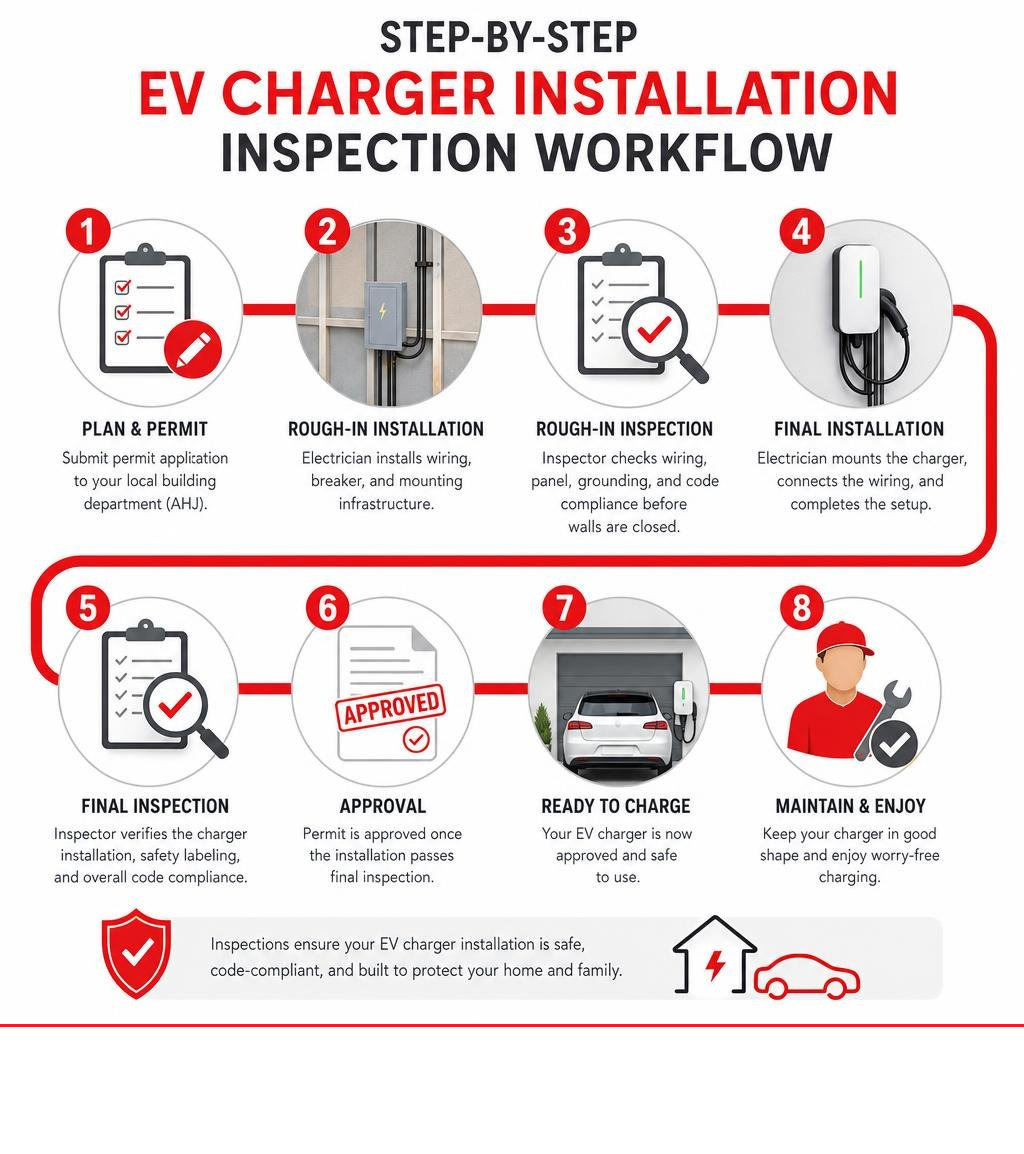
- When does it happen? Typically in two phases: a rough-in inspection (before walls are closed) and a final inspection (after the charger is mounted and connected)
- How long does it take? Residential permits and inspections usually wrap up in 1 to 4 weeks; commercial projects can take 4 to 12+ weeks
- What if it fails? Your electrician corrects the issues and schedules a re-inspection — usually straightforward if the work was done right the first time
Most homeowners don’t think much about the inspection side of things until their electrician brings it up. But skipping it — or failing it — can delay your installation, affect your homeowner’s insurance, and in some cases create real safety risks down the road.
The good news? When your electrician knows what inspectors are looking for and pulls the right permits upfront, the inspection is usually a non-event. It’s just a formality that confirms everything was done correctly.
I’m Randy Harmuth, Master Electrician and owner of Harmony Electric, and in this guide I’ll walk you through exactly what happens during an EV charger inspection so you know what to expect from start to finish.
Why Building Codes Require an EV Charger Inspection
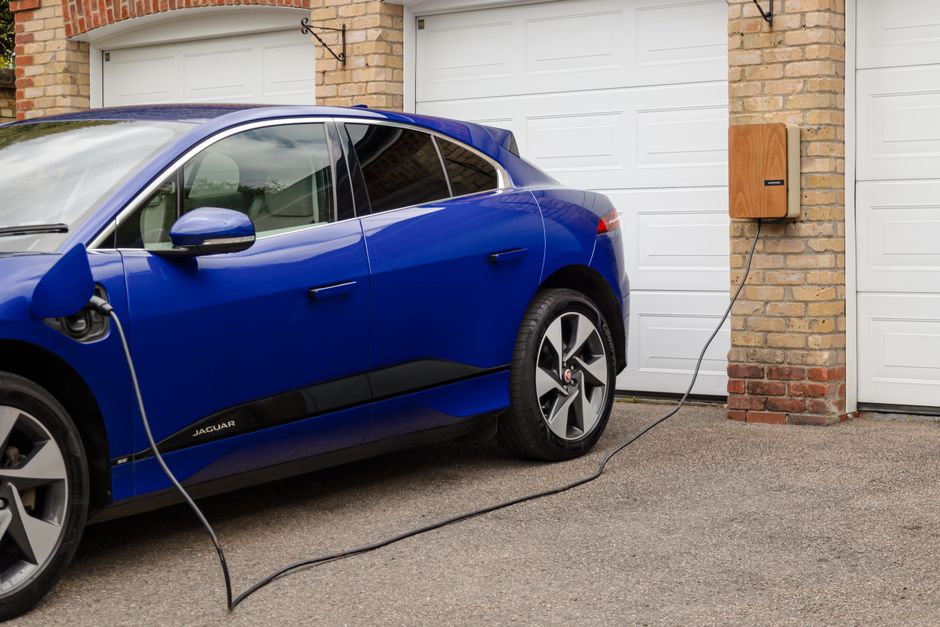
When you plug in an electric vehicle, it pulls full power continuously for hours at a time. Unlike a microwave or toaster that runs for a couple of minutes, an EV charger operates at maximum output for extended periods.
In the electrical world, drawing full rated current for three hours or more is classified as a continuous load. Under National Electrical Code (NEC) Article 625, continuous electrical loads require extra engineering precautions to prevent heat buildup and potential fire hazards.
Because of this heavy draw, local building departments require an ev charger installation inspection before the system is energized. Inspectors want to verify that the equipment, circuit breaker, and wiring can handle this continuous load safely.
The core rule governing continuous loads is the 125 percent sizing standard. Your circuit breaker and conductors must be rated for at least 125 percent of the charger’s maximum continuous output.
For example, if your Level 2 wall unit outputs 32 amps continuously, it requires a 40-amp circuit breaker (32 x 1.25 = 40). If you install a 48-amp charger, it demands a 60-amp breaker.
An inspector will verify these numbers against your home’s main panel capacity during the visit. Overloading an electrical panel without performing standard load calculations can lead to tripped breakers, thermal damage, or electrical fires.
In addition to thermal protection and basic physical safety, passing your inspection protects your property insurance coverage. If unpermitted electrical work causes damage, insurance providers can deny coverage claims.
Following the guidelines in our EV Charger Installation Guide 2026 and reviewing standard guidelines for Electric Vehicle Supply Equipment (EVSE) helps keep your project safe, compliant, and ready for official approval.
What Inspectors Look for During an EV Charger Installation Inspection
When a building inspector arrives at your home or business, they follow a detailed checklist to evaluate every component of your new charging setup. They want to see clean craftsmanship and strict code compliance.
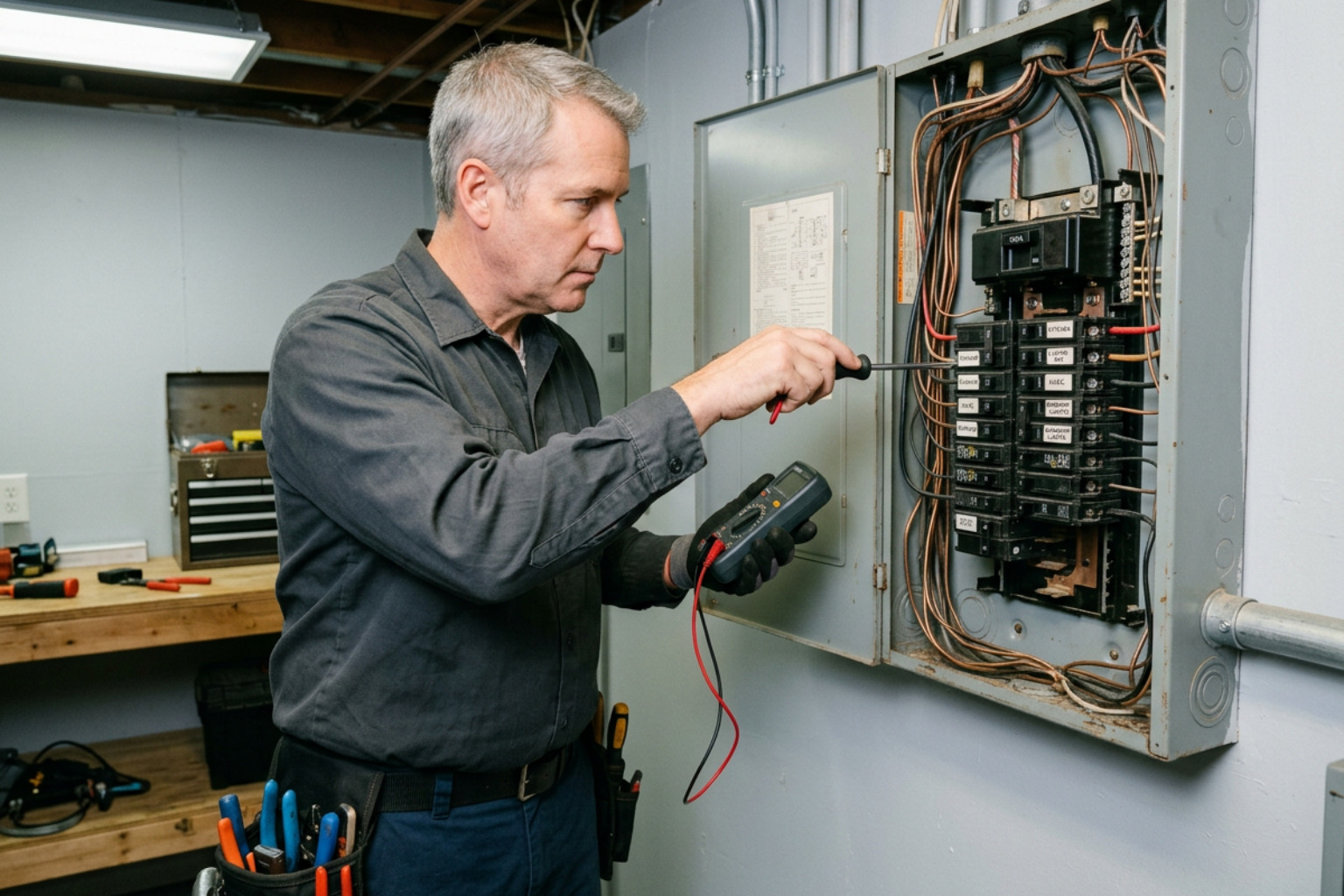
Here are the primary items inspectors examine during their evaluation:
- Correct wire gauge sizing: Copper conductors must match the circuit amperage rating to prevent dangerous wire heating under full load.
- Dedicated branch circuit: NEC 625 requires EV chargers to run on their own dedicated branch circuit without any other outlets or appliances connected to it.
- GFCI protection: Depending on the local code cycle adopted in your city, dedicated ground-fault circuit-interrupter protection is mandatory for plug-in receptacles and many hardwired units.
- Safety listing marks: Equipment must display testing and safety certification marks from a Nationally Recognized Testing Laboratory (NRTL), such as UL 2202 or UL 2594.
- Mounting heights: Under standard codes, indoor wall units must be mounted at least 18 inches above the garage floor level, while outdoor units require a minimum mounting height of 24 inches above grade.
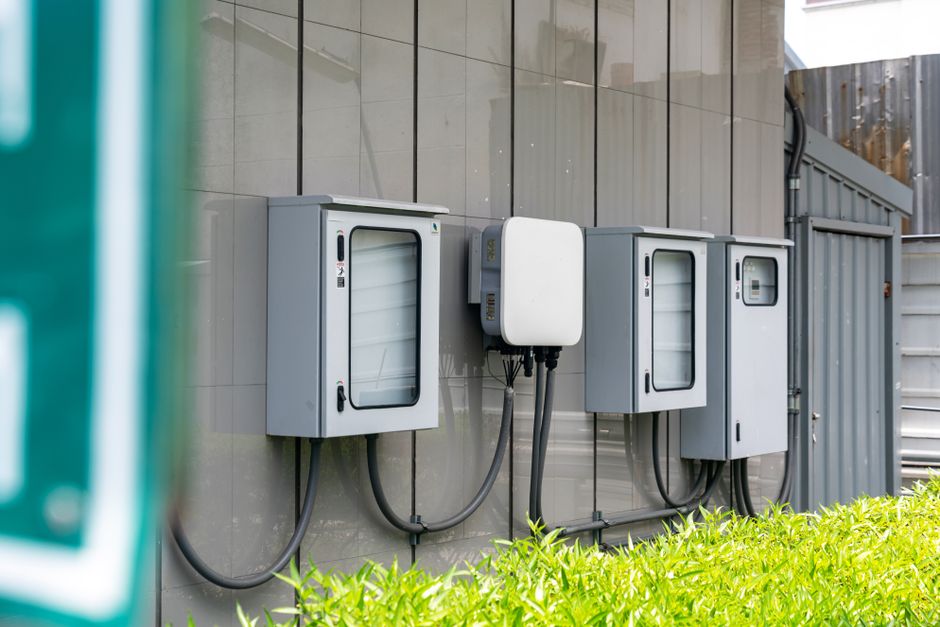
- Disconnecting means: For larger EV charging equipment rated over 60 amps or operating above 150 volts to ground, a lockable disconnect switch must be installed within sight of the charger.
Preparing Documentation for Your EV Charger Installation Inspection
Having the right paperwork printed and ready on-site makes the inspector’s job easy and keeps your project moving smoothly. Missing paperwork is one of the easiest ways to stall sign-off.
We always prepare and post a complete documentation package right beside the main panel before the inspector arrives. Here is what needs to be accessible on-site:
- The active municipal electrical permit issued by your local building authority.
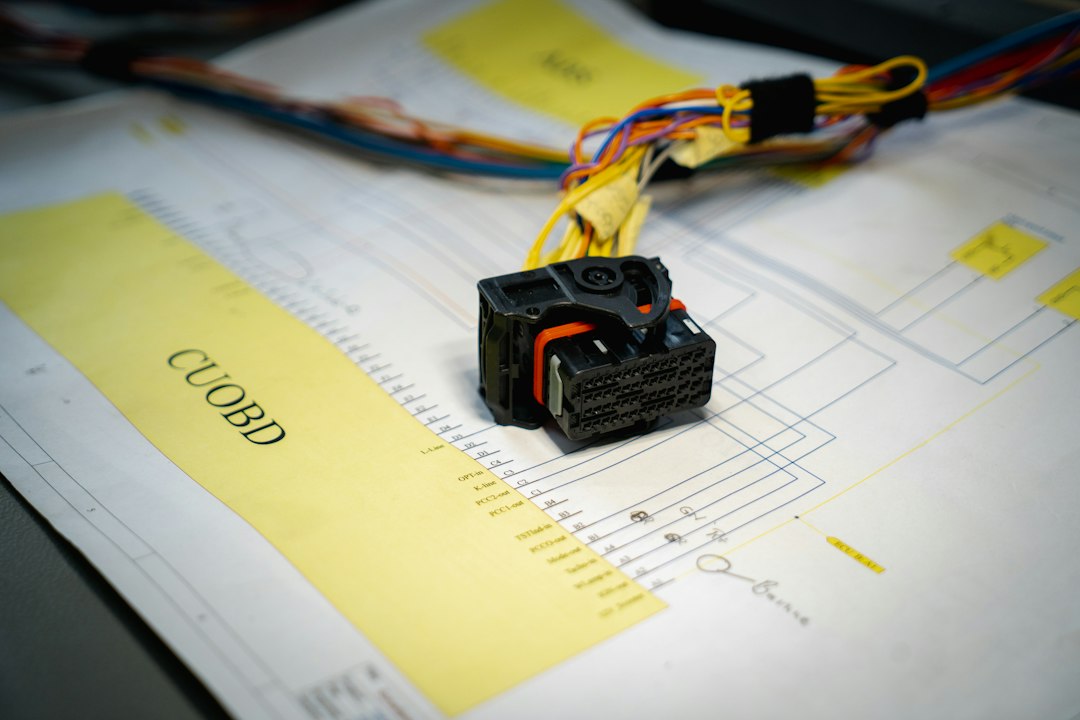
- An accurate single-line electrical diagram illustrating conduit paths, breaker sizes, and wire specs.
- Service load calculation sheets proving your main electrical panel can support the added continuous load.
- Manufacturer specification sheets and owner instruction manuals showing equipment rating details.
- Clear physical access to the main service panel, sub-panels, junction boxes, and the charger itself.
Residential vs Commercial EV Charger Installation Inspection Standards
Residential and commercial charging projects share basic electrical safety rules, but commercial sites face significantly broader inspection requirements.
Commercial properties usually involve multi-vehicle stations, public parking structures, heavier physical protection requirements, and strict accessibility mandates.
| Inspection Factor | Residential Level 2 Installations | Commercial EVSE Installations |
|---|---|---|
| Permit Category | Simple electrical permit | Commercial trade & site plan permits |
| Typical Fees | $50 to $300 | $200 to $1,000+ |
| Permit Processing Time | 1 to 4 weeks | 4 to 12+ weeks |
| Load Management | Optional (standard panel sizing) | Automatic Load Management Systems (ALMS) common |
| Accessibility Rules | Garage/driveway layout | ADA clearance, path of travel, & height limits |
| Physical Protection | Wall placement or basic vehicle clearance | Steel bollards, wheel stops, or elevated pads |
Commercial projects often fall under guidelines outlined in the NECA 413 ANSI Canvass Draft, requiring formal commercial engineering reviews, structural calculations, and accessibility sign-offs.
The Key Stages of the Inspection Process
Most EV charger installations involve either a single final inspection or a two-stage inspection process, depending on how wire runs are routed through your home.
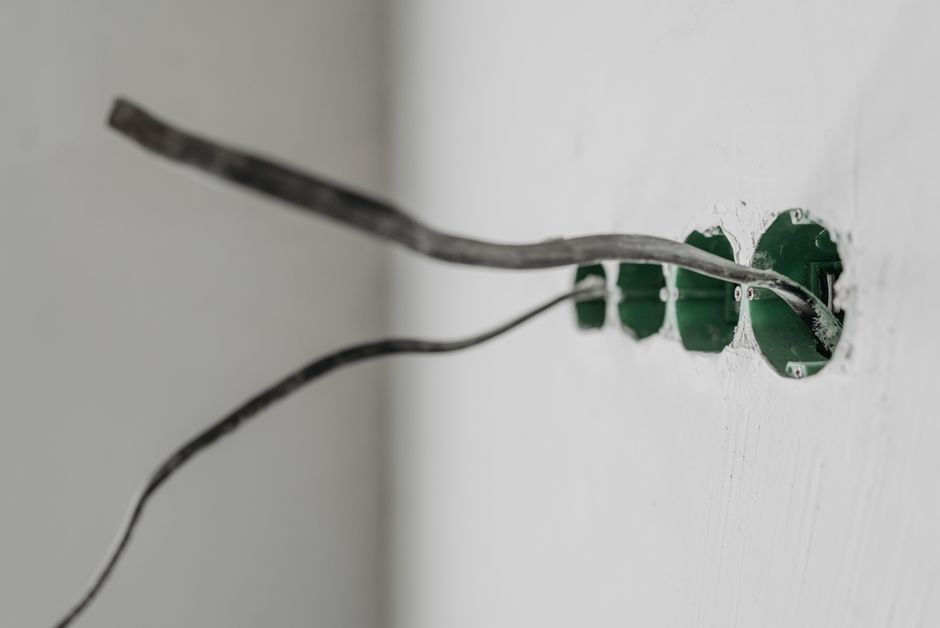
If your installation requires running conductors through enclosed interior walls, beneath finished ceilings, or underground through outdoors trenches, a rough-in inspection is required before anything is closed up.
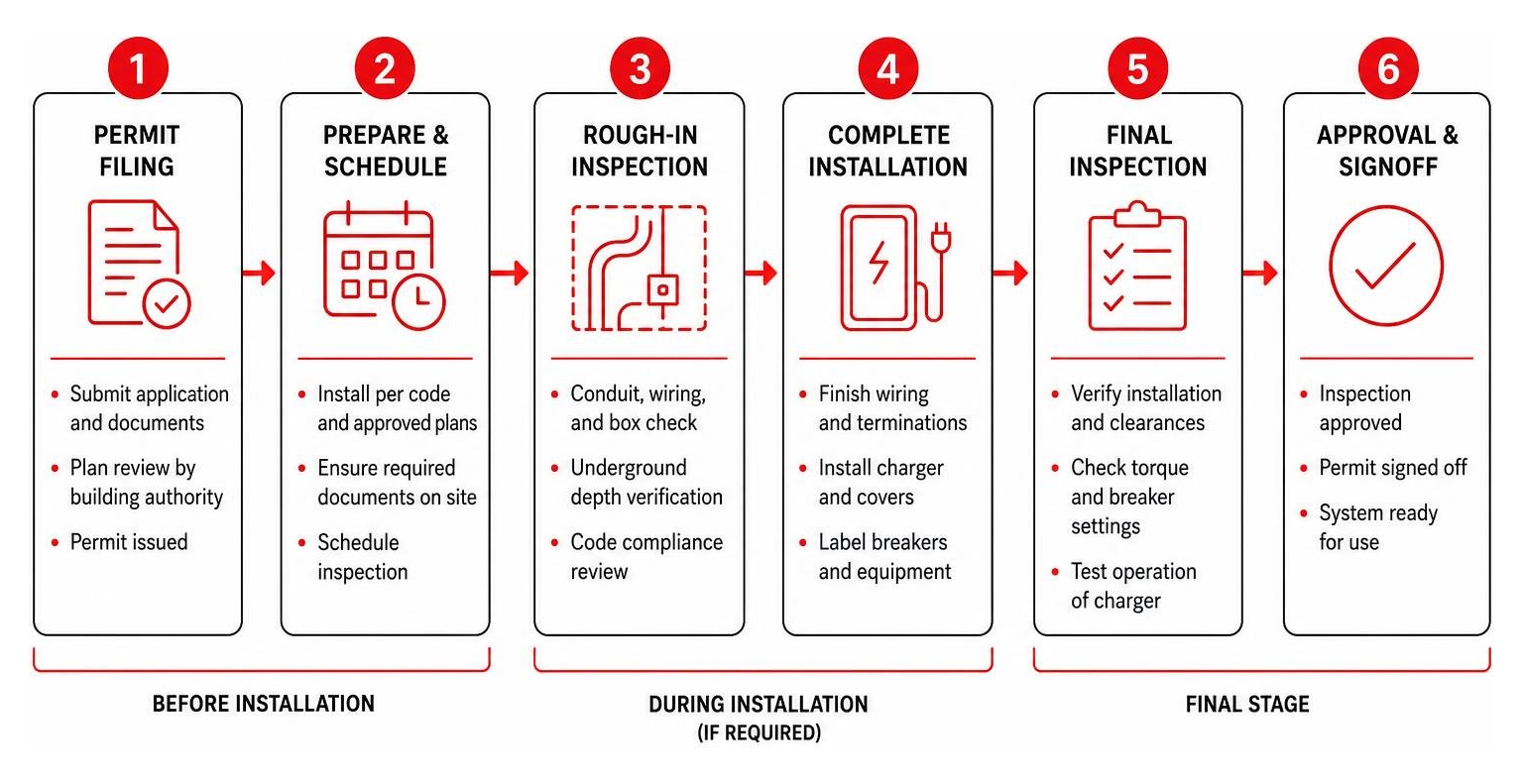
During a rough-in inspection, the inspector checks exposed conduit paths, junction boxes, and buried cable depths. Under NEC 300.5, direct-buried cable under residential driveways must be placed at least 24 inches deep, while THWN conductors in rigid conduit require at least 18 inches of cover.
Once all wiring and wall surfaces are completed, we move to the final inspection stage. During this visit, the inspector evaluates the completed installation, verifies torque specs, and checks active panel breaker configurations.
For a deeper look at getting your home ready for charging equipment, check out our guide on how to Plug In and Power Up: Mastering Your Home EV Charger Setup.
Common Reasons EV Chargers Fail Inspection (and How to Avoid Them)
Failing an inspection is frustrating, but almost every failure stems from predictable mistakes that are completely preventable when working with an experienced electrician.
In our experience across Denver homes, these are the top reasons EV charger installations fail inspection:
- Undersized wire gauge: Using wire sized for the charger’s nominal rating instead of calculating the mandatory 125 percent continuous load standard.
- Incorrect breaker sizing: Pairing a high-output charger with a standard overcurrent protection device that does not match manufacturer instructions or continuous duty rules.
- Omitted or incompatible GFCI protection: Installing a plug-in Level 2 charger without a GFCI breaker, or pairing a GFCI breaker with a charger that has built-in self-testing GFCI protection, causing nuisance tripping.
- Concealed rough-in work: Closing drywall, burying trenches, or snapping junction box covers shut before the rough-in inspection is officially completed and signed off.
- Blocked working clearances: Storing boxes, tools, or appliances in front of the main electrical panel, violating the required clear working space (3 feet deep by 30 inches wide).
- Uncertified equipment: Buying unbranded or cheap online charging hardware that lacks recognized safety test labels like UL or ETL marks.
Working with a knowledgeable local contractor avoids these traps entirely. Learn how to pick a qualified electrician by reading Don’t Get Zapped: A Guide to Choosing the Right EV Charger Installers.
The Role of Your Local Utility Company in the Process
While your city or county building inspector handles indoor wiring and breaker panels, your local electric utility provider plays a crucial secondary role in many installations.
If your load calculation shows that adding a 50-amp continuous EV circuit will push your main panel past its limits, an electrical panel upgrade is required. Upgrading a panel requires close coordination with your utility provider.

When upgrading service equipment, the utility company must perform a secondary inspection to approve the meter socket enclosure, main disconnect, and service entrance wires before pulling new service drops.
Your utility provider also evaluates local distribution transformer capacity to ensure your neighborhood grid can handle continuous high-draw chargers on your street.
Coordinating meter upgrades also opens up opportunities to enroll in Time-of-Use (TOU) discount programs, which offer lower overnight electricity rates for EV owners.
To learn more about what goes into overall installation budgeting and panel upgrades, read our full breakdown on the Average Cost of EV Charger Installation.
Frequently Asked Questions About EV Charger Inspections
Who is qualified to perform an EV charger inspection?
An ev charger installation inspection must be performed by a certified building or electrical inspector employed by your local Authority Having Jurisdiction (AHJ), such as your municipal or county building department. Licensed master electricians perform the installation work and present the completed project to the inspector for official sign-off.
What happens if an EV charger installation fails inspection?
If an installation fails inspection, the municipal inspector issues a formal correction notice outlining the specific code violations. Your electrical contractor corrects the issues, resolves the discrepancy on the permit paperwork, and schedules a re-inspection. Once the items are fixed, the inspector signs off on the permit.
How long does the EV charger permit and inspection process take?
For standard single-family residential Level 2 chargers, the complete permit-to-inspection timeline usually takes between 1 and 4 weeks. Many municipalities offer streamlined express permits for straightforward home installs. Commercial charging projects requiring detailed site plans, utility upgrades, or ADA compliance reviews typically take between 4 and 12+ weeks.
Ready for a Smooth EV Charger Installation in Denver?
Getting an EV charger installed shouldn’t feel like navigating a maze of city permits, code requirements, and inspection checklists. When the job is designed cleanly from day one, passing your inspection is simple and stress-free.
At Harmony Electric, we take care of the entire process for home and business owners across Denver, Castle Rock, Castle Pines, Highlands Ranch, Parker, Lone Tree, and Centennial.
Led by Randy Harmuth, Master Electrician, our team manages everything: load calculations, municipal permit filings, clean conduit runs, panel capacity checks, and scheduling the final inspector walk-through.
Every EV charger installation we perform is backed by our lifetime workmanship guarantee, giving you complete confidence that your home’s high-voltage charging system is built safely and right the first time.
Ready to plug in with total confidence? Explore our professional EV charger installation services or Contact Us today to schedule your site assessment.