Why the Cost to Install 220V Outlet for Hot Tub Matters
The cost to install 220v outlet for hot tub typically runs between $800 and $1,600 for most Denver-area homes. That covers a new dedicated circuit, outlet or subpanel, and up to 100 feet of wiring. More complex jobs—like upgrading your electrical panel or trenching through concrete—can push the total closer to $2,500 or more.
Quick Cost Breakdown:
- Basic install (panel has space, short wire run): $800–$1,200
- Average install (some trenching, moderate distance): $1,200–$1,600
- Complex install (panel upgrade, long run, obstacles): $1,800–$2,500+
I’m Randy Harmuth, a master electrician and owner of Harmony Electric here in Denver. I’ve wired hundreds of hot tubs across the Front Range, and I can tell you the biggest surprise homeowners face isn’t the outlet itself—it’s everything around it. The distance from your panel, whether your existing service can handle the load, and what’s in the way between your house and your hot tub location all drive the final price.
A lot of hot tub dealers will quote you something like $500 for the electrical work. That’s rarely accurate. What they’re describing is a best-case scenario where the wiring already exists or the tub sits five feet from your panel. In reality, most installs require a dedicated 50-amp circuit, underground conduit, a GFCI-protected disconnect, and sometimes a subpanel or panel upgrade.
This guide walks you through the real costs, what factors push the price up or down, and why cutting corners on electrical work for a hot tub is never worth the risk. You’ll also learn when it makes sense to upgrade your panel, how trenching impacts your budget, and what safety codes you need to follow in Colorado.
Cost to install 220v outlet for hot tub terminology:
Understanding the Total Cost to Install 220V Outlet for Hot Tub
When you’re dreaming of that relaxing soak, it’s easy to overlook the nuts and bolts of getting power to your new hot tub. But understanding the total cost to install 220v outlet for hot tub is crucial for budgeting and avoiding unwelcome surprises. We’ve seen that the average cost to get a 220v outlet set up for a hot tub in our Denver communities generally falls between $900 and $1,500, assuming no existing wiring or conduit. However, for a complete hot tub electrical installation, which often includes a new circuit, outlet, or subpanel, and wiring up to 100 feet, the total can range from $800 to $1,600. Some comprehensive projects, particularly those involving significant electrical panel work, can even see costs climb from $1,900 to $4,200, with an average around $2,300.
It’s clear that this isn’t just about plugging in an appliance; it’s a significant electrical upgrade. The best way to get a clear picture is to get a detailed quote from a qualified electrician. We offer transparent pricing for hot tub installations, which you can learn more about on our Hot Tub Installation Pricing page. For more insights into the process of getting your hot tub wired, check out our article on Wiring a Home Hot Tub.
Material Expenses for a 220V Outlet for Hot Tub
Let’s break down where your money goes when we install a 220v outlet for your hot tub. The materials aren’t just the outlet itself; they include all the components needed to safely deliver that higher voltage.
Here’s what typically makes up the material costs:
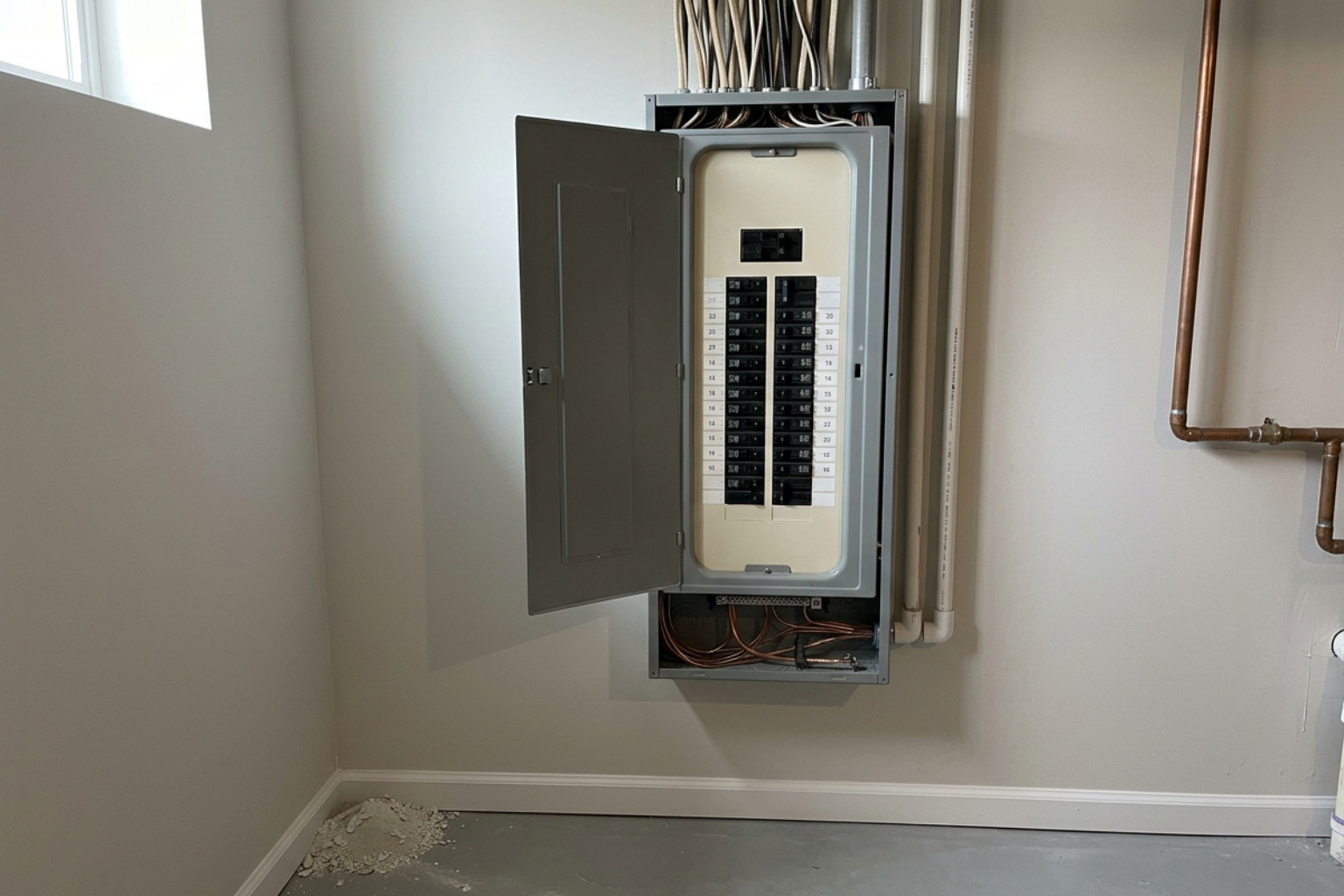
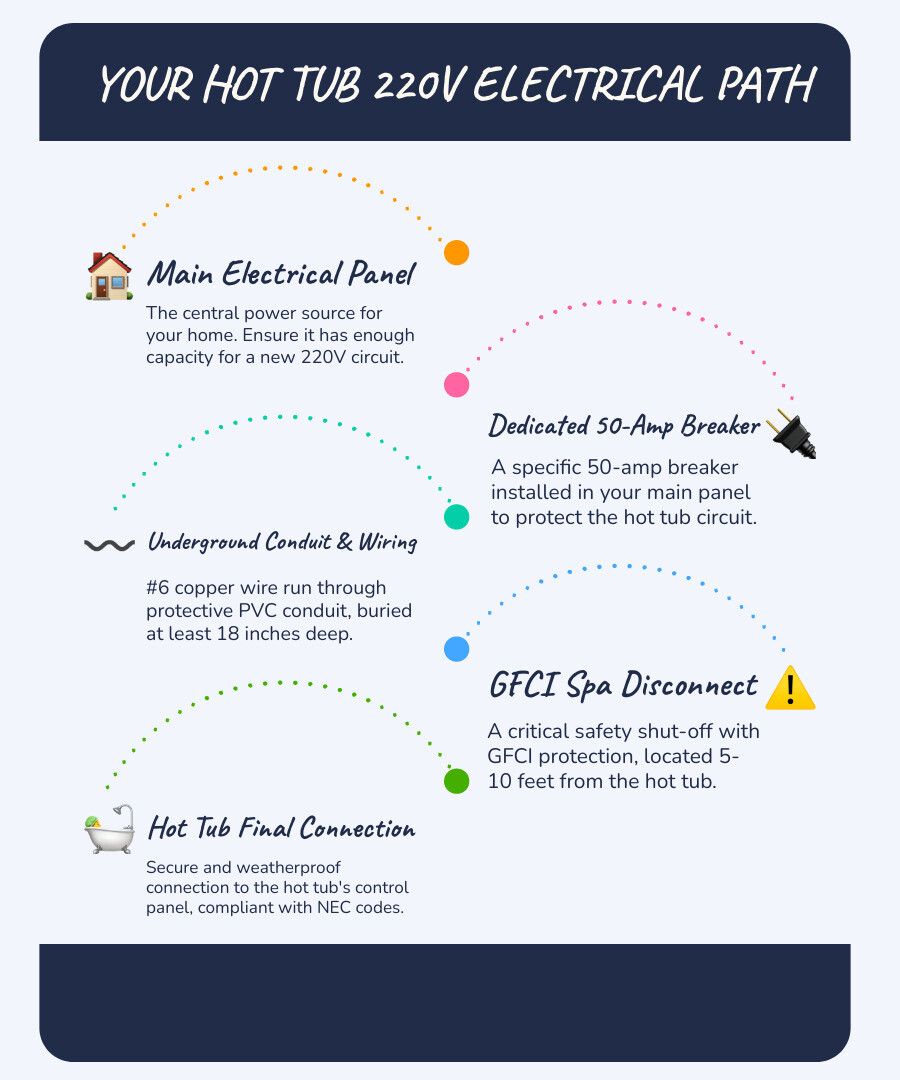
- 50-amp Breaker: Most hot tubs require a dedicated 50-amp circuit. The breaker for this circuit, which is installed in your main electrical panel, can cost anywhere from $90 to $150.
- Heavy-Duty Wire: For a 220v hot tub, you’ll need specialized #6 copper wire. This wire is thicker than standard household wiring to handle the increased amperage safely. Just 100 feet of this wire can cost between $120 and $150, a typical installation might need more. If we’re talking about 400 feet, you’re looking at $480 to $600 just for the wire.
- PVC Conduit: If the wiring runs outdoors or underground, it needs to be protected inside PVC conduit. About 100 feet of 1-inch PVC conduit typically costs $50 to $120, plus another $10 to $50 for fittings.
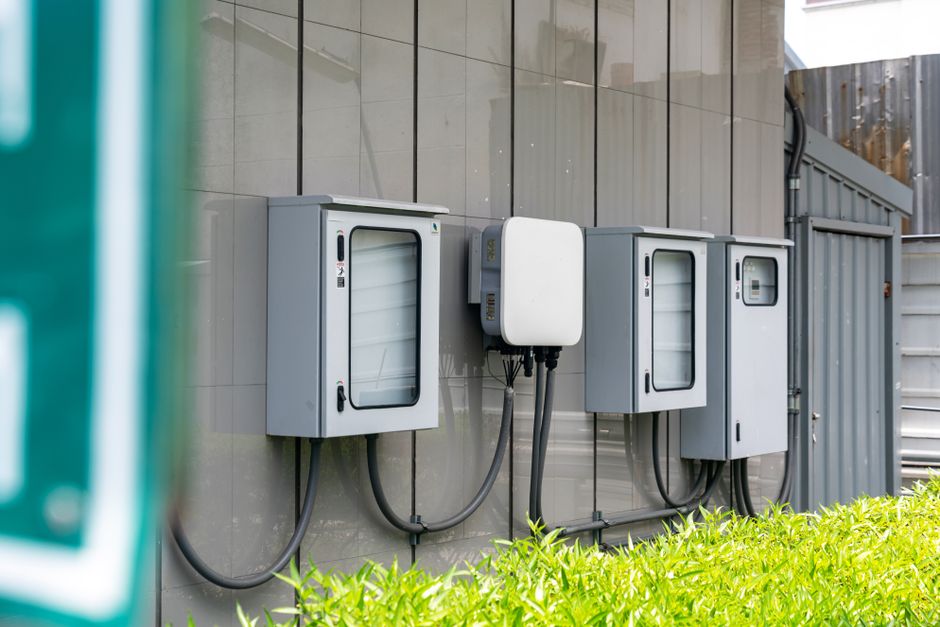
- Spa Pack / GFCI Protection: This is a critical safety component. It’s an outdoor-rated disconnect box that houses a Ground Fault Circuit Interrupter (GFCI) breaker. This device immediately cuts power if it detects a ground fault, preventing electric shock—a must-have for anything near water. A double-pole 240V GFCI circuit breaker, which is often part of this spa pack, can cost $15 to $30 for the breaker itself, but the entire spa pack assembly will be more. We go into more detail about this essential piece on our Electrical Box for Hot Tub page.
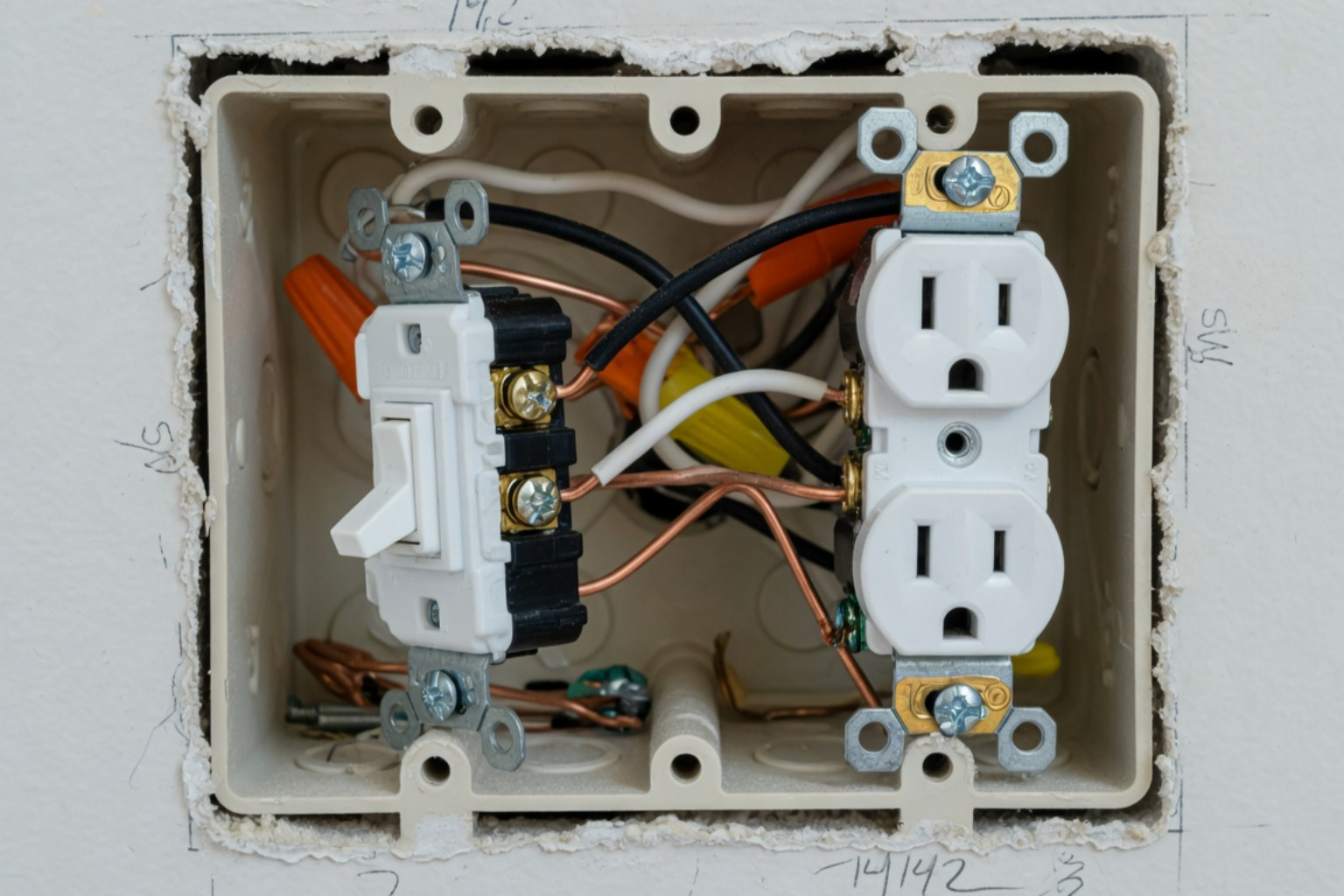
- The 220v Outlet (Receptacle): While the actual outlet is a small part of the total, it’s still a specific, heavy-duty type. Costs for the receptacle itself can range from $15 to $50. Different types, like 3-prong, 4-prong, or locking outlets, exist for various 220v applications, but for hot tubs, the focus is more on the spa disconnect panel.
- Miscellaneous Items: This includes things like wire connectors, mounting hardware, weatherproofing seals, and other small but necessary components.
Understanding your hot tub’s specific amperage needs is also vital for materials. You can find out more about that on our Hot Tub Amperage Guide.
Professional Labor for a 220V Outlet for Hot Tub
Now, let’s talk about the folks who make it all happen: the electricians. Labor is often the largest portion of the cost to install 220v outlet for hot tub, contributing up to 75% of the total.
Here’s what you can expect for labor costs in the Denver Metro Area:
- Hourly Rates: Electrician hourly rates in our area typically range from $50 to $150 per hour. This rate covers their expertise, tools, insurance, and the time it takes to perform the work correctly and safely.
- Total Installation Time: A qualified electrician will typically spend 6 to 8 hours installing the electrical components for a hot tub. This includes assessing your current panel, running new wiring, installing the breaker, setting up the spa disconnect, and ensuring everything is up to code.
- Service Fees: Many companies, including ours, might have a service call fee (around $100 to $200) that covers the first hour of work or the initial assessment. This fee ensures that even for smaller jobs, we can cover our operational costs.
- Complexity Increases Time: If the job is more complex—say, requiring extensive trenching, difficult wire runs through finished walls, or an electrical panel upgrade—the labor hours will increase, directly impacting the final cost.
We believe in clear communication and honest recommendations. We never want to surprise you with hidden fees. Our goal is to ensure your hot tub is hooked up safely and efficiently. You can learn more about the specifics of Hooking Up 220v Hot Tub on our blog, or explore our broader Residential Electrician Services in Aurora and other service areas.
Major Factors That Drive Your Installation Price
The base cost to install 220v outlet for hot tub is one thing, but several factors can quickly make that price climb. It’s like building a custom home – the foundation and framing are standard, but the finishes and site challenges really determine the final bill. When we come out to your home in Castle Rock, Centennial, or anywhere in the Denver area, these are the main things we’re looking at that will influence your project’s cost.
The biggest factor we often see is the distance between your main electrical panel and where you want your hot tub to be. The further away, the more wire and conduit we need, and the more labor it takes to run it. This isn’t just about the length of the run, but also the complexity of the path. Are we going through finished walls? Under a deck? Across a yard? Each scenario adds different layers of work.
Another key consideration is the capacity of your existing electrical panel. A hot tub draws a lot of power, and if your current panel is already maxed out, we might need to add a subpanel or even upgrade your entire service. You can explore this further in our article, Can My Existing Electrical Panel Handle a Hot Tub?. If you’re in Castle Rock, we also have specific insights on Electrical Panel Upgrades in Castle Rock, CO.
Trenching and Outdoor Conduit
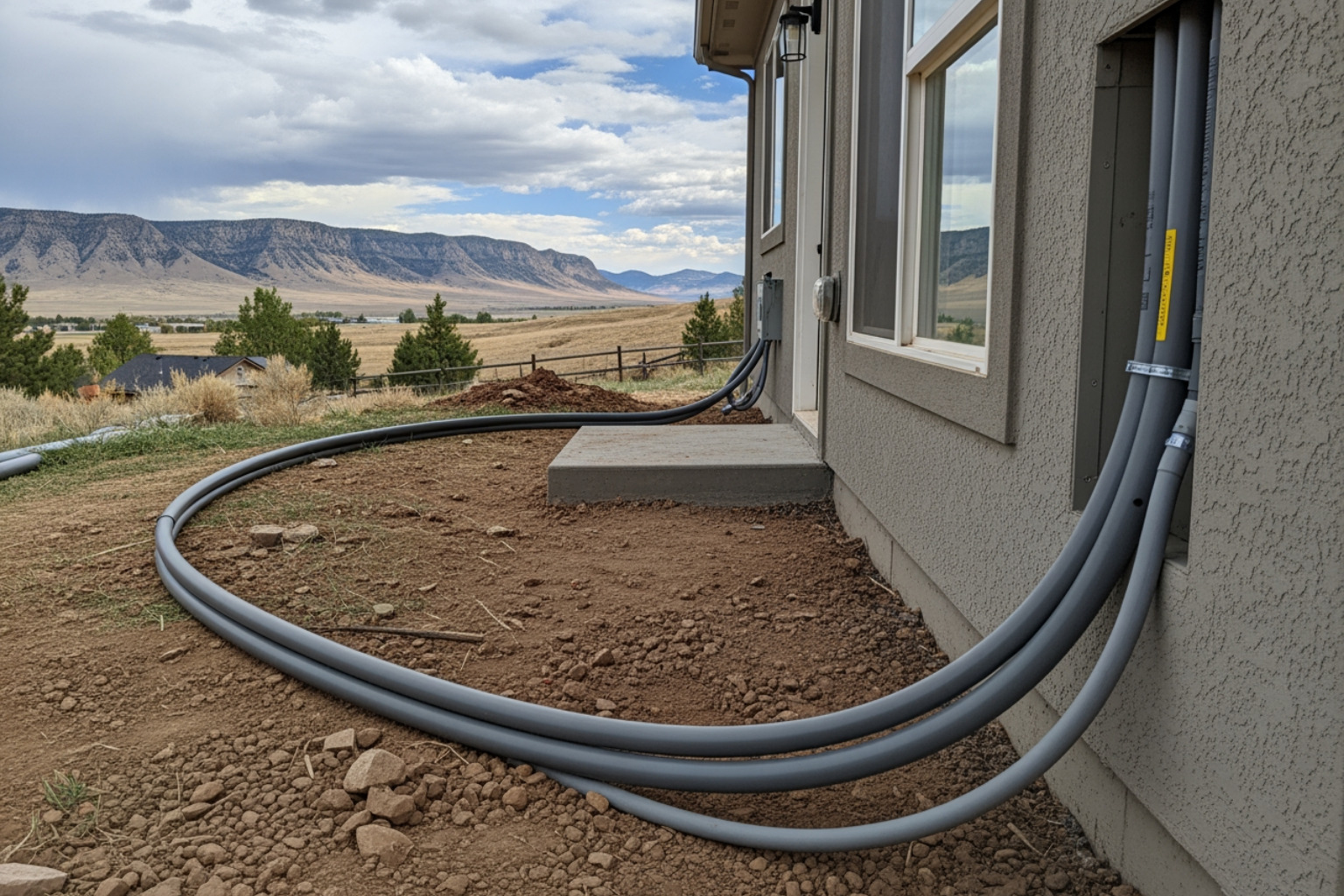
If your hot tub is going to be more than a few feet from your house, chances are we’ll need to run wiring underground. This means trenching, and that’s where costs can add up.
- Digging Depth: Per code, underground electrical conduit needs to be buried at least 18 inches deep for protection. This isn’t a shallow ditch; it requires significant digging.
- Labor for Trenching: If we handle the trenching, that labor will be factored into the overall cost. However, we’ve found that homeowners can save a good chunk of money—around $6 per linear foot—by arranging for the trenching themselves or hiring a landscaper to do it. This is a common way to reduce the overall cost to install 220v outlet for hot tub. Just make sure the trench is ready and meets the depth requirements before we arrive!
- Conduit Installation: Once the trench is dug, we install the PVC conduit, which protects the wires from moisture and physical damage. Even if you dig the trench, a licensed electrician must install the conduit and pull the wires through it to ensure it meets safety and code standards.
We’ve done a lot of Hot Tub Wiring in Castle Rock, CO and know the ins and outs of getting wires safely and efficiently from your panel to your spa.
Panel Capacity and Subpanel Needs
This is a big one. Many homes, especially older ones in Denver, might have a 100-amp electrical service. While this is fine for typical household needs, adding a 50-amp hot tub can push it past its limit.
- Load Calculation: Before we start any work, we perform a load calculation to see if your existing electrical panel can handle the additional demand of the hot tub. If it can’t, you have a couple of options.
- Subpanel Installation: Often, the most cost-effective solution is to install a subpanel. This is a smaller electrical panel that branches off your main panel, specifically to handle the hot tub’s circuit. The cost for installing a subpanel can range from $400 to $1,800, depending on its size and the complexity of the installation. The materials for a subpanel alone typically run from $100 to $350.
- Main Panel Upgrade: In some cases, a subpanel isn’t enough, or your main panel is too old or too small overall. Then, we might recommend a full electrical panel upgrade to 200 amps or more. This is a more substantial project, often costing between $1,400 and $2,800, but it ensures your entire home has sufficient power for current and future needs. This is something we frequently address; our article on Understanding Electrical Panel Upgrades explains it well. For those with specific concerns about panel sizes, we also have information on a 70 Amp Electrical Panel.
We always prioritize safety and code compliance. An undersized electrical panel can lead to tripped breakers, flickering lights, and even fire hazards. We’ll give you honest recommendations about what your home needs to safely power your new hot tub.
Safety Standards and Hidden Requirements
When it comes to electricity and water, safety isn’t just a suggestion; it’s the law. The National Electrical Code (NEC) has very specific requirements for hot tub installations, and these are strictly enforced in Denver and surrounding communities like Highlands Ranch and Parker. Ignoring these rules can lead to dangerous situations and costly re-dos.
GFCI Protection is Non-Negotiable
Every hot tub must be protected by a Ground Fault Circuit Interrupter (GFCI). This device is designed to detect even a small imbalance in the electrical current and quickly shut off power, preventing severe electric shock. The GFCI is typically housed in a separate “spa pack” or disconnect box located near the hot tub.
The 5-Foot and 10-Foot Rules
The NEC also dictates how close electrical outlets and disconnects can be to the hot tub:
- 5-Foot Rule: The GFCI disconnect switch (your spa pack) must be installed no less than 5 feet away from the hot tub, but also within sight of the tub and no more than 50 feet away. This ensures you can quickly cut power in an emergency.
- 10-Foot Rule: Any non-GFCI protected outlets must be at least 10 feet away from the hot tub. This reduces the risk of accidental contact with electricity while you’re wet.
These rules aren’t just arbitrary; they’re in place to protect you and your family. We cover this in more detail on our Hot Tub Electrical Code GFCI page. For broader safety tips around pools and spas, the Consumer Product Safety Commission (CPSC) also provides helpful guidelines.
Permits and Inspections
This is one of those “hidden” costs that some installers might conveniently forget to mention, but it’s crucial for your safety and home value.
- Local Rules: In Denver, Castle Rock, and other Colorado municipalities we serve, permits are almost always required for hot tub electrical installations. This ensures that the work meets local building codes and safety standards.
- Cost of Permits: A building permit for a hot tub electrical installation typically costs between $100 and $250. This fee covers the administrative costs and the inspection process.
- The Inspection: Once the electrical work is completed, a city or county inspector will review the installation to ensure everything was done correctly and safely, according to current codes. This inspection is a vital step and gives you peace of mind that your installation is safe. Skipping permits and inspections is a huge risk, as it can lead to problems with insurance, resale, and most importantly, safety. We always pull the necessary permits for our projects. You can read more about this on our Hot Tub Permit Colorado page.
Ongoing Operational Costs
Once your 220v outlet is installed and your hot tub is bubbling, you’ll want to know what it costs to actually run it. This isn’t part of the installation cost, but it’s definitely part of the overall investment.
- Monthly Electricity: The average monthly cost to operate a hot tub typically ranges from $20 to $60. This can vary based on your electricity rates (around $0.12/kWh in Colorado), how often you use it, the temperature you set, and the efficiency of your specific hot tub model. For example, a hot tub using 7.5 kW per hour, used for 30 hours a month, would consume 225 kWh, costing around $27 per month at $0.12/kWh.
- Energy Efficiency: Newer, energy-efficient hot tubs will cost less to run, while older models or those kept heated 24/7 will be on the higher end.
- Thermal Covers: A good quality, well-fitting thermal hot tub cover is your best friend for keeping running costs down. It traps heat and reduces evaporation, meaning your heater doesn’t have to work as hard.
- Maintenance: Beyond electricity, factor in costs for water treatment chemicals and occasional repairs. Regular maintenance helps your hot tub run efficiently and extends its lifespan.
For more details on managing your hot tub’s operational costs, check out our insights on your Hot Tub Breaker Colorado and how it relates to efficiency.
DIY vs. Professional Installation: Is It Worth the Risk?
It’s natural to look for ways to save money, and the idea of a DIY electrical project might seem appealing, especially with the cost to install 220v outlet for hot tub being a significant investment. You might think, “A DIYer can save approximately $200 and $800 in electrical labor costs alone.” And it’s true, if you handle the trenching yourself, you could save about $6 per linear foot. But when it comes to 220v electrical work for a hot tub, we strongly advise against going it alone.
Here’s why taking on this project yourself is rarely worth the risk:
- Safety Hazards: This is the most important point. 220v electricity is powerful enough to cause fatal electric shock. Working with live wires, especially if you’re not deeply familiar with safety protocols, wire gauges, and proper grounding, is incredibly dangerous. We’ve seen DIY Hot Tub Wiring Mistakes that put entire families at risk.
- Fire Risk: Incorrect wiring can lead to overloaded circuits, overheating, and electrical fires. This isn’t just a risk to your hot tub; it’s a risk to your entire home.
- Code Compliance and Permits: As we discussed, hot tub electrical installations require permits and must adhere to strict NEC codes. Unpermitted work can lead to fines, difficulties selling your home, and insurance claims being denied if an electrical issue arises. Inspectors will usually quickly spot non-code-compliant work.
- Warranty Voidance: Many hot tub manufacturers will void their warranty if the electrical installation is not performed by a licensed professional.
- Hidden Costs of Fixing Mistakes: What might seem like savings upfront can quickly turn into much larger expenses if you make a mistake. Calling in an electrician to fix a botched DIY job often costs more than hiring a professional from the start. Our article on Common Problems When Installing a Hot Tub Without a Licensed Electrician highlights these pitfalls.
- Expertise Matters: A licensed electrician doesn’t just connect wires; we assess your entire electrical system, perform load calculations, ensure proper grounding, and anticipate potential issues. We understand the nuances of voltage drop over distance, the correct conduit for different environments, and the specific requirements for outdoor installations in Colorado’s climate.
While we understand the desire to save, the peace of mind that comes from a safe, code-compliant installation by a professional is invaluable. We’re here to provide that reliable service for our neighbors in Denver, Castle Pines, Lone Tree, and across our service areas.
Frequently Asked Questions about Hot Tub Wiring
We get a lot of questions about hot tub wiring, and that’s a good thing! It shows homeowners are doing their homework. Here are some of the most common questions we hear, along with our expert answers.
Can I use my existing 110V outlet for a hot tub?
Almost certainly not. Most modern hot tubs require a dedicated 220v (or 240v) electrical supply, often a 50 or 60-amp circuit with GFCI protection. A standard 110v (or 120v) outlet simply doesn’t provide enough power for the heaters and jets of a full-sized hot tub. Trying to use a 110v outlet for a 220v hot tub would either trip your breaker constantly, damage your electrical system, or prevent the hot tub from operating correctly, if at all. There are some “plug-and-play” hot tubs that use 110v, but these are typically much smaller, have fewer features, and take a very long time to heat up. If you have one of those, it’s a different story, but for most substantial hot tubs, a dedicated 220v line is essential.
How far can the hot tub be from my electrical panel?
There isn’t a strict maximum distance defined by code, but practically speaking, the further your hot tub is from your main electrical panel, the more expensive the installation will be. Why? Because longer distances require more wire, more conduit, and more labor to run it. For example, 100 feet of #6 wire costs $120-$150. If your run is 200 feet, that cost doubles. Plus, with longer runs, we have to consider “voltage drop,” which might require using even thicker (and more expensive) wire to ensure your hot tub gets adequate power. We usually recommend discussing your ideal hot tub placement with us early on so we can plan the most efficient and cost-effective electrical route.
Do I really need a permit for an above-ground hot tub?
Yes, in nearly all jurisdictions in Colorado, including Denver, Castle Rock, and Centennial, you absolutely need a permit for the electrical installation of an above-ground hot tub. While some smaller, inflatable “plug-and-play” hot tubs might be exempt from building permits, the electrical work for any permanent or semi-permanent hot tub requiring a dedicated 220v circuit will require an electrical permit. This ensures that the wiring, GFCI protection, and disconnect switch are all installed correctly and safely according to the National Electrical Code and local amendments. Skipping the permit means no inspection, and that leaves you vulnerable to safety hazards, potential issues with your home insurance, and problems if you ever decide to sell your home. We always pull the necessary permits for our hot tub wiring projects.
Wrapping Up Your Hot Tub Project
Installing a 220v outlet for your hot tub is a significant investment, but it’s one that brings years of relaxation and enjoyment. Understanding the true cost to install 220v outlet for hot tub means looking beyond a simple outlet price and considering all the factors: materials, labor, permits, safety requirements, and the unique characteristics of your home and property.
At Harmony Electric, led by me, Randy Harmuth, we believe in doing the job right the first time. We’ve built our reputation in the Denver community by providing clear communication, honest recommendations, and professional, high-quality electrical work—without any upsells or unnecessary complexity. We stand by our work with a lifetime workmanship guarantee on select installations, including hot tub wiring, along with a three-year material warranty.
Don’t let the complexities of electrical work keep you from enjoying your backyard oasis. Trust the experts who understand the local codes, prioritize your safety, and deliver reliable power solutions.
Ready to dip your toes in? Start your hot tub installation today with Harmony Electric.