Why Getting Your 220V Hot Tub Wired Right Matters
Hooking up 220v hot tub wiring isn’t like plugging in a toaster. It’s a job that involves high voltage, water, and strict safety codes—which means it needs to be done right the first time.
Here’s what you need to know:
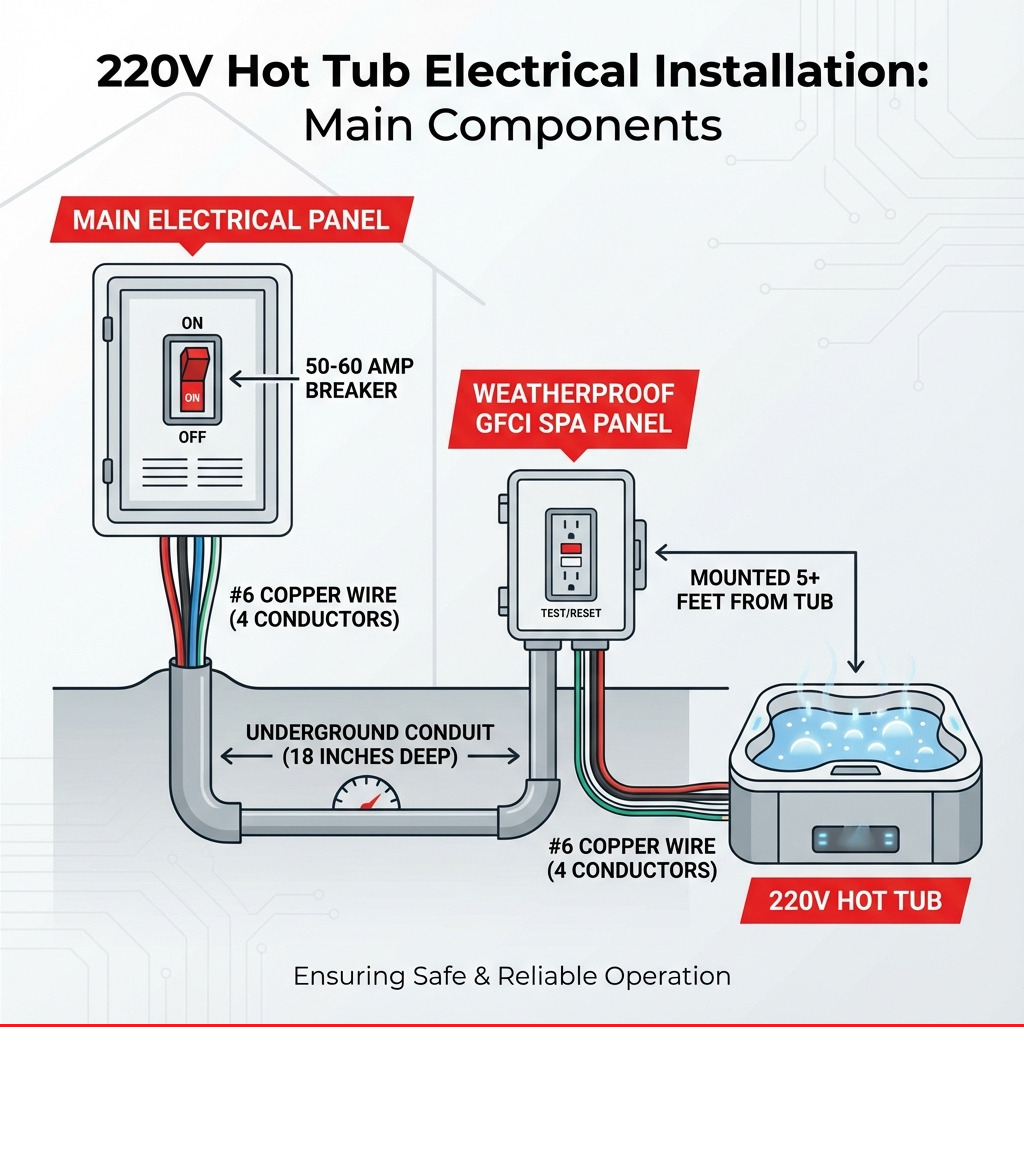
- Most hot tubs require a dedicated 240V circuit with a 50 or 60-amp breaker
- You’ll need a GFCI-protected spa panel installed at least 5 feet from the tub
- The wiring must use #6 copper wire (four wires: two hot, one neutral, one ground)
- Everything runs through buried PVC conduit to protect the wires
- A licensed electrician should do the work—mistakes can damage your tub, void your warranty, or create serious safety hazards
I’ve installed hot tubs all over Denver and the surrounding areas, and I always tell homeowners the same thing: this is one project where cutting corners just doesn’t make sense. The good news? When it’s done right, you’ll have years of safe, reliable use.
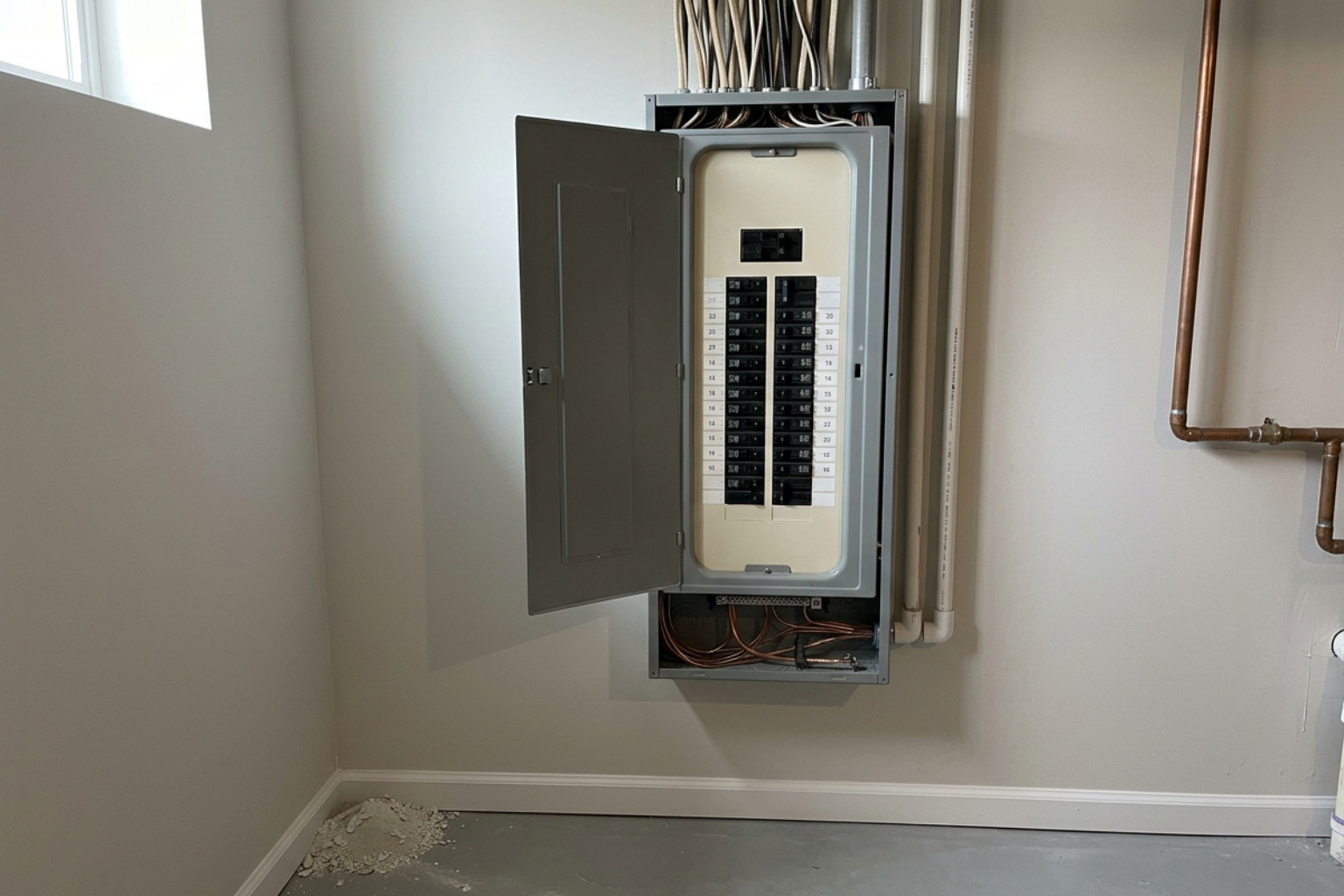
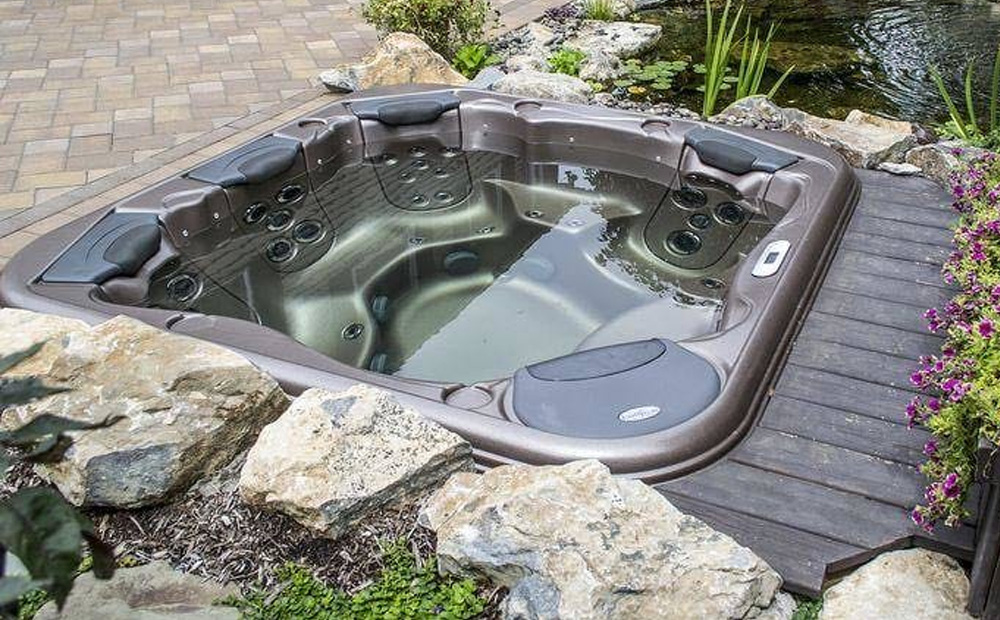
Your hot tub is a big investment. Most run on 220V (also called 240V—they’re the same thing) because that’s what it takes to heat hundreds of gallons of water while running jets and pumps at the same time. A typical installation involves running a new circuit from your main electrical panel, installing a disconnect box near the tub, and making sure everything is grounded and GFCI-protected.
Water and electricity are a dangerous combination. That’s why the National Electrical Code has strict rules about hot tub wiring—from how deep the conduit needs to be buried to where the disconnect box can go. In Denver, you’ll also need permits and inspections to make sure everything’s up to code.
I’m Randy Harmuth, and I’ve been doing this work for years. What I usually see in Denver homes is that most people are surprised by how involved the process is. But once you understand the basics, it makes a lot more sense why this job requires a professional.
Why Most Hot Tubs Need a 220V Connection
When you’re looking at hot tubs, you’ll often hear about 110V and 220V models. In North America, our homes get power at 240V, which then splits into two 120V circuits for things like wall outlets. So, when we talk about 220V, 230V, or 240V for a hot tub, we’re really talking about the same higher voltage connection.
Most full-size hot tubs need a 220V connection. Here’s why it makes such a big difference:
- Faster heating: A 220V hot tub can heat the water much quicker. While a 110V/120V system might take 24 hours or more to get the water up to temperature, a 220V/240V model can heat it up two to five degrees per hour. This means your tub is ready for you in just a few hours, not a whole day. When you’re looking forward to a soak after a long day, that speed really matters, especially when it’s chilly outside in Castle Rock or Parker.
- Jets and heater at the same time: This is a big one. With a 110V plug-and-play tub, you often can’t run the heater and the jets at full power simultaneously. The system just doesn’t have enough juice. A 220V/240V hot tub, with its dedicated 50 or 60 amp breaker, is designed to power all the pumps and the heater without skipping a beat. You can enjoy powerful jets and keep the water piping hot, even on a cold Denver night. This is crucial for a real hydrotherapy experience.
- Better energy use: It might sound counterintuitive, but a 220V/240V system can actually be more efficient. Because it heats faster and can run all components simultaneously, the system doesn’t have to work as hard or for as long to maintain your desired temperature. This often means a 220V/240V system is efficient without adding a significant amount to your electric bill.
While a 110V plug-and-play hot tub offers convenience and portability, allowing you to place it almost anywhere with a standard outlet, it just can’t match the performance of a hardwired 220V system. The primary advantage of the 220V connection is that boost in heating power—from about 1 kilowatt in a 110V model to 4 or 6 kilowatts in a directly wired one. This means your water gets hot faster and stays hot, even when the jets are blasting.
Here’s a quick comparison to help you see the differences:
| Feature | 110V/120V Hot Tub | 220V/240V Hot Tub |
|---|---|---|
| Heating Speed | Slow: 1-2°F per hour | Fast: 2-5°F per hour |
| Can you run jets and heater together? | Not usually, or at reduced power | Yes, all pumps and heater can run |
| Installation | Plug-in to standard outlet | Requires dedicated hardwired circuit |
| Upfront Electrical Cost | Lower (often none if outlet exists) | Higher (professional installation needed) |
| Performance | Good for casual use, warmer climates | Optimal for all-season use, hydrotherapy |
The Parts and Safety Basics for Hooking Up a 220V Hot Tub
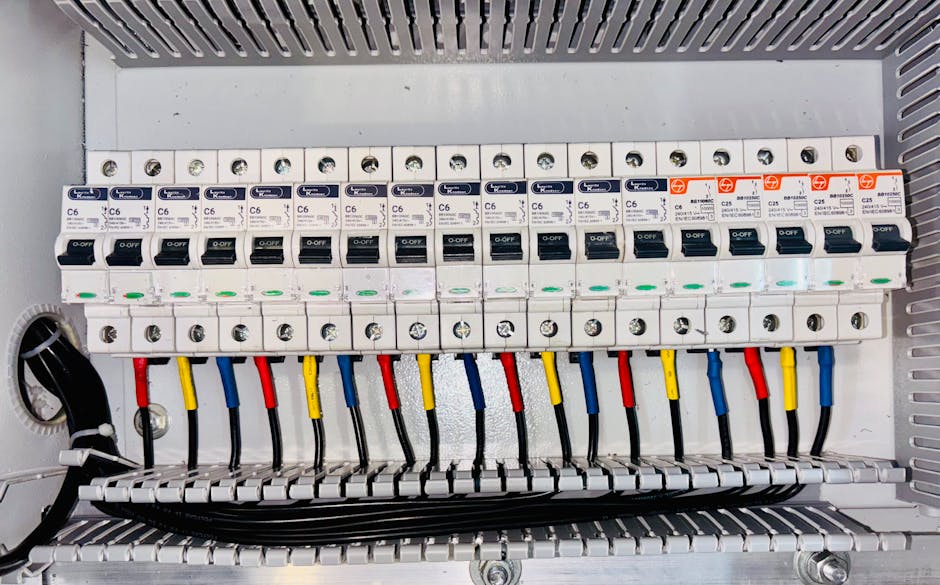
Getting the wiring right for your hot tub isn’t just about making it work; it’s about making it safe. Water and electricity don’t mix, so there’s no room for shortcuts when you’re hooking up 220v hot tub electrical. Every component and every step of the installation is designed with your safety in mind.
The Main Electrical Parts You’ll Need
To properly install a 220V hot tub, we rely on a few key electrical components. These parts work together to deliver power safely and efficiently:
- A dedicated 220V circuit from your main panel: This means your hot tub gets its own power line straight from your home’s main electrical panel. It’s not sharing power with your lights or appliances, which prevents overloading and ensures consistent performance. Most hot tubs need a 240-volt connection and 50-amp service, though some might require a 60-amp.
- GFCI breaker: This is a Ground Fault Circuit Interrupter breaker, and it’s your hot tub’s best friend. It constantly monitors the flow of electricity. If it detects even a tiny imbalance—a “ground fault” that could indicate a shock hazard—it shuts off power instantly. This is a critical safety device, especially with water involved.
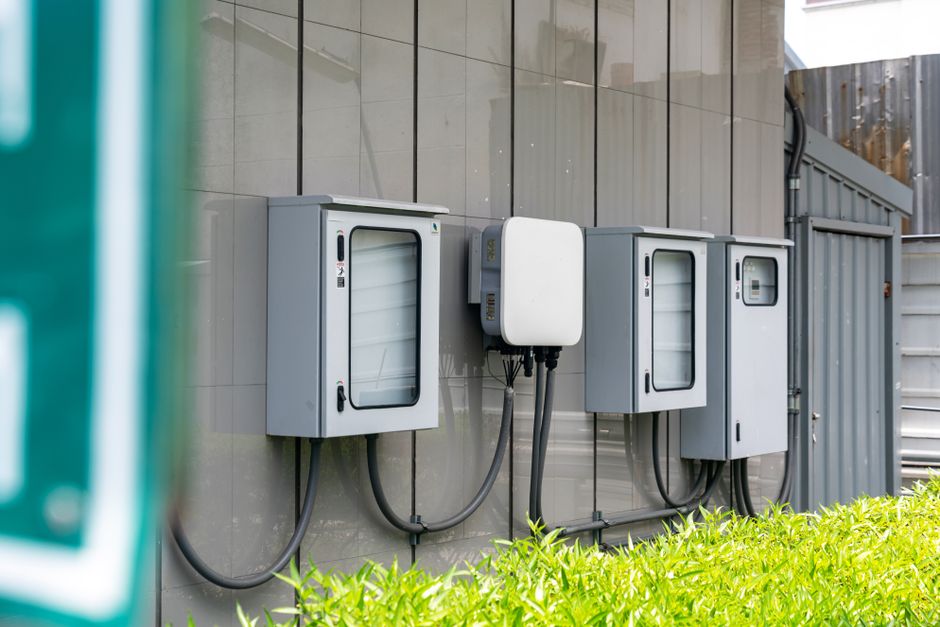
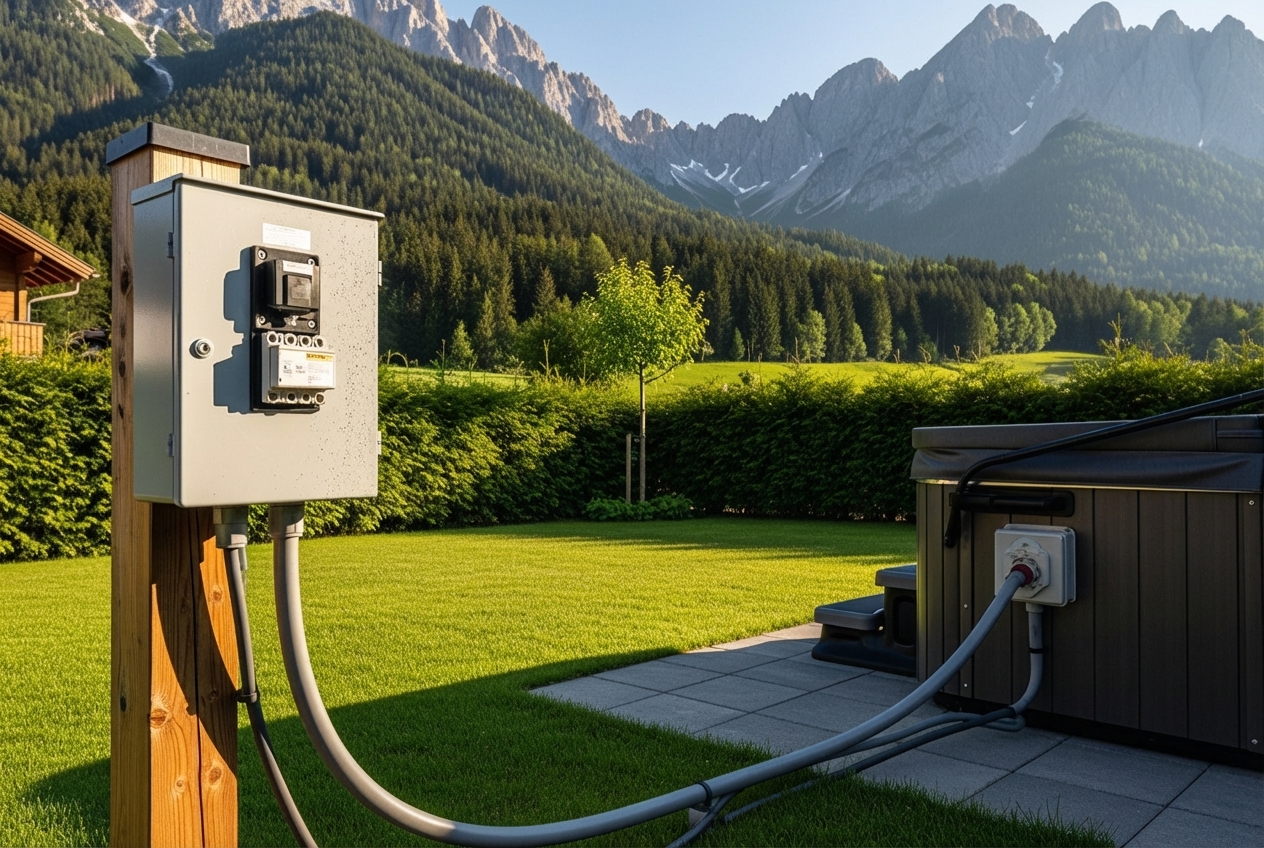
- Spa panel: This is a small, weatherproof disconnect box that we install near your hot tub. It houses the GFCI breaker and provides a quick, manual way to cut power to the tub. The National Electrical Code (NEC) requires this manual disconnect device between your home’s main breaker panel and the spa. It’s a key safety feature that prevents false tripping, which can sometimes happen if a hot tub is wired directly to a two-pole GFCI breaker in the main panel.
- #6 copper wire: This is the workhorse of your hot tub’s electrical connection. For a standard 240-volt hot tub installation, we’ll use No. 6 gauge copper wire. This consists of four conductors: two hot wires (usually red and black) that carry the 240V power, one neutral wire (white) for the 120V components in the tub (like the control panel or ozonator), and one ground wire (bare or green) for safety. We never use aluminum wire for hot tub wiring; copper is safer and more reliable.
- PVC conduit: All the wires running to your hot tub need protection. PVC conduit is a durable plastic pipe that encases the wires, shielding them from moisture, physical damage, and the elements. If the wires are going underground, this conduit is absolutely essential.
The specific amperage and wiring configuration can vary slightly depending on your hot tub model. For example, most Master Spas hot tubs require a 50-amp/240-volt connection. If you’re not sure what your hot tub needs, I always recommend checking the owner’s manual or giving us a call. Every model is a little different, and getting it right from the start saves a lot of headaches later.
Safety Rules That Matter
These aren’t just “nice to have”—they’re what keep you and your family safe. The combination of electricity and water demands strict adherence to safety guidelines, many of which are outlined in the National Electrical Code (NEC). We follow these codes carefully for every hot tub wiring job in Denver, Castle Pines, and all our service areas.
- The disconnect box should be at least 5 feet from the tub, but still in sight: This is a crucial rule. The spa panel (the manual disconnect device with the GFCI breaker) needs to be close enough to be easily accessible in an emergency, but far enough away that someone can’t reach it while still in the hot tub. It also needs to be clearly visible from the hot tub. This placement prevents hazards and ensures quick power cutoff if needed.
- All outdoor outlets need GFCI protection: Any electrical receptacles within 6 feet of the inside wall of the hot tub must be GFCI protected. In fact, the NEC requires a 120V receptacle within 10-20 feet of the spa itself. This is another layer of protection against electric shock.
- Wires must be protected in conduit, especially if they’re underground: As I mentioned, all wiring that is exposed or buried needs to be run inside approved conduit, like PVC. If we’re digging a trench, local codes often dictate a minimum depth, such as 18 inches, to protect those wires from future digging or damage.
- Everything metal around the tub should be bonded: This is a critical step called “bonding.” It means we connect all metal components in and around the hot tub (like metal handrails, the hot tub’s metal frame, or even nearby metal fences) with a continuous wire. This ensures that if any stray electrical current were to energize one metal part, all other metal parts would also become energized to the same potential, preventing a dangerous voltage difference that could cause a shock. It’s not the same as grounding, which connects to the earth; bonding connects everything to each other.
- Overhead power lines need to be a safe distance away: Most electrical codes require hot tubs to be at least 10 feet from any overhead power lines. This prevents accidental contact and ensures a safe overhead clearance.
We take these rules seriously because they directly impact the safety of your family and your property.
How a Pro Installs a 220V Hot Tub (Step by Step)
Now, I know some folks like to tackle projects themselves. But when it comes to hooking up 220v hot tub wiring, this isn’t a weekend DIY project. The risks are simply too high, and the codes are too specific. Here’s how my team and I handle a typical hot tub wiring job for homeowners in Denver and communities like Centennial and Highlands Ranch. This isn’t a how-to guide for you to do it yourself, but rather to show you the level of detail and care that goes into a professional installation.
Step 1: Planning and Permits
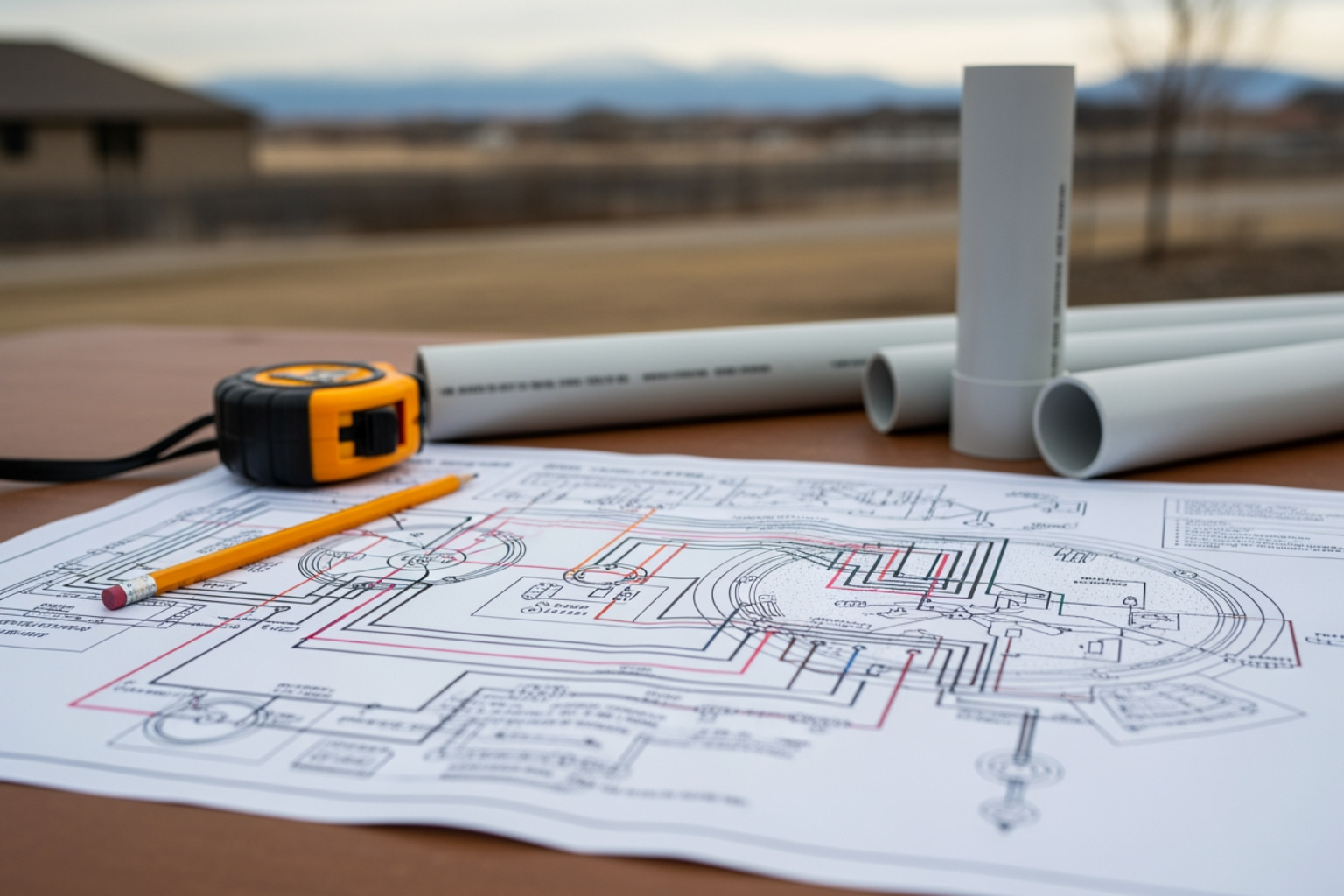
Before any wires are pulled or trenches dug, a lot of thought and preparation goes into the job.
- Figure out the best path from your main panel to the tub: We’ll carefully plan the most efficient and code-compliant route for the electrical conduit from your home’s main electrical panel to where your hot tub will sit. This involves considering obstacles, landscaping, and distance.
- Check if your panel can handle the extra load, or if it needs an upgrade: A 220V hot tub needs a significant amount of power. We’ll assess your existing electrical panel to make sure it has enough capacity for a new 50- or 60-amp circuit. In a lot of older houses around here in Lone Tree or Castle Rock, we find that panels might be nearing their capacity and an electrical panel upgrade might be necessary. It’s not just about having an open slot; it’s about the total load your home can safely handle.
- Pull the right permits (required in most Colorado towns): Electrical work, especially for something like a hot tub, almost always requires permits from your local municipality. This isn’t red tape; it’s a critical safety step. The permit process ensures that the work meets all local building and electrical codes.
- Schedule inspections as needed: Once the wiring is installed (but before it’s covered up!), the city inspector will come out to verify that everything was done correctly and safely, according to code. This third-party verification is an important part of ensuring your installation is safe and legal.
Step 2: Running Conduit and Pulling Wires
This is where the physical work of getting power to your hot tub begins. It’s meticulous and requires specialized tools.
- If the wires go underground, dig a trench (usually 18 inches deep): For safety and code compliance, any wires buried underground must be protected in conduit. Local codes in Denver and surrounding areas typically require trenches to be at least 18 inches deep for PVC conduit to prevent accidental damage.
- Run PVC conduit from the panel to the spa panel: We’ll assemble and run the PVC conduit, carefully measuring, cutting, and cementing sections together. We use “sweep” fittings for gentle bends, which makes pulling wires much easier and prevents damage. If the conduit needs to run through an exterior wall, we’ll create a precise opening for that.
- Pull four wires through the conduit (using a tool called fish tape): Once the conduit is in place, we use a specialized tool called fish tape to pull the four individual #6 copper wires (two hot, one neutral, one ground) through the conduit. This takes skill and often lubricant to ensure the wires slide smoothly without kinking or damage.
- Make sure the wires aren’t damaged or kinked: It’s vital that the insulation on these wires remains intact. Any nicks or damage could lead to serious problems down the road. We inspect the wires carefully as they’re pulled.
Step 3: Making the Connections
This is the most critical part, where electricity is actually connected. Precision and adherence to code are paramount.
- Install a new double-pole breaker in your main panel: Inside your home’s main electrical panel, we’ll install a dedicated double-pole 240V GFCI circuit breaker. This breaker will be specifically sized for your hot tub’s amperage requirements (typically 50 or 60 amps). We also make sure it’s clearly labeled so everyone knows what it controls.
- Wire up the spa panel and GFCI breaker: Next, we connect the incoming wires from your main panel to the GFCI breaker inside the spa panel. This is where the GFCI protection is located. We ensure all connections are tight and secure within the weatherproof spa panel box.
- Double-check the neutral and ground connections—this is where most mistakes happen: I can’t stress this enough. A common mistake, even among some less experienced electricians, is miswiring the neutral wire. The white neutral wire from the hot tub’s control box must be connected directly to the neutral terminal of the GFCI breaker in the spa panel, not to the sub-panel grounding bar. If it’s connected incorrectly, the GFCI will trip instantly when power is applied, and it won’t work safely. We always double and triple check these connections.
- Connect the wires to the hot tub, following the manufacturer’s instructions: Finally, we connect the wires from the spa panel into the hot tub’s control box. This part is highly specific to your hot tub model, so we always refer to the manufacturer’s wiring diagram. We use flexible, liquid-tight conduit for the last section of wire entering the hot tub’s equipment bay to allow for movement and vibration.
After all connections are made, we perform thorough testing to ensure everything is working perfectly and safely before the hot tub is filled and used.
Should You DIY or Call a Pro?
Some home projects are great for a Saturday afternoon. Hanging a picture, painting a room, or even assembling furniture can be satisfying DIY tasks. But hooking up 220v hot tub wiring? This isn’t one of them.
Why DIY Hot Tub Wiring Is Risky
I’ve seen a lot of DIY jobs go sideways, and when it comes to electricity and water, “sideways” can mean serious trouble. Most homeowners are surprised to learn how much can go wrong, even with good intentions.
- High risk of electric shock or fire if something’s not right: This is the most critical point. Working with 240 volts is extremely dangerous if you don’t know exactly what you’re doing. Improper wiring can lead to electrocution, which can be fatal. It can also cause electrical fires, putting your home and family at risk. As a Master Electrician, I can tell you that wires and water are not a safe combination unless handled by a professional.
- Can damage your new hot tub’s electronics: Hot tubs have sensitive control systems. Incorrect voltage, reversed polarity, or improper grounding can fry the expensive electronic components in your brand-new hot tub, turning your investment into a very large, non-functional planter.
- Most warranties require professional installation: Many hot tub manufacturers, especially for 220V models, will void your warranty if the electrical installation wasn’t performed by a licensed electrician. This means if anything goes wrong with the tub’s electrical system, you’re on the hook for repairs.
- Fixing mistakes later is always more expensive: I often get calls from homeowners in Denver who tried to wire their hot tub themselves and now have a breaker constantly tripping, or worse, a tub that doesn’t work at all. It almost always costs more to troubleshoot and fix a botched DIY electrical job than it would have to hire a professional in the first place. Plus, there’s the added stress and delay.
The motivating factor for DIY electrical work should be personal satisfaction and comfort, not just saving money. But when your life and property are on the line, that equation changes. Getting professional help, especially when working inside your main electrical panel, is always the smart choice.
What Goes Into the Cost of a Pro Installation?
When you get a quote from Harmony Electric for hot tub wiring, we’re transparent about what you’re paying for. The cost isn’t just a number; it reflects the expertise, safety, and quality that go into every job.
- Labor (planning, wiring, testing): This covers the electrician’s time for everything from the initial site visit and planning the route, to performing the installation, making all the connections, and thoroughly testing the system. Our team is highly trained and experienced in all aspects of hot tub wiring, ensuring the job is done safely and correctly.
- Materials (wire, conduit, breakers, spa panel): We use only high-quality, code-compliant materials. This includes the #6 copper wire, durable PVC conduit, the dedicated 240V GFCI breaker for your main panel, the outdoor-rated spa panel with its own GFCI breaker, and all the necessary fittings, connectors, and hardware. The cost of these materials can vary, especially the copper wire, which can be around $0.80 to $1.00 per foot.
- Distance from your main panel to the tub: The further your hot tub is from your main electrical panel, the more wire and conduit we’ll need, which directly impacts material costs and labor time. A shorter, more direct run is always more cost-effective.
- Upgrades to your main panel, if needed: As I mentioned, sometimes an existing electrical panel might not have the capacity for a new 50- or 60-amp circuit. If your panel needs an upgrade to safely accommodate the hot tub, this will be an additional cost. We’ll always let you know if this is the case and discuss your options.
- Permits and inspections: These fees are part of ensuring your installation is legal and safe. We handle the permit application process and coordinate with local inspectors in Denver, Castle Rock, or wherever your home is located.
We always give a clear, upfront quote so you know what to expect. There are no surprises, just honest recommendations and transparent pricing.
After the Job: Testing and Troubleshooting
Even with a professional installation by Harmony Electric, it’s smart to know the basics of how your hot tub’s electrical system works, especially regarding the GFCI.
- Test your GFCI breaker every month: Your GFCI (Ground Fault Circuit Interrupter) breaker is a critical safety device. It has a “Test” button, usually red or black. You should press this button once a month. When you press it, the breaker should trip, cutting power to your hot tub. This confirms that the GFCI is functioning correctly and will protect you in case of a ground fault. After testing, simply reset the breaker to restore power.
- If the breaker trips, don’t just reset it over and over—call an electrician: A tripping breaker is your electrical system’s way of telling you there’s a problem. While it might be tempting to just reset it and hope for the best, continuously resetting a tripping breaker can mask a serious underlying issue or even damage components. If your hot tub breaker trips, especially repeatedly, it’s time to call us. Take a picture of the GFCI box if you can, as this might help us diagnose the issue.
- Most tripping is caused by wiring errors, loose connections, or a faulty part in the tub: If your hot tub breaker is tripping, it’s often due to one of a few common issues. If it’s a new installation, it could be incorrect wiring, such as a misplaced neutral wire (this is the most common wiring mistake, even for some professionals!). Over time, loose connections can develop, or components within the hot tub itself (like the heater, pump, or ozonator) might develop a fault. Our technicians are experts at diagnosing these issues quickly and safely. We’ll check for any wiring errors, tighten connections, and test the hot tub’s internal components to pinpoint the problem.
We’re always here to help troubleshoot if you run into any issues with your hot tub’s electrical system. For our clients in Denver and the surrounding areas, we’re just a phone call away.
Your Hot Tub Is an Investment—Wire It Right
Hooking up 220v hot tub wiring is a big job, but it’s an investment in your home and your relaxation. When it’s done right, you get years of safe, reliable enjoyment from your spa. I’ve wired hundreds of spas across Denver, from Castle Rock to Centennial, and I always treat every home like it’s my own. We prioritize safety, efficiency, and doing the job right the first time.
At Harmony Electric, we back our work with a lifetime workmanship guarantee on select installations, including hot tub wiring. This means if there’s ever an issue with our electrical work, we’ll make it right—because your safety and comfort matter to us. We also offer a three-year material warranty on our installations. You deserve peace of mind knowing your hot tub is powered by a system you can trust.
Ready to get your hot tub wired safely and correctly? We’re here to help. Our team provides prompt scheduling, professional service, and clean, high-quality electrical work, all with clear communication and honest recommendations.
Learn more about our hot tub installation services.