Why Your Hot Tub’s Electrical Box Matters More Than You Think
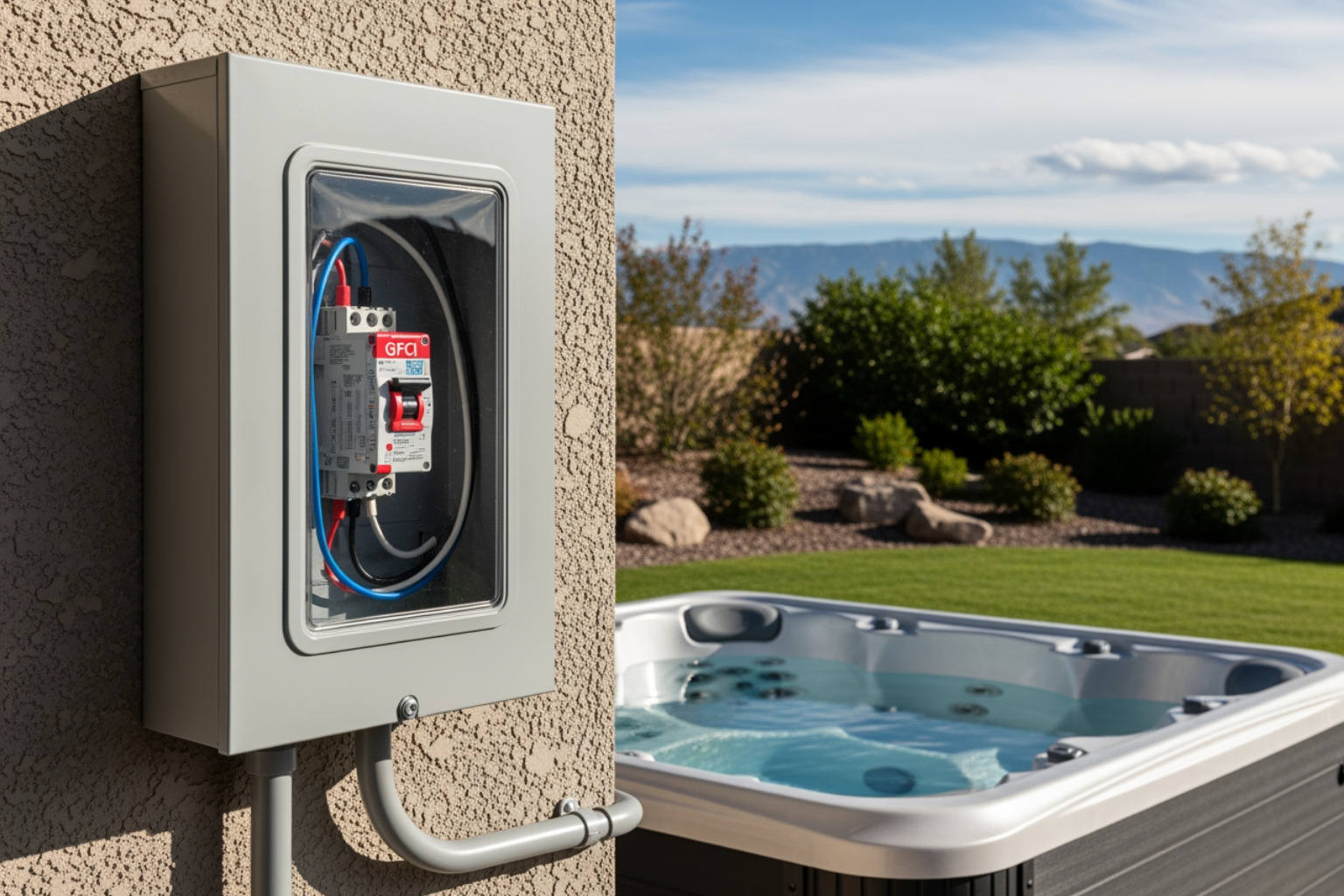
An electrical box for hot tub installations is a specialized disconnect panel—often called a spa panel—that delivers power to your hot tub and includes critical GFCI (Ground Fault Circuit Interrupter) protection to prevent electrical shock. Here’s what you need to choose:
Key Requirements:
- 50A or 60A GFCI breaker (matched to your hot tub’s specifications)
- NEMA 3R rated enclosure (weatherproof for outdoor installation)
- Dedicated 240-volt circuit from your main electrical panel
- Location: 5-50 feet from the hot tub, within line of sight
- Professional installation with permit and inspection
So, you’re getting a hot tub. That’s fantastic.
I’ve wired up hundreds of them across the Denver area over the years, and I know the excitement that comes with planning your backyard oasis. You’re probably thinking about jets, temperature settings, and maybe which friends to invite over first.
But before any of that, we need to talk about something that isn’t nearly as fun but is absolutely critical: the electrical box.
This isn’t just a switch that turns your hot tub on and off. It’s the single most important safety device between you and a potentially deadly electrical shock. When you’re sitting in hundreds of gallons of water surrounded by powerful electrical equipment, getting this part right isn’t optional—it’s non-negotiable.
The good news? Once you understand what you’re looking for, choosing the right electrical box for your hot tub isn’t complicated. You just need to know what matters, what doesn’t, and why certain features exist in the first place.
In this guide, I’ll walk you through everything you actually need to know. No jargon, no sales pitch—just the practical information I wish every homeowner had before they started shopping for spa panels.
What is a Hot Tub Electrical Box (And Why It’s Not Just a Switch)
The Brains Behind the Bubbles
Let’s start with the basics. What exactly is an electrical box for hot tub? Well, it goes by a few names: a spa panel, a hot tub disconnect, or sometimes just a breaker box. Whatever you call it, its purpose is twofold:
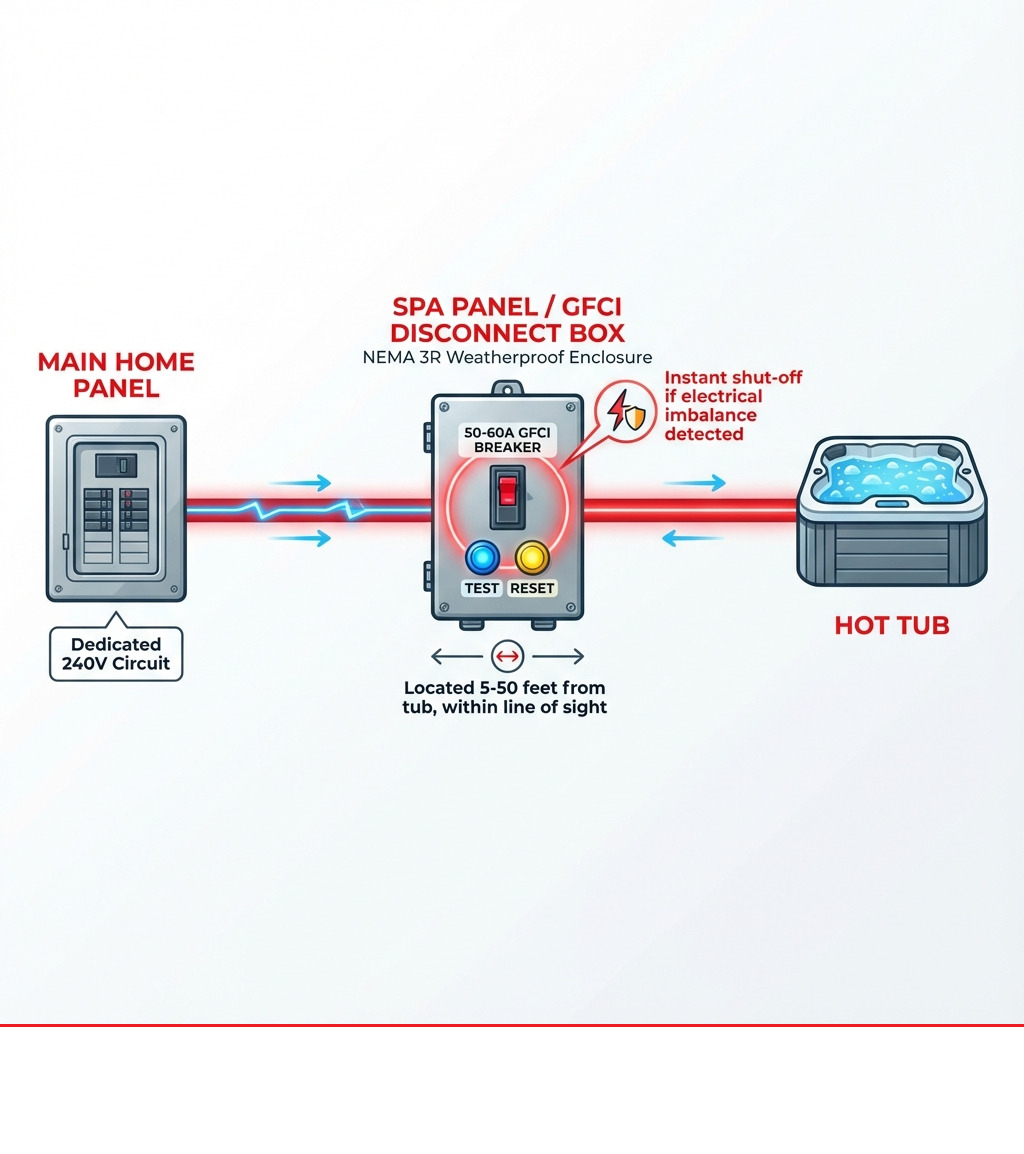
- To safely deliver power to your hot tub. Your hot tub is a powerful appliance, often requiring a dedicated 240-volt circuit, much like an electric oven or clothes dryer. This box acts as the intermediary between your home’s main electrical panel and the hot tub itself.
- To protect you from electrical hazards. This is the big one. As I always say, wires and water are not a safe combination unless handled by a professional. This box is specifically designed with features to prevent electric shock, which is a very real concern when you’re dealing with water and high voltage.
Think of it as the command center for your hot tub’s electricity. It’s not just a fancy on/off switch; it’s a critical safety device that can stop electricity to the hot tub in case of emergencies, protecting both the equipment and, more importantly, the people using it.
Understanding GFCI: Your Personal Lifeguard
The most crucial component inside your hot tub’s electrical box is the Ground Fault Circuit Interrupter, or GFCI. This isn’t just a nice-to-have feature; it’s a must-have. GFCI protection is a mandatory safety feature when doing anything electrical around water, including hot tubs.
Here’s how it works: the GFCI constantly monitors the flow of electricity along the circuit. It’s looking for any imbalance, even a tiny one, between the current going out to your hot tub and the current coming back. If it detects that electricity is “leaking” out of the circuit—which could happen if, say, a wire frays and touches the water—it will trip and shut off the power almost instantly. We’re talking milliseconds. This rapid response is what prevents serious electrical shock.
Without a GFCI, that “leaking” electricity could flow through someone in the water, causing severe injury or worse. That’s why the National Electrical Code (NEC) specifically requires GFCI protection for all permanently installed hot tubs. It’s your personal lifeguard, always on duty. You can dive deeper into why this is so important in our guide on hot tub electrical code and GFCI.
Choosing the Right Electrical Box for Your Hot Tub
When you’re looking at options for an electrical box for hot tub installations, you’ll notice they aren’t all the same. Here’s what we focus on when helping our Denver-area clients choose the right one.
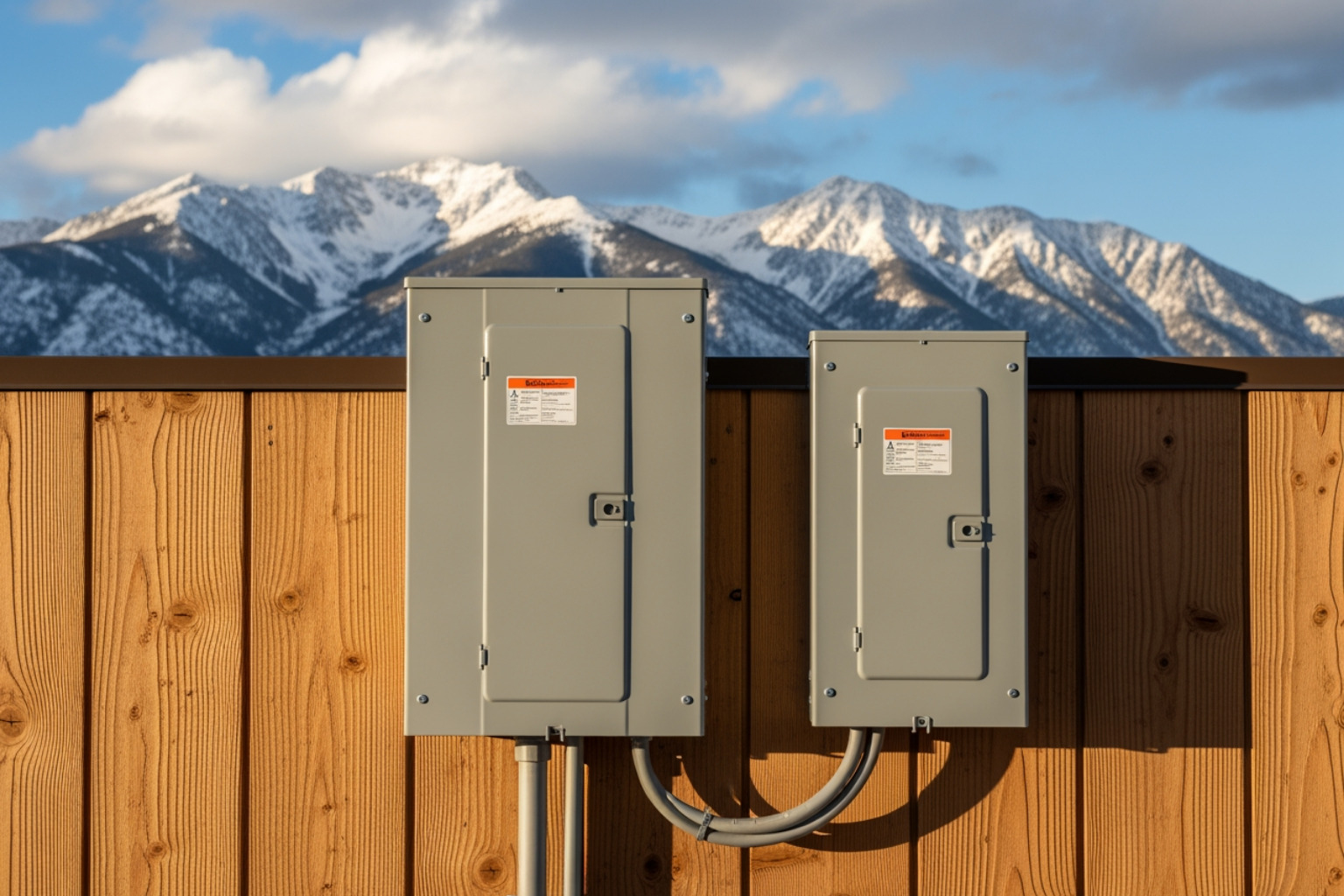
Key Features to Look For in an electrical box for hot tub
When selecting a spa panel, there are a few key things we always look for:
- Amperage Rating: This tells you how much electrical current the box can safely handle. Most modern hot tubs require either a 50-amp or 60-amp circuit. It’s absolutely essential to match the electrical box’s amperage to your hot tub’s specific requirements. Your hot tub’s owner’s manual will list its electrical needs. If the box is too small, it will trip constantly; too large, and it won’t offer adequate protection. We have a detailed hot tub amperage guide that can help you figure out what you need.
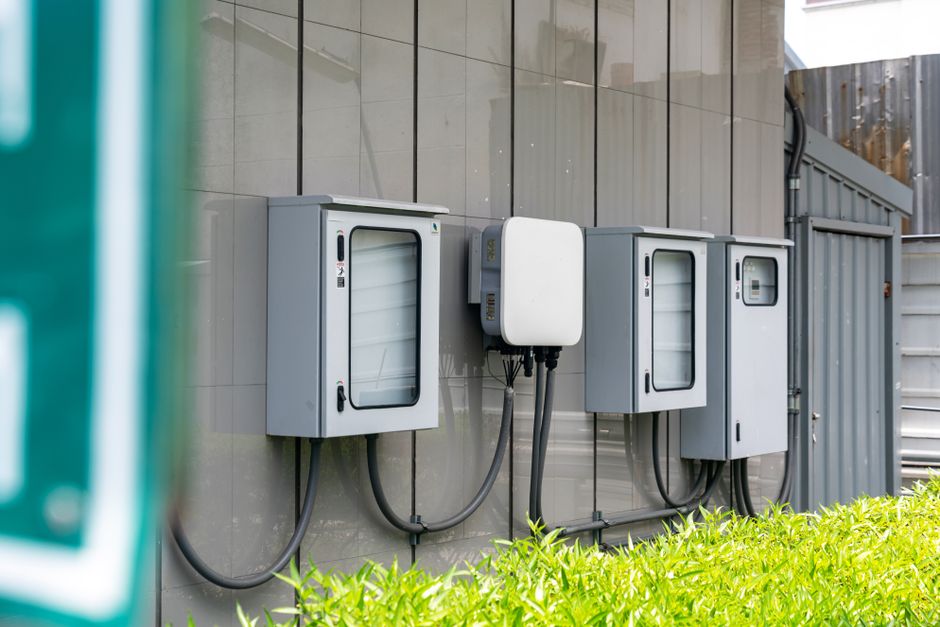
- NEMA 3R Rating: Since your hot tub is outdoors, its electrical box needs to be built to withstand the elements. A NEMA 3R rating means the enclosure is weatherproof. It’s designed to protect the internal electrical components from rain, sleet, snow, and external ice formation, which is crucial for our Colorado weather. We’ve seen how quickly unprotected outdoor electrical components can degrade, leading to costly repairs and safety hazards.
- Integrated GFCI Breaker: As we discussed, GFCI protection is non-negotiable. Ensure the box comes with a factory-installed GFCI breaker that matches your hot tub’s amperage. This ensures it’s correctly wired and ready to provide that vital layer of safety.
- Circuit Capacity: Some spa panels offer extra spaces for additional 120V branch breakers. This can be handy if you want to power something else nearby, like a small outdoor light or a BBQ rotisserie, without having to run another wire all the way back to your main panel.
A Note on Two-Breaker Systems
For permanently connected hot tubs, especially those we install here in Colorado, we often recommend considering a two-breaker system. This setup typically involves two GFCI breakers within the spa panel, usually totaling 50 amps. Here’s why it’s a smart choice:
The number one reason for hot tub failure that we see is the heating element shorting out, which then trips the breaker and shuts down the entire tub. With a single-breaker system, if the heater trips the GFCI, everything stops. That means no circulation, no filtration, and in our cold winters, that can quickly lead to frozen pipes and extensive damage to your hot tub’s plumbing.
A two-breaker system separates the heater from the rest of the hot tub’s functions (like the pumps and controls). If the heater fails and trips its dedicated breaker, the other breaker can keep the hot tub running and circulating water. This is a huge benefit, as it can prevent your hot tub from freezing solid, even if the heater needs repair. It allows the water to keep moving and filtering, buying you time to get the heater fixed without risking a much larger repair bill for frozen plumbing. It’s a bit of extra peace of mind, especially when you consider our unpredictable Colorado weather.
Hot Tub Electrical Requirements: Getting the Setup Right
Getting the right electrical box for hot tub is just one piece of the puzzle. The installation itself has to meet specific requirements to be safe, reliable, and up to code.
Location and Placement
The National Electrical Code (NEC) has clear rules about where your spa panel needs to go. For good reason!
- Distance from the Water: The disconnect box must be located a minimum of 5 feet away from the water’s edge of the hot tub. This distance is a safety measure, ensuring that someone cannot be in the tub and touch the electrical box at the same time.
- Line of Sight: While it needs to be at least 5 feet away, it also needs to be within 50 feet and within “line of sight” of the hot tub. This means you should be able to see the disconnect box from the hot tub. The idea here is that in an emergency, anyone in or near the hot tub can quickly and easily shut off all power to the unit. This is a critical safety measure that many homeowners overlook if they’re trying to hide the box. We always make sure it’s accessible and visible, even if it means finding a creative spot.
These rules are in place to ensure maximum safety for anyone using or maintaining the hot tub.
Your Home’s Electrical Panel and Wiring
This is where things often get tricky for homeowners, especially in older homes around Denver.
- Dedicated Circuit: Your hot tub needs its own dedicated 240-volt circuit. You can’t just plug it into an existing outdoor outlet or share a circuit with other appliances. A dedicated circuit ensures the hot tub gets the consistent power it needs without overloading other circuits in your home.
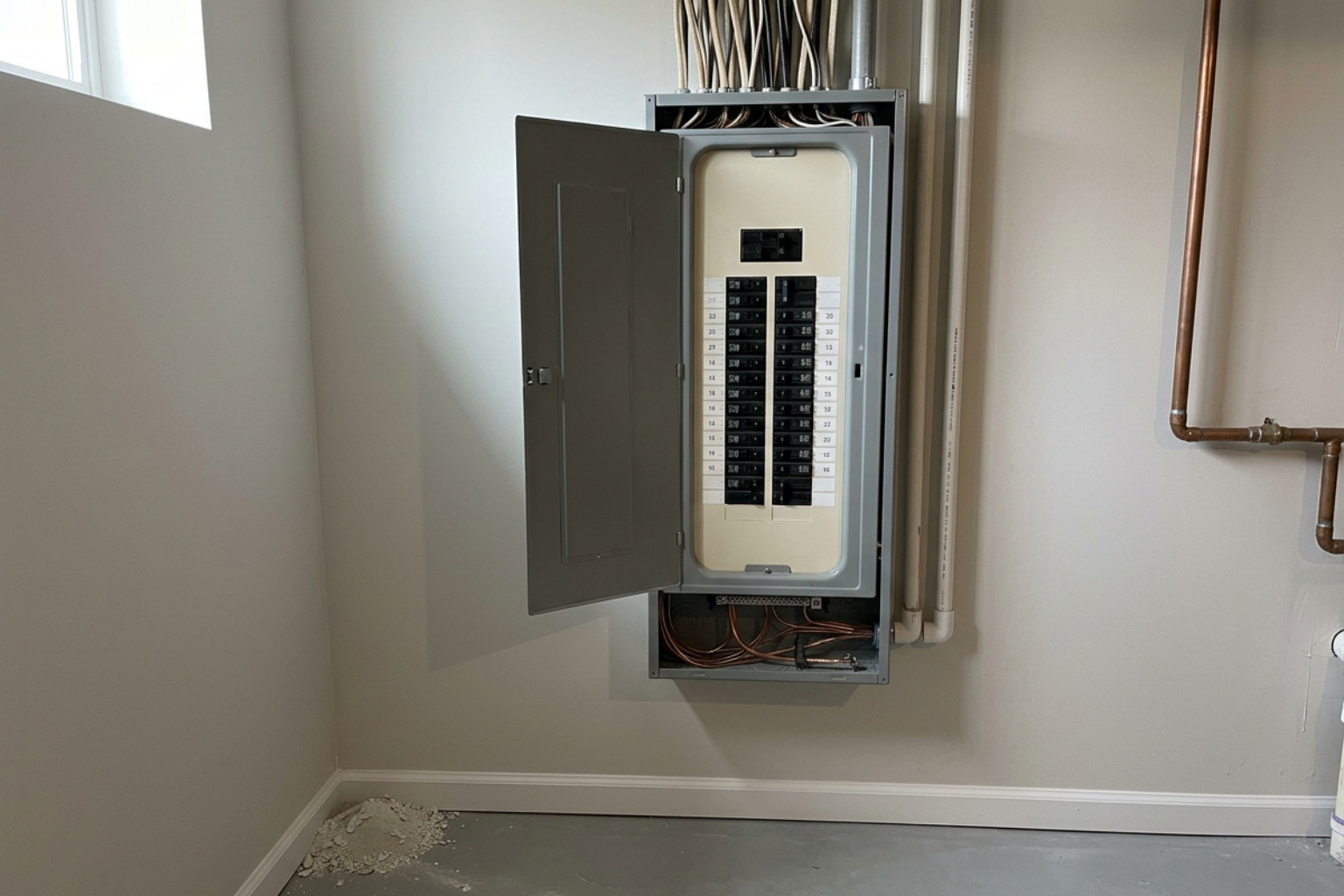
- Main Panel Capacity: We always start by checking your home’s main electrical panel. A hot tub draws a significant amount of power, and many older panels in our service areas of Castle Rock, Highlands Ranch, or Parker simply don’t have enough spare capacity. If your panel is already close to its limit, or if it’s an older model that can’t safely accommodate the new load, a panel upgrade will be necessary. This is a common situation, and we can help you figure out if your existing panel can handle a hot tub.
- Correct Wire Gauge: The wiring from your main panel to the spa panel, and then to the hot tub itself, must be the correct size (gauge) to safely carry the required amperage over the distance. Using wire that’s too small for the load or the distance can lead to overheating, tripped breakers, and fire hazards. We always follow strict guidelines to ensure the proper wire size is used for your specific setup.
It’s a lot to consider, but getting these electrical requirements right is fundamental to the safe operation of your hot tub. For more comprehensive information, the Electrical Requirements for Hot Tubs and Spas from the NFPA is a great resource.
Permits and Codes for your electrical box for hot tub
I know, permits aren’t the most exciting topic, but they are incredibly important. In most places, including all the communities we serve like Centennial, Lone Tree, and across the Denver Metro Area, a permit is required for any new hot tub installation.
Why? Because it ensures that the electrical work is inspected by the local authorities. This inspection confirms that everything was installed correctly and meets all current safety codes and regulations. It’s a crucial step that protects you and your home, ensuring that your hot tub is safe for years to come. Skipping this step can lead to fines, insurance issues, and, most importantly, serious safety risks. We always handle the permit process for our clients to make sure everything is done by the book. You can learn more about what’s involved in our guide on hot tub permits in Colorado.
Installation and Common Issues
DIY vs. Hiring a Pro: My Honest Advice
I’ve been a Master Electrician for a long time, and I’ve seen a lot of electrical work, both good and bad. When it comes to installing an electrical box for hot tub and wiring a hot tub, my honest advice is this: this is not a DIY project.
I know the internet is full of “how-to” guides, and you might think you can save a few bucks. But the combination of high voltage electricity and hundreds of gallons of water creates a unique and dangerous situation. The risks of fire, severe electric shock, and even electrocution are just too high. Plus, if the wiring isn’t done exactly right, you could void your hot tub’s warranty, and your insurance company might not cover any damages.
A licensed electrician, like the folks on our team at Harmony Electric, has the training, experience, and specialized tools to ensure the work is done safely, correctly, and to code. We understand the specific requirements for hot tub wiring in Colorado, from proper wire sizing to the correct installation of your GFCI disconnect. We’ve even got a guide on common problems when installing a hot tub without a licensed electrician that highlights some of the issues we often have to fix after a well-intentioned DIY attempt.
When you hire a professional, you’re not just paying for wires to be connected; you’re paying for peace of mind and the assurance that your family will be safe.
Why Your Hot Tub Breaker Keeps Tripping
It can be frustrating when your hot tub suddenly loses power. If your GFCI breaker trips, it’s actually doing its job—it’s detected a problem and is protecting you and your equipment. The key is to understand why it’s tripping.
We’ve found that the number one reason for hot tub failure, leading to a tripped breaker, is the heating element shorting out. This is a common issue over time. However, other culprits can include:
- A worn-out pump motor: Over time, pump motors can draw too much current or develop internal faults.
- Moisture intrusion: Water getting into electrical components (like the control pack, heater, or even light fixtures) can cause a ground fault.
- Loose connections: A loose wire can create resistance, leading to heat buildup and a trip.
- Overloaded circuit: Though less common with a dedicated circuit, if anything else is drawing power from the hot tub’s circuit, it could cause an overload.
- A faulty GFCI breaker: Sometimes the breaker itself can go bad and become overly sensitive.
When your breaker trips, the first thing to do is try resetting it. Find the GFCI breaker in your spa panel. It will likely be in the “middle” position. Push it firmly to the “Off” position, then back to the “On” position. If it immediately trips again, try unplugging any accessible accessories (like lights or small pumps) and reset it once more. If it still trips repeatedly, it’s a clear signal to shut it down and call a professional. Don’t ever ignore a tripping GFCI or try to force it back on repeatedly, as that can be dangerous.
What Does a Professional Installation Cost?
The cost for a professional hot tub wiring installation can vary quite a bit. It’s not a one-size-fits-all number because several factors come into play:
- Distance from your main panel to the hot tub: Longer runs mean more wire, more conduit, and more labor.
- Condition of your existing electrical panel: As we discussed, many homes in the Denver area, especially older ones, might need an upgrade to handle the hot tub’s power demands. This adds to the overall cost.
- Specific requirements of your tub: Some larger, more powerful hot tubs might need higher amperage or more complex wiring.
- Accessibility: Is the path for the wiring straightforward, or does it involve navigating challenging terrain or structures?
While we can’t give you an exact figure here without seeing your specific setup, we believe in transparent pricing. We’ve put together some typical scenarios to give you a general idea of what to expect. You can review our hot tub installation pricing page for more details. What I can tell you is that investing in a professional installation upfront saves you money and headaches in the long run by preventing costly repairs and ensuring safety.
Frequently Asked Questions about Hot Tub Electrical Boxes
We get a lot of questions about hot tub electrical systems, and that’s a good thing! It means homeowners are thinking about safety. Here are some of the most common ones:
Why does my hot tub GFCI trip when it rains?
This is a common issue, and it almost always points to moisture getting into a part of the electrical system that it shouldn’t. It could be:
- A cracked or damaged conduit that’s allowing water to seep in.
- A loose-fitting cover on an outdoor junction box or receptacle near the tub.
- Water getting into the hot tub’s control pack, heater, or other internal electrical components.
If your GFCI trips when it rains, it’s a clear sign that something needs to be inspected and sealed properly by a qualified electrician. Don’t just ignore it or try to reset it repeatedly, as this indicates a potential safety hazard.
Can I use a regular outdoor breaker box for my hot tub?
No, you cannot. A standard outdoor breaker box does not provide the specific type of protection required for hot tubs. An electrical box for hot tub must be a dedicated spa panel or spa disconnect that includes integrated GFCI protection. This is a crucial distinction. Regular breakers protect against overcurrent, but GFCI breakers specifically protect against ground faults, which are the most dangerous type of electrical fault around water. The National Electrical Code is very clear on this requirement for your safety.
How often should I test my GFCI breaker?
We recommend testing your GFCI breaker monthly. It’s a simple process that ensures your personal lifeguard is still working:
- Make sure your hot tub is running.
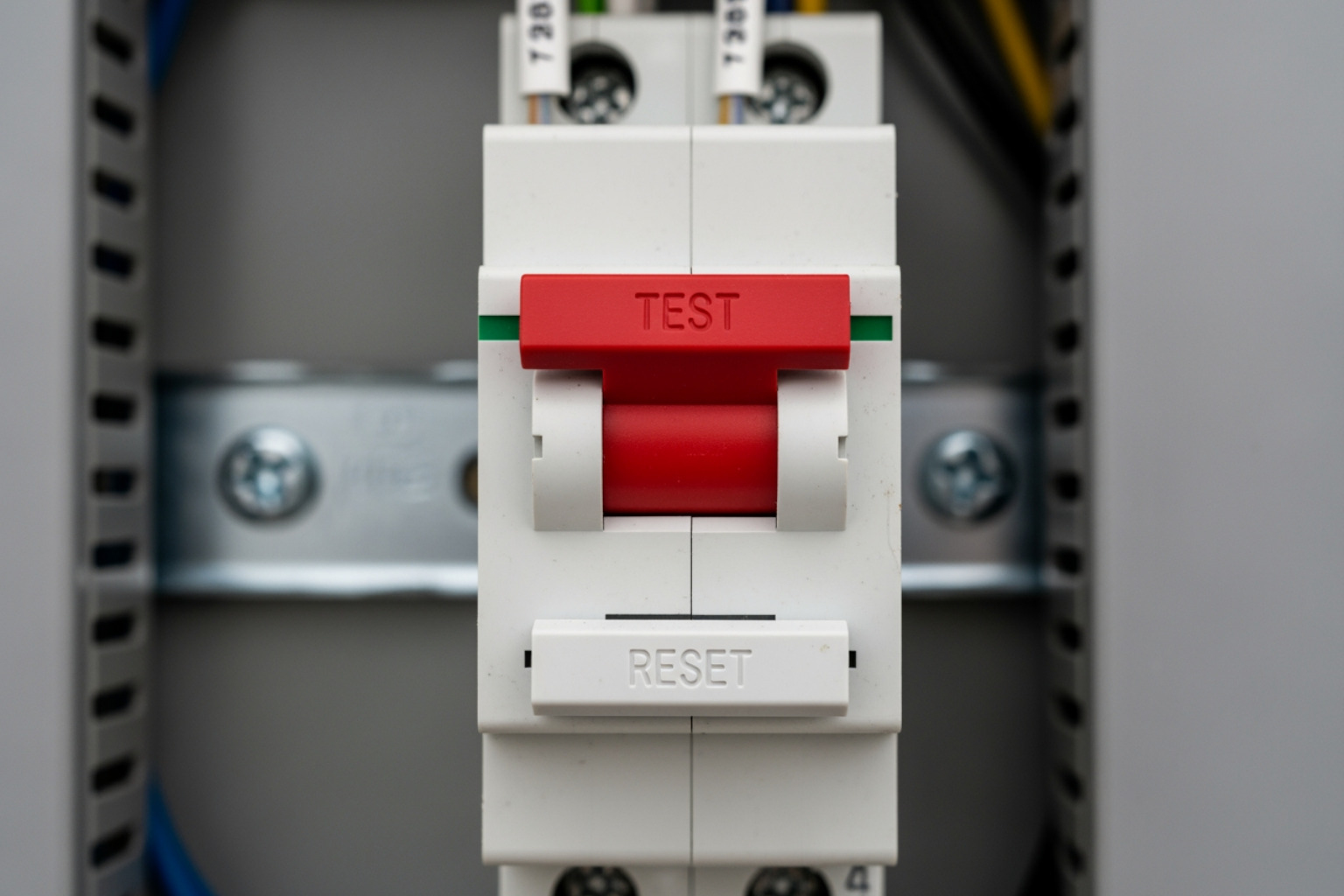
- Locate the GFCI breaker in your spa panel. You’ll see a “Test” button on it, usually red or black.
- Press the “Test” button. The power to your hot tub should immediately shut off, and the breaker handle should move to the “tripped” position (often halfway between “On” and “Off”).
- To reset it, push the breaker handle firmly to the “Off” position, and then back to the “On” position. Your hot tub should power back up.
If the GFCI doesn’t trip when you press the test button, or if it doesn’t reset properly, it’s faulty and needs to be replaced immediately. This indicates it might not protect you in an actual ground fault situation. It’s a quick test that can save lives.
Your Hot Tub is for Relaxing—Its Wiring Shouldn’t Be Stressful
Getting the electrical setup right is the absolute foundation of years of safe, worry-free enjoyment of your hot tub. It’s not an area where you want to cut corners, take chances, or settle for anything less than professional expertise. The safety of your family and the longevity of your investment depend on it.
At Harmony Electric, we believe in doing the job right the first time. That’s why we back our hot tub installations with a lifetime workmanship guarantee, along with a three-year material warranty on select installations. We’re here to make sure your hot tub is installed safely and professionally, allowing you to focus on the relaxation it brings.
If you’re in the Denver area—whether you’re in Castle Rock, Highlands Ranch, Centennial, Parker, Lone Tree, or anywhere in the Denver Metro Area—and you want to make sure your new hot tub is wired correctly and safely, we’re here to help.
Get a quote for your hot tub installation