What Does It Actually Cost to Replace an Electric Fuse Box?
The cost of replacing an electric fuse box in the UK typically runs between £400 and £1,000 for a standard home. In the US, most homeowners pay somewhere between $1,500 and $4,500, depending on the size of the job.
Here’s a quick snapshot so you can get your bearings right away:
| Scenario | Typical Cost (US) | Typical Cost (UK) |
|---|---|---|
| Basic fuse box swap (100-amp) | $1,500 – $2,800 | £400 – £600 |
| Upgrade to 200-amp service | $2,800 – $4,500 | £600 – £1,000 |
| Full replacement with rewiring | $4,500 – $8,000+ | £1,000 – £2,500+ |
| Labor (per hour) | $65 – $150/hr | £40 – £70/hr |
| Permits and inspection | $150 – $500 | £50 – £150 |
Those numbers can feel like a wide range. And honestly, they are. What you actually pay depends on your home’s age, how many circuits you have, whether the wiring needs work, and where you live.
I’m Randy Harmuth, master electrician and owner of Harmony Electric. I’ve replaced a lot of fuse boxes in Denver-area homes over the years, and the question I hear most is: “What’s this going to cost me?”
That’s exactly what this guide answers.
A lot of homeowners don’t think much about their fuse box — until something goes wrong. A tenant smells something burning. A fuse keeps blowing. The lights flicker every time the microwave runs. These aren’t just annoyances. They’re warning signs that your electrical system is working harder than it should.
The good news is that replacing an old fuse box is a straightforward job for a qualified electrician. The better news is that once it’s done, you won’t have to think about it again for decades.
Let’s walk through what it really costs — and what drives that number up or down.
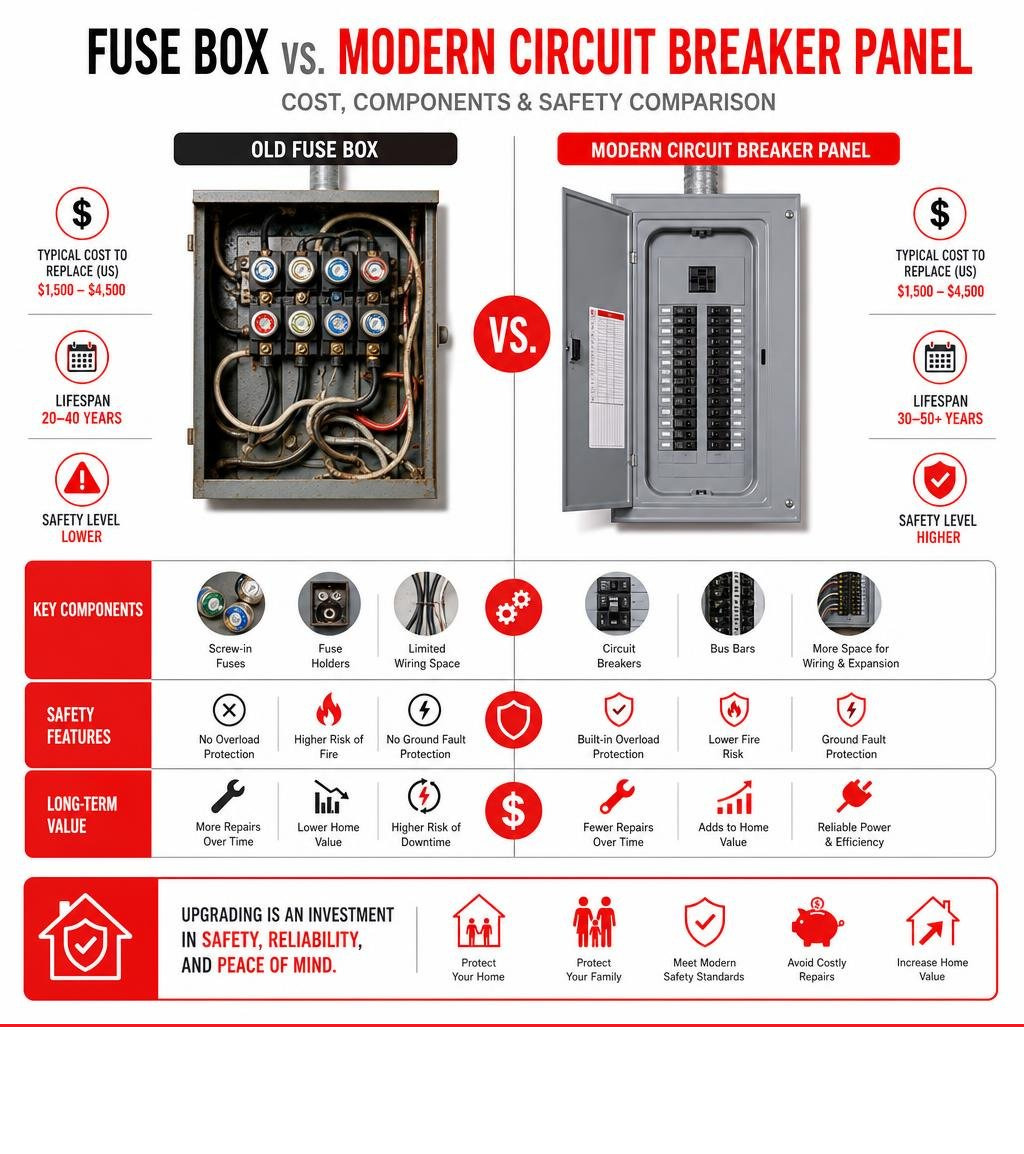
Simple guide to cost of replacing electric fuse box terms:
Why It Is Time to Swap Your Outdated Fuse Box
In many older homes around Denver, Castle Rock, and Centennial, you can still find old-school fuse boxes humming away in basements or utility closets. While they were state-of-the-art when your home was built, they simply weren’t designed to handle the electrical demands of modern life.
The biggest issue with older fuse boxes is safety. When a circuit gets overloaded in a modern home, a circuit breaker trips. You walk downstairs, flip a switch, and the power is back on. In a fuse box, a tiny metal filament inside the fuse melts to stop the electricity. You have to physically unscrew the blown fuse and replace it with a new one.
Because buying new fuses is a hassle, many homeowners over the years made a dangerous mistake: overfusing. If a 15-amp fuse kept blowing, they might screw in a 20-amp or 30-amp fuse instead. This stops the fuse from blowing, but it allows more current through the wires than they can safely handle. The wires inside your walls heat up, melt their insulation, and can easily spark a house fire.
Flickering lights, warm outlet covers, or a faint buzzing sound near your electrical panel are clear signs of an outdated electrical panel that needs immediate attention. If you are constantly dealing with the headache of replacing fuses, understanding the difference between blown fuses vs breakers is the first step toward a safer home.
Another major driver for an upgrade is home insurance. Many major insurance providers in Colorado will charge incredibly high premiums—or flat-out refuse to write a policy—for homes that still rely on old fuse boxes. Upgrading to a modern circuit breaker panel is often required just to keep your home insured or to sell your property.
The Real Cost of Replacing Electric Fuse Box Systems
When budgeting for this project, it helps to understand the different price tiers. The total cost of replacing an electric fuse box depends heavily on whether you are doing a simple “like-for-like” swap or upgrading your entire home’s electrical capacity.
Here is a detailed breakdown of what we typically see for replacement projects in the Denver Metro Area:
| Project Scope | Average Material Cost | Average Labor Cost | Total Estimated Cost |
|---|---|---|---|
| 100-Amp Panel Swap (Basic replacement, existing capacity) | $300 – $600 | $1,200 – $2,200 | $1,500 – $2,800 |
| 200-Amp Service Upgrade (Standard for modern homes) | $500 – $1,000 | $2,300 – $3,500 | $2,800 – $4,500 |
| 400-Amp Service Upgrade (Large homes, heavy electrical loads) | $1,200 – $2,500 | $4,800 – $7,500 | $6,000 – $10,000 |
| Permits & Municipal Inspections | N/A | N/A | $150 – $500 |
According to national cost estimates, most homeowners spend between $1,500 and $3,500 to replace an old panel, but those numbers can rise quickly if your local utility company has to run new service lines to your house.
When deciding whether to move forward, we always advise looking at the long-term picture. Weighing the options of electrical panel replacement vs repair usually reveals that repairing an obsolete fuse box is a temporary band-aid. Parts are becoming harder to find, and you are still left with an inherently outdated system.
Estimating the Cost of Replacing Electric Fuse Box Units by Amperage
Amperage is simply the measure of how much electrical current your panel can handle at one time.
Many older homes in Parker or Highlands Ranch were originally built with 60-amp or 100-amp fuse boxes. Decades ago, that was plenty of power for a few light bulbs, a refrigerator, and a small television. Today, between smart appliances, multi-zone HVAC systems, computers, and home theater setups, a 100-amp service is often stretched to its absolute limit.
If you choose a basic 100-amp circuit breaker panel swap, you will save some money upfront on materials and labor. However, we almost always recommend upgrading to 200-amp service during the replacement process.
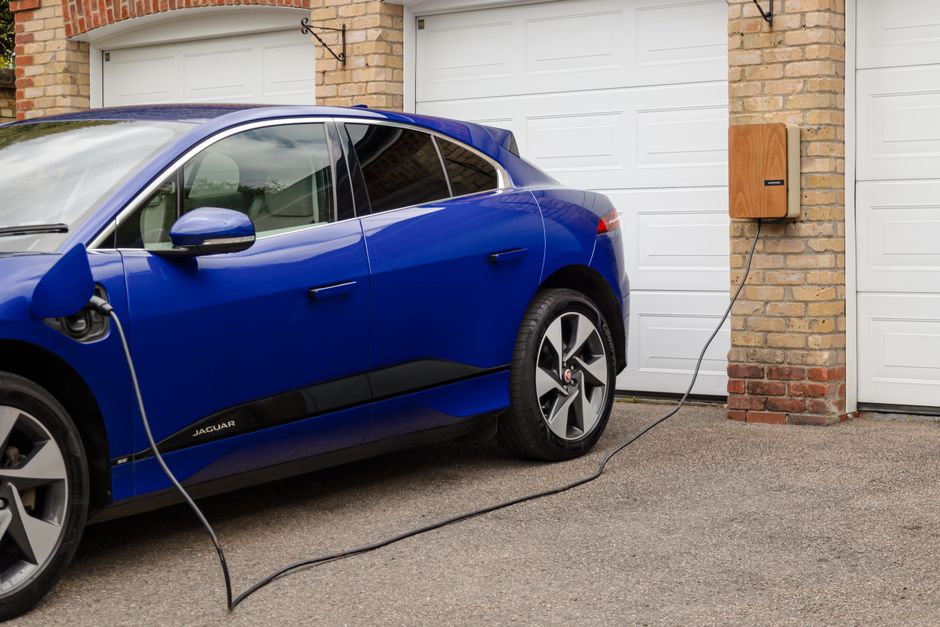
Upgrading to 200 amps gives your home the breathing room it needs for modern living. It also future-proofs your property. If you ever plan to add an electric vehicle (EV) charger, central air conditioning, or a hot tub, you will already have the electrical capacity ready to go, saving you from having to pay for another panel upgrade down the road.
Hidden Factors That Drive Up the Cost of Replacing Electric Fuse Box Panels
The panel itself is only part of the equation. Several secondary factors can influence your final bill:
- Home Rewiring: If your home still has its original cloth-covered or ungrounded wiring, installing a modern breaker panel won’t automatically make the rest of the house safe. We often have to replace older sections of wiring to ensure they can safely connect to the new panel.
- Panel Relocation: Modern building codes have strict rules about where an electrical panel can be located. It cannot be in a bathroom, a clothes closet, or above stairways. If your old fuse box is in an unsafe or non-compliant spot, we will need to relocate the new panel, which requires running new conduit and wire back to the original location.
- Grounding and Bonding: Older systems often lack proper grounding. To meet modern safety codes, we must install grounding rods deep into the earth outside your home and bond your metal water pipes to the electrical system.
- Dedicated Circuits: Modern codes require certain heavy appliances to have their own dedicated lines. If you are adding new heavy-use appliances, you will need to factor in dedicated circuit requirements to keep your system safe and compliant.
What Is Included in a Professional Replacement Quote?
A transparent, professional quote should never leave you guessing. When we provide an estimate for a panel upgrade or replacement, it includes several distinct components to ensure the job is done safely and legally.
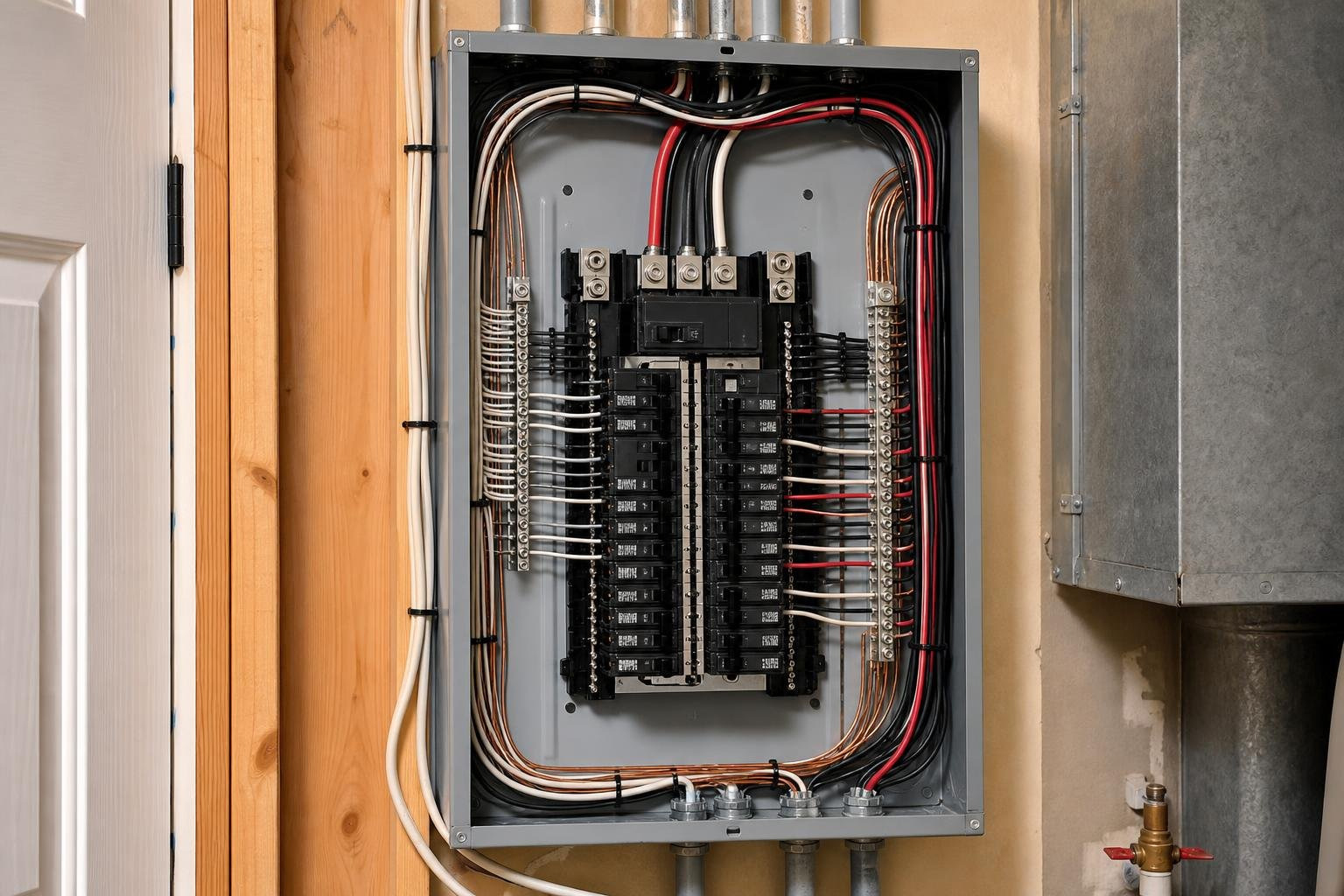
A comprehensive quote should detail:
- Materials: This covers the new breaker panel enclosure, the main breaker, individual circuit breakers (including AFCI and GFCI breakers required by modern safety codes), grounding rods, copper wiring, and conduit.
- Labor Hours: Replacing a panel is a highly detailed process that typically takes between 6 and 10 hours of active labor.
- Permit Acquisition: We handle the paperwork and fees to secure the necessary electrical permits from your local building department (such as Castle Rock, Lone Tree, or Denver).
- Utility Coordination: We coordinate with local power providers like Xcel Energy or CORE Electric Cooperative to safely disconnect the power grid on the morning of the install and reconnect it once the work is complete.
- Final Inspection: Once the installation is finished, we schedule and attend the meeting with the municipal inspector to ensure the work is officially signed off.
Understanding these electrical box replacement cost factors helps you compare quotes accurately. When you are understanding electrical panel upgrades, you will see that a cheap quote often means a contractor is skipping crucial steps like pulling permits or installing proper grounding.
Why DIY Is Off the Table (And the Importance of Professional Installation)
Working on your main electrical panel is one of the most dangerous tasks you can attempt in a home. Even when you turn off the main switch, the heavy utility cables coming into the top of your panel are still live with hundreds of amps of electricity. One slip of a tool can cause severe injury, electrocution, or an explosive arc flash.

Professional installation ensures that every connection is torqued to exact specifications and that your system complies with the latest residential electrical codes. Furthermore, performing unpermitted electrical work can void your homeowner’s insurance policy, create massive hurdles when you try to sell your home, and put your family at risk of an electrical fire.
Professional installation is also critical when it comes to manufacturer warranties for high-end home additions. For example, while it is tempting to handle the wiring yourself, most high-end manufacturers require professional certification to keep your protection active. As the authorized electrical installer for Colorado Custom Spas, Harmony Electric ensures your unit is wired to exact factory specifications, protecting your investment from day one.
Frequently Asked Questions About Fuse Box Upgrades
How long does it take to replace an old fuse box?
A standard, straightforward panel swap typically takes between 6 and 8 hours. During this time, your home’s power will need to be completely shut off. We coordinate closely with you and the local utility company to ensure the outage is as brief as possible, usually starting first thing in the morning so your power is back on by the afternoon.
Will a new electrical panel increase my home’s value?
While a new panel might not instantly add thousands of dollars to your home’s asking price, it removes a major hurdle for potential buyers. Most home inspectors will flag an old fuse box as a safety hazard. Upgrading it beforehand makes your home much more appealing, prevents delays during the closing process, and ensures the buyer can secure property insurance.
Can I just swap out individual fuses for circuit breakers?
No. Fuses and circuit breakers operate on completely different designs and use different physical connections inside the box. You cannot simply plug a circuit breaker into a slot designed for a screw-in fuse. The entire metal enclosure, the bus bars, and the main switch must be removed and replaced with a modern breaker panel.
Conclusion
Upgrading your home’s electrical system is one of the smartest investments you can make for your safety, convenience, and home value. While the cost of replacing an electric fuse box is an upfront expense, the long-term benefits of safety, reliability, and code compliance are well worth it.
At Harmony Electric, we believe in doing the job right the first time. Randy Harmuth, Master Electrician, and our experienced team handle everything from the initial load calculations and permit filing to the final safety inspections. Our select installations are backed by a lifetime workmanship guarantee and a three-year material warranty, giving you complete confidence in your home’s power.
If you are ready to upgrade your outdated fuse box in Denver, Castle Rock, Highlands Ranch, or the surrounding areas, contact us today to schedule a professional consultation. We offer clear, honest recommendations and high-quality residential electrical services without any unnecessary complexity.