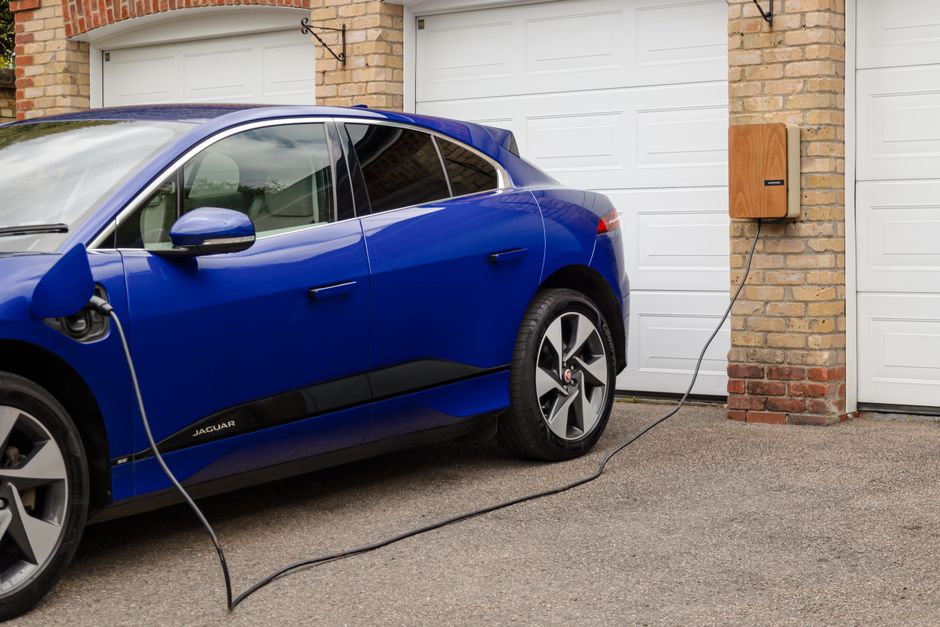
Navigating EV Charger Installation Lone Tree for Homes and Businesses
Electric vehicles have taken off across Douglas County. Lone Tree drivers are logging serious electric miles between local commutes and weekend trips up the foothills. A dependable ev charger installation in Lone Tree makes those miles easier by giving you a full battery every morning without hunting for a public station.
Choosing the right equipment starts with comparing Level 2 and Level 3 charging specifications and costs. Most drivers rely on Level 2 chargers for home and workplace charging, while Level 3 DC fast chargers are built for quick highway fill-ups. The U.S. Department of Energy’s Alternative Fuels Data Center is a useful reference for understanding public charging infrastructure and connector types.
Hardware options vary based on your vehicle standard:
- Level 2 AC Units: Deliver 240-volt power using the standard J1772 connector or the North American Charging Standard (NACS). These units output between 7.2 kW and 19.2 kW.
- Level 3 DC Fast Chargers: Use 480-volt commercial power with CCS, CHAdeMO, or NACS plugs. They output 50 kW to 350 kW to refill batteries in 20 to 45 minutes.
Level 2 vs Level 3 DC Fast Charging Differences
The gap between Level 2 and Level 3 comes down to your incoming electrical service and daily use case.
| Specification | Level 2 AC Charger | Level 3 DC Fast Charger |
|---|---|---|
| Typical Voltage | 240V Single-Phase | 480V Three-Phase |
| Power Output | 7.2 kW to 19.2 kW | 50 kW to 350+ kW |
| Miles of Range Per Hour | 25 to 40 miles | 150 to 600+ miles |
| Hardware Cost | $400 – $1,200 | $15,000 – $80,000+ |
| Typical Best Fit | Homes, Offices, Condos | Retail Plazas, Highway Travel |
For single-family homes, Level 2 is the clear choice. It matches typical 240V residential power and fills your battery while you sleep. Level 3 requires heavy commercial utility transformers that are rarely practical for residential properties.
Evaluating Public Station Reliability in Lone Tree
Public charging in Lone Tree continues to expand, but it can come with unexpected hiccups.
Take the public stations around Rampart Range. They offer both Level 2 J1772 ports, typically priced around $0.20/kWh, and Level 3 fast charging, around $0.40/kWh. However, local drivers occasionally report maintenance issues, broken plugs, or offline screens.
You also have to watch the clock. Many public hubs offer free parking for the first 240 minutes, but tack on idle fees of $3 or more per hour once that window closes.
Relying entirely on commercial chargers means dealing with station downtime, app glitches, and peak pricing. Having your own home charging setup eliminates those hassles.
Site Preparation, Electrical Panels, and Permitting
Step-by-Step EV Charger Installation Lone Tree for Homeowners
A safe home installation follows a straightforward sequence.

- Service Load Calculation: We test your current energy usage against your panel’s limit.
- Dedicated Circuit Run: We run heavy-duty copper wire from your main panel to the garage or driveway.
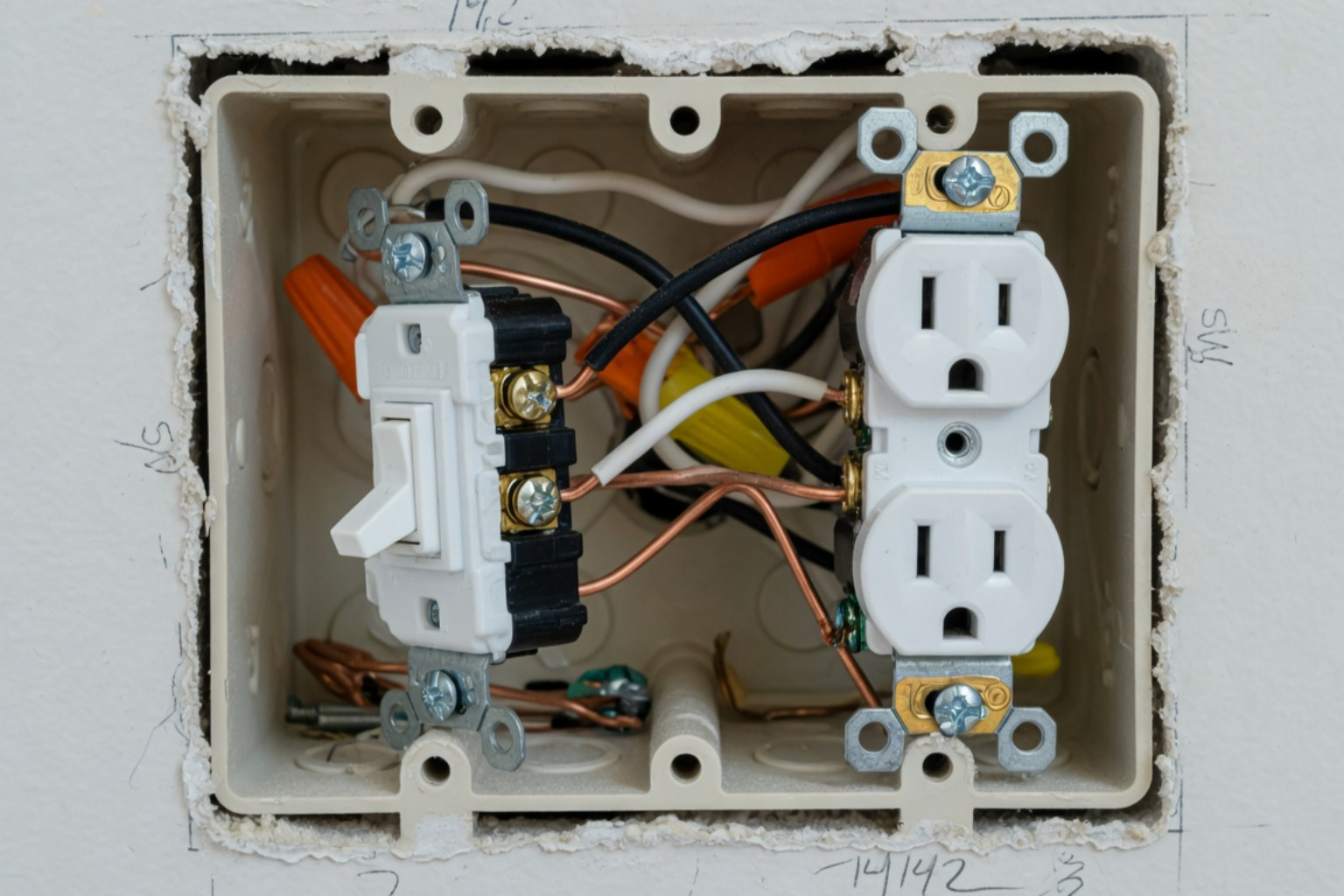
- Outlet or Hardwire Connection: We complete the 240-volt outlet installation requirements or hardwire the charger directly to the wall.
- Mounting and Cable Management: We set the charger at an easy-to-reach height so cables stay off the floor.
- Testing and Permitting: We verify ground-fault protection and handle all local inspections.
Hardwiring is often my top recommendation for residential setups. It eliminates plug connection points, supports higher continuous amperage, and stands up well to temperature swings in unheated garages.
Panel Capacity, Upgrades, and Safety Standards
An EV charger is what the National Electrical Code calls a continuous load. This means it pulls steady, high-draw current for hours at a time. The National Fire Protection Association publishes the National Electrical Code, which sets the safety standard for this type of electrical work.
Under those electrical safety standards, continuous loads cannot exceed 80% of a circuit breaker’s rated capacity:
- A 40-amp charger requires a 50-amp dedicated breaker.
- A 48-amp charger requires a 60-amp dedicated breaker.
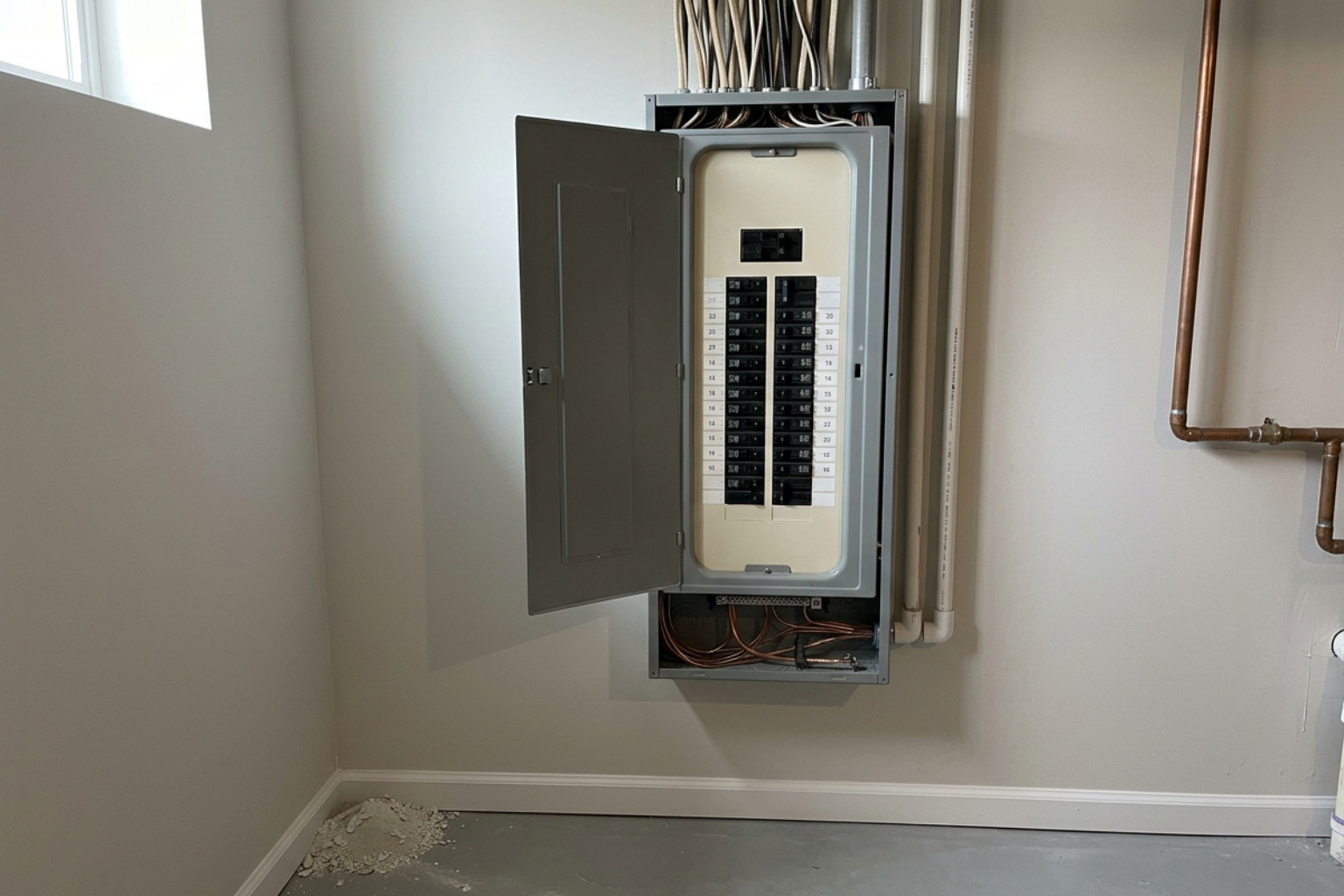
What I usually see in older Lone Tree homes is a 100-amp or 125-amp electrical panel that is already running central air conditioning, an electric range, and a dryer. Adding a 50-amp car charger to a full panel can trigger overloads.
In those situations, upgrading to a modern 200-amp panel ensures your home handles the charging load safely without tripping main breakers.
Navigating Local Douglas County and Lone Tree Permitting
Installing a 240V circuit requires a building and electrical permit from the City of Lone Tree or Douglas County Building Division.
Skipping permits can create safety hazards and complicate future home sales. A licensed professional handles the paperwork, verifies proper wire gauge, and sets up the final inspection. Passing residential electrical installation inspections confirms that every terminal, breaker, and ground rod is installed strictly to code.
Commercial and Multi-Family Property Solutions
Commercial properties, HOA communities, and office parks in Lone Tree face different demands than single-family homes. Adding EV stations improves tenant retention and draws retail foot traffic.
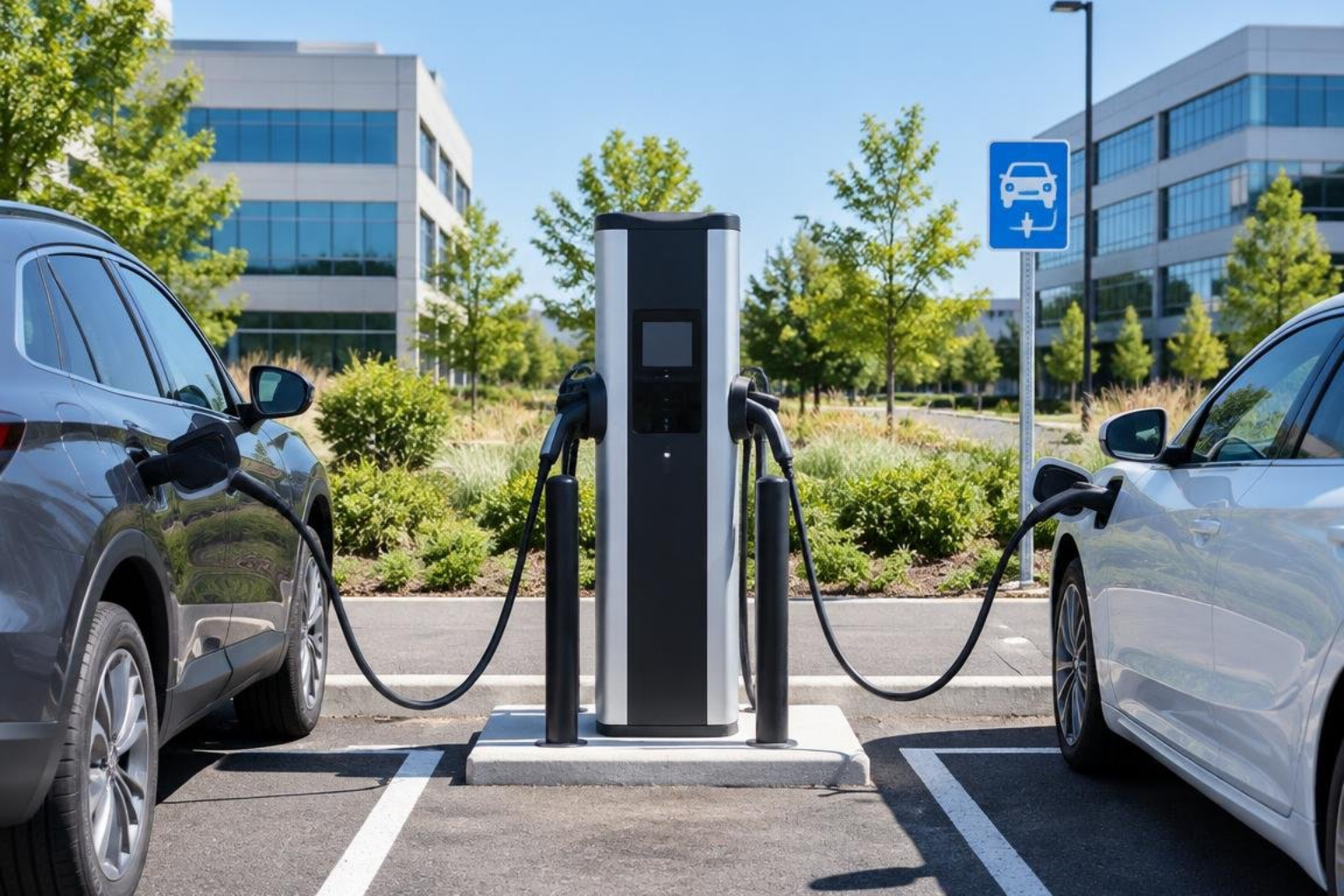
Smart commercial EV charging infrastructure planning addresses load balancing across multiple stalls, physical bollard protection, and compliance with the Americans with Disabilities Act.
Payment Integration, Access Control, and Parking Policies
Commercial operators need clear control over who uses their chargers and who covers the electric bill.
- Access Controls: RFID keycards, QR codes, or smartphone apps let managers restrict chargers to employees or residents.
- Billing Structures: Cloud-connected platforms let you bill by the kilowatt-hour, by total plug-in time, or offer free charging during business hours.
- Parking Enforcement: Setting automated idle fees encourages drivers to move their vehicles once their charging cycle ends.
Maintenance, Uptime Assurance, and Operational ROI
Commercial chargers endure heavy daily use, dropped plugs, and direct exposure to Colorado snow and sun.
Keeping chargers reliable requires periodic cable inspections, screen cleaning, and firmware updates. Well-maintained stations recover their upfront costs through steady charging fees, increased customer dwell time, and utility demand incentives.
Financial Incentives and EV Charger Installation Lone Tree Costs
Cost Factors and Incentives for EV Charger Installation Lone Tree
Every property is built differently, so installation pricing depends on a few practical factors:
- Distance to Panel: Longer wire runs require more conduit, heavy copper wire, and labor.
- Panel Upgrades: Upgrading from a 100-amp panel to a 200-amp service adds to the initial project scope.
- Trenching and Concrete: Running underground power to a detached garage or outdoor commercial pedestal requires site work.
Understanding these details helps when budgeting for EV charger installation so you can balance equipment performance with long-term value.
Colorado State, Utility, and Federal Rebates
Colorado is one of the best states for clean vehicle incentives, offering multiple programs that help lower installation costs:
- Federal Tax Credit (Section 30C): Covers up to 30% of the cost of hardware and installation for qualifying residential and commercial properties.
- Xcel Energy Rebates: Xcel Energy provides residential wiring rebates and income-qualified incentives to offset Level 2 home installation costs.
- State Grants: Commercial properties and multi-family buildings can apply for state programs like the Charge Ahead Colorado grant, which covers a large share of multi-port hardware.
The U.S. Department of Energy maintains a federal tax credits and incentives database that can help you confirm current eligibility before you commit to a project.
Frequently Asked Questions About Lone Tree EV Charging
How much does it cost to install a Level 2 EV charger in Lone Tree?
A standard residential installation where the electrical panel has room and sits near the garage usually costs between $800 and $1,500 for labor and wiring materials, plus the charger hardware, which typically runs $400 to $800. Projects requiring service upgrades or long conduit runs will price higher before rebates.
Do I need to upgrade my electrical panel for a home EV charger?
Not always. If you already have a 200-amp breaker box with open physical slots and sufficient unallocated capacity, an upgrade is not necessary. We run a precise load calculation to see if your current system can safely support the continuous load.
How do Lone Tree public charging fees compare to home charging?
Charging at home is almost always cheaper. Residential electric rates in Lone Tree typically cost between $0.12 and $0.16 per kWh, especially on off-peak plans. Local public Level 2 chargers run around $0.20 per kWh, while public DC fast chargers run $0.40 per kWh or more, plus potential parking idle fees.
Ready to Install an EV Charger in Lone Tree?
Plugging your vehicle in at night and walking out to a full battery every morning is one of the best parts of owning an EV.
At Harmony Electric, we keep the installation process smooth from start to finish. Randy Harmuth, Master Electrician, oversees our projects to make sure every circuit, conduit run, and breaker meets strict safety and local code standards.
We back our work with a lifetime workmanship guarantee and a three-year material warranty so you can charge with complete confidence. When you are ready to upgrade your garage or commercial property, reach out for professional EV charger installation tailored to your electrical setup.