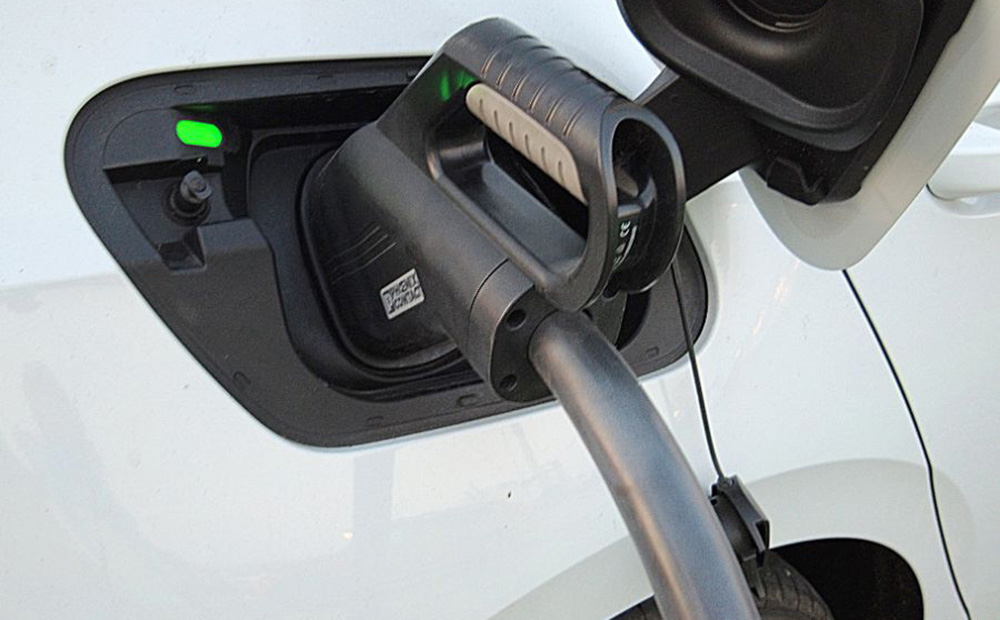
Electric vehicles continue to grow in popularity across Colorado, and with that comes the need for reliable home charging. One of the first decisions EV owners face is choosing between Level 1 and Level 2 EV chargers. Both can get the job done, but they offer very different experiences when it comes to speed, convenience, and long-term value.
In the growing landscape of electric vehicles, understanding the nuances of EV charger levels is essential for making an informed decision. With the right charging solution, you can ensure your vehicle is always ready to go, contributing to a more sustainable and environmentally-friendly future. This article will delve deeper into the specifics of Level 1 and Level 2 chargers, exploring their advantages and disadvantages, as well as providing insights into the consideration factors for choosing the right one for your needs.
Before installing a charger at home, it is important to understand the differences between EV charger levels and how they affect your daily routine.
What Is a Level 1 EV Charger?
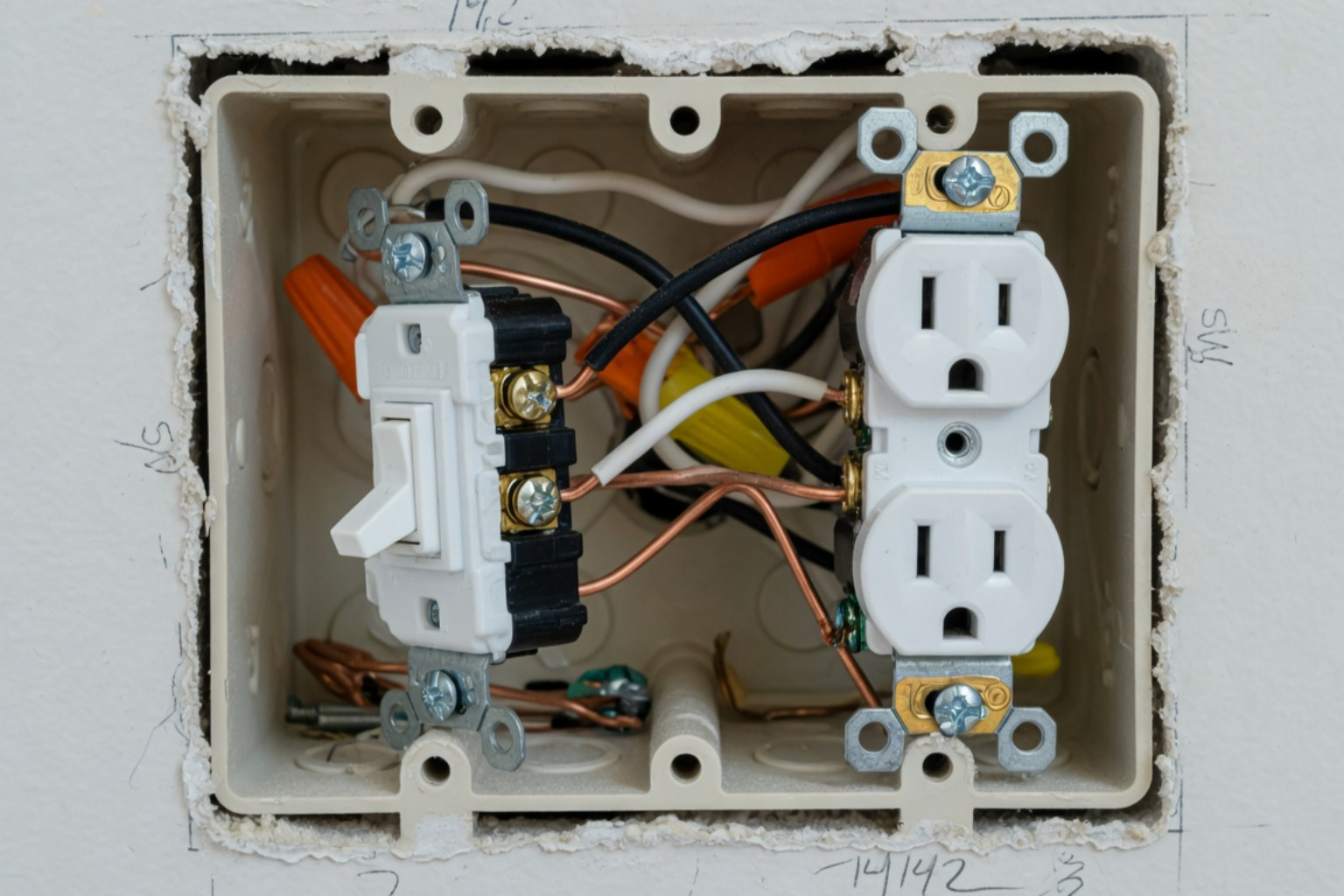
Level 1 charging uses a standard 120-volt outlet — the same kind found throughout most homes. Every EV comes with a Level 1 charging cord that plugs directly into the wall.
This option is:
Level 1 chargers are particularly advantageous for those who tend to drive short distances. For instance, if your daily commute is modest, relying on Level 1 charging can be quite sufficient. A practical example is a user who drives about 10 miles daily; with Level 1 charging, they can effortlessly recharge overnight, making it an ideal solution for casual drivers.
- Simple to use
- Requires no special installation
- Best for low-mileage drivers or overnight charging
However, Level 1 charging is the slowest option. It typically adds 3 to 5 miles of range per hour, which means a full charge can take 20 hours or more, depending on your vehicle.
Moreover, it’s crucial to consider the lifestyle of the user. For families or individuals who may not use their vehicle extensively, a Level 1 charger can serve as a reliable, low-cost option. However, if unexpected trips arise, it can lead to inconvenience due to the slower charge time. Thus, Level 1 is better suited for those who have predictable routines.
What Is a Level 2 EV Charger?
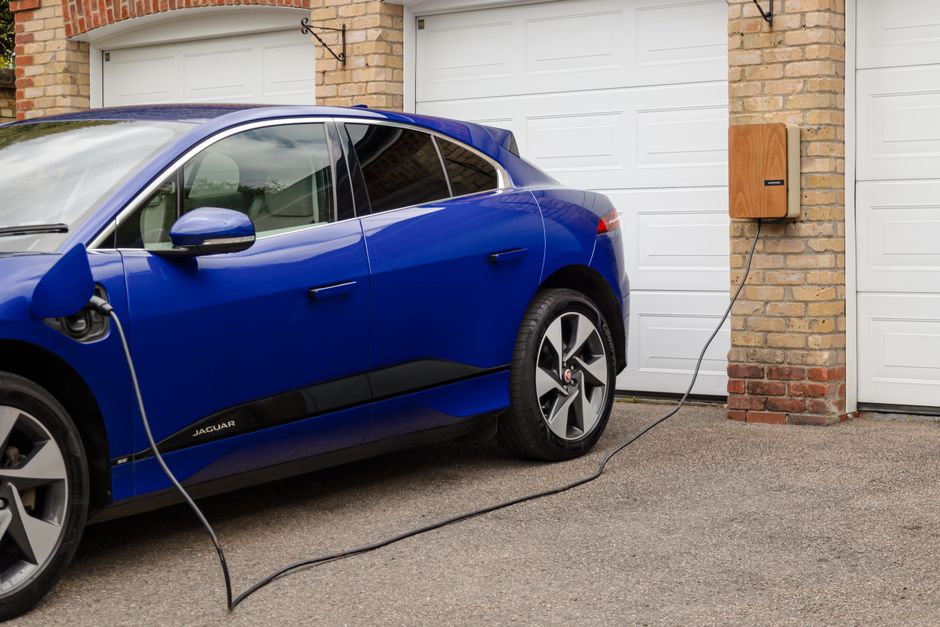
Level 2 chargers use a 240-volt circuit, similar to what a dryer or oven uses. These systems require professional installation but offer a much faster charge.
With Level 2 charging, you can expect:
On the other hand, Level 2 chargers present a significant advantage for those who frequently travel longer distances. They provide a robust solution for urban dwellers relying on their EV for daily commutes or even for weekend getaways. For instance, a person who drives 50 miles a day would significantly benefit from a Level 2 charger, as it would allow for a full charge in roughly 4 hours, compared to the 20 hours it would take with a Level 1 charger.
- 25 to 30 miles of range per hour
- A full charge in 4 to 8 hours, depending on battery size
- Smart features like timers, load management, or mobile apps
Level 2 chargers are ideal for daily drivers, busy households, or anyone looking to reduce wait times and improve convenience.
Additionally, Level 2 chargers come with various smart features that enhance user experience. Users can schedule charging during off-peak hours to save on electricity costs or use mobile applications to monitor charging status remotely, making it an incredibly convenient option. A recent study indicated that households with EVs utilizing Level 2 chargers reported a 30% increase in satisfaction regarding their charging experience.
Key Differences Between Level 1 and Level 2
| Feature | Level 1 Charger
To further illustrate the differences, let’s consider the cost implications of both types of chargers. Although a Level 2 charger may require an upfront investment for installation, it pays off over time with reduced charging times and greater convenience. Homeowners are encouraged to weigh the installation costs against potential savings in time and energy consumption. |
Level 2 Charger |
| Power Source | 120-volt standard outlet | 240-volt dedicated circuit |
| Installation | Plug-and-play | Requires licensed electrician |
| Charging Speed | 3–5 miles per hour | 25–30 miles per hour |
| Time for Full Charge | Up to 24 hours | 4 to 8 hours |
| Ideal For | Low mileage and backup use | Daily charging and faster access |
How to Decide Which EV Charger Level Is Right for Your Home
Here are a few factors to consider when deciding:
When evaluating daily driving habits, it’s essential to recognize that driving styles and patterns can greatly influence charging needs. For example, a family with multiple vehicles and a busy schedule may find themselves in a bind if they rely solely on a Level 1 charger. On the contrary, a single driver who primarily uses their vehicle for short errands may thrive with a Level 1 setup.
- Daily driving habits: If you drive long distances or multiple times per day, a Level 2 charger provides the speed and consistency you need
- Household usage: More than one EV or frequent back-to-back trips can quickly overwhelm a Level 1 system.
- Available time for charging: Level 1 charging may be enough if you can leave your car plugged in overnight and do not rely on it for heavy use.
- Home electrical panel capacity: A licensed electrician can help you determine if your panel can support a Level 2 charger or needs an upgrade.
Why Professional Installation Matters
Furthermore, understanding local regulations and incentives concerning EV charger installation can also affect your decision. Many regions offer financial incentives for installing Level 2 chargers, which can offset the installation costs. Researching these options could lead to significant savings and influence your choice greatly.
While Level 1 chargers are simple, installing a Level 2 charger involves more than plugging into the wall. It requires:
- Load calculations to avoid overload
- A new 240-volt circuit with the correct amperage
- Proper permitting and code compliance
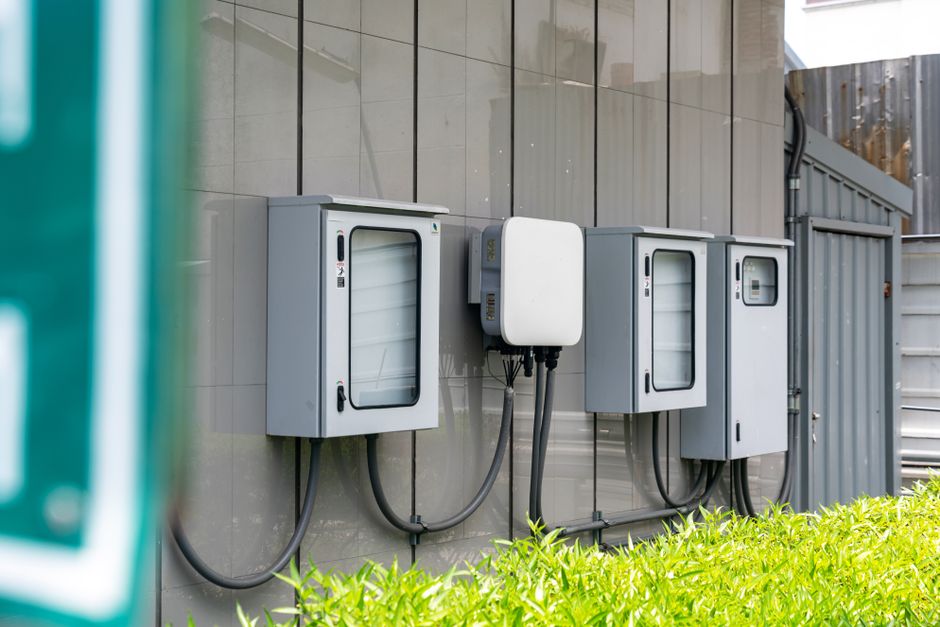
- Weatherproof installation if mounted outdoors
At Harmony Electric, we specialize in home EV charger installations that are safe, efficient, and designed for your driving habits. We will evaluate your panel, recommend the best charging solution, and handle everything from permitting to inspection.
For those considering the ecological impact, adopting a Level 2 charger can contribute more effectively to reducing carbon footprints. Charging during off-peak hours can utilize cleaner energy from the grid, further enhancing the sustainability aspect of electric vehicle usage.
Ready to Charge Smarter at Home?
Harmony Electric makes EV charging easy. We install Level 2 home chargers across the Denver area with expert service and code compliant results. Let us help you choose the right system and get you on the road with confidence.
In conclusion, the decision of whether to choose a Level 1 or Level 2 EV charger is highly contextual and depends on individual driving habits, household needs, and future mobility plans. Weighing the advantages and costs of both options can help you make an informed choice that aligns with your lifestyle. Embracing smart charging solutions will not only improve your EV experience but contribute to a greener future for all.
Reach out to us today, request a quote or schedule your inspection with Harmony Electric today.
As electric vehicle adoption continues to rise, understanding ev charger levels will become increasingly important for homeowners. By choosing the right charger, you’ll ensure your EV is always ready for the road, thus embracing the full potential of electric mobility.