Your Guide to Getting a Home EV Charger Installed the Right Way
An EV charger installation company handles the specialized electrical work needed to safely install a charging station for your electric vehicle. Here’s what you need to know when choosing one:
Key qualities to look for:
- Licensed and insured electrician with EV charger experience
- Handles all permits and inspections required by your local jurisdiction
- Offers transparent pricing with no surprise fees
- Provides workmanship guarantees on the installation
- Experience with your specific EV brand and charger model
I’ve been doing electrical work in Denver for years, and I’ve watched the EV revolution unfold in garages across the metro area. What used to be a rare specialty job is now something we do every week.
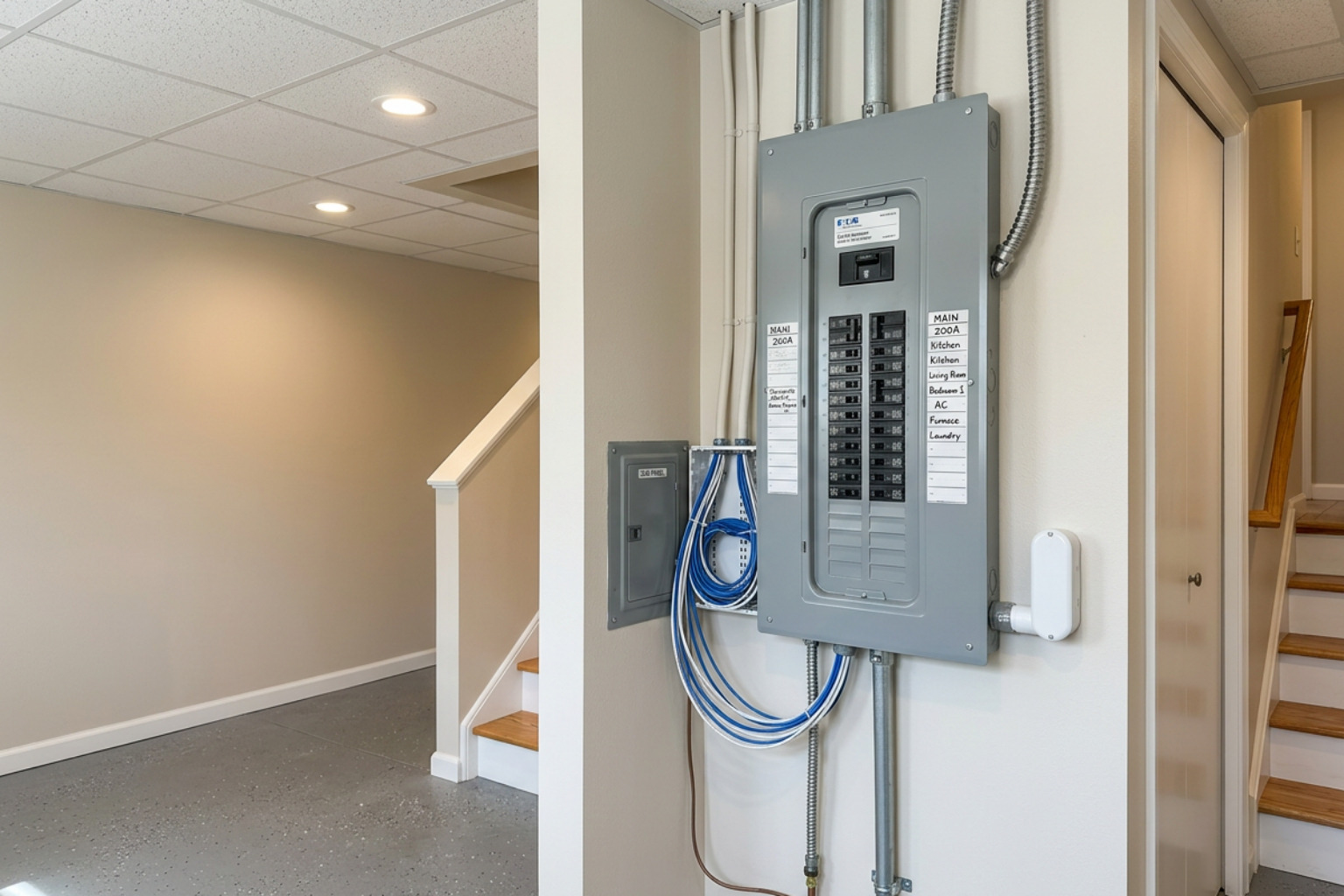
Here’s the thing most people don’t realize: installing an EV charger isn’t just about mounting a box on your wall. It requires running a dedicated 240-volt circuit, often upgrading your electrical panel, pulling permits, and making sure everything passes inspection.
The good news? When it’s done right, you wake up every morning to a fully charged car. No more hunting for public charging stations or sitting around while your car slowly charges at the grocery store.
The bad news? Not every electrician has experience with EV chargers. And a bad installation can mean tripped breakers, failed inspections, voided warranties, or worse — a fire hazard in your garage.
In this guide, I’ll walk you through what makes a great EV charger installation company, what the process actually looks like, and how to avoid the common pitfalls that catch homeowners off guard.
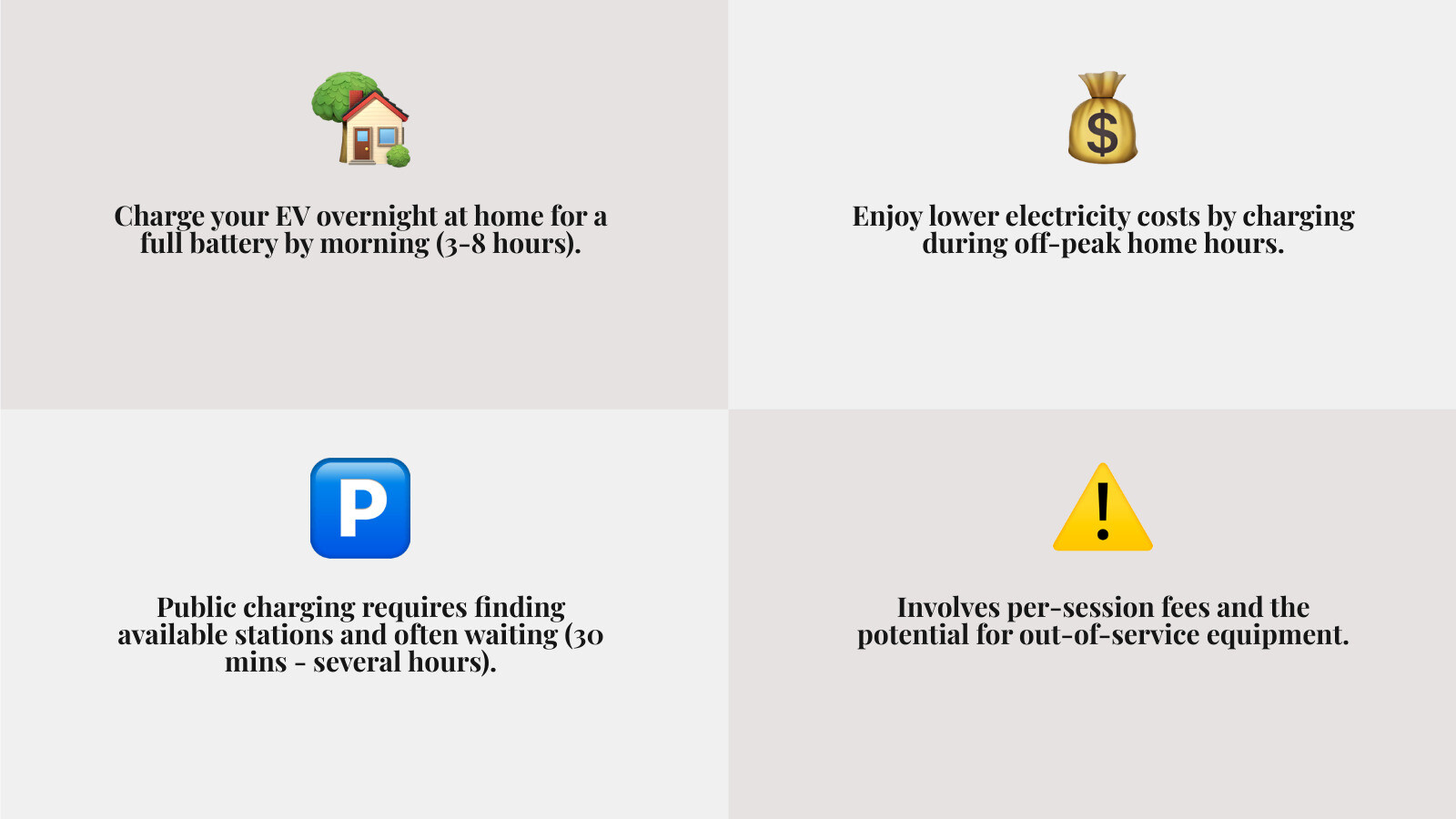
Simple guide to EV charger installation company terms:
First Things First: What Kind of Charger Do You Actually Need?
Before we even talk about installation, we need to figure out what kind of EV charger makes the most sense for you and your electric vehicle. There are three main levels, each with different uses and charging speeds.
Knowing the differences will help you choose wisely, whether you’re driving a Tesla, a Ford F-150 Lightning, or something else entirely.
| Charger Level | Voltage | Charging Speed (full charge) | Typical Use | Installation Needs |
|---|---|---|---|---|
| Level 1 | 120V AC | 10-20 hours | Topping off, backup, plug-in hybrids | Standard wall outlet |
| Level 2 | 240V AC | 3-8 hours | Daily home charging, workplaces, public | Dedicated 240V circuit |
| Level 3 | 480V DC | 30 minutes or less | Commercial fast charging, public stations | Industrial infrastructure |
For more in-depth information about these options, check out our EV Charger Levels Guide Home.
Level 1: The “Trickle Charger” That Comes with Your Car
Most electric vehicles come with a Level 1 charger. This is essentially a cable that plugs into a standard 120-volt wall outlet, just like any other appliance in your home.
It’s the slowest charging option, often taking 10 to 20 hours to give your EV a full charge. For plug-in hybrids or if you only drive a few miles a day, a Level 1 might be enough to top off your battery overnight. It’s also a good backup for emergencies. The best part? No special installation is needed – just plug it in!
However, if you’re like most EV owners in Denver, you’ll quickly find that a Level 1 charger just doesn’t cut it for daily driving. Waiting up to 24 hours for a full charge can get frustrating fast.
Level 2: The Sweet Spot for Home Charging
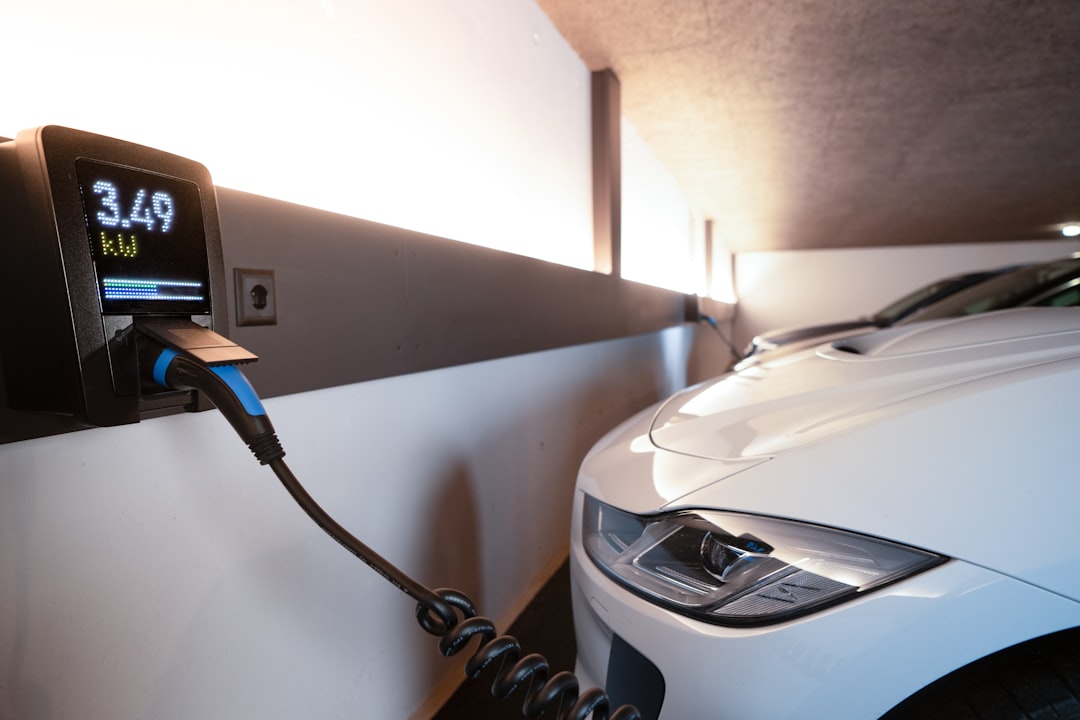
This is where things get serious for home EV charging. A Level 2 charger uses a 240-volt circuit, similar to what your electric dryer or oven uses. This means significantly faster charging speeds – typically 3 to 8 hours for a full charge.
That’s fast enough to plug in your car when you get home from work and wake up to a fully charged battery in the morning. For most homeowners, a Level 2 charger is the most practical and popular choice for everyday use. It offers a dedicated circuit that moves electricity to your battery eight times faster than a Level 1 charger.
Because it requires a dedicated 240-volt circuit, a Level 2 charger needs professional installation by a qualified EV charger installation company. This isn’t a DIY job, and it’s certainly not something you want a general handyman attempting.
Level 3: The Commercial-Grade “Boostr”
Level 3 chargers, also known as DC Fast Chargers, are the fastest of the bunch. They can provide a full charge in 30 minutes or less! These aren’t typically found in residential homes because they require a much higher voltage (480V DC) and specialized infrastructure.
You’ll usually see Level 3 chargers at public charging stations, commercial properties, or along major highways. They’re designed for quick turnaround charging, not for everyday home use. So, while impressive, they’re not something we’d install in your garage.
Why It Pays to Hire a Specialist for EV Charger Installation
When it comes to something as important as your home’s electrical system and your new electric vehicle, you really want to work with an expert. Choosing a specialized EV charger installation company over a general electrician offers some significant advantages.
We aren’t just general electricians who dabble in EV chargers. We are dedicated specialists for EV charging stations, and we understand the unique requirements and challenges. This means we know the specific code requirements, how to handle permits efficiently, and how to ensure your charger is installed safely and reliably.
Safety and compliance are paramount. We ensure every EV charger installation adheres to the latest electrical codes and local regulations here in Denver and the surrounding areas. This isn’t just about passing an inspection; it’s about protecting your home and your family.
At Harmony Electric, we stand by our work. That’s why select installations, including EV charging stations, are backed by our lifetime workmanship guarantee, along with a three-year material warranty. We want you to feel confident that your investment is protected for the long haul.
What to Look for in a Qualified EV Charger Installer
When you’re searching for an EV charger installation company, here’s what you should prioritize:
- Licensed and Insured: This is non-negotiable. Always verify that your electrician is fully licensed and insured. Randy Harmuth, our Master Electrician and owner, ensures all our work meets the highest standards.
- Master Electrician on Staff: A Master Electrician has extensive experience and knowledge, especially for complex installations and understanding electrical system capacities.
- Experience with Your EV Brand: While most chargers are universal, some vehicles (like Teslas) have specific charging considerations. An installer familiar with various EV brands can offer custom advice.
- Positive Local Reviews: Check online reviews to see what other homeowners in Denver, Castle Rock, or Highlands Ranch are saying. Look for consistent praise regarding professionalism, communication, and quality of work.
- Handles All Permits: A reputable EV charger installation company will handle all the necessary permits and inspections. This is a critical step that ensures your installation is up to code and safe.
The Dangers of a DIY or Improper Installation
I’ve seen it all, and believe me, trying to cut corners on an EV charger installation is never worth it. The risks are substantial:
- Fire Risk: An improperly installed charger can overload circuits, overheat wiring, and potentially cause an electrical fire. This is not just a minor inconvenience; it’s a serious threat to your home and safety.
- Damage to Your Vehicle: Incorrect voltage or wiring can damage your EV’s battery or charging system, leading to costly repairs and potentially voiding your vehicle’s warranty.
- Voiding Warranties: Many EV and charger manufacturers require professional installation to maintain your product warranties. A DIY job or uncertified installation could leave you without coverage.
- Failed Inspections: Without proper permits and code compliance, your installation will fail inspection, requiring costly rework.
- Insurance Issues: In the event of an electrical incident caused by an unpermitted or improper installation, your homeowner’s insurance might not cover the damages.
It’s always best to leave this specialized work to the professionals.
The Installation Process: What to Expect When We Arrive
So, you’ve decided to get a Level 2 EV charger installed. Great choice! Now, let’s talk about what the process looks like from your first call to us to the moment you plug in your car. We want to make it as smooth and transparent as possible for our customers in Denver, Castle Rock, Lone Tree, and Aurora.
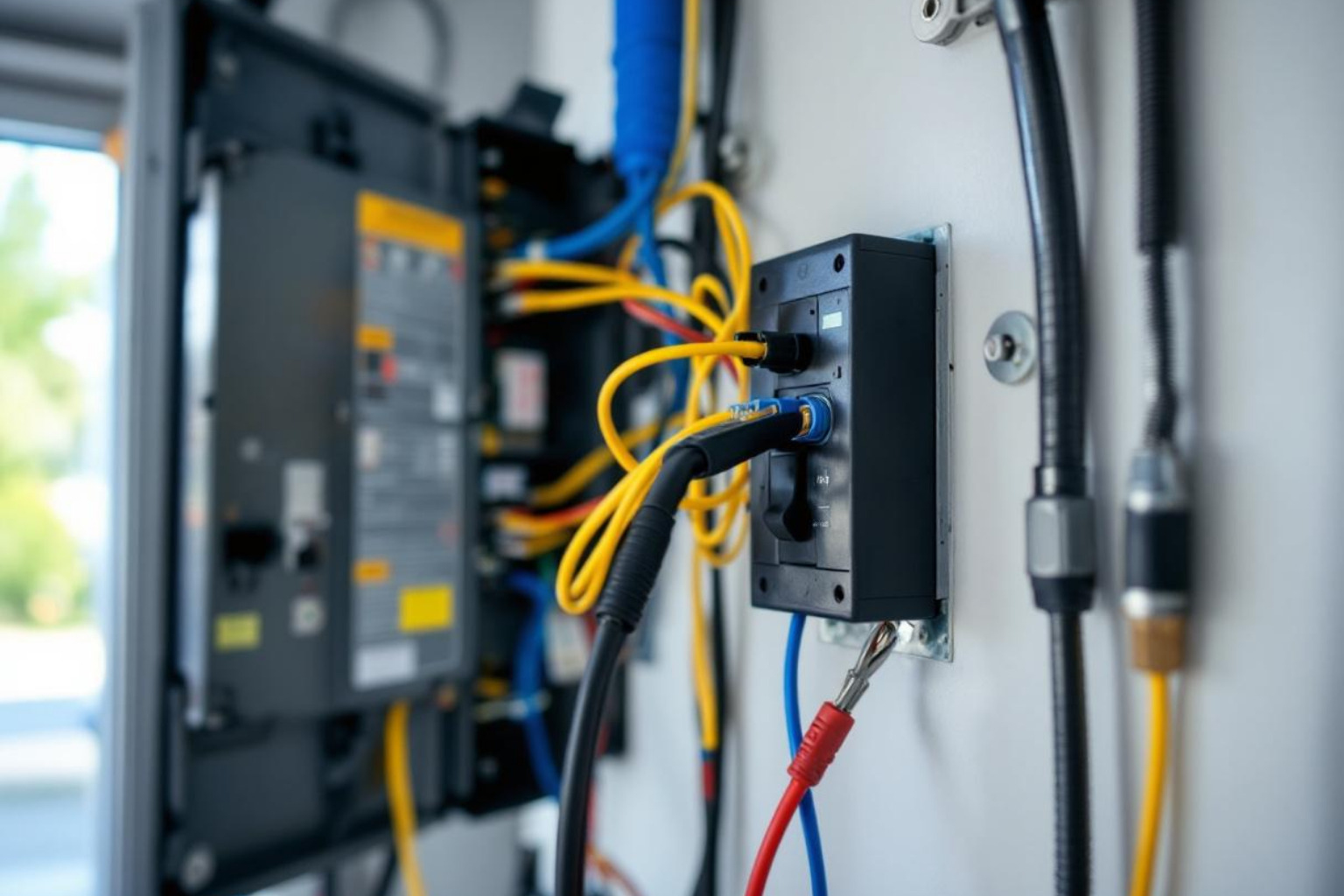
The typical timeline for an EV charger installation can vary, but generally, once we’ve completed the initial assessment and secured permits, the actual installation work can often be done in a single day. The overall process, including consultations and inspections, might take a few days to a couple of weeks depending on permit processing times and any necessary electrical upgrades.
Step 1: The Initial Consultation and Home Assessment
Our process starts with a thorough consultation. We’ll chat about your EV, your charging needs, and your home’s electrical setup. Then, one of our experienced electricians will visit your home for a detailed assessment.
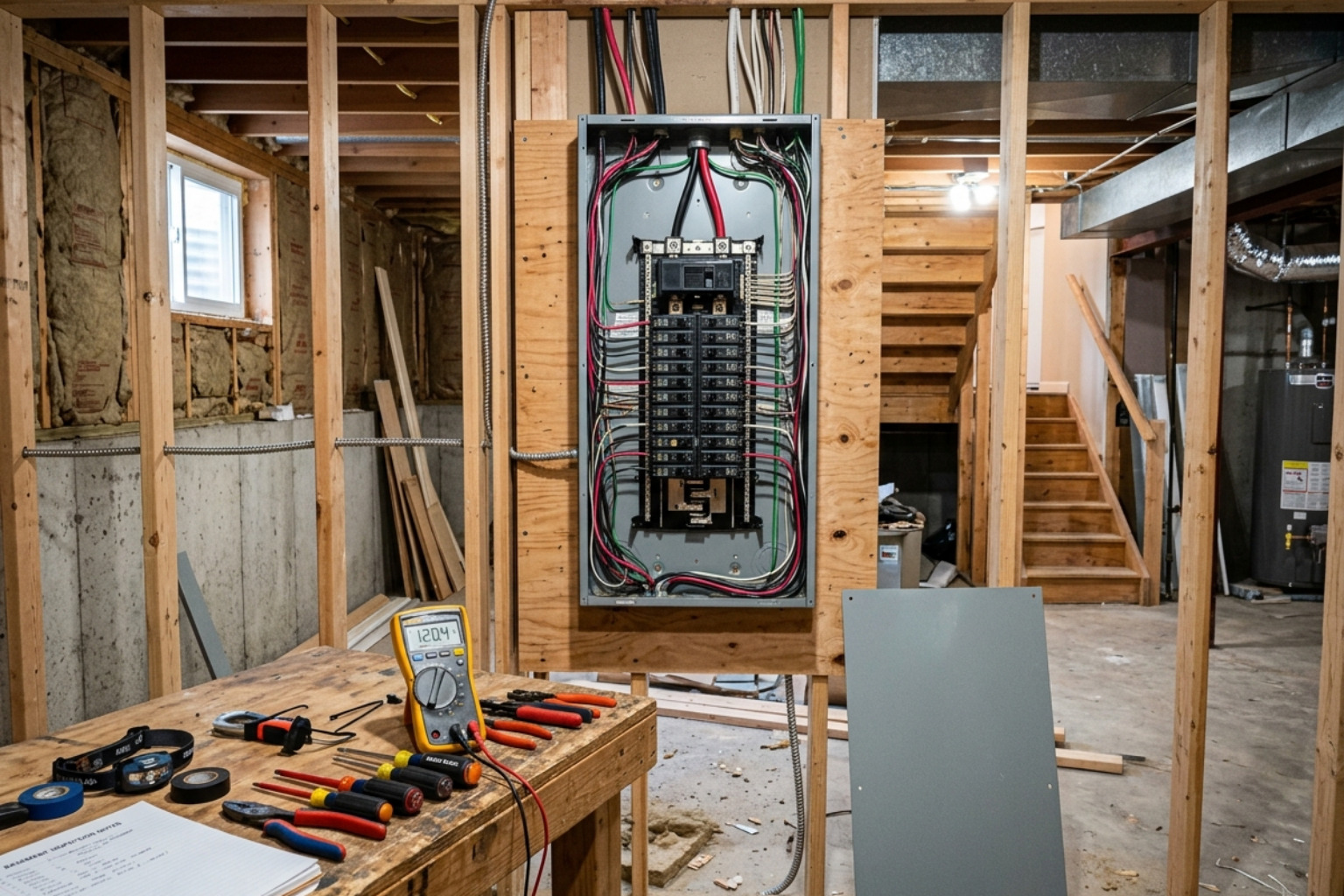
This is where we evaluate your existing electrical panel, perform a load calculation to ensure your system can handle the new demand, and help you determine the best location for your charger. We’ll then provide you with a clear, upfront quote, so you know exactly what to expect with no hidden fees. This step is crucial for planning and ensuring everything runs smoothly. For more about keeping your electrical system in top shape, check out our Electrical Repairs and Upgrades page.
Step 2: Signs Your Electrical Panel Might Need an Upgrade
During our assessment, we might find that your electrical panel needs an upgrade to safely support a new EV charger. This is pretty common, especially in older homes around Castle Rock or Centennial.
Here are some tell-tale signs that your home’s electrical system might need an upgrade:
- Your home is 20+ years old: Older homes often have smaller electrical panels that weren’t designed for today’s power demands.
- Your panel is 100 amps or less: For a Level 2 charger, we typically recommend at least 150-amp or 200-amp service.
- Lights flicker when appliances turn on: This indicates your system is already struggling with current loads.
- Breakers trip often: If you’re constantly resetting breakers, your panel is likely overloaded.
- No physical space for a new breaker: Sometimes, there simply isn’t room in the panel for the dedicated circuit an EV charger requires.
If an upgrade is needed, we’ll explain your options clearly and incorporate it into our plan. We’re experts in Home Rewiring Colorado and Electrical Panel Upgrades, so you’re in good hands.
Step 3: The Installation and Inspection
Once we have our plan and permits in hand, our team will get to work. We’ll run a dedicated 240-volt circuit from your electrical panel to the chosen location for your EV charger. This involves careful wiring, ensuring everything is properly protected and grounded.
Then, we’ll securely mount your EV charger and make all the final electrical connections. After installation, we perform thorough testing to ensure the charger is working perfectly and communicating correctly with your vehicle.
Finally, we coordinate the necessary electrical inspection with the local authorities. This inspection is a crucial step to ensure everything is up to code and safe, giving you complete peace of mind.
Breaking Down the Costs and Finding Savings
One of the first questions homeowners ask is, “How much does an EV charger installation cost?” It’s a fair question, and the answer, like many things electrical, is “it depends.”
The installation price for a home EV charger will vary depending on your project requirements, but typically ranges from $800 to $2,500, with an average cost of around $1,700. This doesn’t usually include the cost of the charger itself, which can range from a few hundred dollars to over a thousand.
For a more detailed look at pricing, you can visit our EV Charger Installation Pricing page.
What Determines the Final Price?
Several factors influence the final cost of your EV charger installation:
- Distance from Panel to Charger: The farther the charger is from your electrical panel, the more wiring is needed, which increases material and labor costs.
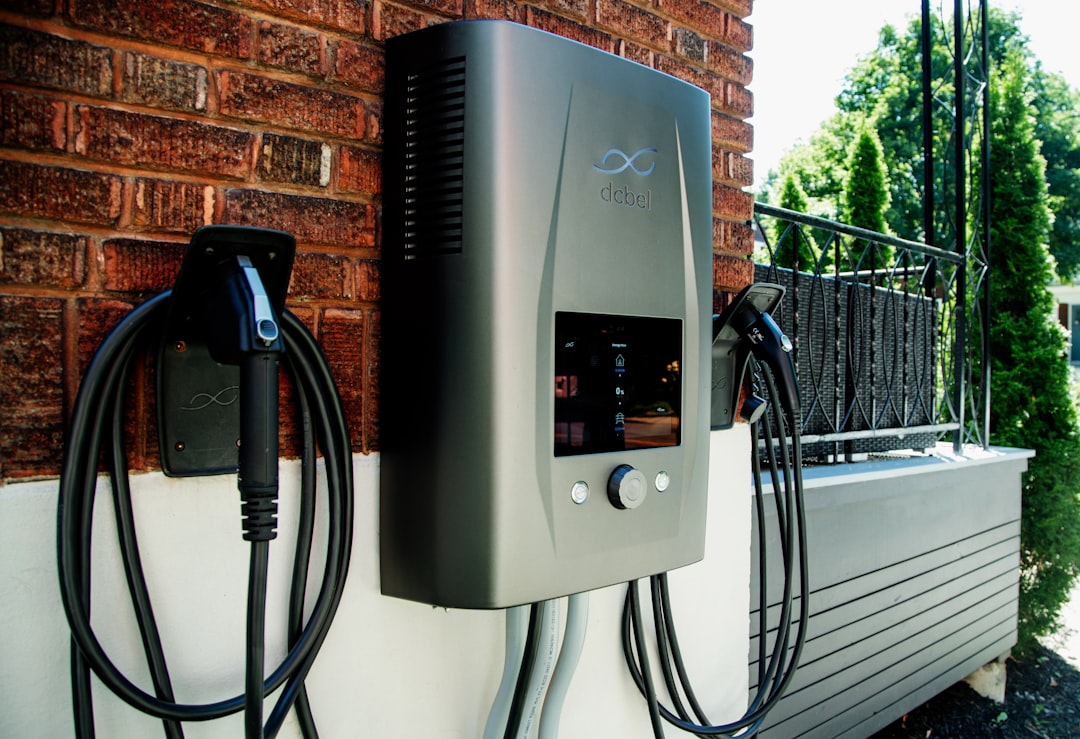
- Hardwired vs. Outlet Installation: Some chargers are hardwired directly into your electrical system, while others plug into a heavy-duty 240V outlet. The type of installation can affect complexity and cost.
- Trenching Requirements: If your charger is located outdoors and requires running electrical conduit underground, trenching adds to the cost.
- Amp Service Upgrades: As we discussed, if your electrical panel needs an upgrade to handle the increased load, this will be an additional cost. Upgrading a 100-amp service to 200-amps can add a significant amount to the overall project.
Permitting fees are also typically not included in the initial installation cost estimate, so be sure to factor those in.
How to Find Rebates and Tax Credits for Your Installation
The good news is that going electric often comes with financial incentives! Governments and utilities are actively encouraging EV adoption and the installation of charging infrastructure. These programs can significantly cut the cost of purchasing and installing a home EV charger, sometimes almost in half.
Here’s where to look for potential savings:
- Federal Tax Credits: The federal government often offers tax credits for qualified EV charging equipment. These can reduce your federal tax liability.
- State Incentives: Colorado, like many states, may offer its own incentives or rebates for EV charging. These can change, so it’s good to stay updated.
- Local Utility Rebates: Many local electric utility companies in areas like Denver, Aurora, and Parker offer rebates to their customers for installing EV chargers. These are designed to help manage the grid and promote clean energy.
We can help guide you on where to look for these programs. You can also often find information by checking resources like the Qmerit incentives page where you can Check Local Rebates and Incentives by entering your ZIP code. It really pays to do your homework here!
Beyond the Home Garage: Charging for Businesses and Apartments
While home charging is incredibly convenient, the need for EV infrastructure extends far beyond single-family homes. As more and more people in Denver and across the country switch to electric vehicles, businesses and multi-unit dwellings (MUDs) like condos and apartment buildings are seeing the growing demand for charging solutions.
Whether you’re a business owner looking to attract customers or a property manager in a multi-unit building, providing EV charging can be a game-changer. We have experience with various property types, from residential homes to commercial and multi-unit dwellings. You can learn more about finding the right charger for your property on our blog, EV Charger for Your Property.
Why Businesses Should Offer EV Charging
Installing EV charging stations at your business is more than just an amenity; it’s a strategic investment.
- Attract and Retain Customers: EV owners often seek out businesses that offer charging. Providing this service can draw new customers and encourage existing ones to stay longer, knowing they can charge while they shop, dine, or conduct business.
- Workplace Charging for Employees: Offering charging at the workplace is a fantastic perk that supports employees who drive EVs. It can boost morale, attract talent, and reduce range anxiety for commuters.
- Generate a New Revenue Stream: Depending on your setup, you can charge for the use of your charging stations, creating an additional source of income for your business.
- Improve Brand Image: Businesses that accept EV infrastructure demonstrate a commitment to sustainability and innovation, enhancing their public image and appeal to environmentally conscious consumers.
We work with commercial clients throughout Denver and the surrounding areas to design and install robust EV charging solutions custom to their specific needs.
Challenges for Condos and Apartment Buildings
Installing EV chargers in multi-unit dwellings (MUDs) presents unique challenges compared to single-family homes. We understand these complexities and have solutions for property managers and HOAs in places like Castle Pines and Littleton.
- Load Management Systems: Many MUDs have older electrical infrastructure that can’t handle multiple high-power EV chargers simultaneously. Load management systems are crucial for distributing available power efficiently and preventing overloads.
- Shared Electrical Capacity: Figuring out how to share the building’s overall electrical capacity among many residents’ chargers requires careful planning and specialized electrical knowledge.
- Billing Solutions: Implementing fair and accurate billing systems for shared charging stations is essential. We can help integrate solutions that track usage and allocate costs appropriately.
- Working with HOAs: Navigating HOA rules and getting approval for major electrical upgrades can be a lengthy process. We have experience working with property managers and HOAs to facilitate these projects smoothly.
We can help MUDs develop custom EV charging plans, from initial assessment to installation and ongoing support.
Ready for a Smooth, Safe EV Charger Installation?
Choosing the right EV charger installation company is the most important step in bringing home EV charging to your garage or business. It’s about more than just convenience; it’s about safety, compliance, and long-term reliability.
We’ve talked about the different charger levels, why expertise matters, what the installation process involves, and how to manage costs. My goal as a Master Electrician and owner of Harmony Electric is to make this transition as easy and stress-free as possible for you.
We pride ourselves on doing the work right the first time, with clear communication, honest recommendations, and the utmost respect for your property. Our lifetime workmanship guarantee on EV charging stations is our promise of quality and peace of mind.
If you’re in Denver, Castle Rock, Highlands Ranch, or any of our surrounding communities and you’re ready to take the next step toward convenient home EV charging, we’re here to help.
Let us handle the complexities so you can simply plug in and drive into the future.
Get a professional EV charger installation quote with Harmony Electric today.