You Know the Feeling: The Breaker Trips Again
Flickering lights. Appliances that suddenly stop working. That annoying “click” from the electrical panel. If you own a home in Denver, you’ve probably experienced the frustration of an overloaded circuit. But what if I told you there’s a simple solution often hiding in plain sight? It all comes down to understanding what is a dedicated circuit.
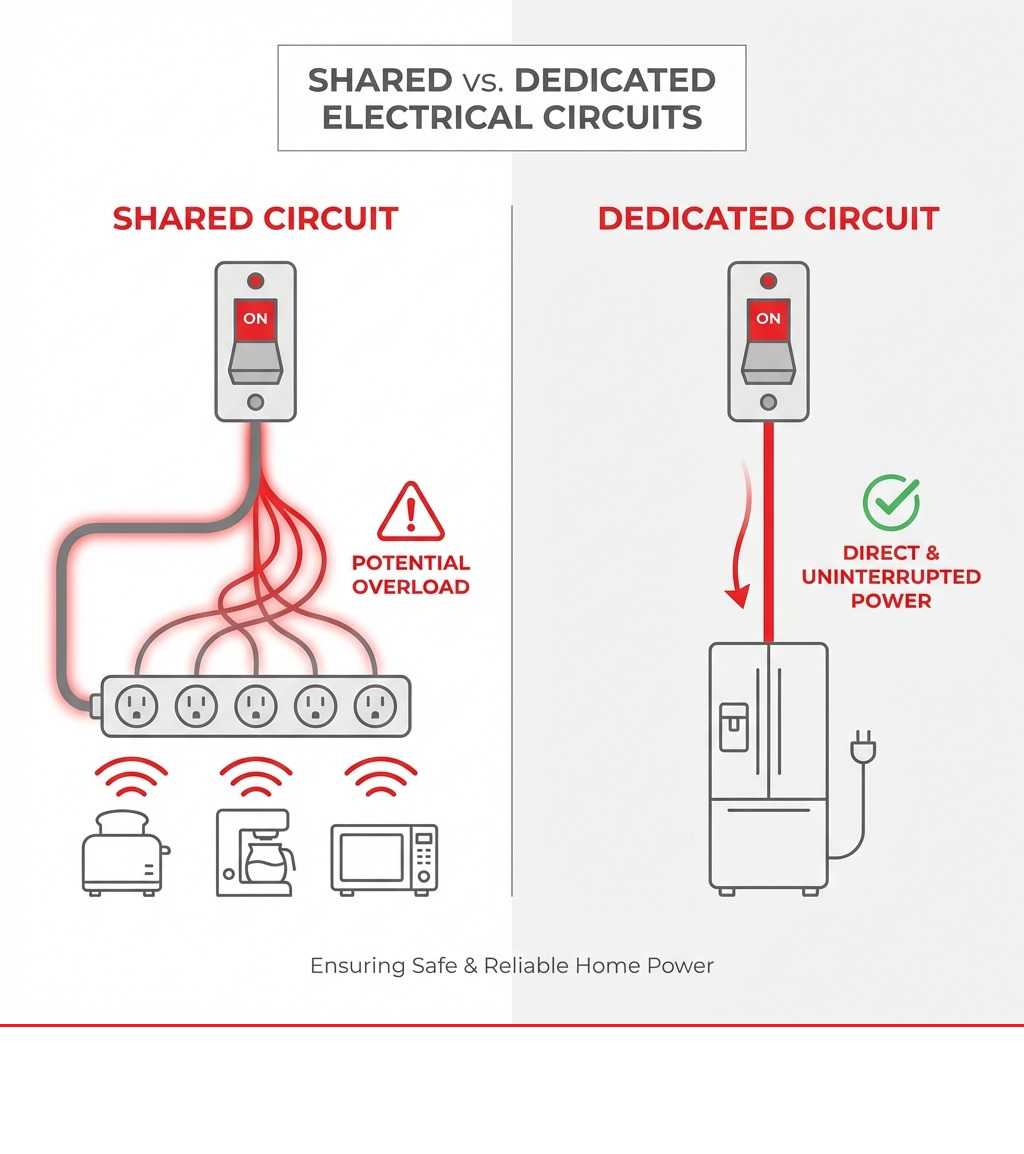
A dedicated circuit is an electrical line that powers only one appliance or device. It’s like giving that single item its very own, direct power source from your home’s electrical panel, complete with its own circuit breaker. This is different from a shared circuit, which splits power among several outlets or lights.
Think of it this way: your home’s electrical system is like a busy highway. A shared circuit is a single lane with multiple cars trying to merge into it. A dedicated circuit? That’s like giving a big truck its own private driveway straight to its destination, so there’s no traffic jam and no risk of a pile-up.
This simple concept is crucial for keeping your home safe, your appliances running smoothly, and those frustrating breaker trips to a minimum.
So, What is a Dedicated Circuit and Why Does It Matter?
At Harmony Electric, we often explain what is a dedicated circuit by focusing on its purpose: to provide a specific appliance or device with an uninterrupted, reliable source of power. No sharing, no competing—just a straight shot of electricity. This is a fundamental difference from shared circuits, which are designed to distribute power to multiple outlets or light fixtures.
For us, the main goal is to make your home’s electrical system safer, help your appliances work better, and cut down on annoying problems like tripped breakers.
Dedicated vs. Shared Circuits: A Quick Comparison
To put it simply, here’s how these two types of circuits stack up:
| Feature | Dedicated Circuit | Shared Circuit |
|---|---|---|
| Appliances | One appliance or device only | Multiple outlets, lights, or smaller appliances |
| Power Sharing | No power sharing | Power is divided among all connected devices |
| Overload Risk | Almost completely eliminates possibility of overload | Can easily overload if too many devices are used |
| Primary Use | High-power appliances, heat-producing devices | General lighting, small electronics, standard outlets |
The Real Risks of an Overloaded Circuit
When a circuit tries to draw more electrical current than it’s designed to handle, it becomes overloaded. This is more than just an inconvenience; it poses real risks to your home and family.
- Appliances Can Get Damaged: When an appliance doesn’t receive a consistent, adequate power supply, it can strain its internal components. Over time, this can lead to premature wear and tear, malfunctions, or even permanent damage. Think about your refrigerator struggling to keep things cold because it’s sharing power with a toaster oven.
- Lights May Dim or Flicker: This is a common sign that a circuit is under stress. If your lights dim noticeably when a large appliance kicks on, it’s a clear indicator that the circuit is struggling to meet the demand.
- Wires Can Overheat (Fire Risk): This is perhaps the most serious danger. An overloaded circuit causes the electrical wires to heat up. If the circuit breaker fails to trip (which can happen, especially if it’s an older breaker that’s been tripped many times), the wires can overheat to a dangerous degree. This can melt the wire insulation, potentially causing a short circuit, and even ignite surrounding materials inside your walls, leading to an electrical fire.
- Breakers Wear Out Faster: Circuit breakers are designed to trip to prevent overloads. However, if a breaker is constantly tripping, it’s undergoing stress. Over time, this can cause the breaker itself to wear out and fail to trip when it’s supposed to, leaving your home vulnerable to the dangers mentioned above.
- Ignoring a Tripping Breaker is Never a Good Idea: If a breaker trips, it’s doing its job – protecting your home. Resetting it without addressing the underlying cause is like putting a band-aid on a broken bone. It’s a sign that your electrical system needs attention, and it’s best to call a professional.
Why a Dedicated Circuit is Crucial for Safety and Performance
Dedicated circuits are essential for a reason: they make your home safer and your appliances more reliable.
- Steady Power for Things with Motors: Appliances like refrigerators, washing machines, and HVAC units have motors that require a stable, dedicated power source to operate efficiently. Fluctuating power from a shared circuit can cause these motors to work harder, reduce their lifespan, and even lead to breakdowns.
- Protects Sensitive Electronics: Modern homes are full of sensitive electronics, from computers in your home office to advanced kitchen appliances. A dedicated circuit provides a clean, stable power supply, protecting these devices from voltage fluctuations that can cause damage or data loss.
- Helps Appliances Work the Way They Should, for Longer: When an appliance gets the consistent power it needs, it performs optimally. This means your oven heats evenly, your refrigerator maintains its temperature, and your washing machine completes its cycle without interruption. It also contributes to the longevity of your appliances, saving you money on repairs and replacements.
- Ensuring Code Compliance and Safety: The National Electrical Code (NEC) is the benchmark for safe electrical design, installation, and inspection across the U.S. The NEC requires that major home appliances and heat-producing devices have their own dedicated circuit. We make sure all our work, especially in the Denver area, meets these vital safety standards.
Signs Your Home Might Be Asking for More Dedicated Circuits
Sometimes, your home’s electrical system tries to tell you it needs help. If you’re experiencing any of these issues, especially if your home is a bit older, it might be time to consider adding more dedicated circuits.
- Breakers Trip Often: This is the most obvious sign. If you find yourself constantly resetting a circuit breaker, especially when using a particular appliance, it’s a clear indicator that the circuit is overloaded.
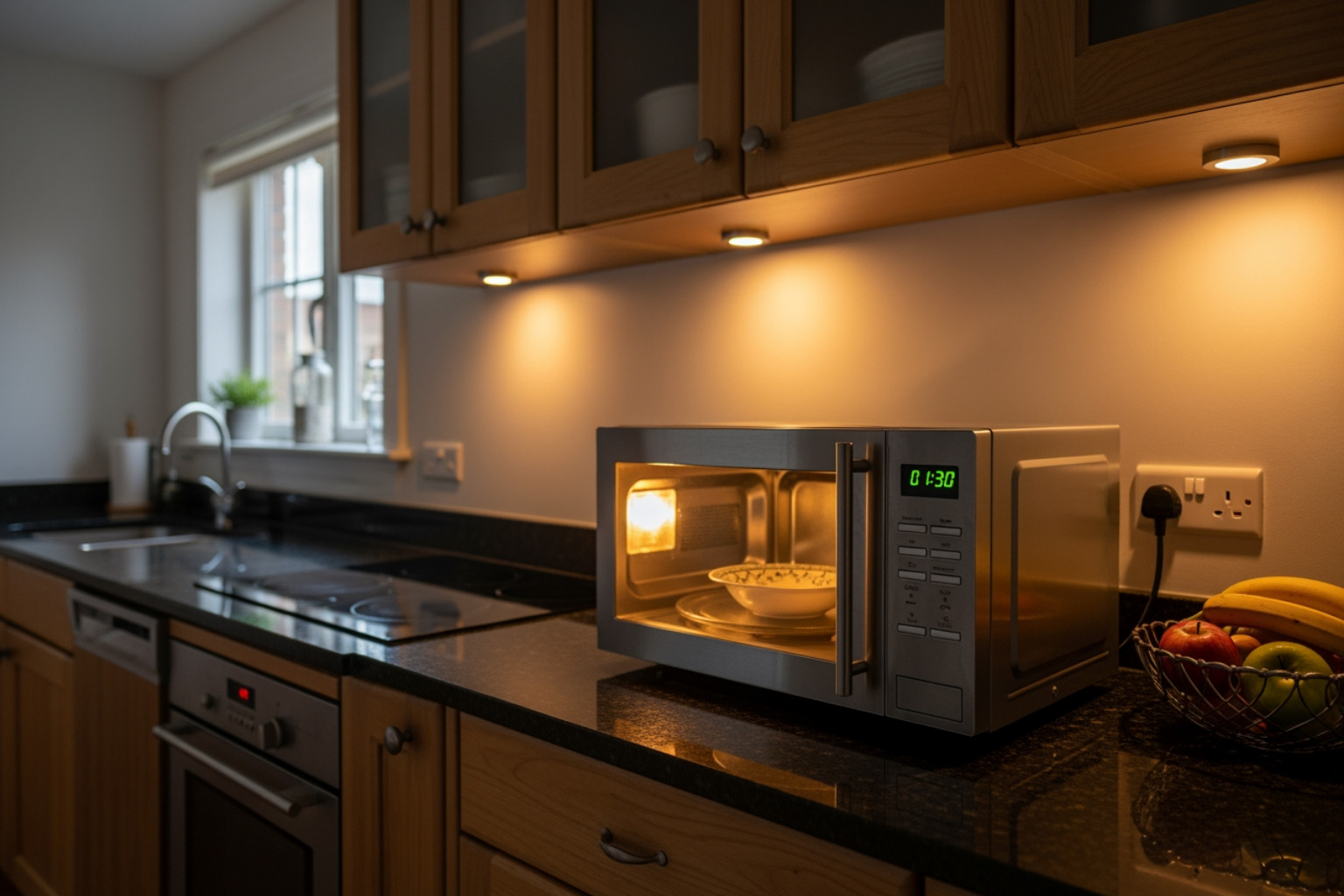
- Lights Flicker or Dim When You Use Certain Appliances: You turn on the microwave, and the kitchen lights dim. Or the whole house briefly flickers when the air conditioner kicks on. This tells us that a high-demand appliance is drawing too much power from a shared circuit, causing a temporary voltage drop.
- Outlets Buzz or Feel Warm: A buzzing sound from an outlet or a switch, or if the outlet cover feels warm to the touch, are serious warning signs of overheating. This could be due to an overloaded circuit and requires immediate attention from a qualified electrician.
- Outlet Faceplates Look Discolored: Discoloration, especially a brownish or yellowish tint around an outlet, suggests that it has been exposed to excessive heat. This is a very dangerous sign of a persistent overload.
- Appliances Shut Off for No Reason: If an appliance randomly stops working or displays error messages, it might be struggling due to inadequate power from an overloaded circuit.
- You Have to Unplug One Thing to Use Another: We’ve all been there – you can’t run the vacuum and the space heater at the same time without tripping a breaker. This juggling act is a clear sign that your existing circuits aren’t sufficient for your modern power demands.
In many older homes around Denver, the electrical systems simply weren’t designed for today’s array of high-power appliances. What was adequate 20, 30, or 50 years ago often isn’t enough now.
Which Appliances Need Their Own Circuit?
When we talk about what is a dedicated circuit and who needs one, it often comes down to power draw. Some appliances just consume too much energy to share a circuit safely and efficiently. The National Electrical Code (NEC) specifies many of these requirements to protect your home and its occupants.

Major Appliances That Almost Always Need a Dedicated Circuit
These are the big power hogs in your home. Giving them their own circuits ensures they run smoothly and safely.
- Refrigerator or Freezer: These appliances run continuously and have motors that cycle on and off. They need a stable power supply to keep your food fresh.
- Electric Range, Oven, or Cooktop: These are some of the highest-wattage appliances in your home, generating a lot of heat. They absolutely need their own dedicated, often 240-volt, circuit.
- Dishwasher: While not always a 240-volt appliance, dishwashers heat water and run powerful pumps, making a dedicated 120-volt circuit a must.
- Garbage Disposal: Like dishwashers, these have powerful motors that can cause momentary surges. A dedicated circuit prevents dips in power to other kitchen appliances.
- Microwave: Especially larger, more powerful microwaves, they draw a significant amount of power when in use.
- Washer: Modern washing machines, particularly those with heating elements for sanitizing cycles, benefit greatly from a dedicated circuit.
- Electric Dryer: Electric dryers are typically 240-volt appliances and are among the biggest power consumers in a home, always requiring their own dedicated circuit.
- HVAC System (Furnace, Air Conditioner, Heat Pump): Your heating and cooling systems are critical and demand consistent power to keep your home comfortable year-round.
- Water Heater: Electric water heaters require a significant amount of power to heat water and almost always need a dedicated 240-volt circuit.
- Sump Pump: For homes with basements, a sump pump is a critical piece of equipment. We often recommend a dedicated circuit to ensure it runs reliably when needed, especially during heavy rains in the Denver area.
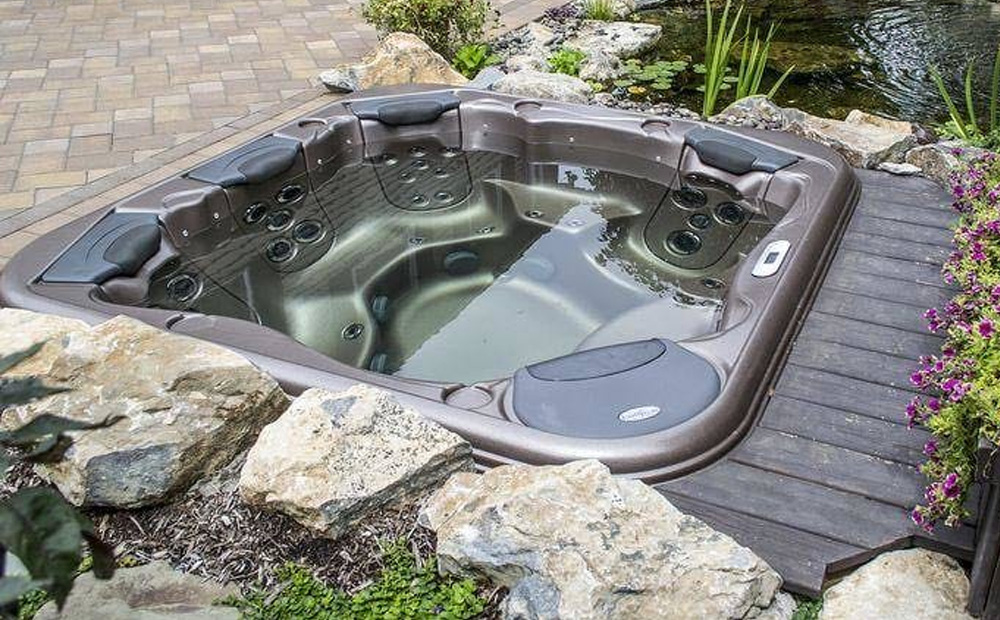
- Hot Tub or Sauna: These are high-demand, heat-producing, and often moisture-involved appliances that require specific dedicated circuits for safety and proper operation. At Harmony Electric, we specialize in hot tub and spa wiring and always ensure a dedicated circuit is installed with proper grounding.
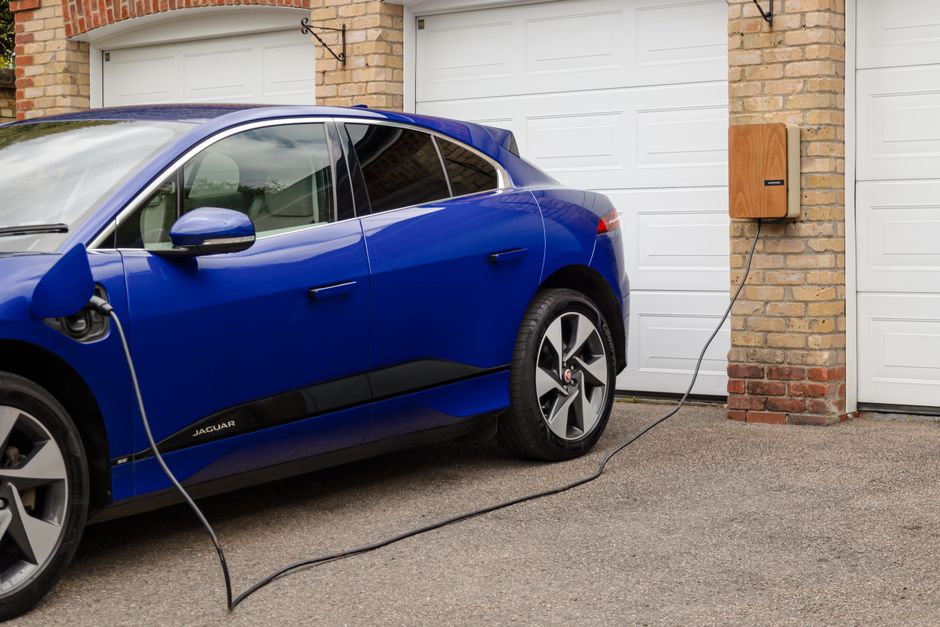
- EV Charger: With more and more electric vehicles on the road, installing an EV charger at home is becoming common. Level 2 (240-volt) EV chargers always require a dedicated circuit due to their significant power draw and continuous operation.
Smaller Appliances and Special Cases
Even some smaller appliances or specific uses can benefit from, or even require, a dedicated circuit.
- Window AC Units: While some smaller units might get by on a shared circuit, larger window AC units can easily overload a circuit, especially in older homes.
- Space Heaters: These are notorious for tripping breakers. If you rely on a space heater, a dedicated circuit can prevent constant interruptions.
- Home Office Equipment: If you have multiple computers, monitors, printers, and other electronics, a dedicated circuit can provide a stable power supply, protecting your valuable equipment from power fluctuations and preventing data loss.
- Treadmills or Exercise Equipment: Many modern exercise machines have powerful motors that can cause issues on shared circuits.
- Power Tools in a Workshop: Large power tools like table saws, air compressors, or welding equipment can draw a lot of power intermittently. A dedicated circuit ensures they have the juice they need without affecting other circuits.
Understanding Amperage for a Dedicated Circuit
When we talk about circuits, we often talk about “amps.” Think of amperage as the amount of electrical current flowing through the wires, or the “volume” of water in our highway analogy. Circuits are rated for a certain number of amps, and the appliance you’re connecting needs a circuit that can handle its demand.
- 15-amp circuits: These are common for general lighting and standard outlets. While some smaller dedicated appliances might use a 15-amp circuit, it’s generally for lighter loads.
- 20-amp circuits: These are frequently used for dedicated circuits in kitchens (for things like dishwashers, refrigerators, microwaves) and laundry rooms (for washing machines). They offer more capacity than 15-amp circuits.
- 30-50 amp circuits: These heavy-duty circuits are reserved for major appliances like electric dryers, electric ranges, central air conditioning units, electric water heaters, and EV chargers. They typically require thicker wiring and a larger breaker.
- 120-volt vs. 240-volt circuits: Most standard outlets and smaller appliances in your home run on 120 volts. However, larger appliances like electric ovens, dryers, and central AC units require 240 volts. This means they need a special type of dedicated circuit and outlet.
We always check the appliance’s specifications to ensure we’re installing the correctly sized circuit.
The Nuts and Bolts of Dedicated Circuits
Understanding what is a dedicated circuit is one thing; knowing how to identify or install one is another.
How to Tell If You Already Have Dedicated Circuits
It’s actually pretty straightforward to get a good idea of what’s what in your electrical panel.
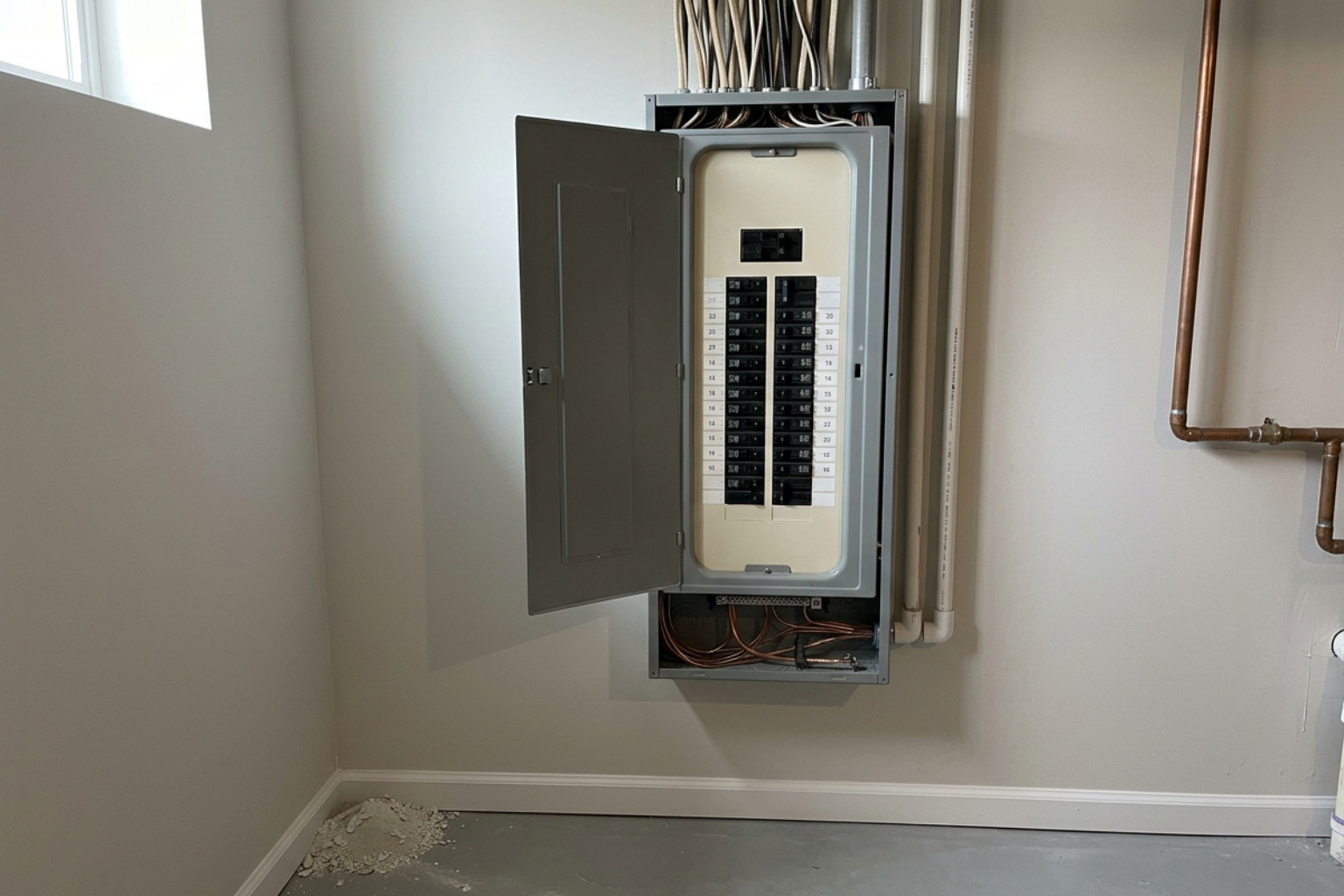
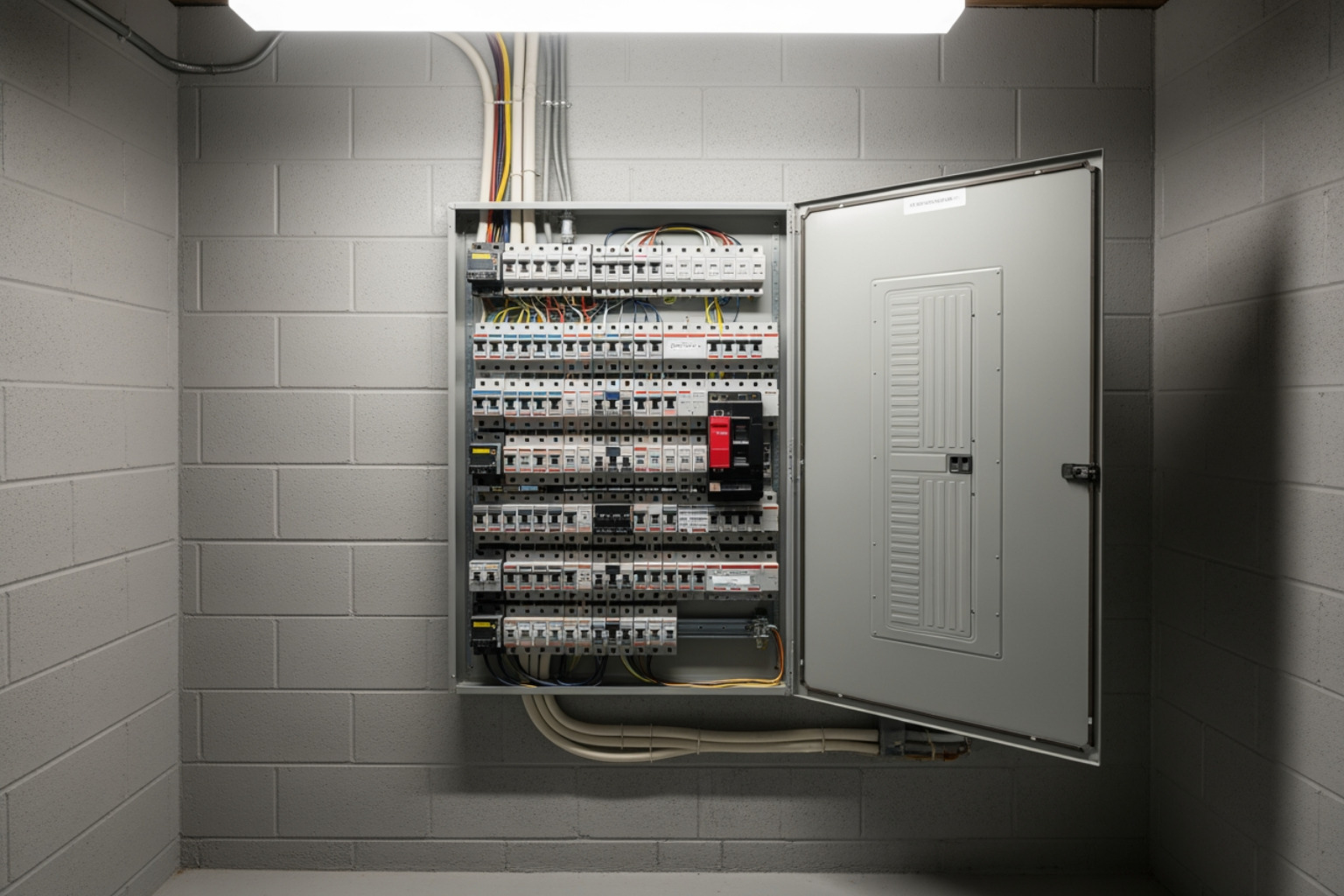
- Check Your Electrical Panel Labels: Most modern homes in the Denver area have electrical panels with labels on the inside of the door, or next to each breaker, indicating what each circuit controls. Look for labels like “Refrigerator,” “Dishwasher,” “Oven,” “Washer,” “Dryer,” or “HVAC.” If you see a breaker labeled with a specific appliance, it’s likely a dedicated circuit.
- Try the Process of Elimination: If your panel isn’t clearly labeled (which is common in older homes!), you can do a little detective work. First, make sure you know which outlets and lights are on which circuit. Then, unplug everything from the outlet you suspect is dedicated. Flip the breaker for that circuit to “off.” If only that single appliance or outlet loses power, it’s a good sign it’s dedicated. We can help you label your panel clearly if it’s a mess!
- Some Outlets Are Single-Use by Design: For very high-draw appliances like electric ranges or dryers, the outlet itself is often a specific, larger configuration (e.g., a 240-volt outlet) that only that appliance can plug into. This is a strong indicator of a dedicated circuit.
- Appliance Manuals Often Say if a Dedicated Circuit is Needed: When you get a new major appliance, always check its installation manual. It will usually specify the exact circuit requirements, including whether a dedicated circuit and a particular amperage are needed.
My Take on DIY vs. Hiring a Pro
I’ve been a Master Electrician for a long time, and I can tell you that electrical work is not a good DIY project for most folks. While it might seem tempting to save a few bucks, the risks far outweigh the potential savings.
- Electrical Work Can Be Risky: Working with electricity, especially inside your main electrical panel, is dangerous. There’s a risk of severe electrical shock, burns, and even electrocution.
- Codes and Permits Matter: Installing new circuits, especially dedicated ones, needs to meet strict local electrical codes here in Denver and surrounding communities. Permits are often required. Failing to follow these codes can lead to safety hazards, problems with home inspections, and even issues with your homeowner’s insurance.
- Using the Right Wire and Breaker Size is Critical: It’s not just about running a wire. You need to ensure the wire gauge is correct for the amperage, the breaker is properly sized, and all connections are secure. An improperly sized circuit can still lead to overheating and fire risks.
- For Most Folks, This is a Job for a Licensed Electrician: We have the training, tools, and experience to safely and correctly install dedicated circuits. We understand the NEC requirements and how to integrate new circuits into your existing electrical system without creating new problems. Our goal at Harmony Electric is always to do the work right the first time, ensuring your safety and the longevity of your electrical system.
What Goes Into Installing a Dedicated Circuit?
When we install a new dedicated circuit, it involves a few key components and steps:
- Circuit Breaker: A new circuit breaker (of the correct amperage) is installed in your main electrical panel. This acts as the safety switch, automatically tripping if the circuit is overloaded.
- Electrical Wire: We run new electrical wire (often Romex in residential settings) from the new circuit breaker in the panel to the location of the appliance. The gauge (thickness) of this wire must match the amperage of the circuit.
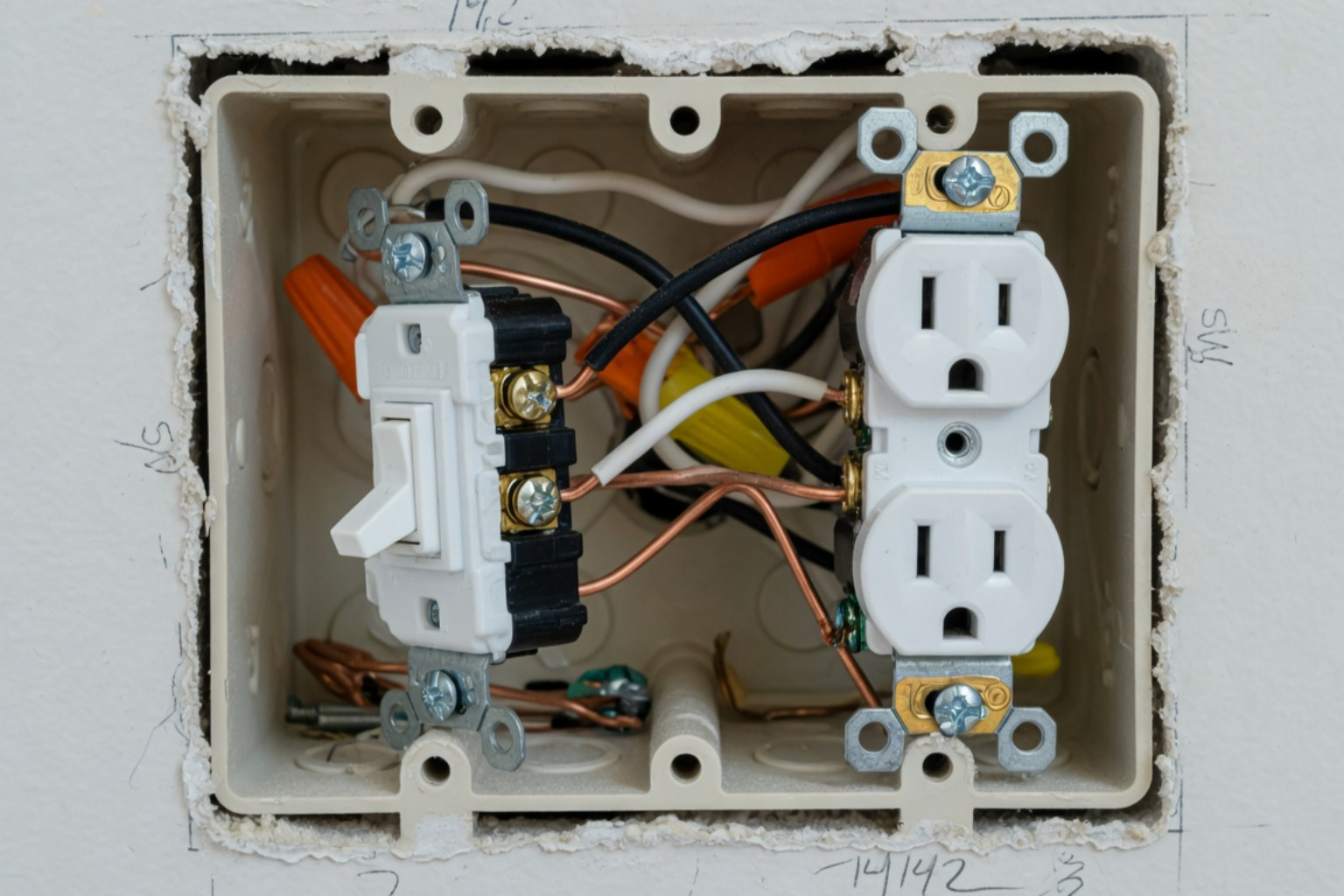
- Outlet or Receptacle: A new outlet or receptacle is installed at the appliance’s location. For 240-volt appliances, this will be a special type of outlet.
- Running the Wire from the Panel to the Appliance: This is often the most labor-intensive part, as it can involve snaking wires through walls, ceilings, and floors. We always try to minimize disruption to your home.
- Making Safe Connections in the Panel: All connections to the new breaker and within the panel must be secure and up to code.
- Sometimes, You Might Need Electrical Panel Upgrades: If your existing electrical panel is full, outdated, or doesn’t have enough capacity for new circuits, we might recommend an electrical panel upgrade. This ensures your entire system can safely handle your home’s power demands.
What You Can Expect to Pay
The cost of installing a dedicated circuit can vary quite a bit, depending on several factors:
- Distance from the Panel: How far the new circuit needs to run from your electrical panel to the appliance’s location is a major factor in labor and material costs.
- Wall Type: Running wires through drywall is usually simpler than through plaster or masonry.
- Amperage: Higher amperage circuits (like 30-50 amp for dryers or EV chargers) require thicker, more expensive wire and potentially more complex breaker installations.
- Labor: The cost of labor will depend on the complexity of the job. The cost of a standard 120v dedicated circuit outlet runs about $5 per outlet, but you’ll also need to budget for labor, which averages about $55 per hour. Note that this doesn’t include the cost of the breaker, wire, or the labor to run the wire through walls and connect everything safely.
It’s always best to get a clear estimate from a licensed electrician after they’ve had a chance to assess your specific situation.
Your Top Questions Answered
We get a lot of questions about dedicated circuits, and that’s perfectly normal! Here are some of the most common ones we hear from homeowners in Denver and the surrounding areas:
Why do my breakers trip when I use my microwave?
Microwaves are powerful appliances. When they’re running, they pull a significant amount of electricity. If your kitchen outlets are on a shared circuit with other appliances (like a toaster, coffee maker, or even the refrigerator), it’s very easy for the combined draw to exceed the circuit’s capacity. When that happens, your breaker trips to prevent an overload. The best fix for this is usually to install a dedicated circuit for your microwave, giving it all the power it needs without affecting other devices.
Can I just use a power strip for my computer and office gear?
Power strips are great for managing multiple plugs, but they don’t add any extra electrical capacity to the circuit. They simply divide the existing power among more outlets. For sensitive electronics, especially in a home office setup with multiple computers, monitors, and printers, a dedicated circuit is a much safer and more reliable option. It provides a stable power source, which helps protect your valuable equipment from power fluctuations and can prevent frustrating data loss from unexpected power interruptions.
My house is older. Is it a big deal to add new circuits?
In a lot of older homes around Denver, the electrical panels might be full, or the existing wiring might be outdated. Sometimes, the construction itself (like plaster walls) can make running new wires a bit more challenging than in newer homes. While it can sometimes be a more involved process, it’s definitely not impossible. An experienced electrician, like those on our team at Harmony Electric, can assess your current system, identify the best path for new wiring, and determine if an electrical panel upgrade would be beneficial. We’ll always give you honest recommendations and explain the best way forward for your specific home.
Making Your Home’s Electrical System Work for You
A safe, reliable electrical system is the backbone of any home, and understanding what is a dedicated circuit is a big step towards ensuring that safety and reliability. They’re not just about preventing tripped breakers; they’re about protecting your appliances, reducing fire hazards, and ensuring your home’s electrical system can keep up with your modern lifestyle.
At Harmony Electric, we believe in doing the job right the first time. We’re proud to provide residential and commercial electrical services throughout Denver, Castle Pines, Castle Rock, Centennial, Highlands Ranch, Parker, and Littleton. If you’re in our service areas and have questions about your home’s wiring, whether it’s about adding dedicated circuits, upgrading your panel, or any other electrical need, we’re here to help.