Why Safe Hot Tub Wiring Starts Here
If you’re looking for a 50 amp gfci breaker for hot tub wiring diagram, you’re doing the right thing—planning ahead before you start connecting wires. Here’s what you need to know right away:
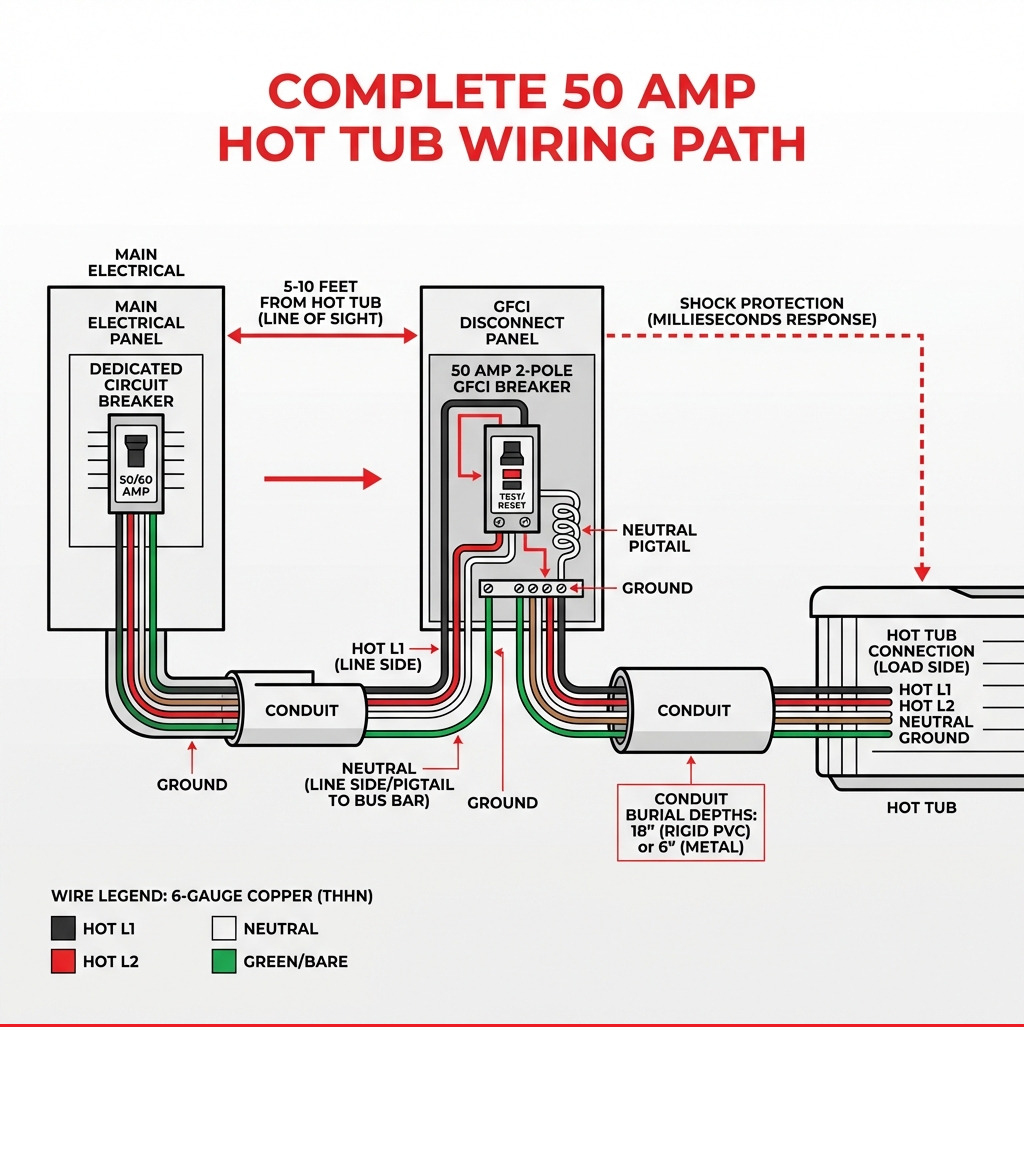
Essential Components for Safe Hot Tub Wiring:
- Main Panel – 50 or 60 amp dedicated circuit breaker
- GFCI Disconnect Panel – Installed 5-10 feet from the hot tub, within line of sight
- 50 Amp 2-Pole GFCI Breaker – Required for shock protection
- 6-Gauge Copper Wire (THHN) – Four conductors: Black (Hot L1), Red (Hot L2), White (Neutral), Green/Bare (Ground)
- Conduit – Rigid PVC or metal, buried 18″ (PVC) or 6″ (metal) minimum
- Proper Connections – Line side (incoming power), Load side (to hot tub), Neutral pigtail to bus bar
Most spas require either 50 or 60 amp service at 220-240 volts. The GFCI breaker is your main protection against shock—it monitors current flow and cuts power in milliseconds if something goes wrong.
I’ve been wiring hot tubs around Denver for years, and I can tell you that this isn’t a job for a weekend DIY project. Water and electricity are a dangerous combination, and the consequences of getting it wrong range from a hot tub that won’t work to serious injury or fire. The National Electrical Code (NEC Article 680) is very specific about hot tub installations for good reason.
Your hot tub manufacturer will provide a wiring diagram specific to your model, but the basic principles remain the same. Some hot tubs use a 4-wire system (with a neutral for 120V components like ozonators and stereos), while others are 240V-only. The GFCI breaker works differently in each case, but it always protects you.
Let me walk you through what’s involved so you understand the process—and why hiring a licensed electrician is the safest choice.
Common 50 amp gfci breaker for hot tub wiring diagram vocab:
- electrical box for hot tub
- hooking up 220v hot tub
Getting Started: Why Your Hot Tub Wiring Isn’t a DIY Job
When we talk about hot tub wiring, the very first thing we need to emphasize is safety. You see, water and electricity are a risky mix, and that’s why the National Electrical Code (NEC) has very strict rules for hot tub installations. It’s not just about getting your hot tub to turn on; it’s about making sure everyone who uses it is safe from electrical shock or fire.
I’ve seen a lot of things in my years as a Master Electrician here in Denver, and one of the biggest misconceptions homeowners have is that they can handle this kind of electrical work themselves. While we appreciate the can-do spirit, installing a 50 amp gfci breaker for hot tub wiring diagram is a complex job that requires specialized knowledge. A single mistake could lead to serious injury or even be fatal. That’s why the NEC and local regulations in places like Castle Rock, Centennial, and Highlands Ranch all require that these installations be completed by a qualified, licensed electrician.
Think of it this way: a hot tub is a major appliance in a wet environment. It needs a dedicated circuit, proper grounding, and, most importantly, a Ground Fault Circuit Interrupter (GFCI) to protect against electrical shocks. Without the right expertise, it’s easy to make critical errors that compromise safety. We often see common problems when installing a hot tub without a licensed electrician, which can end up costing more to fix than hiring a professional in the first place.
Our goal at Harmony Electric is always to do the job right the first time. We want you to enjoy your hot tub with complete peace of mind, knowing that the electrical setup is safe, reliable, and up to code.
The Key Parts: What You’ll Need for a Safe Hookup
To properly wire a hot tub, especially one requiring a 50 amp gfci breaker for hot tub wiring diagram, you’ll need several key components. Understanding each part helps you see the bigger picture of a safe installation.
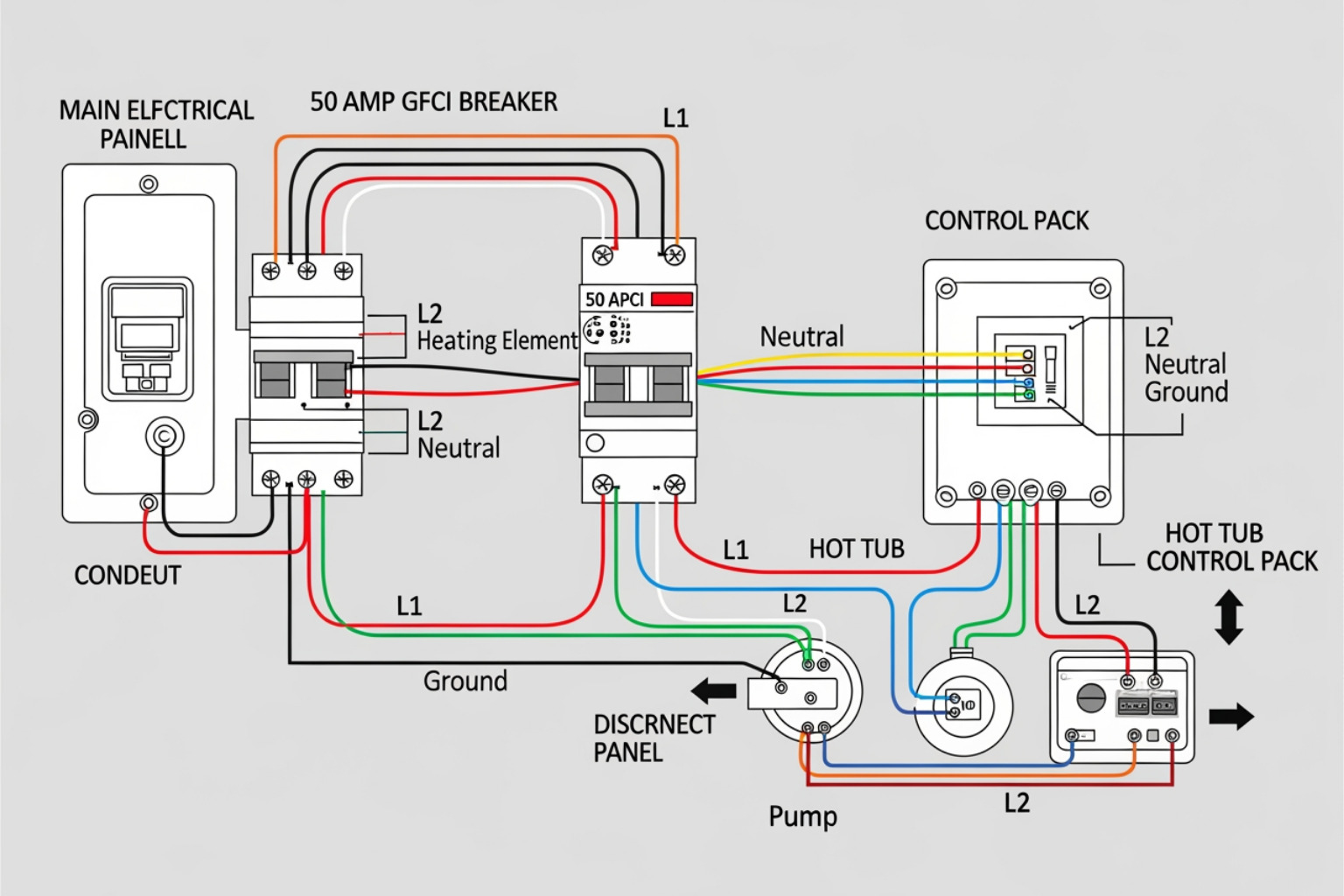
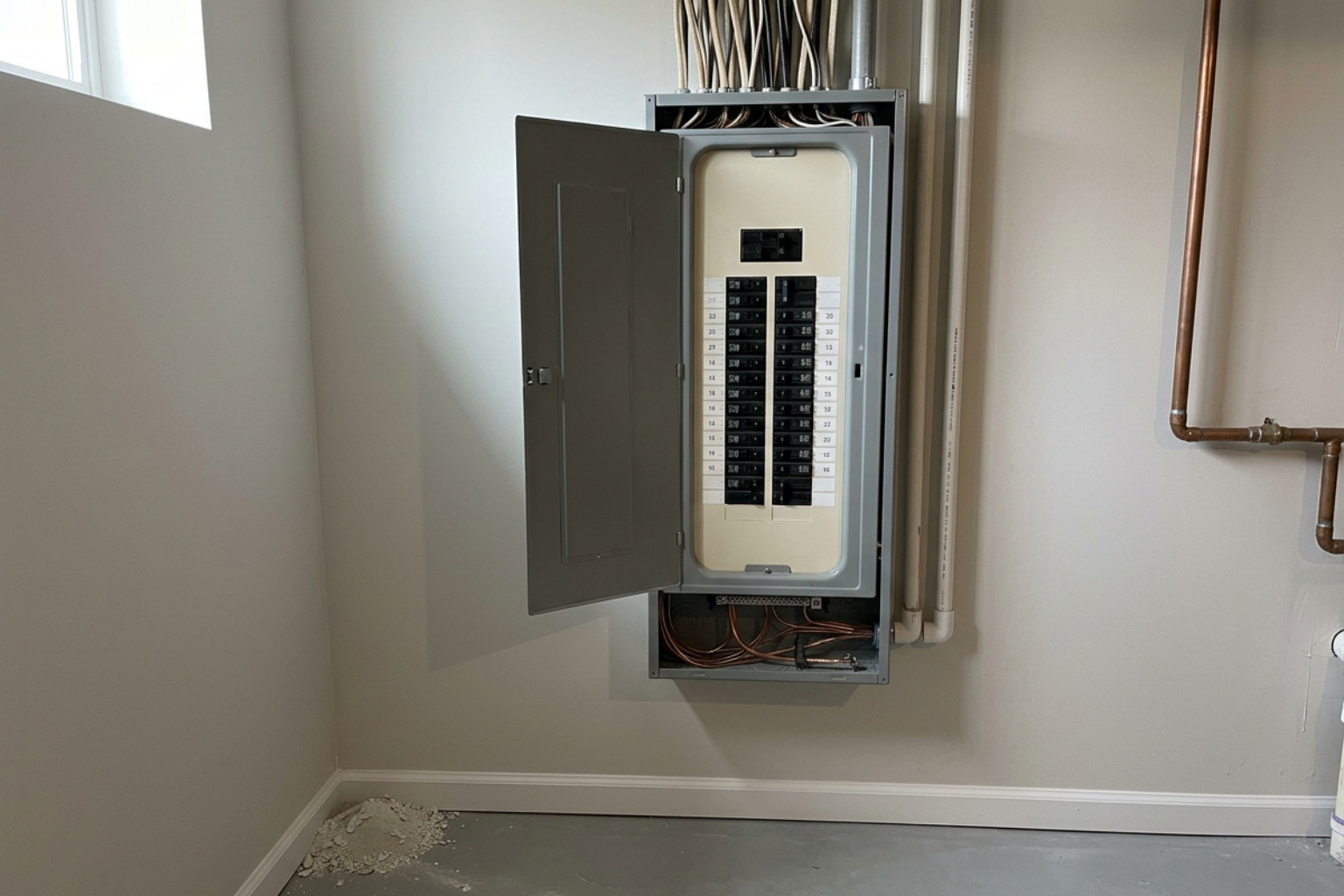
First, let’s talk about your main electrical panel. Most hot tubs need a dedicated 50 or 60 amp service at 220-240 volts. This means we’ll install a new two-pole breaker in your main panel to provide power specifically for the hot tub. If you’re wondering if your existing electrical panel can handle a hot tub, that’s a great question, and often the first step in planning. An older panel might not have the capacity or the space for a new 50-amp breaker, which could mean an upgrade is necessary.
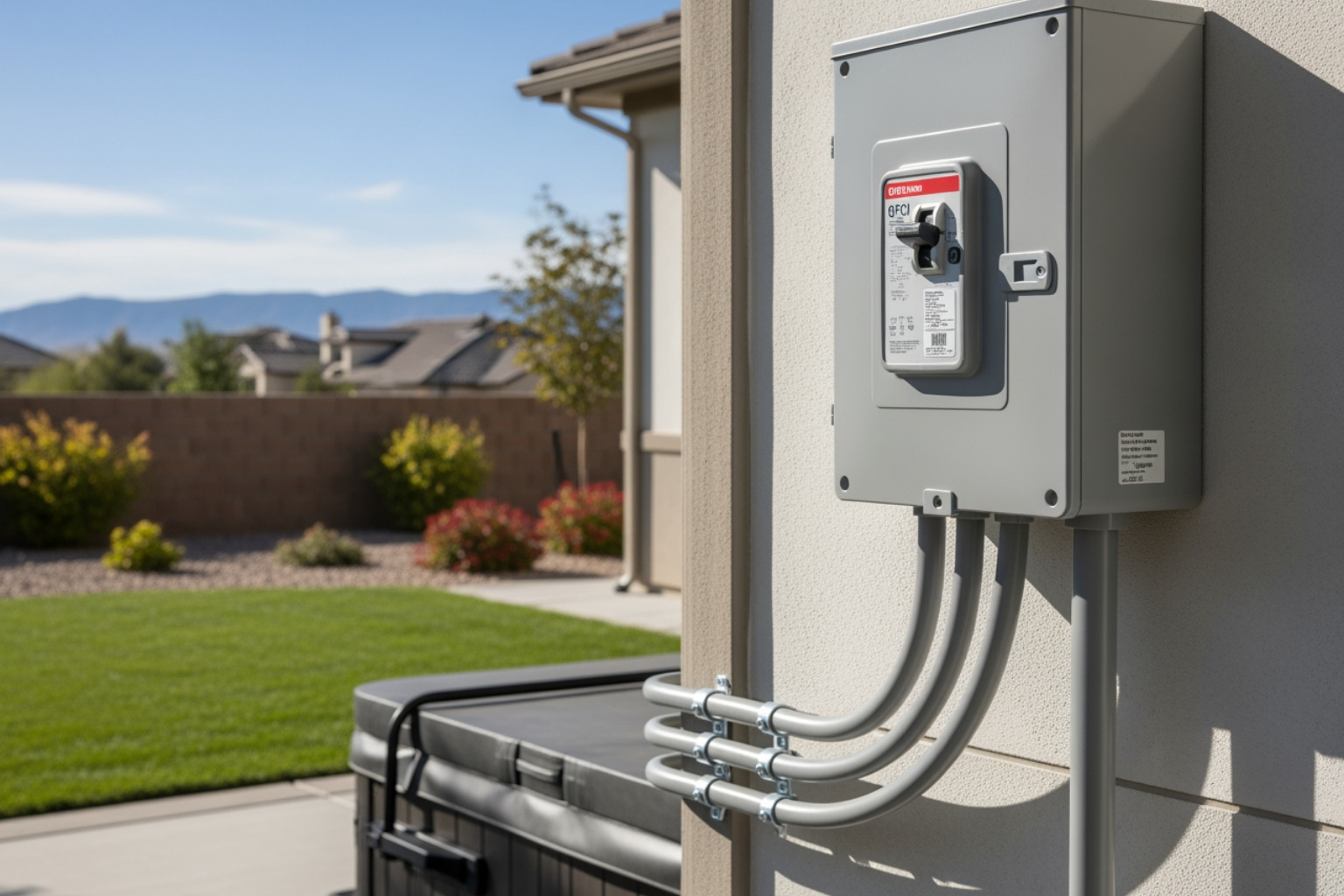
Next, you’ll need a spa disconnect panel, also sometimes called a GFCI load center or subpanel. This is a crucial safety component that’s installed between your main panel and the hot tub. NEC rules require this disconnect to be within line of sight of the hot tub, typically between 5 and 10 feet away, but never closer than 5 feet. It houses the 50 amp gfci breaker itself.
Speaking of the breaker, the heart of this setup is the 50 Amp 2-pole GFCI breaker. This isn’t just any breaker; it’s specifically designed to detect ground faults, which are incredibly dangerous in wet environments.
For the wiring itself, you absolutely must use 6-gauge copper wire for 50 amp GFCI breaker installations. For most exterior spas around Denver, we run a 4-wire, number 6 or number 8 wire, but for a 50 amp circuit, #6 is non-negotiable. Using smaller wire could lead to overheating and fire hazards.
Finally, you’ll need conduit. This protects the wires running from your disconnect panel to your hot tub, especially if they’re underground. We use rigid PVC or metal conduit, with specific burial depth requirements: at least 18 inches deep for nonmetallic (like PVC) and 6 inches deep for metal conduit. It’s also important to know that you can’t run underground wiring directly beneath the hot tub itself.
Understanding Wire Requirements and Color Codes
When we’re wiring a home hot tub, especially for a 240-volt system, we typically use what’s called a 4-wire system. Each wire has a specific color and job:
- Black Wire (Hot L1): This is one of the “hot” wires, carrying 120 volts of electricity from your main panel.
- Red Wire (Hot L2): This is the other “hot” wire, also carrying 120 volts. Together with the black wire, it provides the 240 volts needed for most hot tubs.
- White Wire (Neutral): This wire provides the return path for 120-volt circuits within the hot tub. It’s essential for components that operate at 120V, even if the main heating element is 240V.
- Green or Bare Copper Wire (Ground): This is your safety wire. It provides a safe path for electricity to flow in case of a fault, preventing shocks by diverting stray current away from you and back to the main panel.
Understanding these color codes is crucial for correct installation and troubleshooting. Mixing them up can be dangerous and cause your GFCI to trip constantly, or worse, not trip when it should.
How a GFCI Breaker Keeps You Safe
The 50 amp gfci breaker for hot tub wiring diagram isn’t just a component; it’s your lifeline. GFCI stands for Ground Fault Circuit Interrupter, and its job is to protect you from electric shock. This is incredibly important in a hot tub environment where water and electricity are always in close proximity.
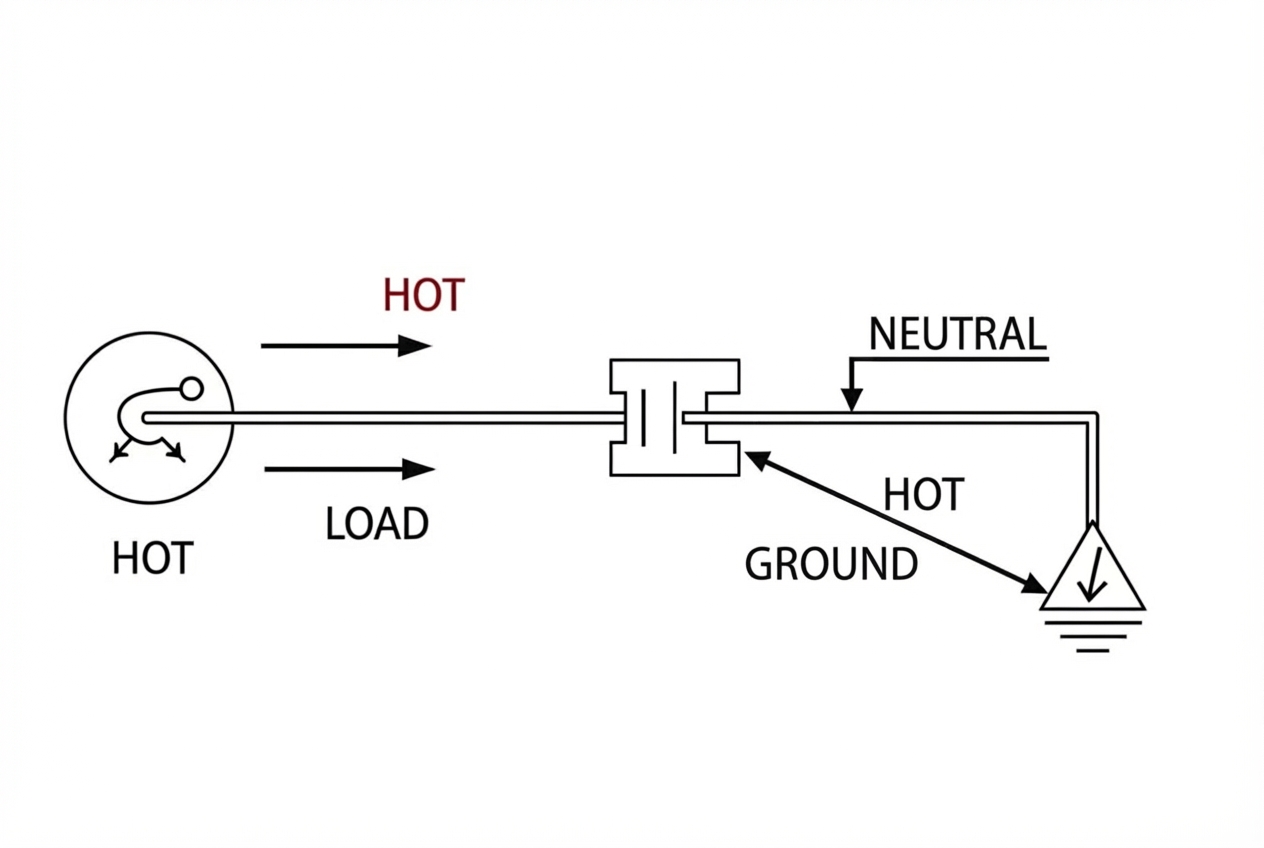
Here’s how it works: a GFCI breaker constantly monitors the flow of electricity in a circuit. It compares the current going out on the “hot” wires with the current coming back on the “neutral” wire. In a perfect world, these currents should be exactly equal. If there’s even a tiny imbalance – as little as 5 milliamperes – it means electricity is “leaking” out somewhere, likely through a person or the ground. This is called a ground fault.
When a GFCI detects this imbalance, it acts incredibly fast, tripping and shutting off power in a fraction of a second – milliseconds, actually. This rapid response is what prevents serious electrical shocks. For a 120-volt breaker, it compares hot and neutral. For a 240-volt duplex breaker (which is what we typically use for hot tubs), it compares the current between the two hot wires (L1 and L2) and also includes the neutral if present.
Because of their critical safety role, GFCI breakers must be tested regularly. We recommend testing them monthly, and always before each use of your hot tub. There’s usually a “Test” button on the breaker; pressing it should cause the breaker to trip immediately. If it doesn’t, you have a problem that needs immediate attention from a qualified electrician.
The Role of the Neutral Wire in a Hot Tub Circuit
The neutral wire plays a significant role in how your hot tub functions and how the GFCI breaker protects it. While the main heating elements and pumps in a 240-volt hot tub run directly off the two hot wires, many hot tubs also have 120-volt components. Think about things like the ozonator, the stereo system, or even some of the lights. These smaller components need a neutral wire to complete their 120-volt circuit.
For the GFCI breaker itself, the white neutral wire from the back of the GFCI Circuit Breaker MUST be connected to an incoming Line Neutral for proper GFCI function. Some brands of 2-pole GFCI breakers actually require this neutral pigtail to be connected to power their internal electronics, even if the hot tub load itself doesn’t use a neutral. So, a 2-pole GFCI breaker needs its neutral connected for proper function, regardless of the hot tub’s internal wiring.
When we’re hooking up a 220V hot tub, we ensure that this neutral wire is correctly routed and connected. Without it, the 120-volt components won’t work, and the GFCI might not function as intended, leaving you without the crucial protection it’s designed to provide.
Your 50 Amp GFCI Breaker for Hot Tub Wiring Diagram Explained
Let’s get down to the brass tacks of the 50 amp gfci breaker for hot tub wiring diagram. While every hot tub model has its own specific diagram (always check your manufacturer’s instructions!), the general connections for a 50 amp GFCI breaker are quite standard.
A typical 50 amp GFCI breaker for a hot tub has terminals for incoming power (Line), outgoing power (Load), and a factory-installed white “pigtail” wire. Here’s a simplified breakdown of where the wires go in the spa disconnect box:
-
Line Side Connections (Incoming Power from Main Panel):
- The black “hot” wire from your main panel connects to a “Line” terminal on the GFCI breaker.
- The red “hot” wire from your main panel connects to the other “Line” terminal on the GFCI breaker.
- The white neutral wire from your main panel connects to the neutral bus bar.
- The bare or green ground wire from your main panel connects to the ground bus bar.
-
Load Side Connections (Outgoing Power to Hot Tub):
- The black “hot” wire going to your hot tub connects to a “Load” terminal on the GFCI breaker.
- The red “hot” wire going to your hot tub connects to the other “Load” terminal on the GFCI breaker.
- The white neutral wire from your hot tub connects directly to the “Load Neutral” terminal on the GFCI breaker. This is a critical connection, not to the neutral bar.
- The bare or green ground wire going to your hot tub connects to the ground bus bar.
The white pigtail wire that comes attached to the GFCI breaker itself must also be connected to the neutral bus bar. This connection is vital for the GFCI’s internal safety electronics to function properly. It’s a common point of confusion, but the rule is simple: the breaker’s pigtail goes to the neutral bar where the incoming neutral is connected.
Wiring for a Hot Tub That Requires a Neutral
Most modern hot tubs, especially those with 120V components like ozonators, lights, or stereos, require a 4-wire installation, meaning they need a neutral wire. This setup allows the hot tub to use both 240V for high-demand items (like heaters) and 120V for lower-power accessories.
Here are the general steps for a 4-wire installation, keeping in mind the hot tub electrical code GFCI requirements:
-
Incoming Power Connection:
- Connect the black incoming “hot” wire from your main panel to the “Line 1” terminal on the 50 amp gfci breaker.
- Connect the red incoming “hot” wire from your main panel to the “Line 2” terminal on the 50 amp gfci breaker.
- Connect the white incoming neutral wire from your main panel’s feeder cable to the neutral bus bar in the spa disconnect box.
- Connect the bare or green incoming ground wire to the ground bus bar in the spa disconnect box.
-
GFCI Breaker Pigtail:
- The white pigtail wire that comes attached to your GFCI breaker needs to be connected to the neutral bus bar in the spa disconnect box. This provides power for the GFCI’s internal circuitry.
-
Hot Tub Load Connections:
- Connect the black “hot” wire going to your hot tub to the “Load 1” terminal on the GFCI breaker.
- Connect the red “hot” wire going to your hot tub to the “Load 2” terminal on the GFCI breaker.
- Connect the white neutral wire coming from your hot tub directly to the designated “N” terminal (load neutral terminal) on the GFCI breaker itself. This is crucial; it does NOT go to the neutral bus bar in the panel.
- Connect the bare or green ground wire coming from your hot tub to the ground bus bar in the spa disconnect box.
This ensures that the GFCI can properly monitor all current paths, including the neutral, for any imbalances. One of the most common DIY hot tub wiring mistakes we see is incorrect neutral connections, either connecting the load neutral to the neutral bar or failing to connect the GFCI’s pigtail. These errors will cause nuisance tripping or, worse, prevent the GFCI from protecting you.
Wiring for a 240V-Only Hot Tub (No Neutral)
While less common these days, some hot tubs, particularly older models or simpler designs, might only have 240V loads. This means they don’t have any 120V components and, therefore, don’t require a neutral connection at the hot tub itself.
In this scenario, your 50 amp gfci breaker for hot tub wiring diagram looks a little different, but the GFCI still provides crucial protection.
Here’s the key: for 240-volt hot tubs without a neutral connection to the load, the GFCI breaker will still trip on a fault to ground. How? A 2-pole GFCI breaker works by comparing the current flow between the two hot legs (L1 and L2). If these two currents aren’t equal, it indicates a fault. Even without a load neutral, if one of the hot wires faults to ground, the current will become unbalanced, and the GFCI will trip.
The wiring would be similar to the 4-wire setup for incoming power and the GFCI’s pigtail, but the white neutral wire from the hot tub simply wouldn’t be present or connected to the GFCI’s load neutral terminal. You would still connect the two hot wires and the ground wire from the hot tub to the GFCI breaker and ground bar, respectively.
It’s absolutely essential to follow the manufacturer’s specific wiring diagram for your hot tub model. Never assume your hot tub is 240V-only if the diagram shows a neutral connection. When in doubt, consult the hot tub amperage guide or better yet, call a professional.
Sticking to the Code: NEC Rules and Common Mistakes
Following the National Electrical Code (NEC) isn’t just a suggestion; it’s the law for electrical installations in places like Denver, Aurora, and Castle Pines. For hot tubs, NEC Article 680 is our bible. Ignoring these rules can lead to fines, failed inspections, and, most importantly, dangerous situations.
One critical rule is the placement of the spa disconnect panel. It must be installed within line of sight of the hot tub, typically between 5 and 10 feet away, but never closer than 5 feet. This allows someone to quickly cut power to the hot tub in an emergency.
Conduit burial depth is another area where common problems when installing a hot tub without a licensed electrician often arise. As I mentioned, nonmetallic conduit (like PVC) needs to be buried at least 18 inches deep, while rigid metal conduit requires a minimum of 6 inches. These depths protect the wires from damage. Also, you cannot run underground wiring directly underneath the hot tub.
Here are some other common mistakes we often encounter:
- Using the Wrong Wire Gauge: As we discussed, a 50 amp gfci breaker for hot tub wiring diagram absolutely requires 6-gauge copper wire. Using 8-gauge or aluminum wire for a 50-amp circuit is a fire hazard.
- Mixing Up Neutral and Ground Wires: This is a big one. In your spa disconnect panel, the neutral bus bar and the ground bus bar must be kept separate. The white neutral wire from the GFCI’s pigtail connects to the neutral bar, and the white load neutral from the hot tub connects directly to the GFCI breaker. Any interconnection of neutrals past a GFCI will cause it to trip.
- Incorrect GFCI Pigtail Connection: The white neutral wire from the back of the GFCI breaker MUST be connected to the incoming line neutral at the neutral bar for the GFCI to function correctly. Connecting it to the ground bar will cause nuisance tripping or prevent proper operation.
- No Dedicated Circuit: Hot tubs need their own dedicated circuit. Tapping into an existing circuit can overload your electrical system.
- Ignoring Manufacturer’s Diagram: Every hot tub has its own specific wiring requirements. Always, always, always refer to the diagram provided by your hot tub manufacturer.
A Note on Complex Setups: Duplex Breakers and Multiple Circuits
Sometimes, hot tubs can have more complex electrical needs, often involving multiple circuits within the spa itself. For example, some Hot Springs spas might require both a 30 amp 240V feed and a 20 amp 120V feed, all on a 50 amp feeder. This can lead to questions about using a duplex GFCI breaker versus two single-pole GFCI breakers.
Here’s the thing about GFCIs: you cannot combine neutrals from two separate GFCI breakers. It simply will not work. A GFCI functions by comparing current flow. If you try to share a neutral between two GFCIs, the current won’t balance through each breaker, and they will trip constantly, even without a fault. This is why connecting load-side neutrals on a GFCI breaker can cause both breakers to trip.
If your hot tub truly requires two distinct GFCI-protected circuits (e.g., a 240V circuit and a separate 120V circuit, each needing GFCI protection), you’ll need the appropriate breaker configuration in your spa disconnect panel. This might involve a multi-pole GFCI breaker designed for such a setup, or a panel with space for two separate GFCI breakers, ensuring their neutrals are kept distinct.
This kind of complexity highlights why electrical panel upgrades in Castle Rock, CO are sometimes necessary. If your existing panel or spa subpanel can’t accommodate the correct GFCI setup, it’s safer and more reliable to upgrade rather than try to force a workaround.
Ready to Relax? Let’s Get It Wired Right.
We’ve covered a lot about the 50 amp gfci breaker for hot tub wiring diagram, from the essential components and wire color codes to the critical role of the GFCI and common mistakes to avoid. While understanding these details is helpful, the takeaway should always be this: safely wiring a hot tub is a job for a professional.
Here at Harmony Electric, we pride ourselves on doing the work right the first time. As a Master Electrician, I’ve spent years ensuring Denver homeowners can enjoy their hot tubs without worrying about electrical safety. We offer a lifetime workmanship guarantee on our hot tub wiring installations, along with a three-year material warranty, because we stand by the quality of our work.
We know you’re looking forward to relaxing in your new hot tub, and we want to help you get there safely and efficiently. For a safe and reliable hot tub setup in the Denver area, trust a master electrician to get wired: how to safely connect your hot tub breaker.
Don’t take chances with water and electricity. Contact us for your professional hot tub installation today.