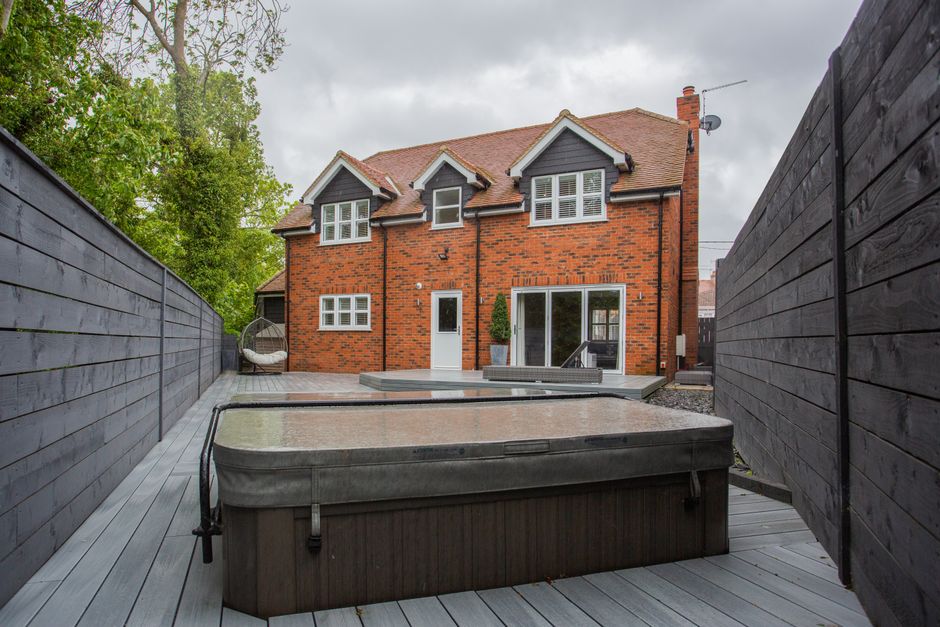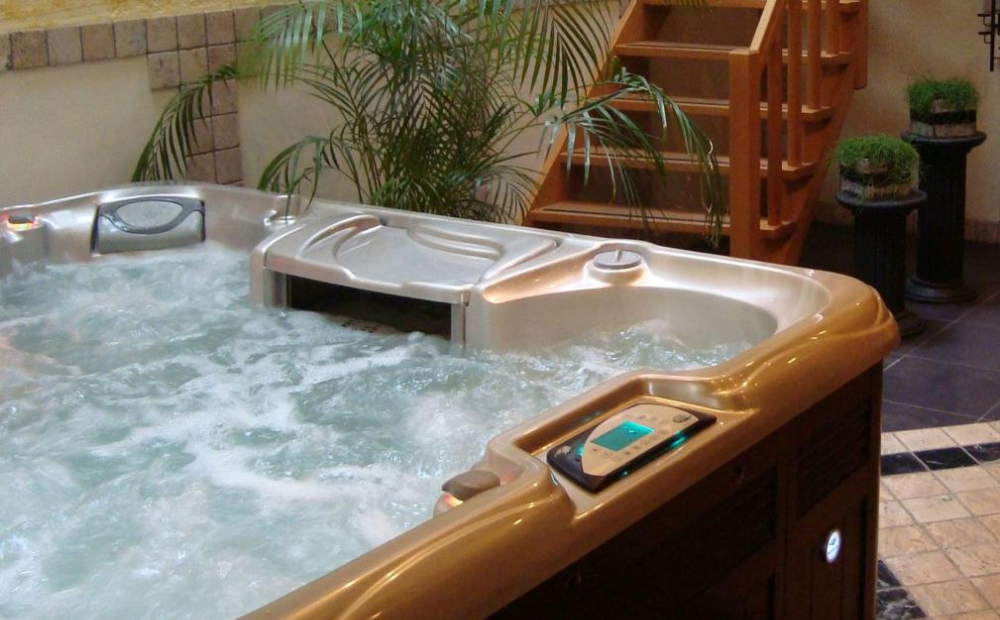
Thinking of installing a hot tub? Whether you’re picturing it in a cozy indoor spa room or relaxing outdoors under the stars, the location makes a big difference, especially when it comes to electricity. We’re here to guide you through the primary electrical considerations for indoor versus outdoor hot tubs, so you can make a safe and informed decision.
Why Location Matters for Electrical Setup
Hot tubs require robust wiring and specific protections. What your home needs depends a lot on where you place it:
- Indoor hot tubs usually sit closer to your main electrical panel, but they come with tighter code requirements around receptacles and bonding.
- Outdoor hot tubs often need longer runs of wire, weatherproof components, and dedicated safety elements.
Getting this right isn’t just about code compliance; it’s about safety and long-term reliability.
Hot Tub Amperage Requirements: What Changes Indoors vs. Outdoors
One of the first things to figure out is how much power your hot tub will draw. That’s where Hot Tub Amperage Requirements come in.
- Most 240-volt hot tubs draw 40–60 amps, depending on the heater, pumps, and other features.
- Because of this high demand, they almost always need their own circuit; no sharing with lighting or other heavy loads.
If the amperage is too low or the circuit isn’t properly sized, you’ll risk breaker trips, voltage drop, and even damage to your spa components.
Electrical Panel Hot Tub: Can Your Panel Handle It?
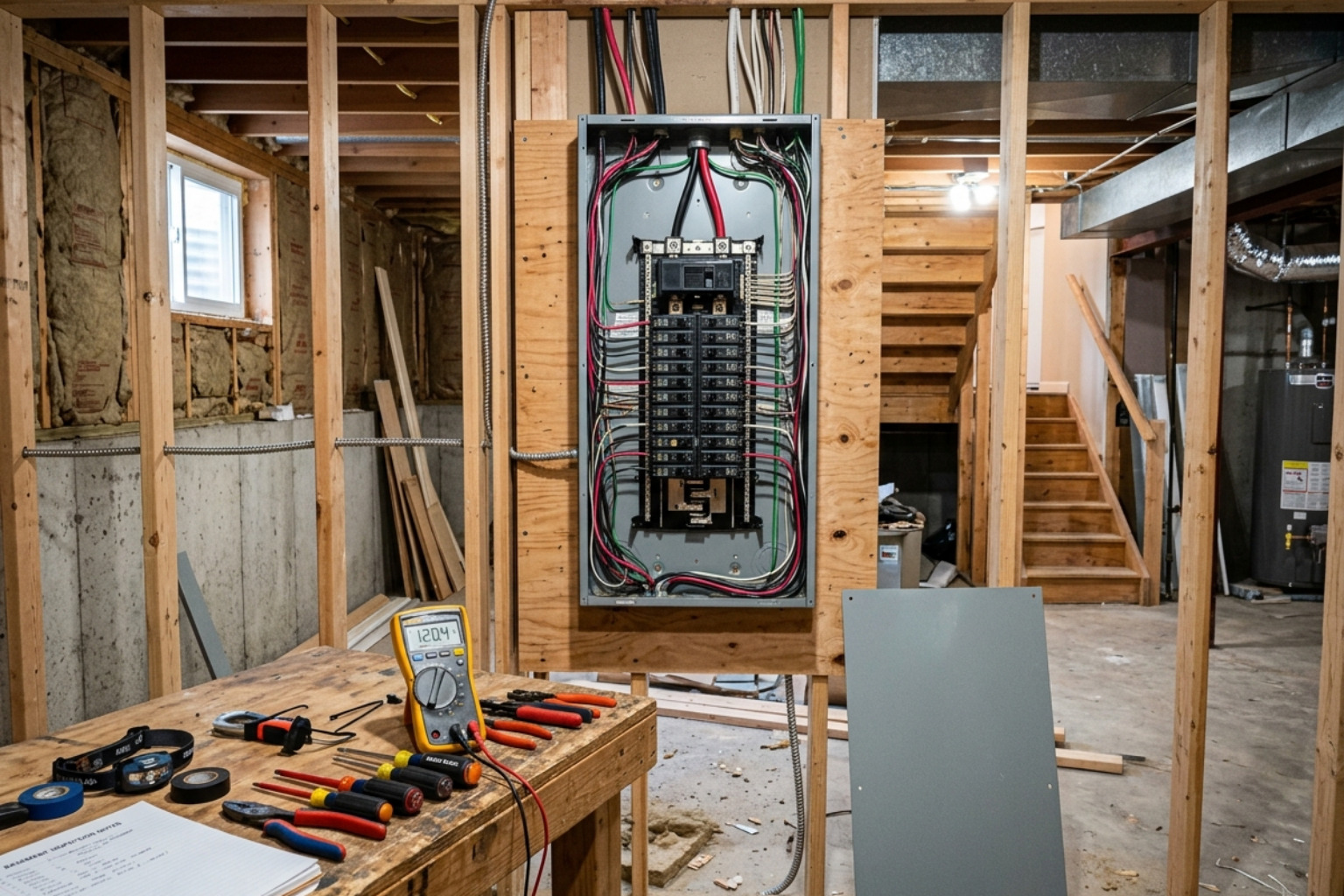
Before you install, you need to evaluate your electrical panel hot tub capacity. In other words: does your panel have enough extra capacity to support a high-amperage hot tub circuit?
Here’s how to check:
- Panel Rating: Many modern homes have 200-amp panels, which can often accommodate a hot tub circuit.
- Available Slots: You’ll want a free breaker space for the dedicated circuit.
- Load Calculation: An electrician should do a load calculation to confirm you won’t overload your panel once the hot tub is wired in.
If your existing panel isn’t up for it, an upgrade may be on the table, but that’s a one-time cost worth paying for long-term safety.
Dedicated Circuit Hot Tub: Why It’s Non-Negotiable
A dedicated circuit hot tub means that the hot tub’s wiring goes to a breaker that only serves the tub, no other appliance or light load on that same line. This matters because:
- It ensures the hot tub gets stable power.
- It reduces the risk of tripping breakers when the pump and heater run simultaneously.
- It makes meeting NEC code requirements easier and safer.
According to NEC Article 680 (covering pools, spas, and hot tubs), these installations require their own branch circuit and properly sized over-current protection.
Indoor Spa Wiring Considerations
If your hot tub’s indoors, there are a few more code details to keep in mind:
- NEC Article 680.43 governs indoor spa wiring.
- All outlets within 10 feet of the tub must have GFCI protection to prevent shock hazards.
- Bonding is required. All metal parts within five feet of the spa (like plumbing or railings) must be bonded together using a solid copper conductor.
- If you’re using a cord-and-plug model indoors, the cord must be the right gauge and properly rated: no extension cords.
Outdoor Spa Wiring Considerations
Putting a hot tub outside brings its own challenges:
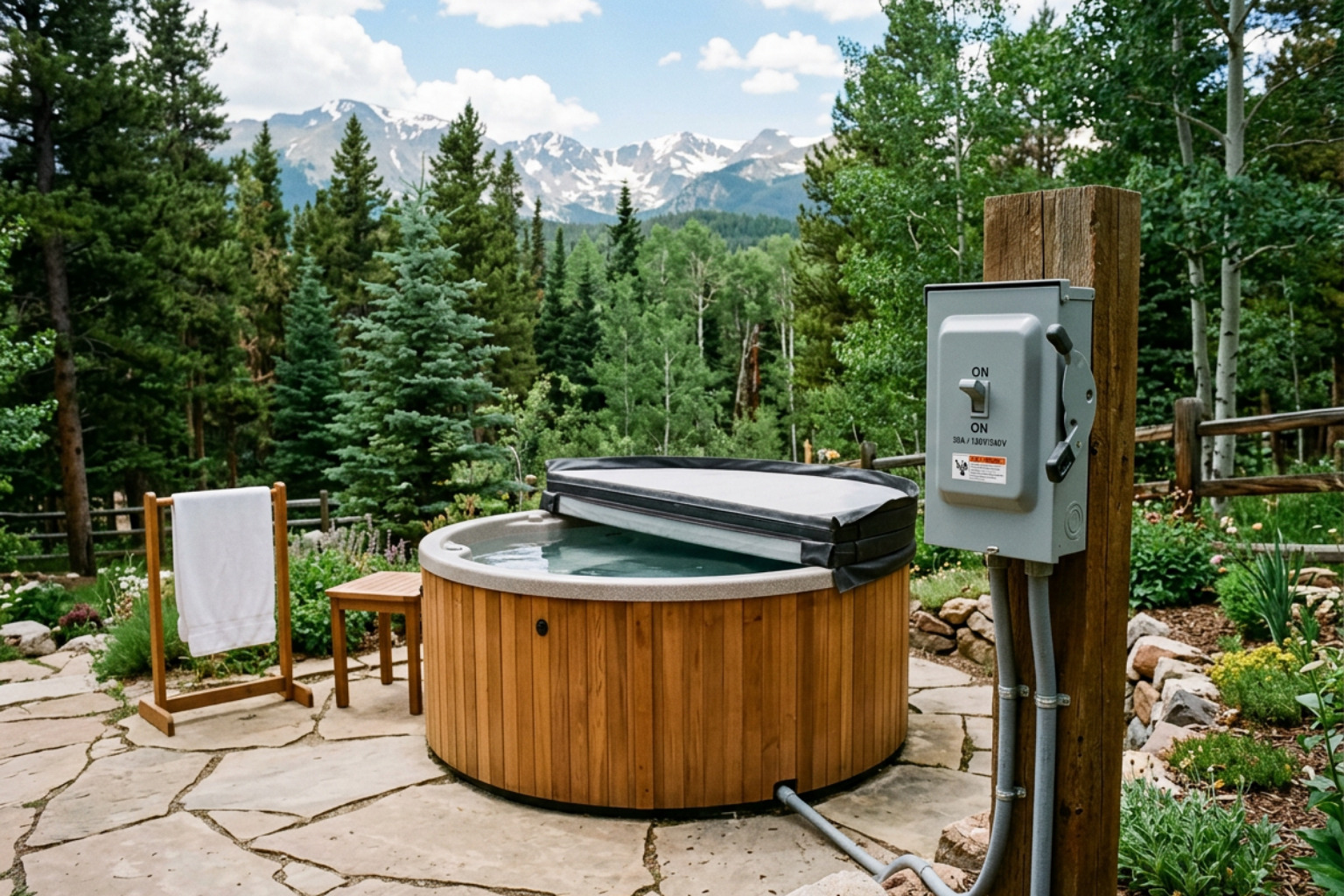
- The disconnect switch (emergency shutoff) must be readily accessible and within sight of the tub, but also at least five feet away. That’s an NEC requirement.
- Your wiring must be rated for outdoor exposure, often running through conduit or buried properly.
- Outdoor hot tubs generally need a dedicated 240V circuit, typically with a GFCI breaker to protect against ground faults.
- Bonding: all nearby metal surfaces (pool frame, rails, etc.) must be connected with a bonding wire (for example, #8 AWG copper) to reduce shock risk.
Which Is Easier (or Safer) to Wire? Pros & Trade-Offs
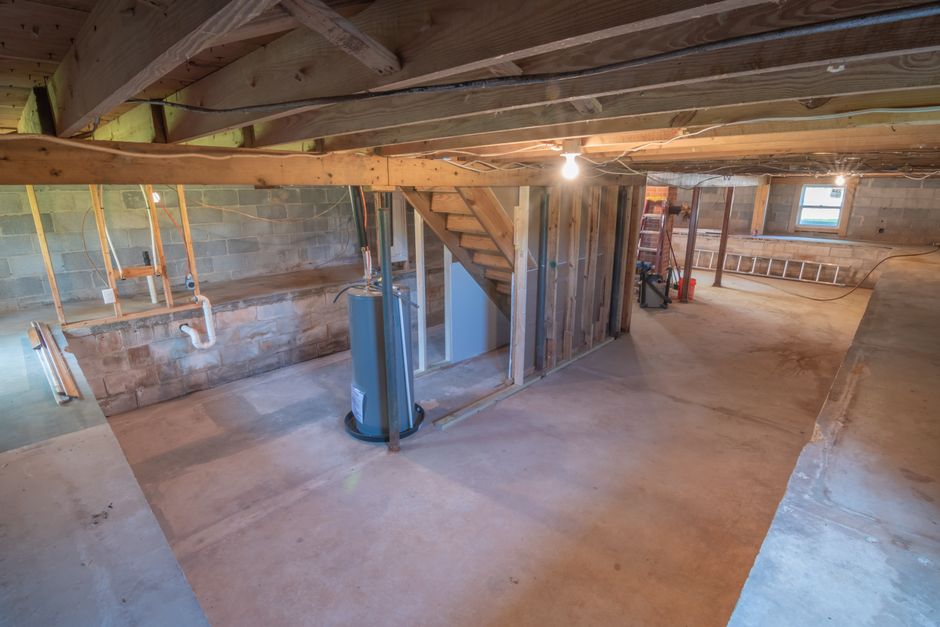
When it comes to wiring, indoor hot tubs usually have a slight advantage. They’re often closer to the home’s main electrical panel, which can make the wiring run shorter and simpler. Indoor installations also avoid the weatherproofing challenges that come with outdoor setups. That said, they do come with stricter rules for GFCI protection, bonding, and outlet placement, so you’ll want to make sure everything is installed exactly to code.
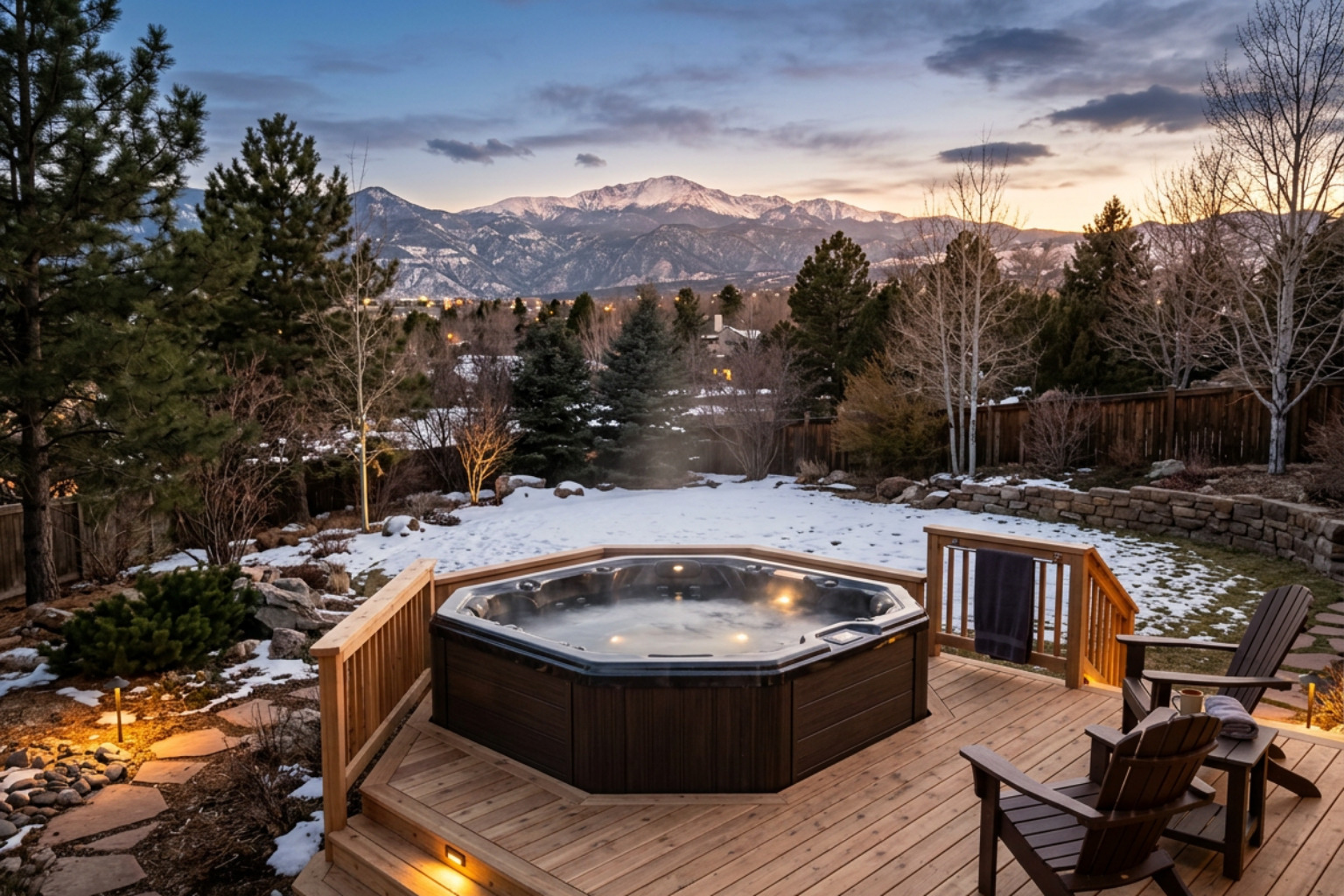
Outdoor hot tubs, on the other hand, bring their own considerations. Because they sit farther from your panel, they often require longer conduit runs or properly buried wiring. Outdoor installations also need weather-rated equipment and a disconnect switch that’s both easy to reach and safely positioned away from the water. The good news is that outdoor units typically offer more flexibility for placement and ventilation, but the electrical side tends to be a bit more involved.
Both options can be wired safely and reliably. The “easier” choice really comes down to your home’s layout, the distance to your electrical panel, and the type of hot tub you’re installing. A licensed electrician can help you weigh those factors and plan the setup that makes the most sense for your space.
Bottom Line
Choosing between an indoor and outdoor hot tub isn’t just about aesthetics or convenience, it’s about electrical safety, code compliance, and long-term reliability.
Key takeaways:
- Know your hot tub amperage requirements before buying.
- Confirm your electrical panel hot tub capacity.
- Always plan for a dedicated circuit hot tub. Don’t try to save money by sharing.
- Follow NEC Article 680 rules for bonding, GFCI protection, and a proper disconnect switch.
Next Steps: Let’s Make Sure It’s Done Right
If you’re thinking about installing a hot tub indoors or outside, let’s make sure your electrical setup is safe, code-compliant, and built to last.
Give us a call at Harmony Electric. We’ll walk you through what your home needs and give you straightforward pricing.