When you start exploring solar for your home, two terms show up everywhere: kW and kWh. They look almost identical, and most homeowners mix them up at first. But understanding the kW vs. kWh difference makes it much easier to size a system, read a proposal, or understand your utility bill.
This guide breaks it down so you know exactly what these terms mean and how they affect the solar setup on your home.
Why These Terms Matter
Solar companies, electricians, and utility providers use kW and kWh constantly. They describe how powerful your system is and how much energy your home uses. If you understand the difference between kW and kWh, everything from system sizing to long-term savings becomes much clearer.
These two terms work together. One describes power. The other describes energy. Once you connect the dots, solar becomes far easier to understand.
What kW Really Means
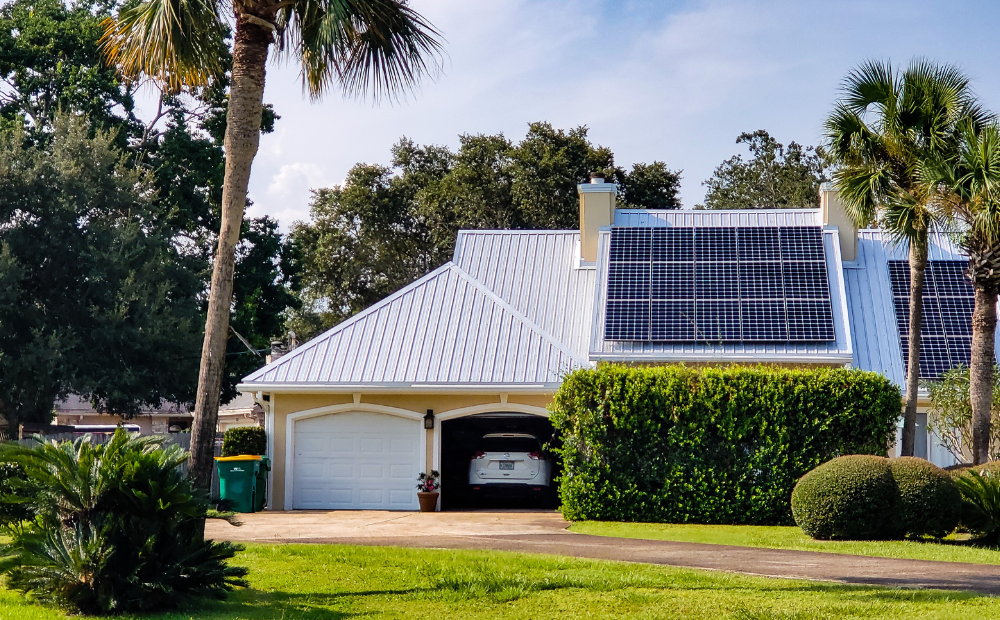
kW stands for kilowatts. This is a measure of power, or the system’s strength at any given moment. You’ll see it listed as a 4 kW, 6 kW, or 10 kW system—it measures how much your solar array can produce when the sun is shining at its best.
A simple way to think about it: if your home were a vehicle, kW would be the horsepower. It shows how much power the system can deliver right now, under ideal conditions.
A higher kW rating means a stronger system with a higher potential output.
What kWh Really Means
kWh stands for kilowatt-hours. This is a measure of energy, or how much electricity is used or produced over time. It’s what you see on your utility bill each month.
Sticking with the car comparison, if kW is horsepower, kWh is how many miles you drove. It captures the full activity over a set period.
Every solar customer should pay attention to kWh because it tells you how much of your energy use your system can actually offset.
How kW and kWh Work Together
The connection between the two is where the kW vs. kWh solar relationship really matters. Your kW rating tells you how big or strong your system is. Your kWh output tells you how much energy that system actually produces over time.
A 6 kW system may produce roughly 8,500 kWh per year, depending on your roof angle, shading, and local weather. The exact numbers vary, but the relationship between power and energy stays the same.
Knowing both terms helps you understand whether a system will truly meet your home’s needs.
Why kW Matters for System Sizing
Electricians use the kW number when designing your solar array. It helps determine how many panels you need and whether your roof has enough space. It also matters when planning for extra electrical loads like an EV charger or hot tub. More demand often means a system with higher kW capacity.
Understanding your kW rating helps you avoid buying too little or too much solar power.
Why kWh Matters for Your Utility Bill
Your utility charges you based on kWh, not kW. This means your monthly bill is tied to how much energy your home consumes and how much your solar system produces to offset that consumption. When planning a solar installation, electricians look closely at your past kWh usage to build a system that makes sense for your home.
If your kWh usage goes up—maybe from a new appliance or a growing family—your solar needs may change too.
Key Solar Power Terminology You’ll See Often
A few terms show up frequently in the solar power terminology world. These are worth knowing because they help explain how well your system performs:
-
Peak sun hours—the amount of strong, usable sunlight your home gets each day
-
Inverter efficiency—how effectively the system converts solar energy into usable electricity
Understanding these phrases gives you a clearer picture of how your system works day to day.
Making Solar Simple for Homeowners
Most homeowners don’t think about power and energy until they start planning a solar project. But once you learn the basics, it becomes much easier to read your solar quote, understand production estimates, and choose a system that fits your household.
Knowing the difference between kW and kWh also helps with future planning. If you expect to add an EV charger, remodel a basement, or install a hot tub, those upgrades will change your energy use. Understanding your numbers now helps you prepare for what’s coming later.
Want Your Solar System Explained the Easy Way?
If you’re planning a project or reviewing a solar proposal and want a clear, friendly walk-through of the electrical side of things, the team at Harmony Electric is always happy to help. We can size your system properly, explain your expected kWh production, and make sure everything meets code and runs safely.
Reach out today for a free consultation and get a solar setup that makes sense for your home.