Your Guide to Dedicated Circuit Costs from a Denver Electrician
Dedicated circuit cost typically ranges from $250 to $900 for most residential installations, with the average homeowner spending around $650. Here’s what you need to know:
Quick Cost Breakdown:
| Component | Cost Range |
|---|---|
| Labor | $200-$750 |
| Materials (breaker, wire, box) | $50-$150 |
| Total Average Cost | $650 |
What affects your final price:
- Distance from your electrical panel to the appliance
- Whether walls are finished (drywall repair adds cost)
- Circuit amperage needed (20A vs. 50A)
- Your panel’s available capacity
- Permits and inspections ($50-$350)
I’m Randy Harmuth, and I’ve been wiring homes around Denver for years. One of the most common questions I get is about dedicated circuits — what they are, why they matter, and what they’ll actually cost you.
Here’s the thing: a dedicated circuit isn’t just an electrical upgrade. It’s safety insurance for your home and protection for your expensive appliances.
When you plug your refrigerator, microwave, and dishwasher into the same circuit, you’re asking for trouble. Breakers trip. Appliances wear out faster. And in older Denver homes I work on regularly, I’ve seen overloaded circuits start electrical fires.
A dedicated circuit gives one appliance its own direct line to your electrical panel. No sharing. No competition for power. Just clean, consistent electricity exactly when your appliance needs it.
Most newer appliances — especially big power users like electric ranges, hot tubs, and EV chargers — require a dedicated circuit. It’s not optional. Your manufacturer’s warranty might even depend on it.
In this guide, I’ll walk you through what a dedicated circuit really costs, what makes prices go up or down, and how to know if your home needs one. No jargon, no upselling — just the straight facts from someone who does this work every day.
First Things First: What’s a Dedicated Circuit and Why Do You Need One?
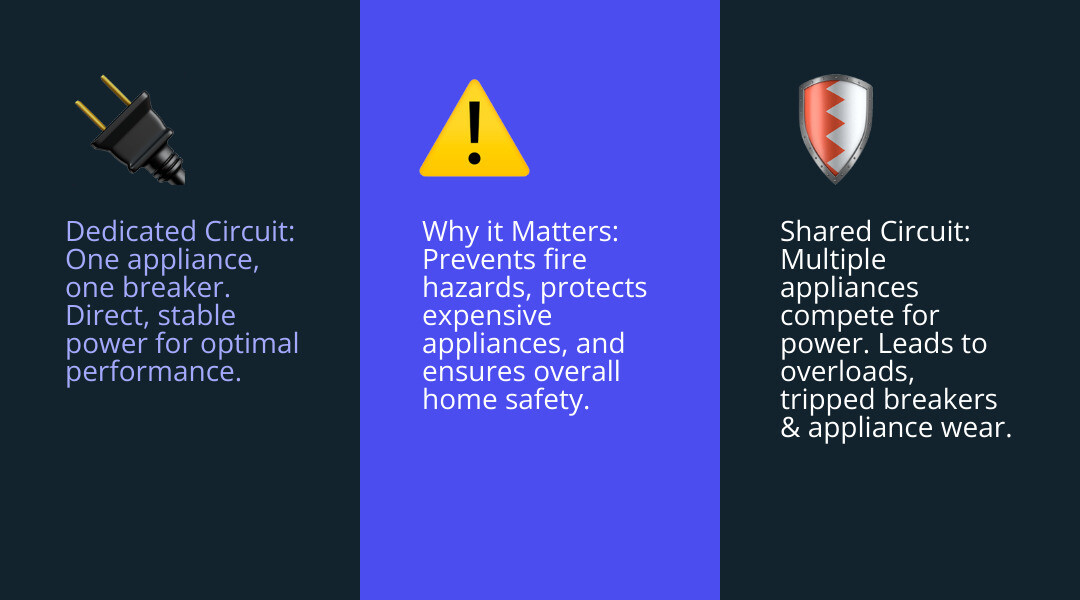
When we talk about a dedicated circuit, we’re talking about a direct line of power from your electrical panel to a single appliance or outlet. Think of it like a VIP lane on the highway for your most important electrical devices. Each dedicated circuit has its own breaker in your electrical panel, ensuring that only that one appliance is drawing power from it. This means no sharing power with other devices, no competition, and a much more stable and reliable electrical supply.
So, why is this so important for your home here in Denver? Well, it boils down to a few key things:
- Appliance Protection: Modern appliances, especially the power-hungry ones, are designed to work best with a consistent and ample power supply. When they have to share a circuit, they might not get enough juice, which can cause them to work harder, reduce their efficiency, and even shorten their lifespan. A dedicated circuit ensures your expensive appliances get the “VIP treatment” they need.
- Preventing Overloads: This is probably the most common issue I see in older Denver homes. When too many appliances are plugged into one circuit, they can draw more electricity than the circuit is designed to handle. This causes the breaker to trip, shutting off power to everything on that line. It’s annoying, but it’s also a warning sign. Frequent trips mean your system is overloaded, and that’s not just inconvenient, it’s dangerous.
- Fire Safety: Overloaded circuits generate heat. A lot of heat. This heat can degrade wiring, melt insulation, and, in the worst cases, lead to electrical fires. A dedicated circuit prevents this by ensuring that high-demand appliances operate safely within their designated capacity, significantly reducing the risk of fire. It’s a critical step in keeping your home and family safe.
Appliances That Need Their Own Circuit
You might be surprised by how many common household appliances actually need a dedicated circuit. The National Electrical Code (NEC) and appliance manufacturers often require them for safety and optimal performance. If you’re installing any of these, you’ll likely need a dedicated circuit:
- Refrigerator: Essential for food preservation, a dedicated circuit prevents power fluctuations that could spoil food or damage the compressor.
- Dishwasher: These use a lot of power, especially for heating water. A dedicated line ensures it runs efficiently without tripping breakers.
- Microwave (Built-in or Over-the-Range): While smaller microwaves can sometimes share, larger or built-in models almost always require their own circuit.
- Electric Range/Oven: These are huge power users and need a high-amperage dedicated 240V circuit.
- Garbage Disposal: Prevents power dips that can affect other kitchen appliances.
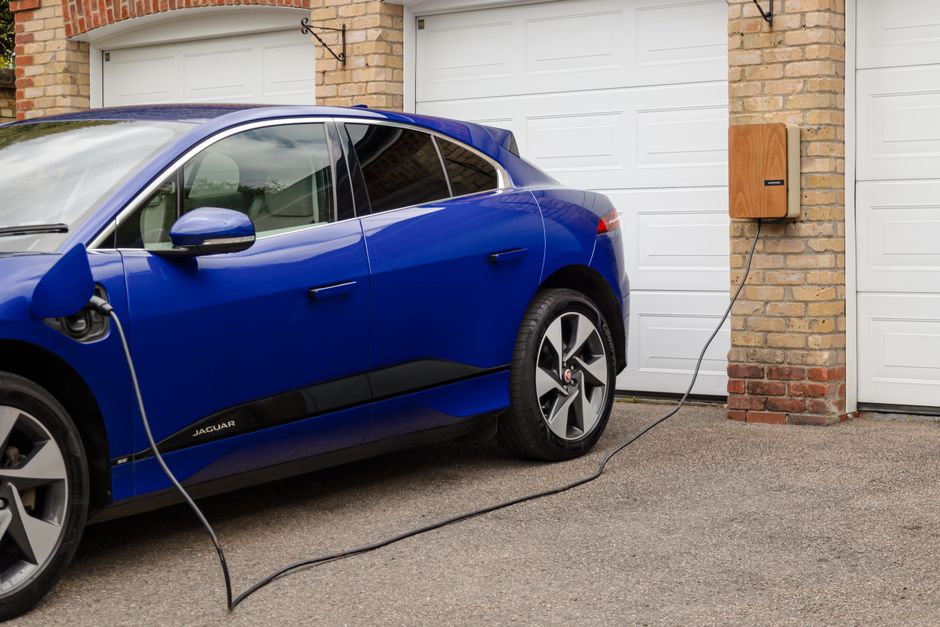
- EV Charger: With more and more electric vehicles on the roads in Denver, EV chargers are a common need. Level 2 chargers require a dedicated 240V circuit, typically 40 or 50 amps. We’ve done many EV charger installations around here.
- Hot Tub/Spa: These are also large 240V loads that absolutely need their own dedicated, GFCI-protected circuit for safety.
- HVAC Systems (Furnace, Central AC): Your heating and cooling systems are critical and require dedicated power to run smoothly and prevent damage.
- Sump Pump: You don’t want your sump pump failing during a Denver downpour because it’s sharing a circuit. Dedicated power ensures it’s always ready.
- Large Window AC Units: While small ones might plug into a regular outlet, larger, more powerful window units often need their own 20-amp circuit.
- Washing Machine & Electric Dryer: Both are significant power users; dryers typically need a 240V dedicated circuit.
- Freezers (Chest or Upright): Similar to refrigerators, these need reliable, dedicated power to protect your frozen goods.
- Workshop Tools (Table Saw, Welder): Many heavy-duty tools can cause momentary surges that trip breakers if not on their own circuit.
It’s not just about convenience; it’s about safety and code compliance. Manufacturers may even void warranties if their appliances aren’t installed according to code, including having a dedicated circuit. Understanding the importance of following electrical codes is key to a safe home.
Breaking Down the Dedicated Circuit Cost
So, what does it actually cost to get one of these dedicated circuits installed? As I mentioned, the national average for dedicated circuit cost typically falls between $250 and $900, with most homeowners in our area spending around $650. But why such a range?
The biggest factor that influences the price is labor. This isn’t just a quick plug-and-play job. It involves working inside your electrical panel, running new wires, and ensuring everything meets strict safety codes. That’s why you’re paying for an electrician’s expertise, not just the parts.

Typical Dedicated Circuit Cost for Installation
Let’s break down where your money goes when we install a dedicated circuit:
- Labor Costs: This is the lion’s share of the expense, usually ranging from $200 to $750. Electricians typically charge $50 to $130 per hour. However, it’s common for us to have a higher “first-hour” fee, which can be around $150, or a call-out fee of $100 to $200. This covers the time it takes to travel to your home, set up, and diagnose the work.
- Material Costs: These are usually more predictable, averaging $50 to $150. This covers the actual circuit breaker (which can range from $5 to $250, but most are under $50), the necessary wiring (like Romex cable), the outlet or junction box, and any fittings or connectors needed. Quality materials are crucial for safety and longevity.
Average Cost to Install a Dedicated Circuit in a Garage
Garages in Denver and the surrounding communities are often hubs for power-hungry equipment. Whether you’re setting up a workshop with tools like a table saw, adding an extra freezer for bulk groceries, or getting ready for an EV charger, a dedicated circuit is almost always a necessity.
The average dedicated circuit cost for a garage installation typically ranges from $250 to $900, with $650 being a common price point. This range depends heavily on factors like how far your garage is from your main electrical panel. A longer wire run means more materials and more labor time to correctly route and secure the wiring. For more detailed information on specific installations like EV chargers and hot tubs, you can check out our residential electrical services page.
What Makes the Price Go Up or Down?
Every home in the Denver Metro Area is a little different, and that means every electrical job has its own unique considerations. When we give you a quote for a dedicated circuit cost, we’re looking at a few key variables that can swing the price up or down. We always aim for clear communication about these factors so there are no surprises.
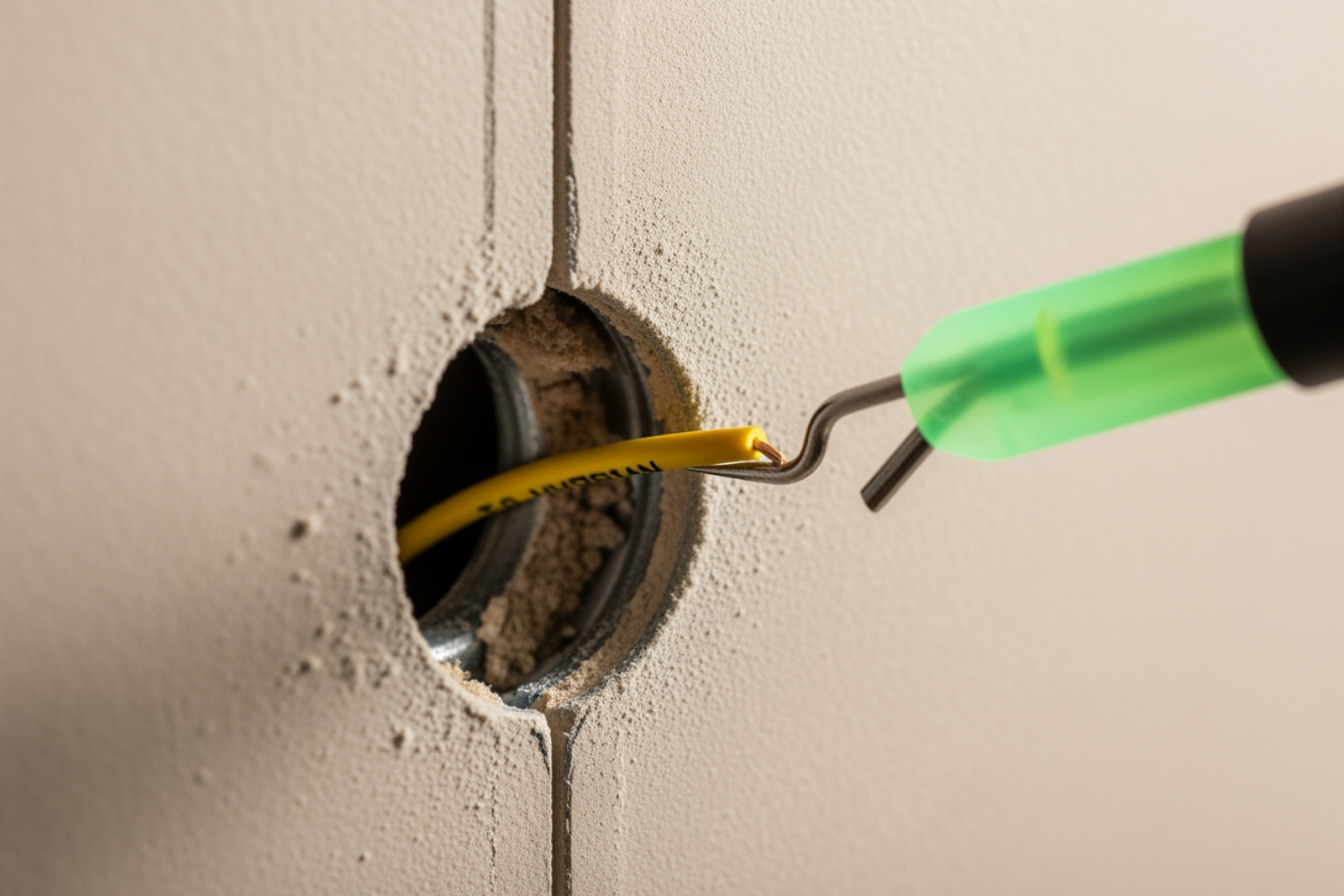
What factors influence the dedicated circuit cost?
- Distance from the Panel: This is a big one. The further the new circuit needs to run from your main electrical panel to the appliance, the more wiring we’ll need, and the more time it takes to install it properly. If your panel is in the basement and your new appliance is on the second floor, that’s a longer, more complex run than if it’s just a few feet away.
- Accessibility: Is the path for the new wiring easy to access, like an unfinished basement or attic? Or do we need to work behind finished walls, ceilings, or crawl spaces? Fishing wire through existing structures takes more time and skill. If we have to cut into drywall, you might also have to factor in drywall repair costs, which can be $50 to $100 per square foot for small patches.
- Complexity of the Circuit:
- Circuit Amperage: A standard 15- or 20-amp 120V circuit for a microwave or refrigerator is typically less complex than a higher-amperage 30- or 50-amp 240V circuit required for an electric range, hot tub, or EV charger. Higher amperage and voltage often mean thicker, more expensive wire and specialized breakers.
- Voltage (120V vs. 240V): Most household outlets are 120V. Appliances like electric dryers, ranges, and EV chargers require 240V, which uses different wiring and breakers, adding to the complexity and material cost.
- Location: While we serve the entire Denver Metro Area, costs can vary slightly even within our service region due to local permitting fees or specific code requirements. Generally, the cost of living and doing business in a particular area impacts labor rates.
Potential “Extra” Costs to Plan For
Sometimes, a dedicated circuit isn’t just about running a new wire and adding a breaker. Your home’s existing electrical system might need a little help to accommodate the new demand.
- Electrical Panel Capacity: This is probably the most common “extra” cost. If your electrical panel is already full, or if it’s an older model (like those notorious Federal Pacific or Zinsco panels I sometimes see in older Denver homes) that can’t safely handle additional circuits, then we might need to perform an Electrical Panel Upgrade. Upgrading or replacing your entire electrical panel can add $500 to $2,000 to the total project, sometimes more if you’re going from a small panel to a much larger 200-amp service.
- Subpanel Installation: If your main panel is far away or at capacity, but you only need a few new circuits in a specific area (like a workshop in the garage), installing a subpanel might be a more cost-effective solution than a full main panel upgrade. Subpanel installation can cost anywhere from $500 to $1,700.
- Permits and Inspections: For almost any new electrical work, especially adding a dedicated circuit, local permits are required in Denver and surrounding communities. These ensure the work is done safely and meets current electrical codes. Permit and inspection fees can range from $50 to $350, depending on your specific location and the scope of the work. We always handle the permitting process for you.
- GFCI/AFCI Protection Requirements: Depending on where the new circuit is located (e.g., garage, bathroom, kitchen, or bedroom), current electrical codes might require Ground Fault Circuit Interrupter (GFCI) or Arc Fault Circuit Interrupter (AFCI) protection. This often means a slightly more expensive breaker, adding $10 to $100+ to the material cost, but it’s a small price for improved safety.
Getting the Job Done Right: Pro vs. DIY and Saving Money
I get it – sometimes you want to tackle a home project yourself. But when it comes to electricity, some jobs are definitely not for the weekend warrior. The value of professional electrical work isn’t just about convenience; it’s about safety, compliance, and peace of mind.
Why Hiring a Professional is the Safest Bet
While replacing a light switch might be a manageable DIY task for some, anything involving new wiring, especially inside your electrical panel, is best left to a licensed electrician. Here’s why:
- Safety Risks: This is number one. Electricity is incredibly powerful and dangerous. Improper wiring can lead to electrical shock, serious injury, or even death. It can also cause fires, putting your home and family at extreme risk.
- Code Compliance: Electrical codes are complex and constantly updated. A professional electrician knows the current NEC requirements and local Denver codes inside and out. This ensures your installation is safe and legal.
- Passing Inspection: If you don’t get a permit and the work isn’t up to code, you could face fines, problems with insurance, and difficulties when selling your home. A professional electrician ensures the work passes inspection the first time.
- Experience and Troubleshooting: We’ve seen it all in older homes around here – unexpected wiring, outdated systems, and tricky routes. Our experience allows us to troubleshoot issues quickly and efficiently, something a DIYer might struggle with for days. For all kinds of common electrical repairs and upgrades, experience makes all the difference.
- Workmanship Guarantee: When you hire Harmony Electric, you get the assurance that the job is done right. We stand behind our work, offering a lifetime workmanship guarantee on select installations like EV charging stations and hot tub wiring, along with a three-year material warranty. You won’t get that with a DIY job.
Smart Ways to Save on Your Installation
Even with a professional, there are ways to be smart about your dedicated circuit cost:
- Bundle Jobs: If you need more than one dedicated circuit, or have other electrical work planned, try to bundle it into a single visit. Electricians often have a minimum service fee, so doing multiple tasks at once can reduce the per-job cost. For example, if you need a circuit for a new microwave and another for a garage freezer, doing them together will likely be cheaper than two separate visits.
- Clear the Work Area: Before your electrician arrives, make sure the path to your electrical panel and the installation area is clear and easily accessible. Moving furniture, boxes, or anything else out of the way saves us time, and since you’re paying for our time, it saves you money.
- Get Clear, Itemized Quotes: Always get at least two or three detailed quotes from different licensed electricians. This allows you to compare prices and understand exactly what’s included (and what’s not). A good quote will break down labor and material costs.
- Schedule During the Off-Season: For many trades, including electrical work, demand can fluctuate. Sometimes, scheduling your installation during slower periods, like fall or winter, might give you a slightly better rate or more flexibility in scheduling. It’s not guaranteed, but it’s worth asking about.
Frequently Asked Questions About Dedicated Circuits
How do I know if I need a new dedicated circuit?
There are some clear signs your home might benefit from a new dedicated circuit:
- Flickering Lights: If your lights dim or flicker every time a large appliance (like a refrigerator compressor or a vacuum cleaner) kicks on, it’s a strong indicator that the appliance is drawing too much power from a shared circuit.
- Frequently Tripping Breakers: This is the most obvious sign. If a specific breaker trips often, especially when you’re using a particular appliance, that appliance likely needs its own dedicated circuit. Don’t just reset the breaker repeatedly; it’s a safety warning.
- Warm Outlets or Switch Plates: If an outlet or switch feels warm to the touch, or you notice a burnt smell, it’s a serious sign of an overloaded circuit and a potential fire hazard. Call us immediately.
- You’re Installing a New Major Appliance: As we discussed, almost all major new appliances, especially 240V ones like electric ranges, dryers, hot tubs, or EV chargers, will require a dedicated circuit by code and for safe operation. Always check the appliance’s specifications.
- Old Fuse Box: If your home still has a fuse box instead of a modern circuit breaker panel, it’s likely not equipped to handle the demands of today’s appliances and definitely needs an upgrade before adding any new dedicated circuits.
Are there any ongoing costs for a dedicated circuit?
Once a dedicated circuit is installed, there are generally no direct ongoing costs beyond the electricity consumed by the appliance connected to it. The circuit itself doesn’t “cost” anything to run when not in use.
- Minimal Maintenance: The good news is that dedicated circuits require very little maintenance. We recommend occasional visual inspections of your outlets and the circuit breakers in your panel. Look for any signs of wear, discoloration, or unusual smells.
- Professional Inspections: While not an “ongoing cost” in the traditional sense, we do recommend periodic professional electrical inspections for your entire home, typically every 3-5 years. This ensures your whole electrical system, including dedicated circuits, remains safe and up to code. A professional electrical inspection costs between $100 and $400.
How long does it take to install a dedicated circuit?
The time it takes to install a dedicated circuit can vary, but here’s a general idea:
- Straightforward Installation: For a relatively easy job, like adding a dedicated circuit to an unfinished basement or garage near the main panel, it might take us anywhere from 2 to 4 hours. This includes running the wire, installing the breaker, and putting in the new outlet.
- More Complex Installations: If we need to fish wire through finished walls, access tight spaces, or if the run is particularly long, the job could take 4 to 8 hours, or even longer if significant wall repair or panel upgrades are needed.
We always strive to work efficiently and minimize disruption to your home while ensuring the highest standards of safety and quality.
Ready to Power Your Home Safely?
Adding a dedicated circuit to your home in Denver, Castle Pines, Centennial, or any of our surrounding communities is more than just an expense; it’s an investment in the safety and longevity of your home and your valuable appliances. It prevents dangerous overloads, ensures your devices run efficiently, and helps your home meet modern electrical codes.
We believe in doing the job right the first time, every time. That’s why Harmony Electric offers a lifetime workmanship guarantee on select installations, like EV chargers and hot tub wiring, and a three-year material warranty on all our work. No upselling, no unnecessary complexity – just honest recommendations and clean, high-quality electrical work from a master electrician.
If you’re considering a new appliance or experiencing signs of an overloaded circuit, don’t wait until it becomes a bigger problem. For a clear, honest quote on your dedicated circuit project, let’s talk. Contact us for residential electrical services in the Denver area. We’re here to help you power your home safely and efficiently.