Which Specific NEC® Article Governs Appliance Installations?
The core of appliance electrical safety in the United States is found in NEC® Article 422. This article, titled “Appliances,” is specifically dedicated to the installation of electrical appliances in any occupancy, whether it’s a home, an office, or a commercial building. It covers appliances that are fastened in place, permanently connected, or even those that are connected by a cord and plug.
The main goal of Article 422 is to provide practical safeguarding for people and property from hazards that can arise from using electricity with these devices. It’s the go-to section for electricians like me when we’re planning or performing any appliance installation, ensuring everything meets the minimum safety standards. When we’re working on an electrical project in a Denver home, we always turn to Article 422 to confirm that every appliance connection is up to code. It’s our blueprint for making sure your electrical system is both functional and safe.
What Key Safety Requirements Does NEC® Article 422 Mandate for Appliances?
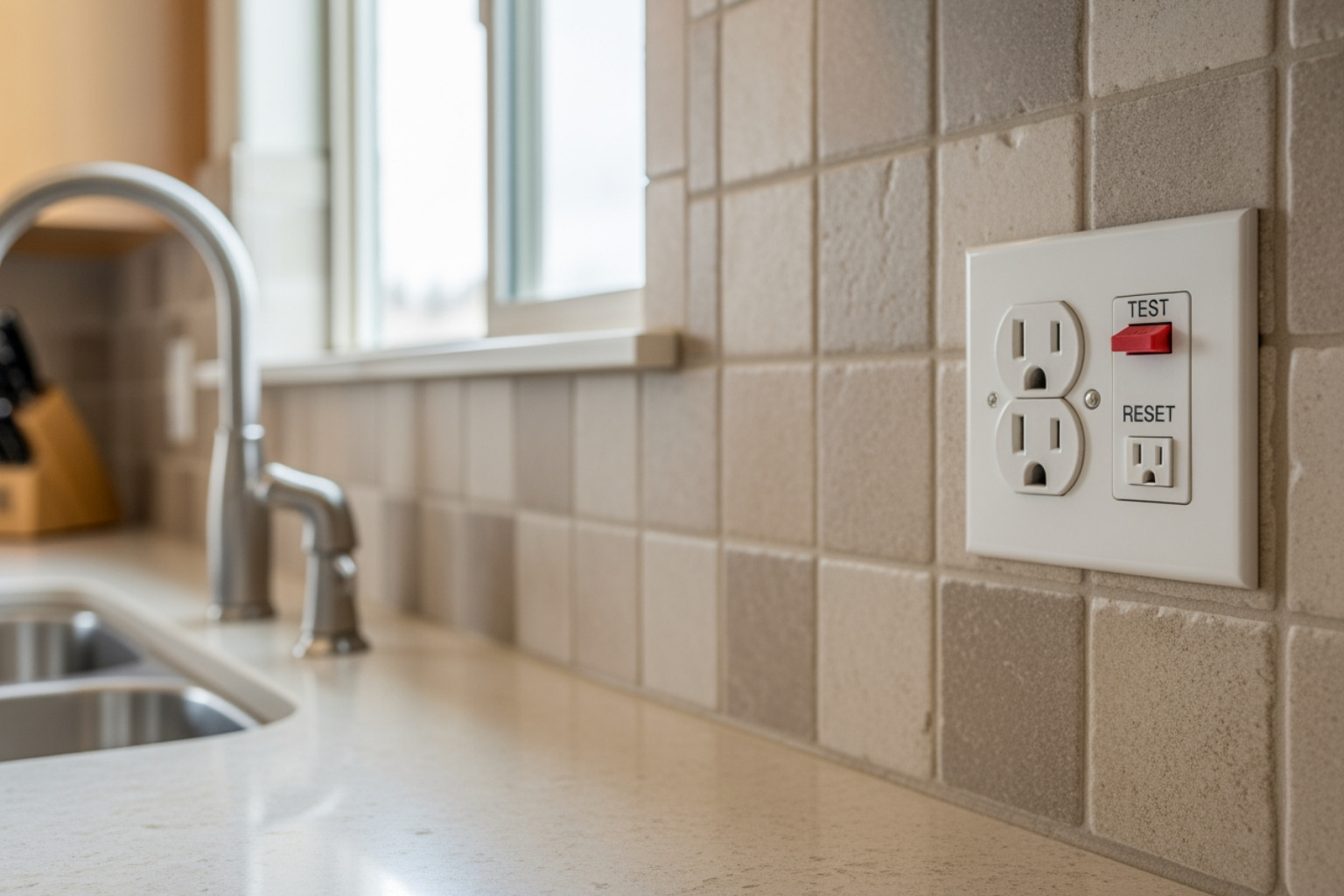
Article 422 goes into detail on several critical safety aspects for appliances. One of the most important is GFCI (Ground-Fault Circuit Interrupter) protection, especially for appliances that might be used near water or in damp locations. For example, NEC 422.5 specifies GFCI requirements for things like drinking water coolers, vending machines, and even high-pressure spray washing machines. The code also dictates where these GFCI devices should be located – they need to be readily accessible for testing and resetting. This means you shouldn’t have to move a heavy appliance or crawl into a tight space just to hit the “reset” button.
Another common area of confusion is the use of flexible cords for appliance connections. While convenience is nice, the NEC has strict rules under 422.16. Flexible cords are generally allowed only for specific types of appliances or where necessary for frequent interchange or to prevent the transmission of noise or vibration. There are also precise length requirements; for instance, a built-in dishwasher cord must be between 3 feet and 6.5 feet long, and an in-sink waste disposer cord between 18 and 36 inches. These lengths aren’t arbitrary; they’re designed to prevent cords from being stretched, damaged, or becoming tripping hazards. We see a lot of issues in older homes where cords are too long and bundled up, or too short and stretched, both of which can create a fire hazard.
For permanently connected appliances, especially larger ones, disconnecting means are essential. Sections 422.30 through 422.35 outline when and where a switch or breaker must be installed to safely cut power to the appliance. This disconnect often needs to be “within sight” of the appliance or capable of being locked in the open position. This way, anyone working on the appliance can be sure the power is off, preventing accidental energization. Imagine trying to service an oven without a clear way to shut off its power – that’s a dangerous situation we want to avoid.
Finally, branch circuit rating requirements are crucial. For appliances considered “continuous loads” (meaning they operate for three hours or more, like a fixed storage-type water heater of 120 gallons or less), the branch circuit must be sized at least 125% of the appliance’s marked ampere rating. This ensures the circuit can handle the prolonged electrical demand without overheating. This is a common requirement for things like electric water heaters or central heating systems, where the appliance runs for extended periods. It’s all about making sure the wires and breakers are robust enough for the job.
How Does Article 422 Interact with Other NEC® Rules for Motor-Operated Appliances?
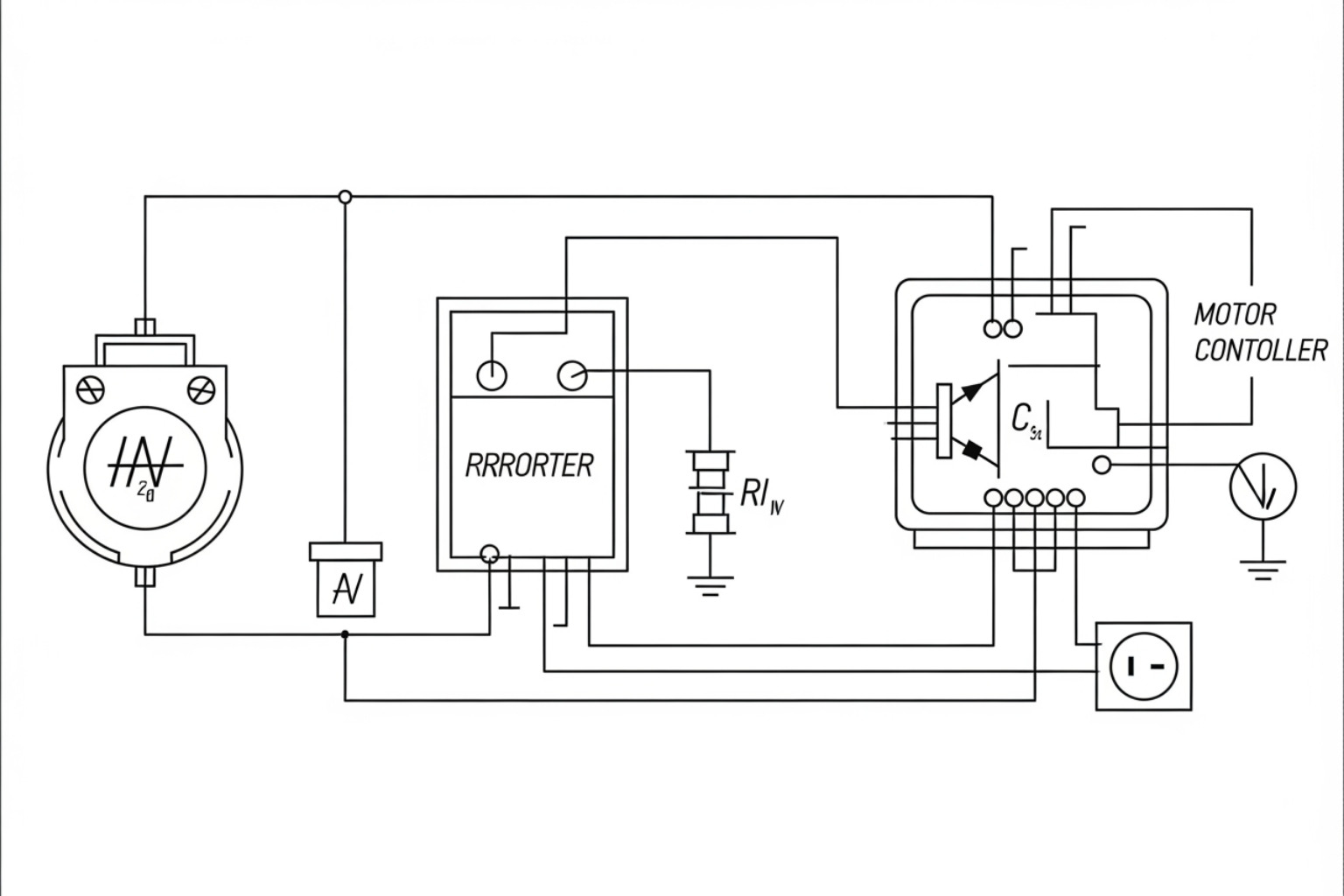
While Article 422 provides the general framework for appliances, many appliances contain motors or refrigeration equipment. For these, Article 422 often points to other specialized NEC® articles for more specific rules. It’s like having a general map (Article 422) that directs you to more specific, detailed maps (Articles 430 and 440) when you encounter certain types of terrain. This layered approach ensures that all components of an appliance, especially complex ones, are protected according to their unique operational characteristics.
For instance, if an appliance has a motor, you’ll also need to consult Article 430 (Motors, Motor Circuits, and Controllers). This article details how to properly size conductors, select overcurrent protection, and install disconnecting means specifically for motors. It’s a comprehensive guide that covers everything from small fan motors to large industrial machinery.
Similarly, for appliances containing hermetic refrigerant motor-compressors (like air conditioners or refrigerators), Article 440 (Air-Conditioning and Refrigerating Equipment) comes into play. Article 440 provides unique requirements for these types of equipment, including how to determine Minimum Circuit Ampacity (MCA) and Maximum Overcurrent Protection (MOCP) from the appliance’s nameplate. These values are crucial for ensuring the wiring and circuit breakers are correctly matched to the specific demands of the refrigeration unit.
When we’re installing a new HVAC system or a commercial refrigerator in the Denver Metro Area, we’re always cross-referencing these articles to make sure every detail is covered. This ensures not only compliance but also the long-term safety and efficiency of the equipment.
What Marking, Nameplate, and Overcurrent Protection Rules Apply to Appliances?
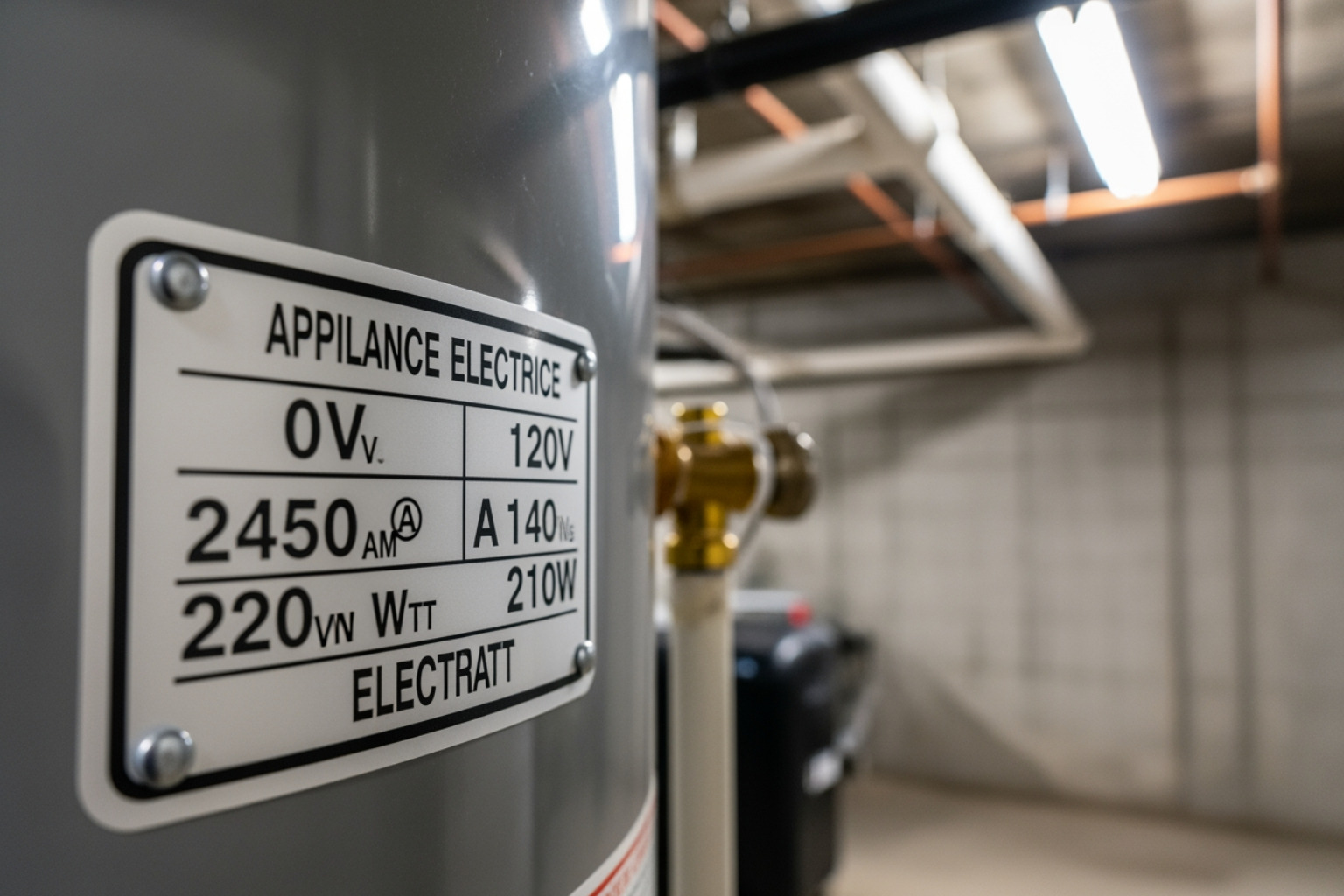
Article 422 also includes important requirements for marking and nameplates under Part V. These markings provide crucial information about the appliance’s electrical characteristics, such as voltage, amperage, and wattage. It’s vital that these nameplates are visible or easily accessible after the appliance is installed, as they guide electricians in proper wiring and troubleshooting. Without this information, it’s impossible to correctly size the circuit or ensure proper overcurrent protection.
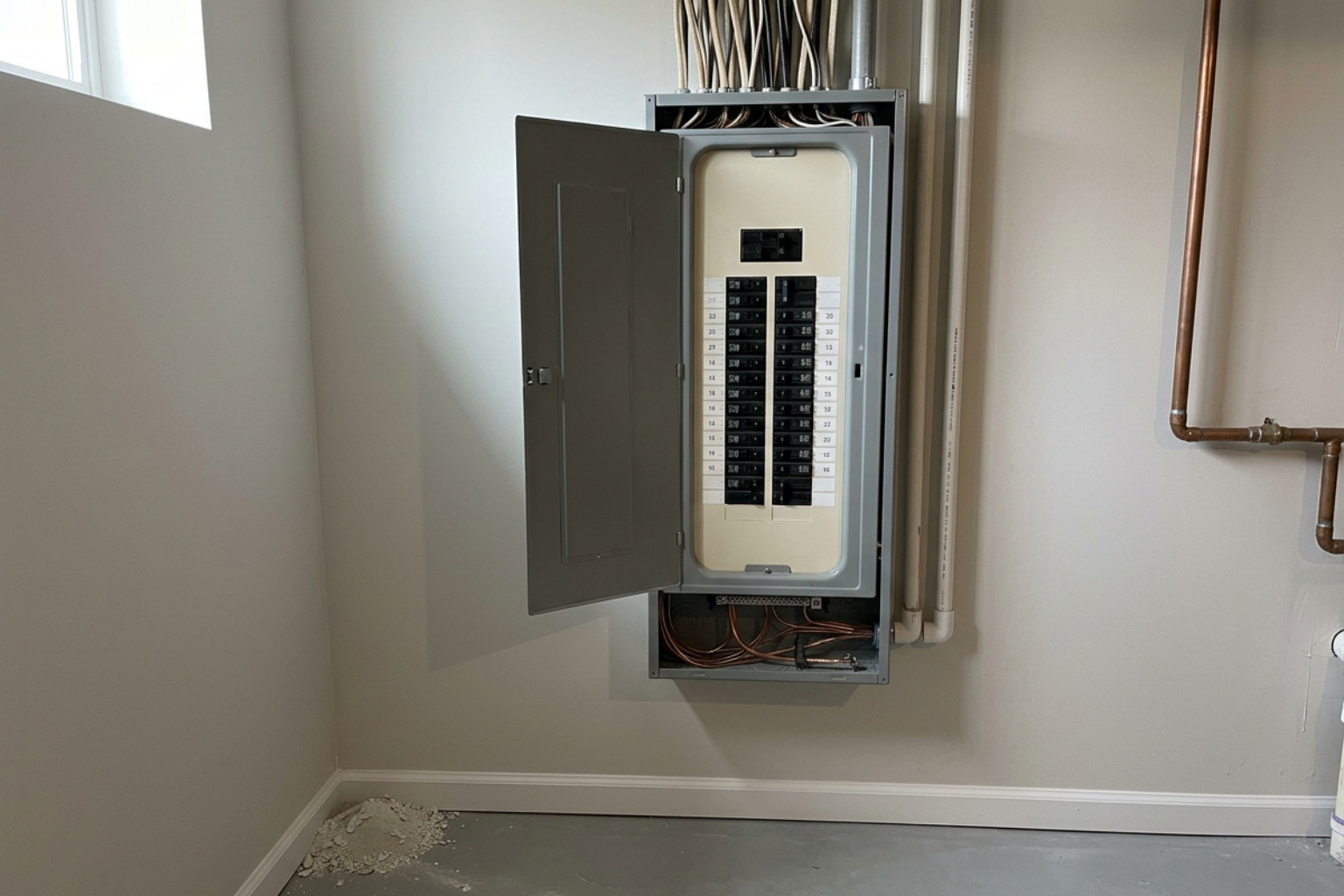
When it comes to overcurrent protection (422.11), Article 422 ensures that appliances are protected from excessive current that could cause damage or fire. This protection is typically provided by circuit breakers or fuses in your electrical panel. The code specifies how to size these protective devices based on the appliance’s rating, often allowing for the “next standard size” up if the exact rating isn’t available, but always within safe limits. This prevents a situation where a fault in the appliance could draw too much current and melt wires or start a fire.
There are also exceptions and special permissions within Article 422. For example, central heating equipment generally requires its own individual branch circuit, but there are exceptions for auxiliary equipment like humidifiers or pumps that can share that circuit. Ceiling fans also have specific rules regarding their support and wiring, ensuring they are securely mounted and won’t fall.
For specialized appliances like hot tubs, these rules become even more critical. Hot tubs require precise load calculations and dedicated sub-panels. Our deep experience as the preferred partner for Colorado Custom Spas means we understand the specific pull-draw of their latest models, ensuring your home’s panel can handle the new heat load without tripping breakers. This attention to detail, from nameplate data to proper overcurrent protection, is what keeps your home safe and ensures your spa operates efficiently.
Why Is Professional Installation Crucial for NEC® Appliance Compliance?
Navigating the National Electrical Code, especially Article 422 and its references to other articles, can be complex. What I usually see in Denver homes is that even seemingly simple appliance installations can have hidden complexities that only a trained eye can spot. Improper wiring, incorrect circuit sizing, or missing GFCI protection might not cause an immediate problem, but they create significant safety risks down the line. These can range from minor annoyances like frequently tripped breakers to serious hazards like electrical fires or shocks.
A professional electrician, like the team at Harmony Electric, understands these nuances. We ensure that every appliance installation meets the latest NEC® standards, as well as any local amendments specific to the Denver area. This means correctly interpreting nameplate data, sizing branch circuits and overcurrent protection, installing proper disconnecting means, and ensuring all required GFCI protection is in place and accessible. We take pride in our work, making sure every connection is solid and secure.
Beyond just meeting the code, professional installation ensures reliability and longevity for your appliances. We focus on doing the work right the first time, which is why we back select installations with a lifetime workmanship guarantee. When you choose a licensed and experienced electrician, you’re not just getting a working appliance; you’re getting peace of mind that your home and family are protected from electrical hazards.
Frequently Asked Questions about Appliance Electrical Rules
What is the difference between a “fastened in place” and a “permanently connected” appliance?
A “fastened in place” appliance is secured to a surface but might be cord-and-plug connected (like a wall-mounted microwave). This means you could theoretically unplug it and move it, even if it’s bolted down. A “permanently connected” appliance, on the other hand, is wired directly into the electrical system without a cord and plug (like a hardwired electric water heater or a built-in oven). Both fall under Article 422, but their specific installation rules, especially regarding disconnecting means, can differ.
Does Article 422 apply to all types of appliances, even small ones like toasters?
Yes, Article 422 generally applies to all electrical appliances. While small, cord-and-plug appliances like toasters have fewer installation requirements than a built-in oven, the article still covers general safety principles, such as requiring appliances to be “listed” (meaning they’ve been tested and meet safety standards by a recognized laboratory like UL). This listing ensures that even small appliances are manufactured to safe specifications.
How often does the NEC® update, and how does that affect appliance installations?
The National Electrical Code is updated every three years. The most recent edition is the 2023 NEC®, though local jurisdictions in May 2026 might still be operating under an earlier adopted version (like 2020 or 2017). These updates often introduce new safety requirements, such as expanded GFCI protection or revised rules for new technologies, which directly impact how appliances are installed. It’s our job as electricians to stay current with these changes to ensure your home or business in the Denver area is always up to the latest safety standards.
Conclusion
Understanding what NEC® Article covers the rules necessary for the installation of appliances is fundamental to electrical safety. Article 422 serves as the cornerstone, providing comprehensive guidelines for everything from GFCI protection and flexible cord lengths to disconnecting means and overcurrent protection. It’s a detailed roadmap designed to protect you, your family, and your property from electrical hazards.
While the code can seem daunting, the takeaway for homeowners is clear: always rely on qualified professionals for appliance installations. A licensed electrician, like those at Harmony Electric, has the expertise to navigate these complex rules, ensuring your appliances are installed safely, efficiently, and in full compliance with the latest standards. If you’re in the Denver area and planning a new appliance installation or need an inspection, don’t hesitate to reach out to Harmony Electric. We’re here to make sure your home’s electrical system is safe and reliable.