Is Your Home’s Wiring Trying to Tell You Something?
Electrical safety inspection is the process of systematically checking your home or building’s wiring, panels, outlets, and electrical components to identify hazards before they cause fires, shocks, or costly damage.
Here’s a quick look at what it covers:
| What Gets Checked | Why It Matters |
|---|---|
| Wiring condition | Damaged or aging wires are a leading cause of house fires |
| Electrical panel | Overloaded or faulty breakers can overheat and fail |
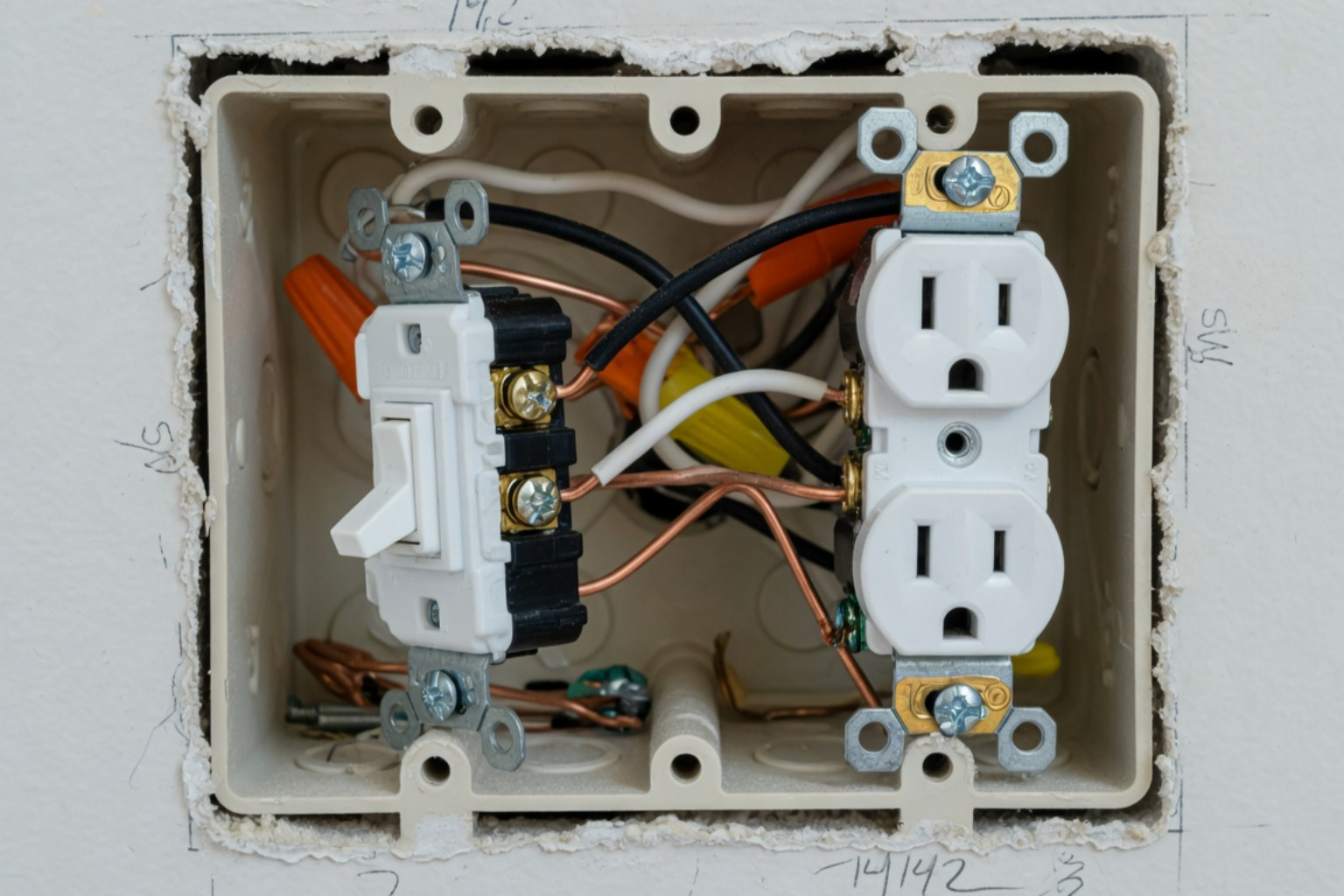
| Outlets and switches | Improper wiring causes shocks and short circuits |
| Grounding system | Protects people and devices from dangerous voltage spikes |
| GFCI and AFCI protection | Prevents electrocution in wet areas and arc-related fires |
Most inspections take a few hours. A licensed electrician visits your property, runs both visual checks and hands-on tests, and gives you a clear report of what’s safe, what needs attention, and what’s urgent.
What I usually see in Denver homes — especially those built before the 1990s — is that the electrical system looks fine on the surface. No visible damage, no obvious problems. But underneath, there are issues building quietly. Loose connections. Overloaded circuits. Panels that were never designed for today’s power demands.
That’s the thing about electrical hazards. Most of them are invisible.
According to research from electrical safety organizations, over half of accidental domestic fires have an electrical origin. That’s not a scare tactic — it’s just a reason to take a closer look at something most homeowners never think about until something goes wrong.
A proper electrical safety inspection finds those problems early, when fixing them is straightforward and affordable. Waiting until a breaker trips, a wire burns, or an outlet sparks? That’s when things get expensive — or dangerous.
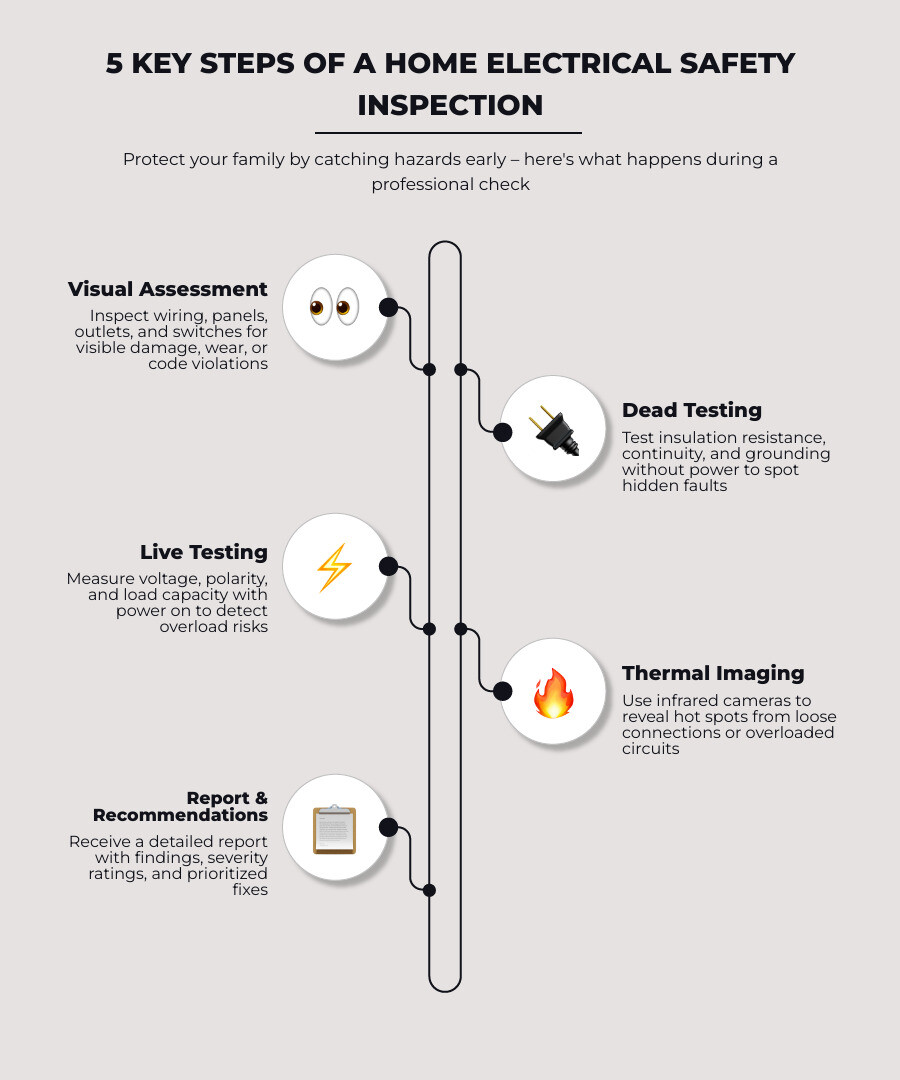
Quick electrical safety inspection definitions:
What Exactly is an Electrical Safety Inspection?
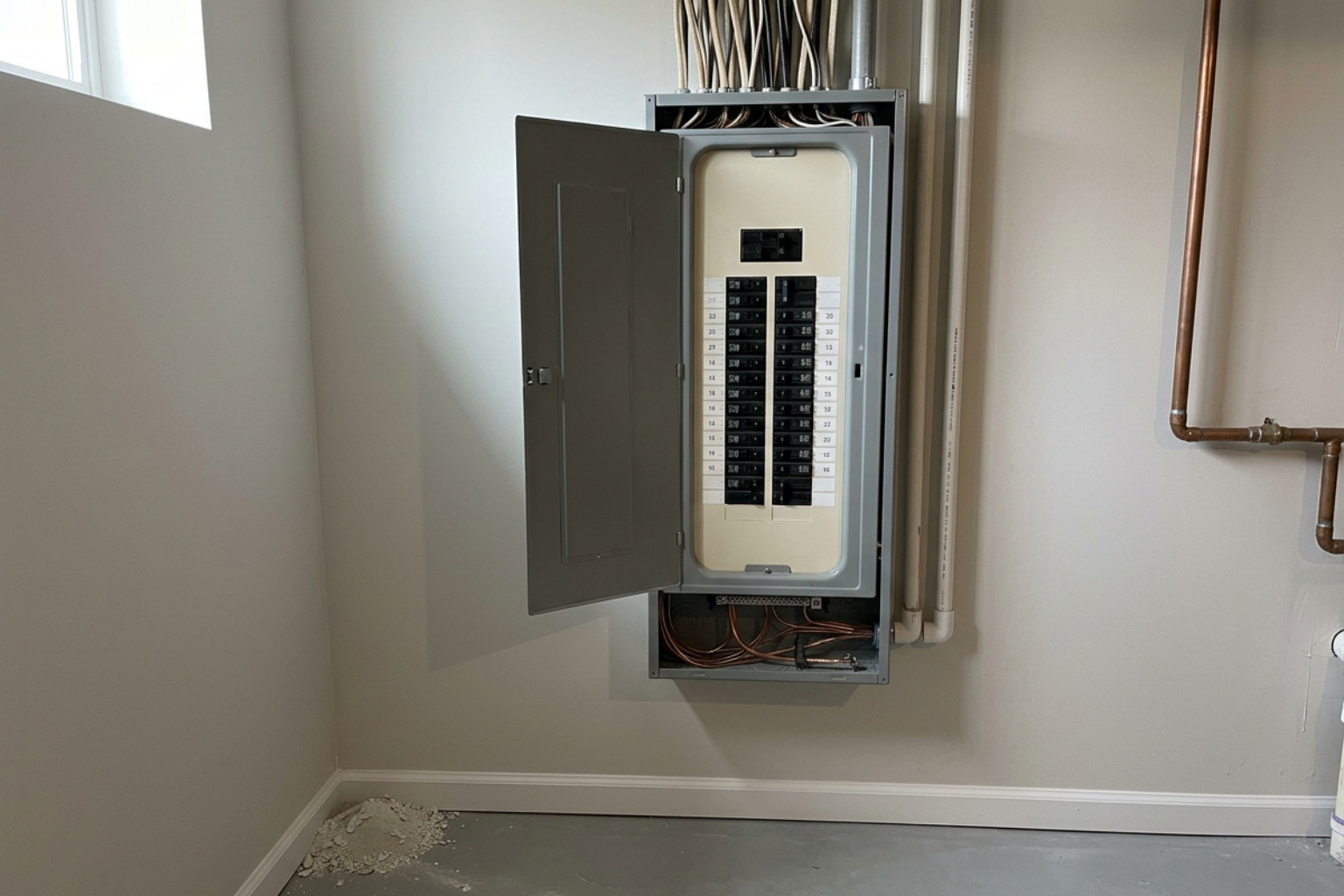
When we talk about an electrical safety inspection, we aren’t just looking to see if the lights turn on. It is a comprehensive health check for your entire electrical infrastructure. Think of it like a physical for your home. We start with a visual assessment, looking for things like signs your electrical panel is outdated, such as rust, scorch marks, or crowded wiring.
But we go much deeper than what the eye can see. A professional inspection follows National Electrical Code (NEC) standards to ensure every component meets modern safety requirements. We check the “heart” of the system—the panel—and trace the “veins”—the wiring—to every outlet and switch in the building.
The Difference Between an Inspection and an Audit
In the electrical world, we often use the terms “inspection” and “audit” differently. For most homeowners in places like Castle Rock or Highlands Ranch, a safety inspection is what you need. It’s a focused look at the residential system to ensure it’s safe for daily life.
An audit, however, is usually more common in industrial or large-scale commercial settings. These follow strict OSHA electrical safety standards, which are the standards for electrical equipment maintenance. An audit includes a deep dive into documentation, maintenance logs, and long-term safety protocols. While a home inspection keeps your family safe, an industrial audit keeps a factory from shutting down and ensures compliance with workplace safety laws.
Why We Use Infrared Thermography
One of the coolest tools in our kit is the thermal imaging camera. Since we can’t see through walls, we use infrared thermography to detect “hot spots.”
Electrical problems almost always generate heat before they cause a fire. If a breaker is overloaded or a wire connection is loose, it will glow bright yellow or red on our camera. This non-destructive testing allows us to find a fire hazard hidden behind your drywall without having to tear anything apart. It’s the best way to prevent unexpected downtime or a dangerous short circuit.
Why Regular Electrical Safety Inspections Matter for Your Property
The most sobering statistic in our industry is that a significant portion of domestic fires have electrical origins. In the Denver Metro area, many of our historic homes and even some newer builds have hidden defects that put families at risk.
Beyond fire prevention, regular checks ensure your grounding system is actually working to prevent shocks. If you own a rental property, electrical maintenance for rental properties isn’t just a good idea—it’s often a legal requirement to ensure the tenant’s safety and protect your investment. Plus, many insurance companies now require proof of a recent electrical safety inspection before they will renew a policy on an older home.
Common Hazards Found During an Electrical Safety Inspection
Most homeowners are surprised to learn what’s actually going on inside their walls. Some of the most common signs of an outdated electrical panel or system include:
- Double-Tapping: This is when two wires are shoved into a breaker designed for only one. It leads to loose connections and overheating.
- Aluminum Wiring: Common in homes built in the late 60s and early 70s, this wiring expands and contracts more than copper, which can lead to fire-starting gaps at outlets.
- Outdated Panels: We keep a close eye out for FPE and Zinsco panel risks. These specific brands are famous for failing to trip during a surge, which is a major fire hazard.
- Overloaded Circuits: With all our modern gadgets, older circuits often carry more “load” than they were ever meant to handle.
Protecting Your Family from Shocks
A major part of our job is making sure your “safety nets” are in place. This means checking for Ground Fault Circuit Interrupter (GFCI) protection in wet areas like kitchens and bathrooms. These outlets are designed to snap off in a fraction of a second if they detect a current leak, preventing electrocution.
We also look for Arc Fault Circuit Interrupter (AFCI) breakers. While GFCIs prevent shocks, AFCIs prevent fires by detecting the “sparking” (arcing) that happens when a wire is damaged or frayed. In Denver homes with kids, we also recommend child-safe, tamper-resistant outlets to keep little fingers safe.
What to Expect During the Inspection Process
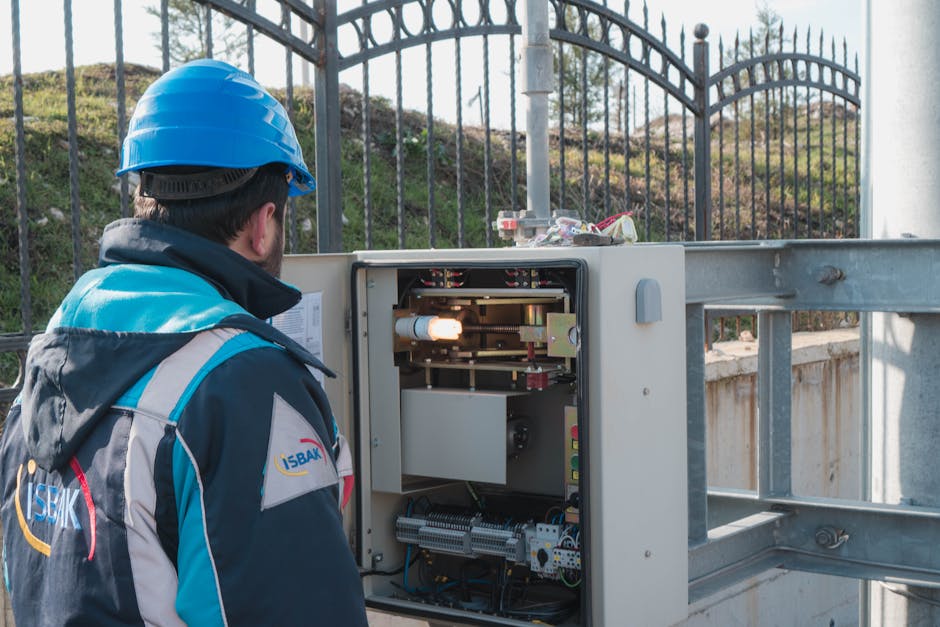
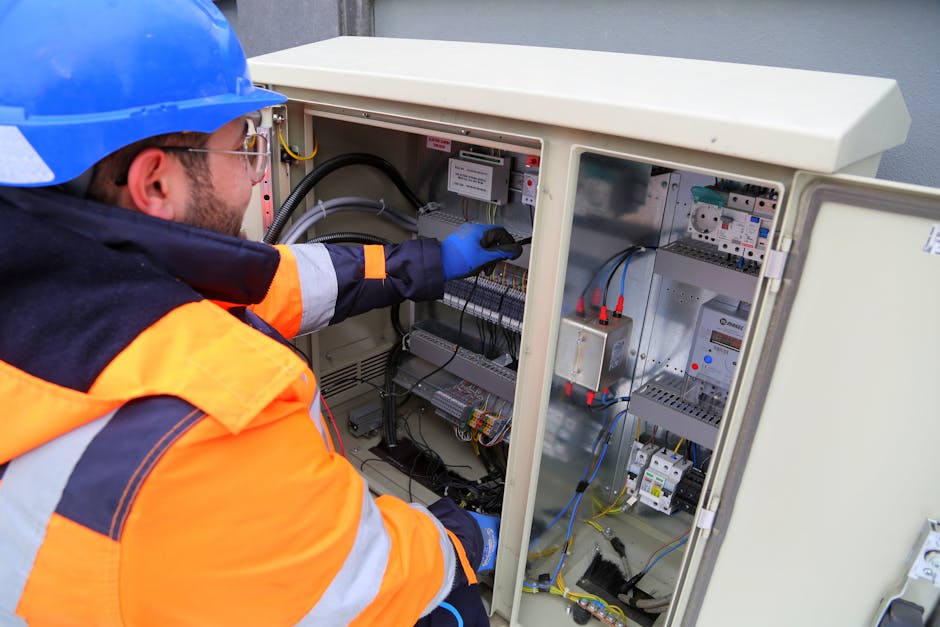
When we arrive at your home in Parker or Lone Tree, we don’t just start poking around. We have a specific rhythm to our work. It starts with an inside an electric panel guide check, where we remove the cover to inspect the bus bars and wire terminations.
We perform “dead testing” (with the power off) to check the integrity of the insulation and “live testing” (with the power on) to see how the system behaves under load. We use a multimeter to verify that you’re getting the right voltage and that your grounding system is actually connected to the earth.
Specialized Electrical Safety Inspection Tests
For more complex systems or commercial buildings, we perform specialized tests that go beyond the basics:
- Insulation Resistance: We use a “Megger” to push a high voltage through the wires to see if the plastic coating is breaking down.
- Earth Continuity: We verify that every metal part of your system is properly bonded to the ground.
- Polarity Checks: We make sure the “hot” and “neutral” wires aren’t swapped, which is a common DIY mistake that can make appliances dangerous to touch.
- Hipot Testing: Often used in industrial settings, this “high potential” test stresses the insulation to its limits to ensure it won’t fail under pressure, following OSHA electrical safety standards.
Understanding the Final Report
Once we finish, you won’t just get a “thumb’s up.” You’ll receive a detailed report. This report categorizes findings by severity. “Urgent” items are things like an active fire risk or an ungrounded system that need immediate repair. “Recommendations” might include things like upgrading to LED lighting or adding more outlets to prevent the use of extension cords. This report serves as your roadmap for future maintenance and a clean bill of health for your insurance company.
Timing and Costs: When and How Much?
One of the most common questions I get is, “How often do I need to do this?” The answer depends on what you’re using the building for.
| Property Type | Recommended Frequency |
|---|---|
| Residential (Owner-Occupied) | Every 3-5 years (or when buying/selling) |
| Rental Properties | Every 5 years or at tenant changeover |
| Commercial Buildings | Every 1-3 years depending on use |
| Industrial Facilities | Annually (per NFPA 70B) |
If you’re wondering how often commercial systems need inspection in the Denver area, it really comes down to the type of equipment you’re running. A quiet office needs less frequent checks than a machine shop.
Factors Influencing the Price of an Electrical Safety Inspection
The cost of an electrical safety inspection isn’t one-size-fits-all. Several factors play into the final price:
- Property Size: A 5,000-square-foot home in Castle Pines takes longer to inspect than a 1,000-square-foot bungalow in Denver.
- Circuit Count: The more breakers you have, the more points we have to test.
- Age of the Home: Older homes often require more careful “investigative” work to understand previous DIY repairs.
- Reporting Detail: A basic visual check is cheaper than a full written report with thermal imaging photos.
Understanding the panel replacement vs repair options after an inspection is key. Sometimes, a simple understanding of electrical panel upgrades can save you thousands compared to a full rewiring.
When to Call for a Special Inspection
Sometimes you shouldn’t wait for your scheduled check-up. You should call us if:
- You’re buying a home: Don’t rely solely on a general home inspector; they often miss deep electrical issues.
- After a major storm: Power surges or lightning strikes can “cook” your surge protectors and damage wire insulation.
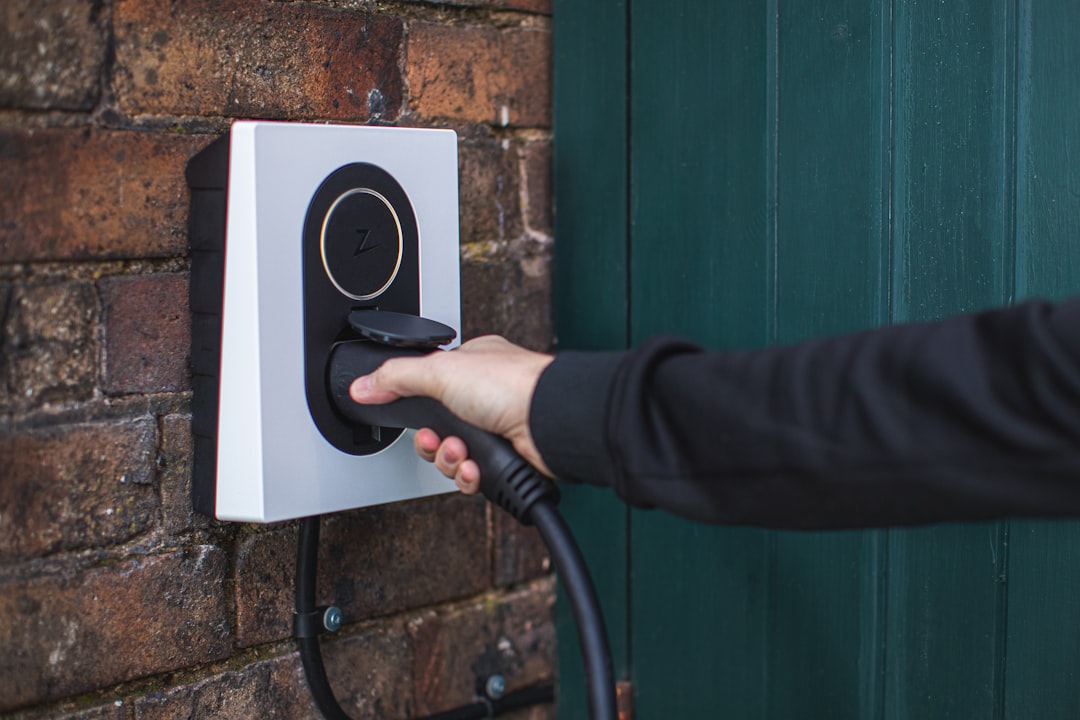
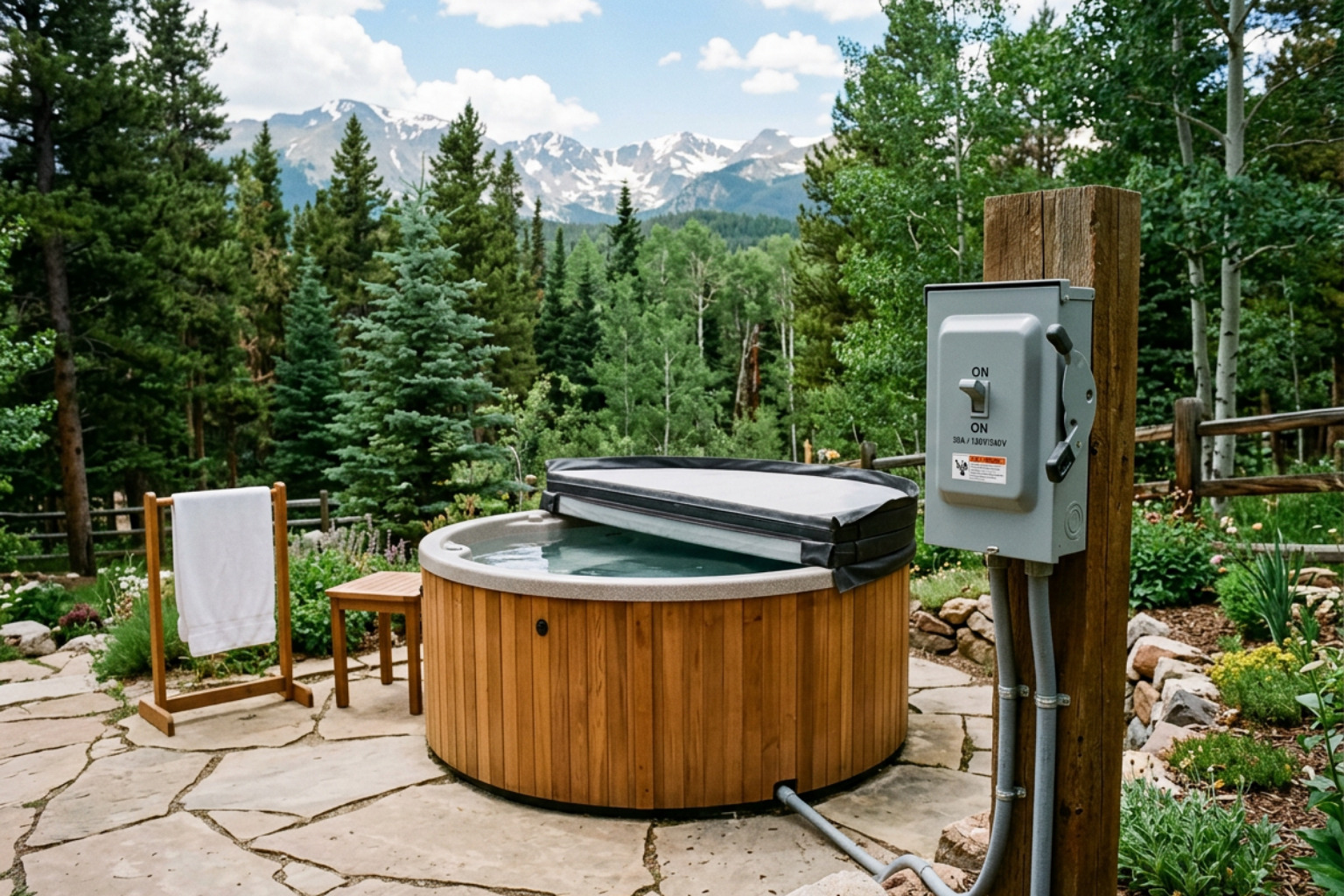
- Adding high-draw items: If you’re adding a hot tub or an EV charger, your system needs to be checked to ensure it can handle the extra load.
- Flickering lights: If your lights dim when the AC kicks on, your panel is likely struggling.
Frequently Asked Questions
How should I prepare for my inspection?
To make the process go smoothly, I always tell folks to make sure we have clear access to the electrical panel. If it’s buried behind boxes in the garage, we’ll spend half the time moving your stuff! Also, try to identify which breakers go to which rooms if they aren’t labeled. Lastly, preparing for your inspection involves securing your pets—we’ll be moving in and out of different rooms and opening the panel, so we want to keep your furry friends safe.
Who is qualified to perform these checks?
You should only hire a licensed electrician—ideally a Master Electrician—to perform an electrical safety inspection. General handymen or home inspectors usually don’t have the specialized testing equipment (like thermal cameras or insulation testers) or the deep knowledge of local Denver codes to give you a truly accurate assessment.
How long does a typical inspection take?
For a standard three-bedroom home in Centennial or Highlands Ranch, you’re usually looking at about 2 to 4 hours. Larger commercial properties can take a full day or more, depending on the number of circuits and the complexity of the machinery involved.
Keeping Your Denver Home or Business Safe
At Harmony Electric, we believe in doing the work right the first time. Whether I’m personally looking at your panel or one of our experienced team members is handling the job, we focus on clear communication and honest recommendations. We aren’t here to upsell you on things you don’t need; we’re here to make sure your lights stay on and your family stays safe.
If you’re worried about an old panel, thinking about a remodel, or just want the peace of mind that comes with a professional residential electrical safety check, we’re here to help. We serve the entire Denver Metro area, from Castle Rock up to the city center, with the same respect and quality we’d want in our own homes.
Schedule your safety check today and let’s make sure your home is as safe as it can be.