Why New Construction Wiring Matters More Than You Think
New construction wiring is the electrical backbone of your home—it powers everything from your morning coffee to your evening Netflix binge. But it’s also the one part of your house you’ll never see once the drywall goes up. That’s why getting it right from the start matters so much.
What new construction wiring includes:
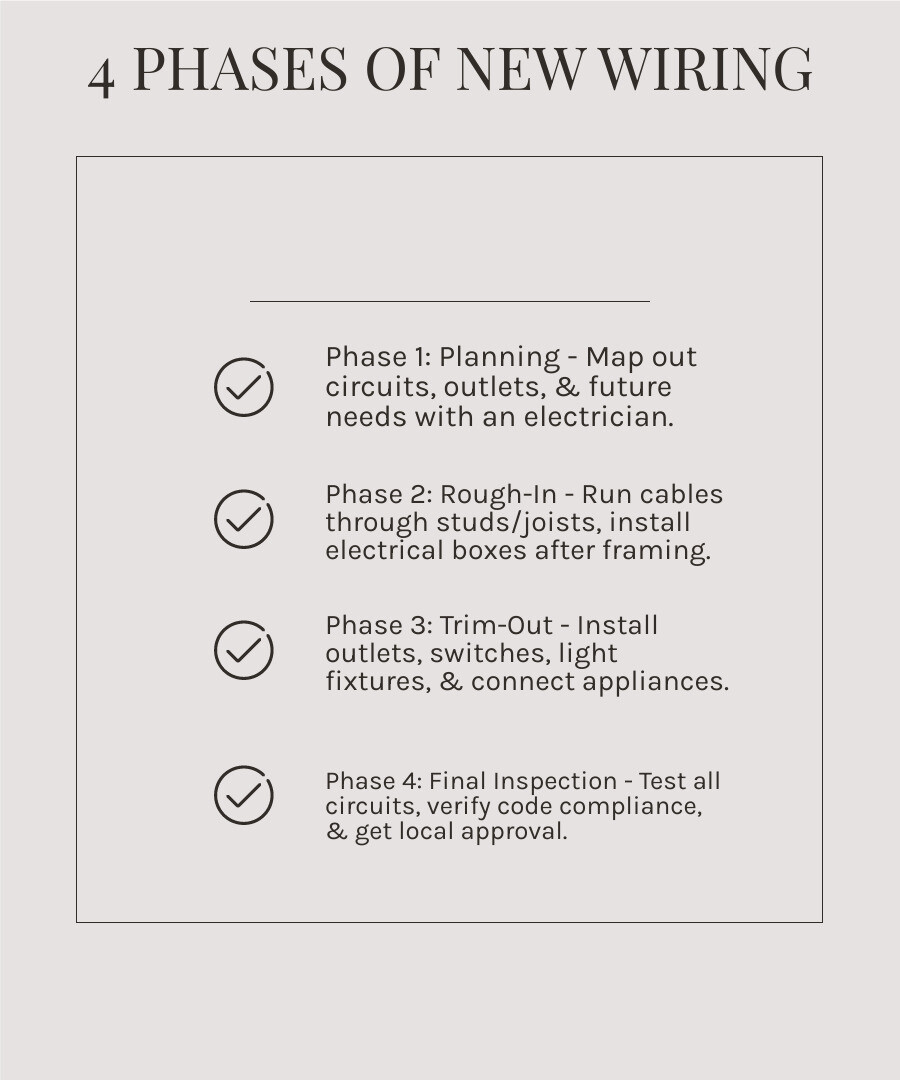
- Planning phase – Mapping out outlets, switches, circuits, and future needs before walls go up
- Rough-in wiring – Running cables through studs and joists after framing is complete
- Main electrical panel installation – Setting up your home’s power distribution hub (usually 200 amps)
- Trim-out phase – Installing outlets, switches, fixtures, and appliances
- Inspections and testing – Making sure everything meets code and works safely
When I started Harmony Electric, I noticed a lot of folks building new homes didn’t realize how much thought should go into the electrical system. They’d focus on paint colors and countertops—understandable—but then realize too late that they needed more outlets in the kitchen or wished they’d planned for an EV charger in the garage.
The good news? If you’re building new, you have a clean slate. You can plan for the life you want to live in your home, not just what’s required by code.
Modern homes use way more electricity than they did even ten years ago. We’re charging phones, tablets, and laptops. Running smart thermostats and security cameras. Maybe planning for an electric car. A well-designed electrical system handles all of that without breaking a sweat—and leaves room for whatever comes next.
In the Denver area, I see a lot of homeowners who want to future-proof their electrical systems. They’re thinking about solar panels, backup batteries, or whole-home generators. Starting with a solid wiring plan makes all of that easier and more affordable down the road.
The First Step: Planning Your Home’s Electrical System
Building a new home is exciting, and there are countless decisions to make. But before the walls go up, it’s crucial to sit down and map out your home’s electrical system with a professional. This isn’t just about putting outlets where they’re needed today; it’s about anticipating how you’ll live in your home for years to come.
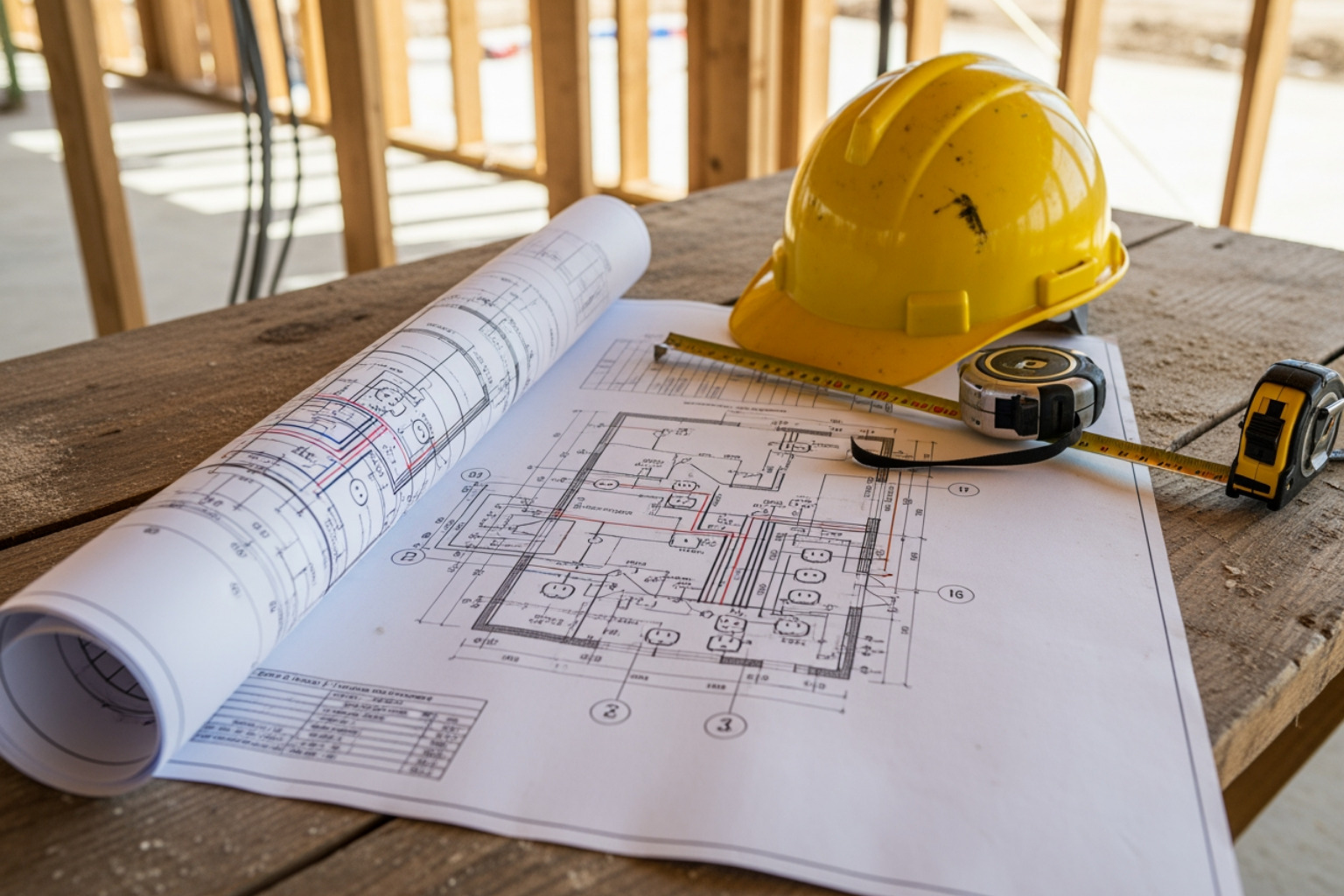
When we work with homeowners in Denver, Castle Rock, or Highlands Ranch, we often start by asking about their lifestyle. Do you cook a lot? Have a home office? Love a good movie night? These questions help us design an electrical layout that truly supports your needs. Planning ahead like this is why professional planning and collaboration with electricians are so crucial for new construction wiring. It helps us avoid costly changes later and ensures the system is custom to you.
We want to make sure your home’s electrical system is safe, efficient, and ready for anything. That’s why we focus on delivering quality Residential Electrician Services right from the blueprint stage.
Building a Smart Electrical Plan
A smart electrical plan considers both your current needs and potential future desires. Think about it: where will your TV go? What about your computer? Will you have a smart speaker in every room?
Here are some key considerations for planning the electrical layout of a new home:
- What you need now vs. what you might want later: It’s tempting to only plan for what you know you need, but a little foresight goes a long way. Maybe you don’t need a dedicated circuit for a sauna today, but if it’s a possibility, we can plan for it.
- Outlets in the right places: This might seem obvious, but we’ve all lived in homes where an outlet is just out of reach. In kitchens, for example, the National Electrical Code (NEC) requires receptacles every 4 feet along countertops. We also need to think about floor outlets in living rooms or specific placements in home offices.
- Dedicated circuits for big appliances: Major appliances like ovens, refrigerators, washing machines, and dryers need their own circuits. This prevents overloading and keeps everything running smoothly.
- Planning for the right number of lights and switches: Good lighting can transform a space. We’ll help you plan for ambient, task, and accent lighting, along with convenient switch placements, including dimmers or smart switches.
- Making sure the system can handle the load: Modern homes are power hungry. We calculate the total electrical load to ensure your main panel and circuits can comfortably handle all your devices and appliances.
- General Wiring Guidelines can offer more insights into these requirements.
Wiring for the Future
The world of technology moves fast, and your home’s electrical system should be ready to keep up. Future-proofing your electrical system is a growing trend, and it’s something we highly recommend for any new build in Centennial, Parker, or Castle Pines.
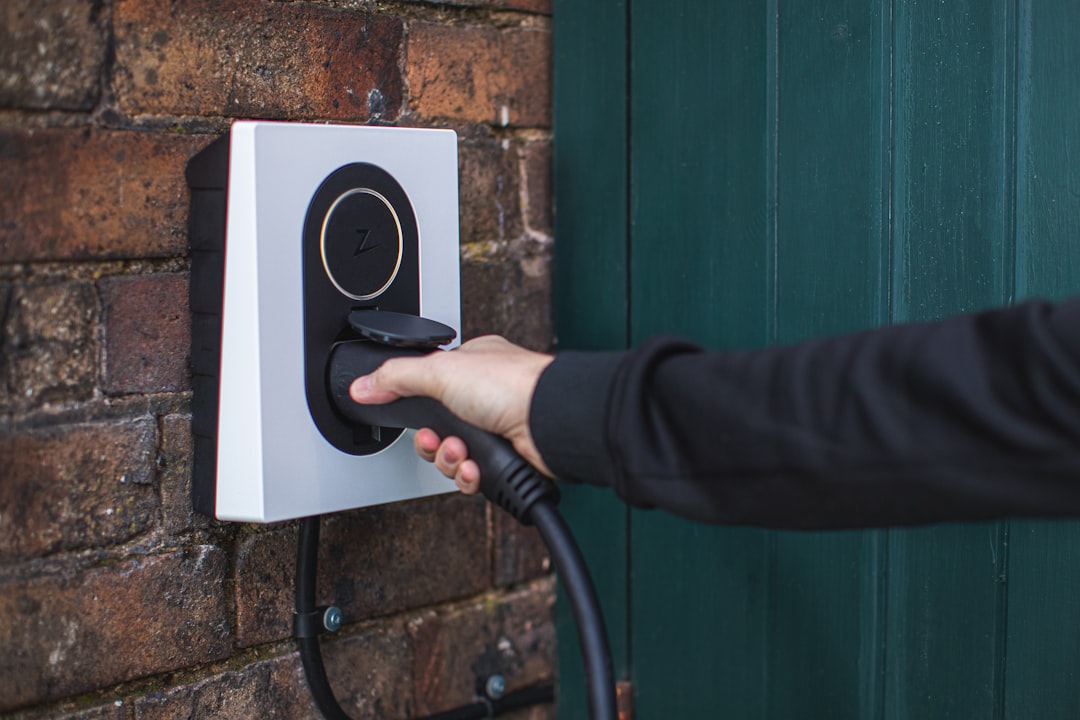
- Ready for an EV charger down the road: Even if you don’t own an electric vehicle today, having the wiring run for a 240-volt EV charger in your garage is a smart move. It adds value and convenience for future you, or a future homeowner.
- Pre-wiring for smart home features: Things like smart lighting, automated blinds, or security cameras often benefit from dedicated wiring. Running these cables during construction is much easier and cleaner than trying to add them later.
- Making space in the panel for future upgrades: We often suggest installing a main electrical panel with extra capacity. While a 200-amp service is common, some larger homes or those with all-electric appliances might opt for 300- or 400-amp service. Having extra circuit breaker slots means you won’t need a costly panel upgrade just to add a new circuit later.
- Planning for solar panel hookups: If you’re considering solar energy in the future, we can incorporate the necessary conduit and wiring pathways now, making installation simpler when you’re ready.
Thinking about these possibilities now can save you significant time and money later. It’s all part of our approach to Electrical Repairs and Upgrades.
How New Construction Wiring Comes Together
Once the plans are set, the actual work begins. The new construction wiring process happens in distinct phases, each crucial for the safety and functionality of your home. This includes obtaining permits, the “rough-in” phase, installing the main electrical panel, the “trim-out” phase, and rigorous inspections.
Rough-In: The Electrical Framework
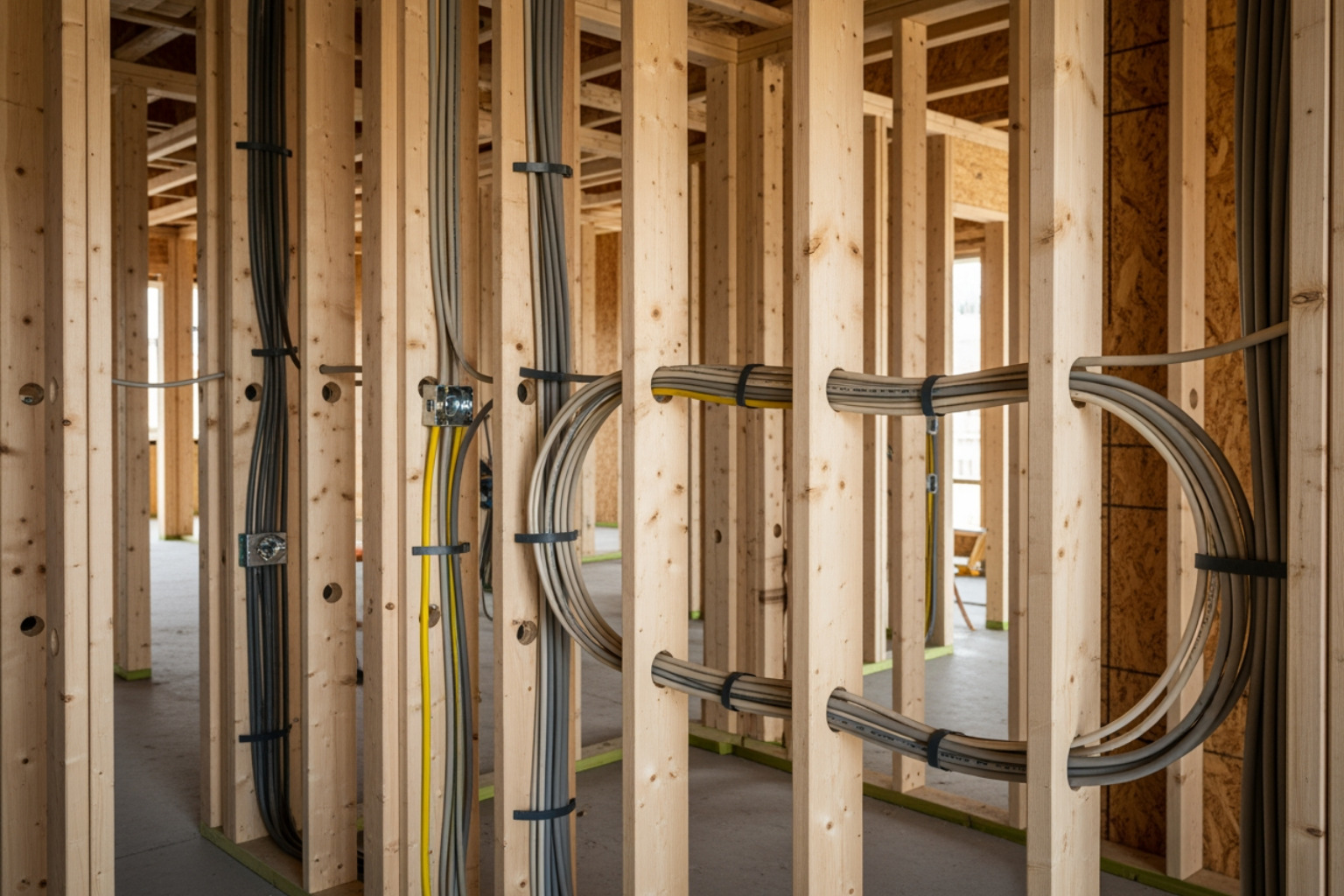
The rough-in wiring phase is where the skeleton of your electrical system comes to life. This happens after the framing of your home is complete but before any drywall goes up. It’s a critical stage because it’s the last time we’ll see the inner workings of your walls.
Here’s what happens during rough-in:
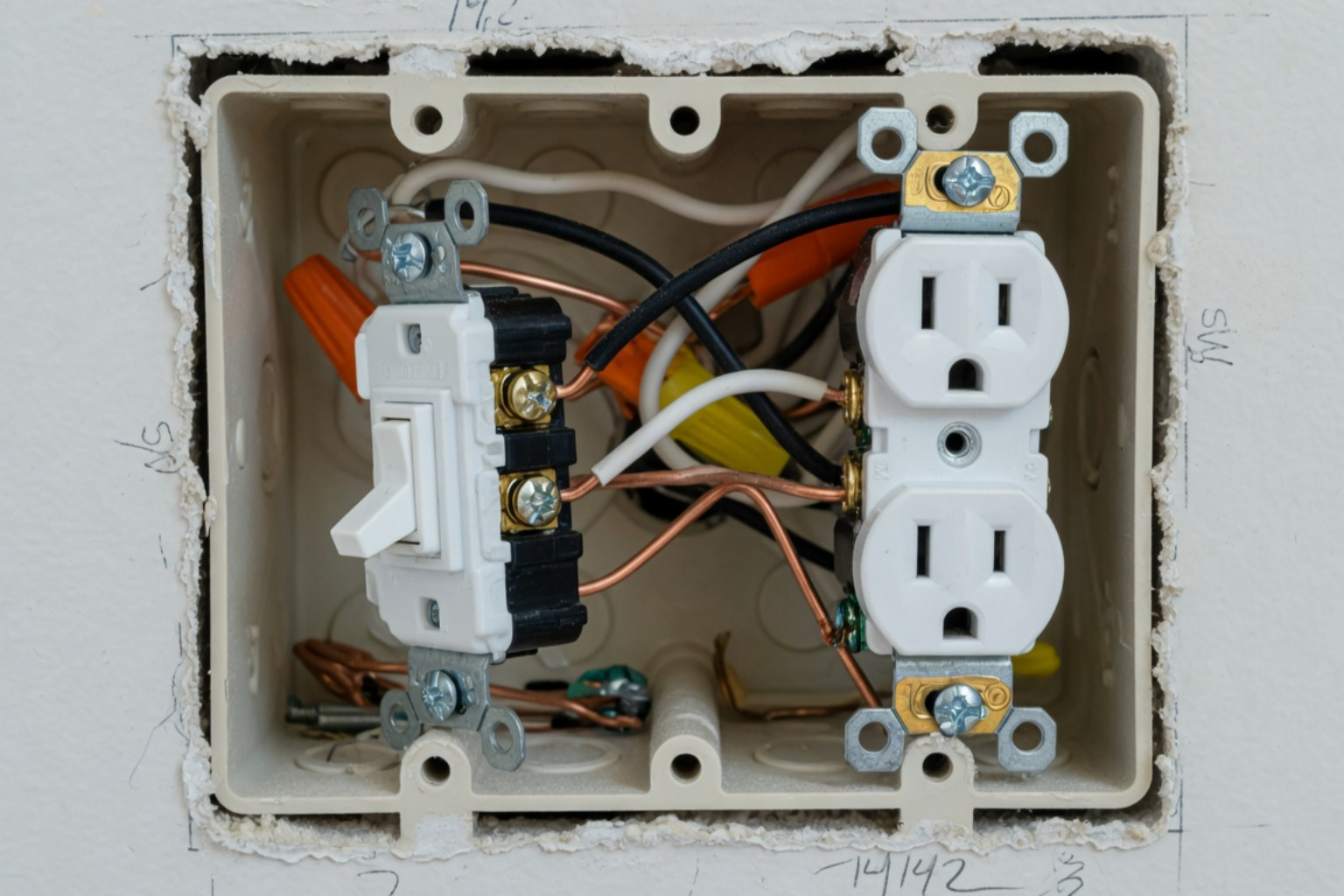
- Placing electrical boxes: We install all the electrical boxes for your outlets, switches, and light fixtures according to your electrical plan. These boxes hold the wiring connections and devices.
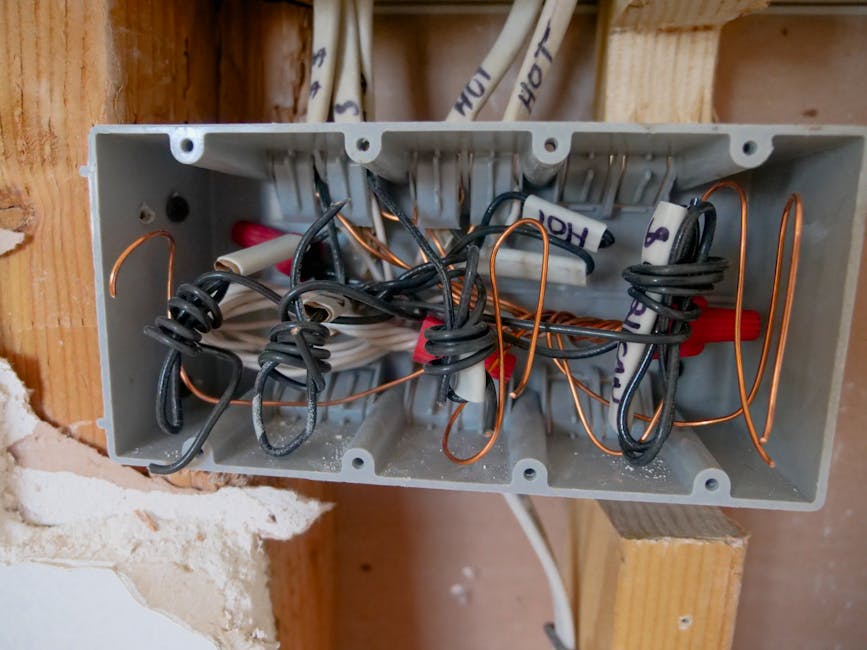
- Running cable: This is where we run the electrical cable (often called Romex in residential settings) through the studs and joists from the main electrical panel to each of the electrical boxes. For instance, a standard 15-amp circuit might use 14-gauge wire, while a 50-amp electric range would require thicker 6-gauge wire. We drill ¾-inch holes through studs and joists to pass the cables through, making sure to keep them neat and protected.
- Keeping wires neat and protected: Cables are secured with staples or straps every 4 ½ feet and must be within a certain distance of each electrical box. We also use metal plates to protect cables where they run too close to the edge of a stud or joist, preventing accidental nail or screw punctures later.
- How to Route Electrical Cable in New Construction goes into more detail on these techniques.
It’s a lot of careful work, but it’s essential for a safe and reliable electrical system.
The Main Electrical Panel: Your Home’s Power Hub
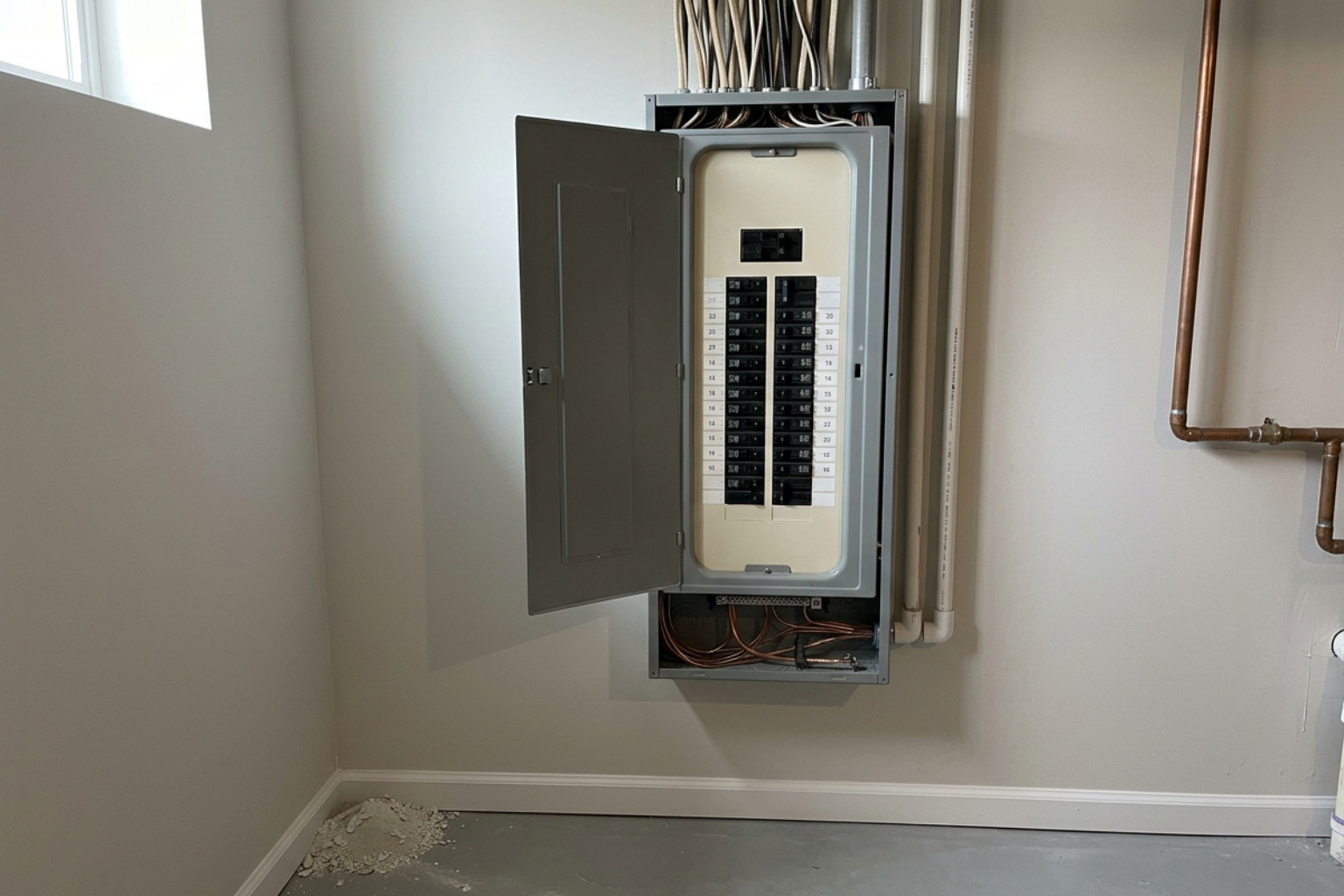
The main electrical panel, often called the breaker box or service panel, is the heart of your home’s electrical system. It’s where electricity from the utility company enters your house and is then distributed to all the different circuits.
- What the breaker box does: Inside the panel are circuit breakers. Each breaker protects a specific circuit, controlling the flow of electricity to different parts of your home. If a circuit becomes overloaded or there’s a short, the breaker “trips,” cutting power to that circuit to prevent damage or fire.
- Why most new homes use a 200-amp panel: In the Denver area, 200-amp service is typically the standard minimum for new homes. This capacity is usually sufficient for modern electrical demands, though larger homes or those with many high-demand electric appliances might benefit from a 300- or even 400-amp service.
- Picking a good spot for the panel: We install the electrical panel in an accessible, dry, and well-ventilated location, often in a garage or utility room. The NEC specifies clear working space requirements around the panel (30 inches wide and 3 feet deep) to ensure safe access for maintenance.
- Making sure everything is grounded and labeled: Proper grounding is critical for safety. We ensure the panel is correctly grounded, and each circuit breaker is clearly labeled with the area or appliances it serves. This makes it easy to identify and switch off power to specific areas if needed.
Trim-Out: The Finishing Touches
After the rough-in is complete and the walls are closed up with drywall, we move to the trim-out phase. This is when your electrical system really starts to look like a finished home.
- Installing outlets, switches, and light fixtures: We install all the visible electrical components—the outlets you’ll plug into, the light switches that control your lighting, and the actual light fixtures themselves. We take care to ensure everything is level, flush, and aesthetically pleasing.
- Hooking up appliances: This includes connecting the wiring for your major appliances like ranges, dishwashers, and clothes dryers.
- Testing everything to make sure it works right: Once everything is installed, we conduct thorough testing of the entire electrical system. This includes checking for proper voltage, grounding, and the functionality of all outlets, switches, and fixtures. We also test safety devices like GFCI and AFCI breakers to ensure they respond correctly. This final inspection is vital to guarantee safety and functionality.
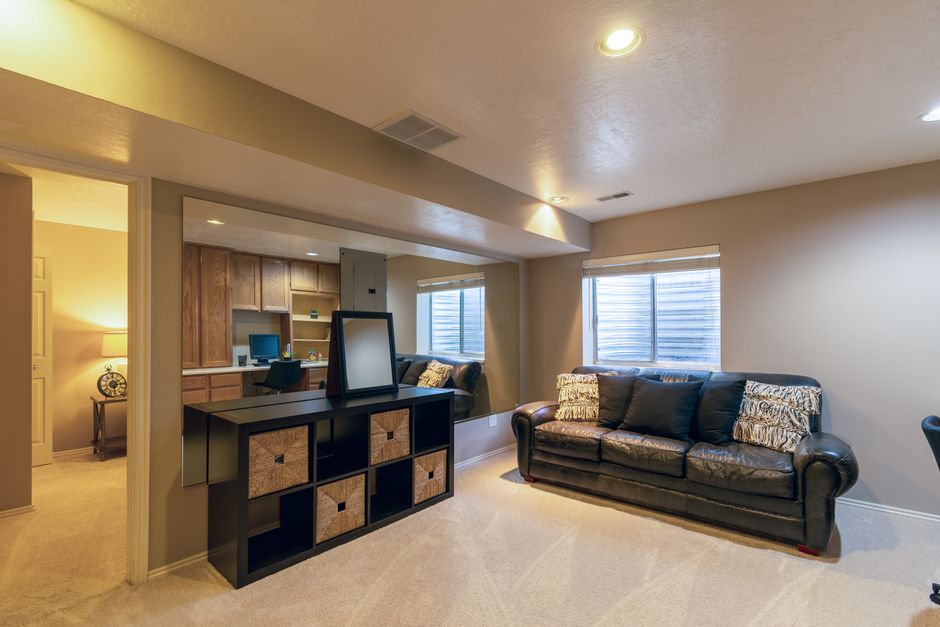
If you’re finishing a basement, the same careful steps apply. You can see some of our work on a Harmony Electric Basement Finish Out.
Safety First: Codes, Inspections, and Protection
Electrical work isn’t something to guess at. It’s about protecting your home and family. That’s why strict safety requirements, permits, and inspections are built into the new construction wiring process.
All electrical installations in our service areas, including Denver, Aurora, and Lone Tree, must meet the standards of the National Electrical Code (NEC). The NEC, published by the National Fire Protection Association (NFPA), is updated every three years (the current version is the 2023 NEC) to keep up with new technology and safety practices. It’s a comprehensive guide, over 1,000 pages long, designed to prevent electrical fires and shocks.
GFCI and AFCI: What They Are and Why They Matter
Two of the most important safety features in modern electrical systems are Ground Fault Circuit Interrupters (GFCIs) and Arc Fault Circuit Interrupters (AFCIs). These devices are like vigilant guardians for your electrical circuits.
- GFCI (Ground Fault Circuit Interrupter): This protects against electric shock. GFCIs are typically required for outlets in wet or damp locations where there’s a higher risk of contact with water. Think bathrooms, kitchens, garages, outdoor areas, unfinished basements, and even within 6 feet of bathtubs or sinks. If a GFCI detects an imbalance in the electrical current – a “ground fault” – it quickly trips, cutting off power in milliseconds.
- AFCI (Arc Fault Circuit Interrupter): This helps prevent electrical fires. AFCIs detect dangerous electrical arcs (like sparks) that can happen when wires are damaged or connections are loose. These arcs can generate enough heat to ignite insulation or nearby materials. AFCIs are increasingly required in most of a home’s living spaces, including bedrooms, living rooms, family rooms, dining rooms, and even kitchens and laundry rooms, to provide an extra layer of fire protection.
These devices are mandated by the NEC and local codes to ensure the highest safety standards in your new home. For more detailed information, you can check State-by-state requirements for AFCI and GFCI, keeping in mind that local jurisdictions often adopt the latest NEC versions.
Beyond the Basics: Low-Voltage and Smart Home Wiring
When we talk about new construction wiring, most people think about the standard 120-volt outlets and light switches. But a modern home also relies heavily on “low-voltage wiring” for all its smart features and connectivity. This is a whole different ballgame from your typical electrical wiring, and it’s essential for a truly connected home.
Low-voltage wiring typically carries 50 volts or less, compared to the 120 or 240 volts of standard electrical wiring. It’s the nervous system of your smart home, powering things like:
- Home security systems
- Home theaters and sound systems
- Internet networks
- Smart thermostats and lighting controls
- Doorbells and intercoms
Modern homes often require more complex wiring to support all this technology. If you’re looking to future-proof your home with smart technology, integrating low-voltage wiring during construction is key. It’s much easier to run these cables through open walls than to try and retrofit them later. We also help with Home Rewiring Colorado projects, but new construction is the ideal time to get it right.
Planning for a Connected Home
A connected home is a comfortable home, and it starts with a solid low-voltage wiring plan.
- Cat6A Ethernet for future-proofing: While Wi-Fi is great, nothing beats a wired connection for speed and reliability. We recommend Cat6A Ethernet cables for smart technology control and high-bandwidth devices. These cables offer higher data rates and more reliable connectivity than older standards, supporting everything from security cameras and smart TVs to video game consoles.
- Good Wi-Fi coverage starts with smart wiring: Even your wireless network will benefit from wired access points. Running Ethernet to strategic locations throughout your home ensures strong, consistent Wi-Fi signal everywhere.
- Central spot for all your low-voltage gear: We plan for a central “head-end” location for all your low-voltage equipment, like network switches, modems, and smart home hubs. This keeps everything organized and easy to manage.
- Talk with your electrician about what you want now and what you might want later: Engaging custom system integrators, like us, early in the process is crucial. We can work with you and your general contractor during the design phase to create a customized solution, avoiding last-minute rushes and potential functionality issues.
Setting Up for Home Audio and Entertainment
For many of our clients in Castle Rock and Centennial, a dedicated home theater or a whole-home sound system is a must-have. Planning for this during new construction wiring makes all the difference.
- Why pre-wiring for speakers makes sense: Even if you’re not installing speakers right away, running speaker wires through the walls and ceilings during construction is a game-changer. It means a cleaner look, better sound quality (no Bluetooth dropouts), and the flexibility to add speakers whenever you’re ready.
- In-wall and ceiling speaker options: We can integrate speakers discreetly into your home’s design, making them virtually invisible while still delivering fantastic audio.
- Outdoor audio for patios and backyards: Imagine enjoying your favorite music while relaxing on your patio in Parker. Pre-wiring for outdoor speakers ensures a seamless audio experience that extends beyond your interior living spaces.
- Creating different “zones” for music or TV: With proper low-voltage wiring, we can set up independent audio zones, allowing different music or TV shows to play in different areas of your home simultaneously.
Questions Folks Ask About New Home Wiring
We get a lot of questions about new construction wiring, and that’s a good thing! It shows homeowners are thinking critically about this vital part of their new build. Here are some of the most common ones we hear in the Denver Metro Area.
How much does it cost to wire a new house?
This is a big one, and the answer can vary quite a bit. The average cost of electrical work for new home construction can range from $5,000 to $15,000 or more. In 2023, for example, the average price to wire a new 2,000 sq. ft. house was around $8,000 to $10,000.
But these are just averages. Several factors affect the final cost:
- Size of the home: A larger home naturally requires more wiring, more outlets, and more labor.
- Complexity of the design: Homes with many custom features, complex lighting schemes, or extensive smart home integration will cost more.
- Number of circuits and outlets: More circuits, more dedicated circuits, and more outlets mean more materials and labor.
- Special features: Things like EV charger wiring, high-end appliance circuits, home theater pre-wiring, or extensive outdoor lighting will add to the cost.
- Local labor rates: Costs can differ slightly based on the specific community, even within our service areas like Highlands Ranch or Castle Pines.
When we provide an estimate, we break down these costs clearly, ensuring you understand exactly what you’re paying for.
Can I do my own new construction wiring?
In Colorado, state law does permit individuals to wire their own personal family dwelling. However, all wiring installed must meet the requirements of the 2023 National Electrical Code (NEC) and local building codes.
While it might seem like a way to save money, we strongly advise against DIY electrical work for new construction wiring. Here’s why:
- Complexity of the NEC: The NEC is over 1,000 pages long and incredibly detailed. Small errors can have serious consequences. Trying to understand and apply it correctly without professional training is a huge undertaking.
- Permits and inspections: You’ll still need to obtain all necessary permits from your local municipality and pass multiple inspections throughout the process. Inspectors are looking for strict adherence to code, and missing even a small detail can lead to delays and rework.
- Safety: Faulty wiring is a leading cause of house fires. Getting it wrong can put your home and family at serious risk.
- Future value and insurance: If your electrical work isn’t done correctly and to code, it could affect your home’s resale value or even lead to issues with insurance claims down the road.
Most homeowners find that the peace of mind and safety provided by a licensed, experienced electrician far outweighs any potential DIY savings.
What’s different about residential vs. commercial wiring?
While both residential and commercial wiring follow the NEC, there are significant differences in materials, methods, and complexity.
- Homes use different materials and methods: For instance, in residential new construction in Denver, we primarily use non-metallic (NM) sheathed cable (often called Romex) run through wall studs. It’s efficient and suitable for typical home loads.
- Commercial jobs often use metal conduit and higher voltage: Commercial buildings, like the shops we wire in Parker, often use metal conduit to protect individual wires. They also frequently deal with higher voltage systems (e.g., 277/480 volts) and much larger electrical loads to power heavy machinery, extensive lighting, and specialized equipment.
- Different code rules and electrician specialties: The NEC has specific sections for different types of occupancies. Commercial electrical work involves different types of panels, wiring methods, and safety considerations. Residential electricians specialize in the unique needs of homes, while commercial electricians are trained for the demands of businesses and larger structures. It’s why you wouldn’t hire a commercial electrician to wire your home, and vice-versa.
Wrapping Up: Powering Your New Home the Right Way
Building a new home is a journey, and the new construction wiring is one of the most critical parts of that adventure. It’s more than just wires and switches; it’s the nervous system that brings your home to life, powering your comfort, convenience, and safety.
We’ve walked through the essential steps, from careful planning and the physical rough-in to the final trim-out and crucial safety features like GFCIs and AFCIs. We’ve also touched on the exciting possibilities of low-voltage wiring for smart homes and why thinking ahead about future needs is so valuable.
Good planning and collaboration with experienced electricians pay off for years to come. It means:
- Safety: Your home meets the latest NEC standards, protecting your family from electrical hazards.
- Reliability: Your electrical system is robust enough to handle today’s demands without tripping breakers or causing issues.
- Room to grow: You’ve built in flexibility for future technologies, appliances, or lifestyle changes, saving you headaches and money down the road.
At Harmony Electric, we pride ourselves on doing the work right the first time. We’re here to help you steer the complexities of new construction wiring in Denver and the surrounding communities, ensuring your new home is powered perfectly for you.
Ready to discuss your new home’s electrical needs? Contact us for your residential electrical services today.